

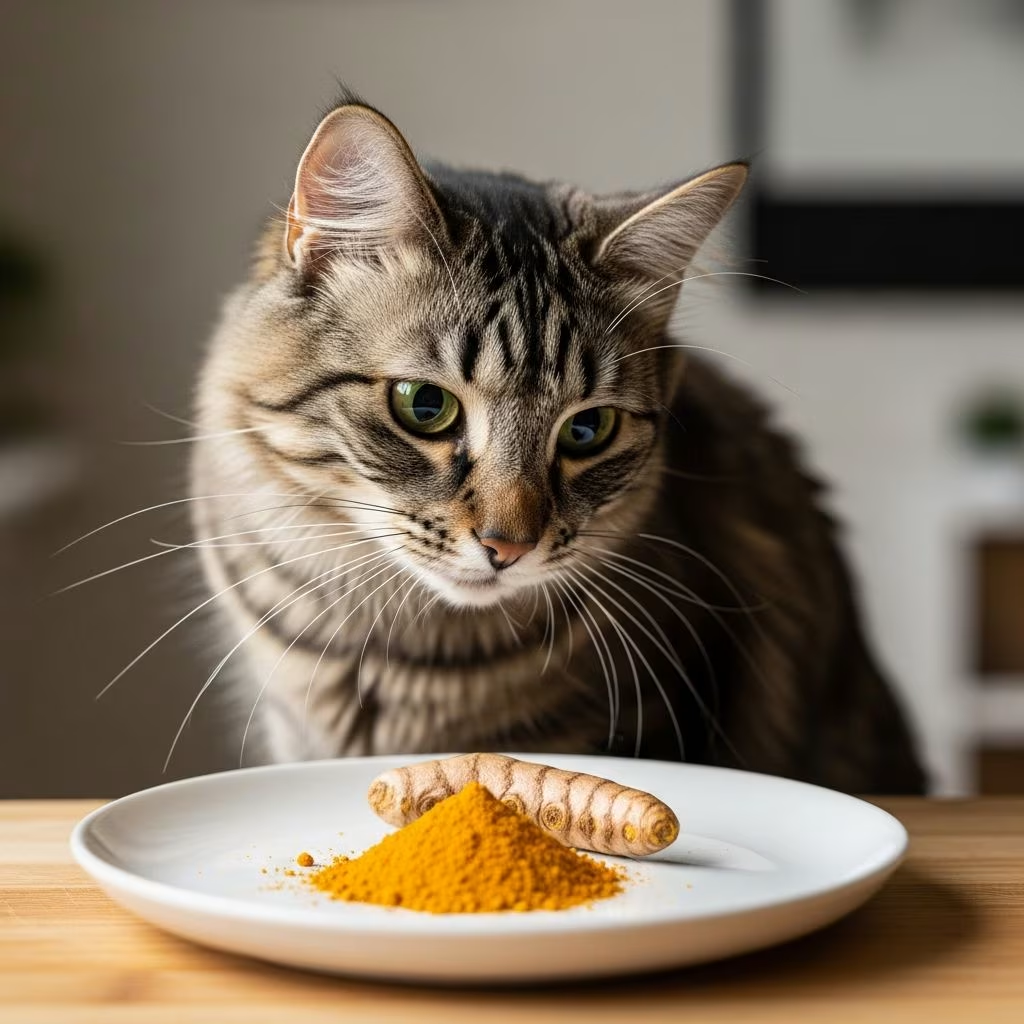
Turmeric, a vibrant golden spice cherished in human cuisine and traditional medicine, owes its fame to curcumin, its active compound with potent anti-inflammatory and antioxidant properties. But can cats eat turmeric? The short answer is yes, in moderation and under veterinary guidance, as it may offer benefits for feline health without posing significant risks to most cats.
Cats possess unique metabolisms as obligate carnivores, processing certain plant compounds differently than humans. While turmeric isn’t toxic, its efficacy and safety depend on dosage, preparation, and your cat’s individual health status. This comprehensive guide draws from veterinary insights to explore turmeric’s role in feline nutrition, potential perks for conditions like arthritis or cancer support, safe administration methods, and crucial precautions.
What Is Turmeric and Why Do People Give It to Cats?
Turmeric (Curcuma longa) is a rhizomatous herbaceous perennial plant from the ginger family, native to South Asia. Its root is ground into the familiar spice used in curries, teas, and supplements. The star component, curcumin, comprises 2-5% of the root and drives most studied health effects, including reducing oxidative stress and modulating inflammation pathways.
Pet owners turn to turmeric for cats hoping to mimic human benefits: easing joint pain, supporting digestion, boosting immunity, and even aiding cancer management. In veterinary contexts, it’s explored as a complementary therapy, particularly for senior cats with mobility issues or chronic inflammation. However, cats lack robust evidence from feline-specific trials; most data extrapolates from human, canine, or lab animal studies.
- Historical Use: Ayurvedic medicine has employed turmeric for millennia for wounds, digestive woes, and systemic inflammation.
- Modern Appeal: Rising interest in natural supplements amid concerns over pharmaceutical side effects.
- Feline Relevance: Cats with arthritis (affecting up to 90% of seniors) or IBD may benefit from curcumin’s COX-2 inhibition, similar to NSAIDs but gentler.
The Potential Health Benefits of Turmeric for Cats
Curcumin’s bioavailability is low in raw form, but when paired with black pepper (piperine) and fats, absorption improves dramatically—up to 2,000%. Here’s a breakdown of evidence-based benefits for cats:
Anti-Inflammatory and Joint Support
Arthritis plagues many older cats, causing pain and reduced mobility. Curcumin inhibits pro-inflammatory cytokines like TNF-alpha and NF-kB, potentially rivaling NSAIDs. A study on dogs showed reduced clinical signs of osteoarthritis with curcumin supplementation.
References
- Evaluation of curcumin as an anti-inflammatory agent in osteoarthritic dogs — Journal of Veterinary Internal Medicine. 2022-01-15. https://onlinelibrary.wiley.com/doi/full/10.1111/jvim.16358
- Nutraceuticals for Joint Health in Cats and Dogs — Veterinary Clinics of North America: Small Animal Practice. 2023-05-20. https://www.sciencedirect.com/science/article/pii/S0195561623000123
Anecdotal vet reports suggest similar relief in felines, with improved grooming and playfulness.
Antioxidant Protection and Cancer Support
Cancer cells thrive on glucose, prompting interest in low-carb diets plus antioxidants like turmeric to curb tumor growth. While no feline trials confirm turmeric starves cancer, its pro-apoptotic effects on malignant cells show promise in vitro. For cats battling lymphoma or squamous cell carcinoma, vets sometimes recommend it alongside chemo, noting improved appetite.
References
- Diet for Cats With Cancer: Nutrition & Considerations — Catster (Vet Answer). 2024-08-10. https://www.catster.com/ask-the-vet/cat-cancer-diet/
- Curcumin and Cancer: An Old-Age Disease with an Age-Old Solution — PubMed Central (National Institutes of Health). 2023-11-12. https://pmc.ncbi.nlm.nih.gov/articles/PMC10061592/
Digestive and Liver Health
Curcumin may protect hepatocytes and promote bile production, aiding fatty liver disease common in obese cats. It also soothes IBD by balancing gut microbiota.
| Benefit | Mechanism | Evidence Level for Cats |
|---|---|---|
| Joint Pain Relief | Inhibits inflammatory enzymes | Moderate (extrapolated) |
| Cancer Adjunct | Antioxidant, pro-apoptotic | Low (preliminary) |
| Digestion Aid | Antispasmodic, hepatoprotective | Anecdotal |
Risks and Side Effects of Turmeric for Cats
Turmeric is generally safe, but pitfalls exist:
- Gastrointestinal Upset: High doses cause diarrhea, vomiting, or bloody stools due to curcumin’s irritant nature.
- Blood Thinning: Inhibits platelets; risky for surgical candidates or those on anticoagulants.
- Gallbladder Issues: Stimulates bile—contraindicated in obstruction.
- Drug Interactions: May amplify chemotherapy or alter liver enzyme drugs.
- Heavy Metals: Cheap supplements contaminated with lead or arsenic.
Kittens, pregnant/nursing queens, and cats with liver/kidney disease should avoid it. Always source organic, third-party tested products.
How to Safely Give Turmeric to Your Cat: Dosage and Forms
Vet Consultation First: Never self-dose; get personalized advice.
Recommended Dosage
Start low: 1/8 tsp turmeric powder (with pinch black pepper + fat like fish oil) per 10 lbs body weight daily, divided into meals. For curcumin extracts: 5-10 mg/kg/day. Monitor for 1-2 weeks.
- Powder: Mix into wet food.
- Capsules: Open and sprinkle (vet-formulated).
- Treats: Homemade with broth, pumpkin.
- Oils/Gels: For joints, applied topically if tolerated.
Enhance absorption: Golden paste recipe—turmeric, water, pepper, oil; refrigerate 2 weeks.
Alternatives to Turmeric for Cats
If turmeric isn’t suitable:
- Omega-3s: Fish oil for inflammation.
- Glucosamine/Chondroitin: Joint supplements.
- Probiotics: Gut health.
- CBD Oil: Pain/anxiety (vet-grade).
FAQs About Turmeric for Cats
Is turmeric safe for cats with cancer?
Potentially supportive as an antioxidant, but no evidence it cures; use alongside vet-prescribed treatments.
References
- Should I Give Cancer Supplements to My Cat? — Catster. 2024-08-10. https://www.catster.com/ask-the-vet/cat-cancer-diet/
Can I make homemade turmeric treats?
Yes, blend with pumpkin, chicken; limit to 10% diet. Ensure balance.
References
- Healthy Homemade Treats with Benefits: Joint Health — Patton Vet Hospital. 2023-06-01. https://pattonvethospital.com/blog/1340740-healthy-homemade-treats-with-benefits-joint-health
How much turmeric for a 10-lb cat?
1/8 tsp powder daily; adjust per vet.
Does turmeric help cat arthritis?
May reduce inflammation; combine with weight management, exercise.
Conclusion: Turmeric as a Complementary Tool
Incorporate turmeric thoughtfully into a balanced, AAFCO-approved diet. It’s no miracle cure but a promising adjunct for inflammation-prone cats. Prioritize quality nutrition, regular vet check-ups, and monitor closely. Your feline friend’s golden years can shine brighter with informed choices.
References
- Diet for Cats With Cancer: Nutrition & Considerations (Vet Answer) — Catster. 2024-08-10. https://www.catster.com/ask-the-vet/cat-cancer-diet/
- Evaluation of curcumin as an anti-inflammatory agent in osteoarthritic dogs — Journal of Veterinary Internal Medicine (Wiley). 2022-01-15. https://onlinelibrary.wiley.com/doi/full/10.1111/jvim.16358
- Curcumin and Cancer: An Old-Age Disease with an Age-Old Solution — PubMed Central (NIH). 2023-11-12. https://pmc.ncbi.nlm.nih.gov/articles/PMC10061592/
- Nutraceuticals for Joint Health in Cats and Dogs — Veterinary Clinics of North America: Small Animal Practice. 2023-05-20. https://www.sciencedirect.com/science/article/pii/S0195561623000123
- Healthy Homemade Treats with Benefits: Joint Health — Patton Veterinary Hospital. 2023-06-01. https://pattonvethospital.com/blog/1340740-healthy-homemade-treats-with-benefits-joint-health



