

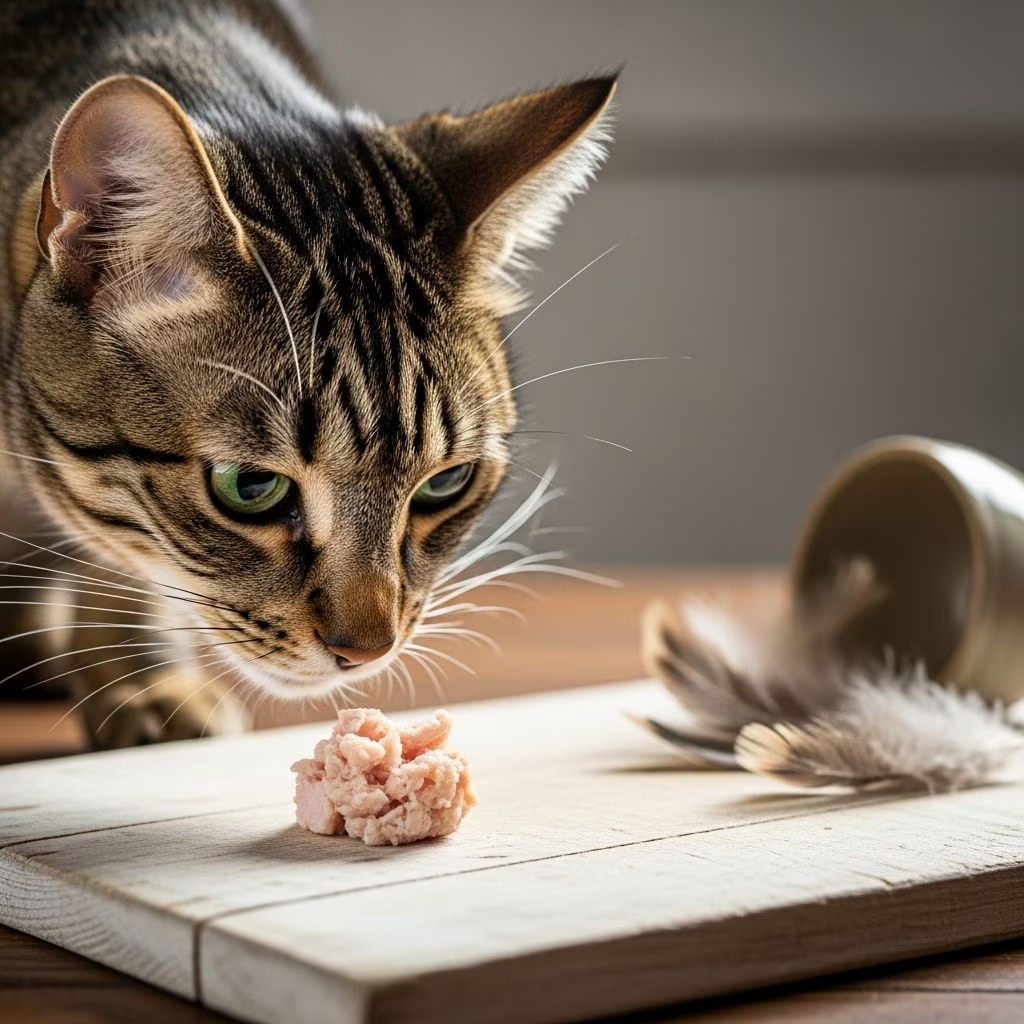
Turkey is a popular protein source during holidays and throughout the year, and many cat owners wonder whether their feline companions can enjoy this meat. The good news is that cats can safely eat turkey, provided it is prepared and served correctly. Understanding the proper way to offer turkey to your cat ensures they can benefit from its nutritional value while avoiding potential health risks.
Is Turkey Safe for Cats?
Yes, turkey is safe for cats to eat when certain conditions are met. Cats are obligate carnivores, meaning they require animal protein to thrive, and turkey provides an excellent source of this essential nutrient. However, not all forms of turkey are appropriate for feline consumption, and the way it is prepared makes a significant difference in its safety.
The key to safely feeding turkey to cats lies in understanding which parts are safe, how to prepare them, and what portions are appropriate. Turkey meat itself contains nutrients that align well with a cat’s natural dietary needs and can serve as a healthy treat when given responsibly.
Health Benefits of Turkey for Cats
Turkey offers numerous nutritional advantages for your feline friend. This lean protein source is low in calories and fat compared to other meats, contains no sugar or carbohydrates, and is rich in essential vitamins and minerals that support feline health.
Key Nutritional Components
- High-Quality Protein: Turkey contains over 50% protein, which is crucial for muscle development, tissue repair, and maintaining healthy organ function in cats.
- Taurine: This essential amino acid is vital for your cat’s eye, heart, and brain function. Turkey meat contains substantial amounts of taurine, particularly in the dark meat and liver, making it an excellent source of this critical nutrient.
- B Vitamins: Turkey is rich in B vitamins, including B6 and B12, which boost your kitty’s immune system, support brain function, aid in energy production, and contribute to red blood cell formation. Vitamin B6 is particularly beneficial for cats prone to diabetes, as it helps regulate glucose levels.
- Essential Minerals: Turkey provides selenium, magnesium, zinc, phosphorus, sodium, and potassium. These minerals help keep your cat’s bones and teeth healthy, regulate growth and metabolism, and support overall body function.
- Selenium Benefits: The bioavailable minerals in turkey, particularly selenium, can help reduce shedding and minimize hairball formation in cats.
Nutritional Composition
| Nutrient | Content |
|---|---|
| Protein | Over 50% |
| Fat | Up to 20% |
| Calcium | Around 1.5% |
| Carbohydrates | 0% |
| Sugar | 0% |
However, it’s important to note that turkey is relatively low in fiber, which is needed in your cat’s diet for healthy digestion and stool quality. This is why turkey should complement, not replace, a complete and balanced diet formulated specifically for cats.
Safe Turkey Parts vs. Parts to Avoid
Not all parts of turkey are equally safe or beneficial for cats. Understanding which cuts to offer and which to avoid is essential for keeping your feline friend healthy.
Safe Turkey Parts
- White Meat (Turkey Breast): This is the leanest portion of turkey and is the safest choice for cats. White meat is lower in fat and calories, making it ideal for maintaining a healthy weight.
- Dark Meat: While higher in calories, fat, and cholesterol than white meat, dark meat contains more iron and vitamins, particularly taurine. If offered occasionally and in small portions, dark meat can provide nutritional benefits.
- Turkey Liver: When cooked, turkey liver can be a healthy treat due to its high biological value and nutrient density. However, portion control is critical, as excessive vitamin A content in liver can lead to vitamin A toxicity over time. Symptoms of toxicity include lethargy, appetite loss, and joint pain.
Parts to Avoid
- Turkey Skin: The skin is extremely high in fat and can cause gastrointestinal upset, leading to vomiting or diarrhea. It may also trigger pancreatitis, a serious and painful inflammation of the pancreas. Always remove skin before offering turkey to your cat.
- Turkey Bones: Bones of any kind pose serious risks, including splintering, which can injure your cat’s mouth, throat, or digestive tract. Bones are also a significant choking hazard. Never give your cat turkey bones in any form.
- Turkey Fat and Drippings: Excess fat can contribute to obesity, pancreatitis, and other health issues. Always remove visible fat, skin, and drippings before serving turkey to your cat.
- Turkey Deli Slices: These are heavily processed and contain excessive salt, seasonings, and preservatives that are harmful to cats.
- Turkey Bacon: Like deli meat, turkey bacon is high in salt and fat, making it inappropriate for feline consumption.
How to Safely Prepare Turkey for Your Cat
Proper preparation is crucial to ensuring turkey is safe for your cat to consume. Follow these essential guidelines when preparing turkey for your feline friend.
Preparation Steps
- Cook Turkey Thoroughly: Always ensure turkey is fully cooked all the way through. Raw or undercooked turkey may contain harmful bacteria such as Salmonella and E. coli, which can cause serious illness in both cats and humans. Boiling or grilling turkey are the safest cooking methods.
- Remove All Seasonings and Sauces: Never season turkey intended for your cat. This means avoiding salt, pepper, garlic, onions, herbs, butter, oils, and gravy. Many seasonings, particularly garlic and onions, are toxic to cats and can cause gastrointestinal distress or damage to red blood cells. Plain, unseasoned turkey is the only safe option.
- Remove Skin and Excess Fat: Strip away all skin, visible fat, and drippings before serving. This step is critical to preventing gastrointestinal upset and pancreatitis.
- Cut Into Appropriate Sizes: Cut turkey into small, bite-sized pieces to prevent choking hazards. Large chunks of turkey can pose the same choking risk as bones.
- Cool Before Serving: Allow cooked turkey to cool to room temperature before offering it to your cat to prevent burns.
How Much Turkey Can Cats Eat?
While turkey is nutritious and safe, it should never replace your cat’s complete and balanced diet. Turkey should be considered a treat or occasional supplement, not a meal replacement.
Portion Guidelines
Treats, including turkey, should account for no more than 10 percent of your cat’s daily caloric intake. Exceeding this guideline can lead to nutritional imbalances and weight gain. A typical serving for most cats would be a few small pieces of plain, cooked turkey breast as an occasional treat.
If your cat consumes too much turkey or treats in general, they will not receive adequate nutrition from their regular cat food, potentially leading to:
- Weight gain and obesity
- Nutritional deficiencies
- Diabetes mellitus
- Arthritis and joint problems
- Digestive issues
Special Considerations
Before introducing turkey or any new food to your cat’s diet, consult with your veterinarian. This is especially important if your cat has preexisting health conditions such as diabetes, pancreatitis, chronic digestive issues, or kidney disease. Your vet can provide personalized guidance based on your cat’s individual health status and dietary needs.
Turkey for Kittens
Kittens can safely eat turkey, but their nutritional needs differ from adult cats. Ideally, kittens should be fed kitten-specific formulas that contain the recommended nutrient ratio and are specially formulated for their sensitive stomachs. These kitten foods often include turkey as a primary ingredient.
Plain, cooked, unseasoned turkey can also be offered to kittens as a treat, provided it is thoroughly cooked and served in very small portions appropriate to their size. Always prioritize complete kitten formulas as the foundation of their diet.
Common Concerns When Feeding Turkey to Cats
Raw Turkey
Raw turkey poses serious health risks due to harmful bacteria like Salmonella and E. coli. Never feed your cat raw turkey, as these pathogens can cause severe illness. Always cook turkey thoroughly before offering it to your feline companion.
Choking Hazards
Large pieces of turkey and bones both present choking hazards. Always cut turkey into small, bite-sized pieces and ensure all bones are completely removed before serving.
Fat-Related Issues
Excess fat from turkey skin, dark meat, or fatty portions can trigger pancreatitis, a painful and potentially serious condition. Always remove skin and visible fat, and limit dark meat portions if offering them at all.
Seasonings and Toxins
Even small amounts of garlic, onions, salt, and other seasonings can be toxic to cats or cause gastrointestinal distress. Always serve turkey completely plain with no added ingredients.
Turkey as Part of Commercial Cat Food
Turkey is commonly used as a protein source in commercial cat foods and treats. Many cats find turkey-based cat foods highly palatable, which can help entice picky eaters to maintain their nutritional intake. If you choose a commercial cat food with turkey as the primary ingredient, ensure it is a complete and balanced diet formulated to meet the Association of American Feed Control Officials (AAFCO) standards for your cat’s life stage.
Frequently Asked Questions (FAQs)
Q: Can cats eat cooked turkey?
A: Yes, cats can safely eat cooked turkey. Their digestive systems can process cooked turkey without difficulty. However, it should be plain, boneless, and free of skin and seasonings.
Q: Is turkey toxic to cats?
A: Plain, cooked turkey is not toxic to cats. However, certain preparations, such as seasoned turkey, raw turkey, or turkey with bones and skin, can be harmful or dangerous.
Q: Can cats eat turkey skin?
A: No, cats should not eat turkey skin. It is high in fat and can cause gastrointestinal upset, pancreatitis, and weight gain.
Q: How often can I give my cat turkey?
A: Turkey should be offered occasionally as a treat, not regularly. Limit turkey to no more than 10 percent of your cat’s daily caloric intake, which for most cats means a few small pieces once or twice a week at most.
Q: Can kittens eat turkey?
A: Yes, kittens can eat plain, cooked turkey in very small portions. However, kitten-specific commercial foods should be their primary diet to ensure proper nutrition for growth and development.
Q: Is turkey better than chicken for cats?
A: Both turkey and chicken are safe, nutritious options for cats. Turkey may provide slightly higher taurine content, particularly in dark meat, but the differences are minimal. Choose based on your cat’s preference and any individual health considerations.
Q: What should I do if my cat eats seasoned turkey?
A: If your cat consumes a small amount of mildly seasoned turkey, monitor for signs of gastrointestinal distress such as vomiting or diarrhea. If your cat ate turkey seasoned with garlic or onions, or if they show any symptoms, contact your veterinarian immediately.
Q: Can cats eat turkey liver?
A: Yes, cooked turkey liver can be a healthy treat for cats. However, serve it in moderation due to its high vitamin A content. Excessive liver consumption can lead to vitamin A toxicity.
References
- Can Cats Eat Turkey? — TrustedHousesitters.com. 2024. https://www.trustedhousesitters.com/blog/pets/can-cats-eat-turkey/
- Can Cats Eat Turkey? Benefits and Safety — Nature’s Logic. 2024. https://natureslogic.com/blog/can-cats-eat-turkey/
- Can Cats Eat Turkey? A Guide to Safety — Purina US. 2024. https://www.purina.com/articles/cat/feeding/can-cats-eat/turkey
- Can Cats Eat Turkey, and Should They? — Cats.com. 2024. https://cats.com/can-cats-eat-turkey
- Is Turkey Safe for Dogs and Cats? — Michelson Found Animals Foundation. 2024. https://www.foundanimals.org/is-turkey-safe-for-dogs-and-cats/



