

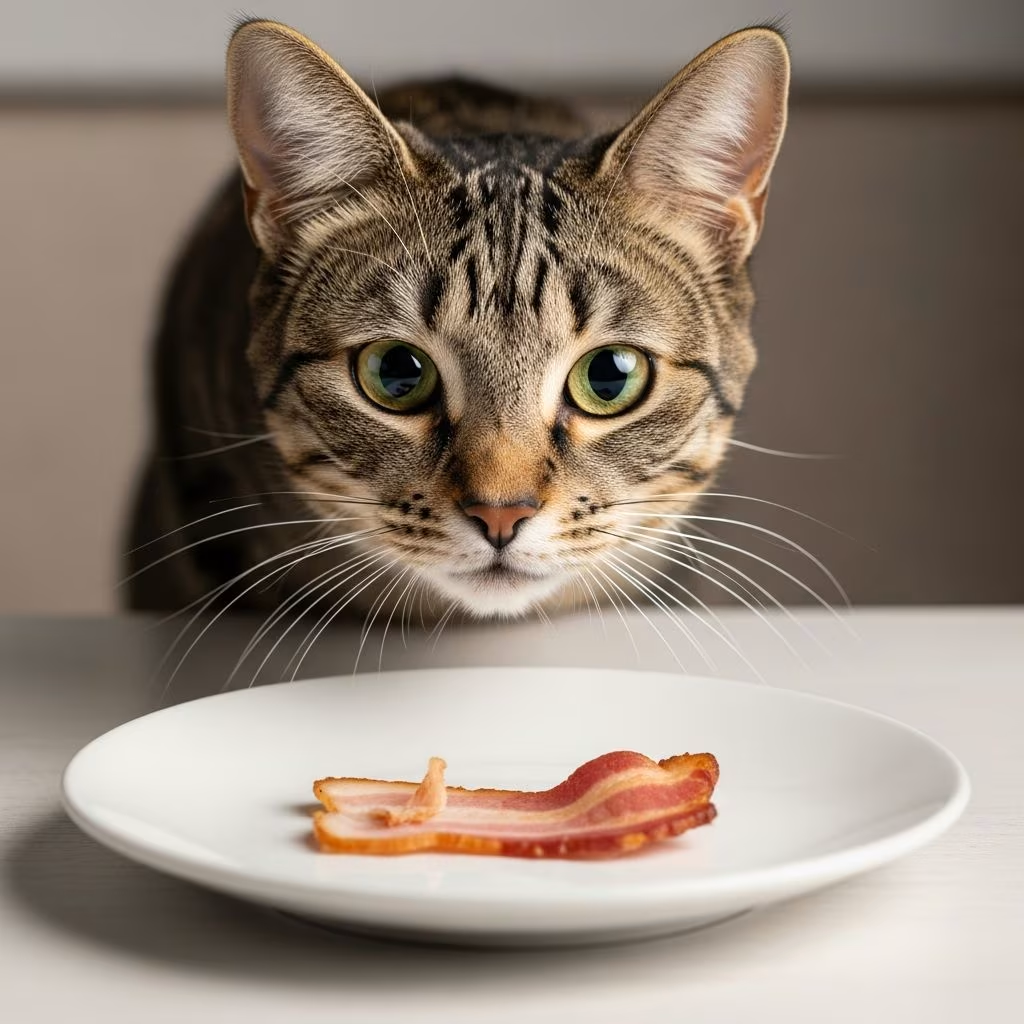
Turkey bacon seems like a leaner alternative to pork bacon, appealing to health-conscious cat owners wondering if it’s safe to share with their feline friends. However, while it may tantalize your cat with its smoky aroma, turkey bacon poses several health risks due to processing, high sodium, fat content, and preservatives.
In this comprehensive guide, we explore whether cats can safely eat turkey bacon, the potential dangers involved, symptoms to watch for, and the best ways to offer plain turkey as a treat. Backed by veterinary insights, we cover everything from nutritional breakdowns to frequently asked questions, helping you make informed decisions for your cat’s diet.
Can Cats Eat Turkey Bacon?
Plain, cooked turkey meat is an excellent, nutrient-dense treat for most cats, providing high-quality protein, essential amino acids, and vitamins like B-complex, magnesium, potassium, zinc, and selenium. It’s easily digestible, supports digestive health, and is often recommended for cats with allergies to other proteins or sensitive stomachs.
Turkey bacon, however, is a processed product made from ground turkey reformed into bacon-like strips, then cured, smoked, and seasoned. While not outright toxic or poisonous to cats, it is not recommended as a regular treat or snack. The processing adds unhealthy elements that outweigh any benefits, potentially leading to short-term digestive upset or long-term health issues like obesity and organ strain.
Cats are obligate carnivores, requiring a meat-based diet comprising about 80% animal protein for optimal nutrition. Commercial cat foods often include turkey for its leanness and palatability, but human turkey bacon introduces unnecessary additives that disrupt this balance.
Why Is Turkey Bacon Bad for Cats?
Turkey bacon’s appeal lies in its lower fat compared to pork bacon, but it remains problematic for cats due to several key factors. Here’s a detailed breakdown:
High Sodium Content
Turkey bacon is notoriously salty, with approximately 714 mg of sodium per 100g. Cats obtain sufficient sodium from balanced commercial cat food, and excess is typically excreted. However, regular or large amounts can cause dehydration, excessive thirst, and urination.
For cats with pre-existing conditions like kidney disease, even small amounts may exacerbate issues, leading to serious complications. Symptoms of salt overload or poisoning include:
- Diarrhea and vomiting
- Lethargy and decreased appetite
- Excessive thirst and urination
- Incoordination, tremors, seizures, or coma in severe cases
If you suspect salt poisoning, contact your veterinarian immediately.
Sodium Nitrite and Other Preservatives
Sodium nitrite, a common preservative in cured meats like turkey bacon, maintains color and prevents bacterial growth. While regulated for human consumption (around 0.012% in some products), cats’ smaller size amplifies risks.
Notably, sodium nitrite has been linked to the deaths of three cats in documented cases, underscoring the need for caution with nitrite-containing human foods. Other preservatives and nitrates enhance flavor and shelf life but can irritate a cat’s sensitive digestive system or contribute to toxicity over time.
High Fat, Calories, and Sugar
Despite being ‘leaner,’ turkey bacon is still fatty enough to cause problems. Excess fat can lead to obesity, pancreatitis, diabetes, joint disease, urinary issues, heart disease, hypertension, and even cancer. Added sugars in some brands further contribute to unwanted weight gain and blood sugar spikes.
Overweight cats face heightened risks for these conditions, making calorie-dense treats like turkey bacon a poor choice.
Other Additives and Processing Risks
Many turkey bacons contain spices, sugars, or fillers unsuitable for cats. Smoking processes may introduce carcinogens, and the overall high processing level reduces nutritional value compared to plain turkey.
How Much Turkey Bacon Can Cats Eat?
Occasional tiny nibbles—think the size of a fingernail—are unlikely to harm a healthy cat, potentially causing only mild digestive upset like diarrhea or vomiting. However, zero is the ideal amount. Treats should comprise no more than 10% of daily calories, prioritizing cat-specific options.
Large quantities or regular feeding amplify risks exponentially. A table comparing nutritional profiles highlights why:
| Nutrient (per 100g) | Plain Cooked Turkey | Turkey Bacon |
|---|---|---|
| Sodium (mg) | ~70 | 714 |
| Fat (g) | ~1-2 (lean) | ~10-20 |
| Calories | ~150 | ~300+ |
| Protein (g) | ~30 | ~15-20 |
Data approximated from general sources; always check labels.
What Happens If Your Cat Eats Turkey Bacon?
If your cat sneaks a small piece, monitor for 24-48 hours. Common reactions include soft stools, vomiting, or increased thirst—usually resolving without intervention.
For larger amounts, watch for salt poisoning signs (listed above) or fat-related issues like pancreatitis (severe vomiting, abdominal pain). Seek veterinary care promptly if symptoms persist or worsen. Provide plenty of fresh water to aid flushing toxins.
Cats with sensitivities, allergies, or conditions like kidney disease require immediate vet attention even after small ingestions.
Can Cats Eat Other Processed Turkey Products?
Similar risks apply to turkey lunch meat, hot dogs, sausage, or smoked turkey. These are laden with sodium, preservatives, and spices that can cause gastrointestinal upset, pancreatitis, or toxicity. Garlic, onions, or other seasonings in some products are outright toxic.
A tiny, unseasoned piece occasionally might be tolerated, but plain, home-cooked turkey is far superior.
Best Ways to Safely Give Turkey to Your Cat
Opt for unprocessed, cooked turkey breast (skinless, unseasoned) served warm or cold in small portions. Bake, boil, or poach to retain nutrients without added fats.
- Portion: 1-2 small chunks (pea-sized for kittens/small cats), 1-2 times weekly.
- Benefits: High protein, low fat/calories, supports muscle health and digestion.
- Alternatives: Commercial cat treats with turkey, freeze-dried meat treats, or vet-approved toppers.
Consult your vet before dietary changes, especially for cats with health issues.
Healthier Treat Alternatives for Cats
- Commercial Cat Treats: Formulated for nutrition, low-calorie options abound.
- Plain Meats: Chicken, turkey, fish (cooked, no bones/skin).
- Veggies: Small amounts of cooked pumpkin or carrots for fiber (cats don’t need them but tolerate sparingly).
- Hydration Boosters: Tuna water (in moderation) or cat broths.
Avoid all processed human meats; prioritize feline-specific products.
Frequently Asked Questions (FAQs)
Is turkey bacon toxic to cats?
No, it’s not toxic, but high salt, fat, and preservatives like sodium nitrite make it unhealthy and risky.
Can cats eat raw turkey bacon?
No. Raw meats risk Salmonella, E. coli, Listeria, Campylobacter, and parasites like Toxoplasma gondii for both cat and owner.
What if my cat ate a lot of turkey bacon?
Monitor for vomiting, diarrhea, lethargy, or thirst. Large amounts may require vet care for salt/fat overload.
Is turkey lunch meat safe for cats?
Occasional tiny pieces if unseasoned, but high sodium/spices make it inadvisable regularly.
How much plain turkey can I give my cat?
No more than 10% of daily calories; small chunks 1-2x/week.
Conclusion
While a stolen nibble of turkey bacon won’t likely harm your cat, it’s best avoided entirely due to excessive sodium, fat, calories, sugar, and preservatives that can lead to dehydration, obesity, pancreatitis, and worse. Plain, cooked turkey offers the flavor and nutrition your cat craves without the dangers. Always prioritize vet-recommended diets and treats for long-term health. Your feline friend will thank you with purrs and playfulness!
References
- Can Cats Eat Turkey Bacon? Vet-Approved Risks & FAQ — Catster. 2023. https://www.catster.com/nutrition/can-cats-eat-turkey-bacon/
- Can Cats Eat Turkey Bacon? Vet-Verified Facts & FAQ — Hepper. 2023. https://articles.hepper.com/can-cats-eat-turkey-bacon/
- Can Cats Eat Turkey? A Guide to Safety — Purina US. 2024-01-14. https://www.purina.com/articles/cat/feeding/can-cats-eat/turkey
- Can Cats Eat Bacon or Other Processed Meats? — Whisker. 2023. https://www.whisker.com/blog/can-cats-eat-bacon-processed-meats



