

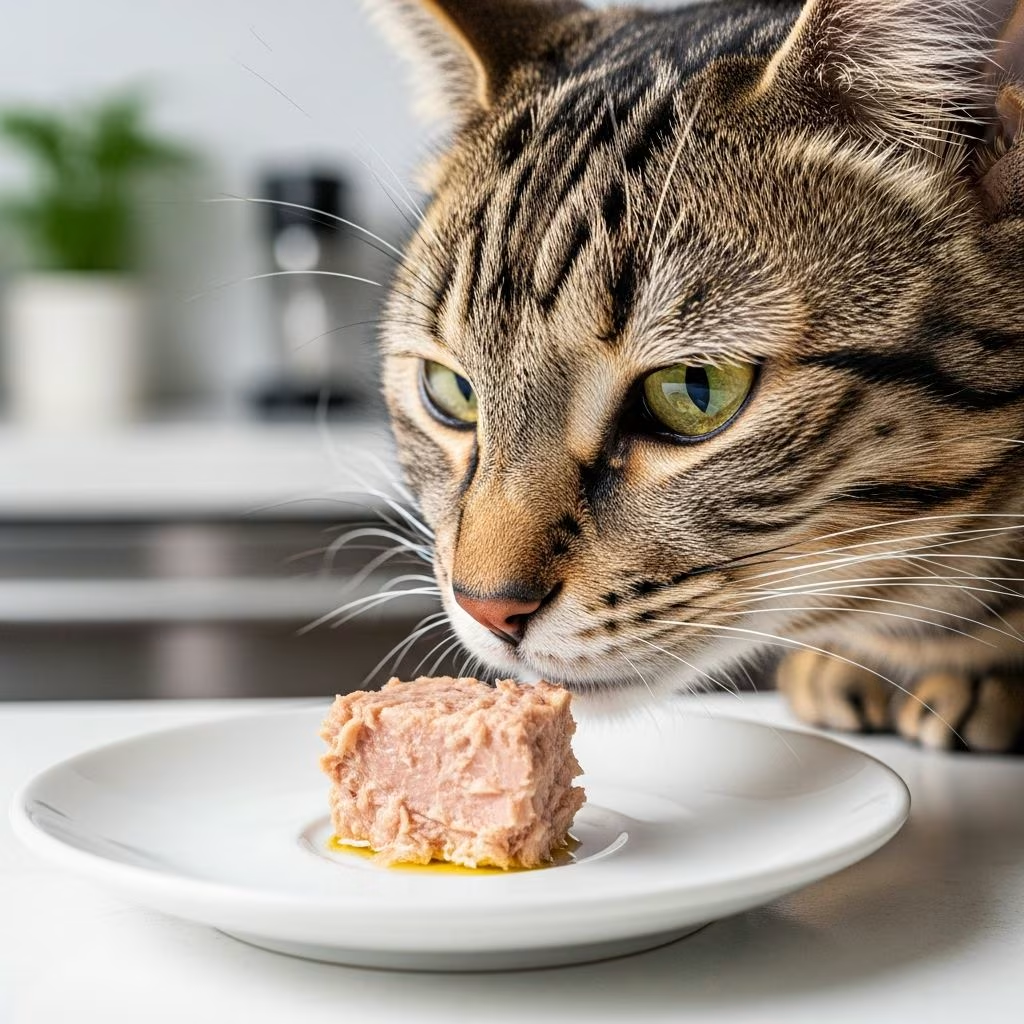
Tuna can be an occasional treat for cats when offered in small amounts, cooked, unseasoned, and packed in water, but it should never replace a balanced commercial cat food diet due to risks like mercury accumulation and nutrient deficiencies.
Why Cats Love Tuna and Its Appeal as a Treat
Cats are obligate carnivores, meaning their bodies thrive on animal-based proteins, and tuna’s strong aroma and flavor make it irresistible to many felines. This fish provides a sensory delight that can encourage picky eaters or help administer medications. However, its popularity doesn’t equate to suitability as a staple food; moderation is essential to avoid health complications.
Nutritional Benefits of Tuna for Feline Health
Tuna packs several advantages that align with a cat’s dietary needs when given sparingly.
- High-Quality Protein: As an excellent protein source, tuna supports muscle maintenance and overall energy requirements for cats, whose diets should primarily consist of meat-based nutrients.
- Low Carbohydrates: Unlike many plant-based foods, tuna contains minimal carbs, which is ideal since cats lack efficient enzymes to process them, reducing risks of obesity and diabetes.
- Omega-3 Fatty Acids: Rich in EPA and DHA, these promote skin and coat health, reduce inflammation, and support heart and kidney function.
These elements make tuna a motivating treat, but they don’t compensate for its shortcomings in a full diet.
Hidden Dangers: Health Risks of Overfeeding Tuna
While appealing, excessive tuna consumption introduces serious hazards that can compromise a cat’s well-being.
| Risk | Description | Potential Consequences |
|---|---|---|
| Mercury Toxicity | Tuna, especially larger varieties like albacore, accumulates high mercury levels from ocean pollutants. | Neurological damage, irreversible in severe cases; affects coordination and behavior. |
| Nutritional Imbalances | Lacks key nutrients like vitamin E, taurine, and calcium found in complete cat foods. | Deficiencies leading to malnutrition, weakened immunity, and organ issues. |
| Pansteatitis (Yellow Fat Disease) | Imbalance of polyunsaturated fats and low vitamin E causes fat tissue inflammation. | Pain, fever, obesity, reluctance to move; chronic if untreated. |
| Vitamin K Deficiency | Over-reliance on tuna displaces foods with adequate vitamin K. | Bleeding disorders and clotting problems. |
| Obesity and High Sodium | Calorie-dense and often salty canned varieties. | Weight gain, dehydration, hypertension. |
These risks underscore why tuna must remain under 10% of daily caloric intake, ideally as a weekly snack rather than a regular meal.
Safe Types of Tuna: What to Choose and Avoid
Not all tuna is equal for cats; selection impacts safety significantly.
- Preferred Options: Skipjack or light canned tuna in water—lower mercury, no additives.
- Fresh Preparations: Fully cooked, plain fillets without seasonings or raw elements.
- Commercial Cat Tuna: Formulated products with added nutrients for safer, more frequent use.
Avoid raw tuna due to thiaminase enzyme, which destroys thiamine (vitamin B1), risking nervous system issues and heart problems; bacterial risks like salmonella also loom. Steer clear of oil-packed, salted, or flavored human tuna, as oils contribute empty calories and salt leads to thirst and kidney strain.
Portion Control: How Much Tuna Is Too Much?
Precision in feeding prevents addiction and health issues, as cats may beg endlessly for this delicacy.
- Adult Cats: Limit to 1 tablespoon of plain, cooked tuna weekly, comprising less than 10% of total calories.
- Kittens: None until at least 1 year old; their developing systems can’t handle imbalances or toxins.
- Senior or Health-Compromised Cats: Consult a vet; conditions like kidney disease amplify mercury risks.
Monitor for signs of overindulgence: weight gain, lethargy, or fishy breath indicating dependency.
Tuna vs. Balanced Cat Food: Prioritizing Complete Nutrition
Commercial cat foods are engineered by veterinary nutritionists to meet AAFCO standards, providing taurine for heart/eye health, balanced minerals, and vitamins absent in plain tuna. Replacing meals with tuna invites malnutrition, as seen in cases of tuna-only diets leading to steatitis and deficiencies. Tuna-for-cats products mitigate this by fortification, allowing more liberal use without peril.
Alternatives to Tuna: Healthier Treat Options for Cats
Diversify treats to enrich your cat’s life without tuna’s pitfalls.
- Commercial freeze-dried meats (chicken, salmon) with added nutrients.
- Small pieces of cooked, unseasoned chicken or turkey.
- Cat-safe veggies like steamed pumpkin for fiber.
- Omega-supplemented kibble toppers.
These maintain variety while supporting holistic health.
Recognizing Tuna-Related Health Issues in Cats
Early detection averts escalation. Watch for:
- Unsteady gait or tremors (mercury).
- Yellowing fatty deposits, pain on touch (pansteatitis).
- Excessive bleeding from minor cuts (vitamin K).
- Lethargy, vomiting, or coat dullness (general malnutrition).
If symptoms appear, halt tuna immediately and seek veterinary care, potentially including blood tests for heavy metals.
Frequently Asked Questions About Tuna and Cats
Is canned tuna okay for cats?
Yes, if water-packed, unseasoned, and limited to occasional small servings; avoid oil or flavored types.
Can kittens have tuna?
No, wait until adulthood (1+ year) to prevent growth disruptions and toxin sensitivity.
What if my cat is addicted to tuna?
Gradually wean off with alternative treats; consult a vet for behavioral support if needed.
Does tuna cause allergies in cats?
Rare, but watch for itching, diarrhea; fish allergies manifest similarly to others.
Is tuna juice safe for cats?
No, high sodium risks dehydration; dilute sparingly or avoid.
Expert Tips for Incorporating Treats Responsibly
Veterinarians emphasize treats should not exceed 10% of calories. Pair tuna sparingly with puzzle feeders to engage instincts, rotate flavors, and prioritize vet-recommended diets. Annual check-ups catch imbalances early.
In summary, tuna delights cats but demands caution. By understanding benefits and pitfalls, you ensure it enhances rather than endangers your pet’s vitality.
References
- Can Cats Eat Tuna? Is Tuna Okay for Cats? — Chewy. 2023. https://www.chewy.com/education/cat/food-and-nutrition/can-cats-eat-tuna
- Can Cats Eat Tuna? — PetMD. 2023. https://www.petmd.com/cat/nutrition/can-cats-eat-tuna
- Can Cats Eat Tuna? — North Jersey Animal Hospital. 2023. https://northjerseyanimalhospital.com/blog/can-cats-eat-tuna/
- Foods Your Cat Should Never Eat — WebMD. 2023. https://www.webmd.com/pets/cats/ss/slideshow-foods-your-cat-should-never-eat



