

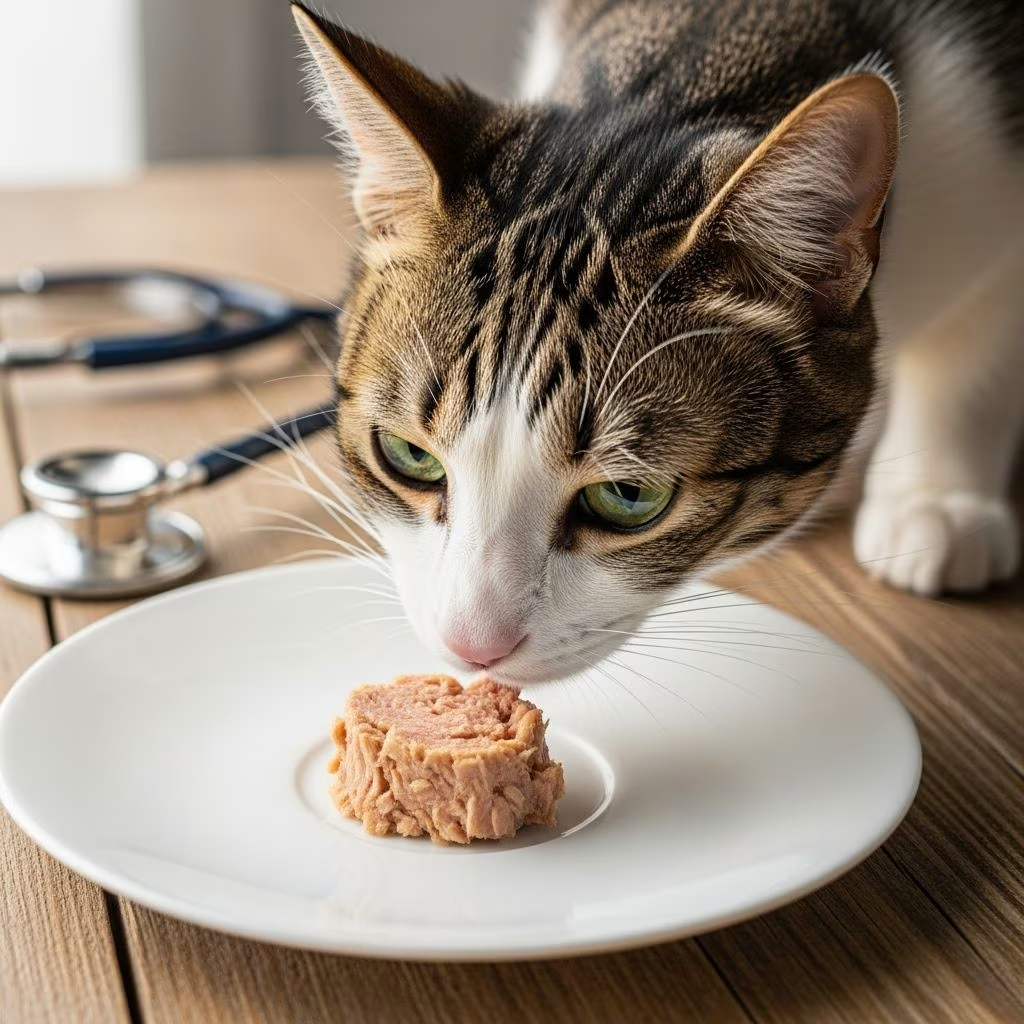
Can Cats Eat Tuna? A Complete Guide for Cat Owners
Tuna is one of the most commonly offered human foods to cats, whether as an occasional treat or part of their regular diet. As a cat owner, you’ve likely wondered whether this popular fish is actually safe for your feline companion. The straightforward answer is yes, cats can eat tuna, but with important caveats. Tuna should only be given as an occasional treat in small amounts due to potential health risks associated with excessive consumption. Understanding the proper way to offer tuna to your cat is essential for maintaining their overall health and well-being.
Nutritional Benefits of Tuna for Cats
Tuna offers several nutritional advantages that make it appealing as a cat treat. When given in moderation as part of a balanced diet, tuna can provide meaningful health benefits to your feline friend. The primary nutritional strengths of tuna include:
- High Protein Content: Tuna is exceptionally rich in protein and low in carbohydrates, making it an excellent protein source for cats. Cats are obligate carnivores, meaning they require high-quality protein for optimal health and muscle development.
- Omega-3 Fatty Acids: As a fish-based protein, tuna provides omega-3 essential fatty acids (EFAs) that support skin and coat health, reduce inflammation, and promote overall wellness.
- Muscle Growth Support: The protein and amino acids in tuna can help boost muscle growth and development, particularly beneficial for kittens and active adult cats.
- Immune System Enhancement: Tuna contains essential vitamins and minerals that can improve a cat’s immune response and help them fight off illness.
- Improved Coat Quality: The omega-3 fatty acids contribute to reduced hair shedding and a healthier, shinier coat.
These nutritional benefits make tuna an attractive occasional treat, but they must be weighed against the potential risks of overfeeding.
Health Risks and Safety Concerns
While tuna offers nutritional benefits, several significant health concerns make it unsuitable as a regular part of your cat’s diet. Understanding these risks is crucial for protecting your feline companion’s long-term health.
Mercury Poisoning Risk
The most serious concern with tuna consumption in cats is mercury content. Tuna naturally accumulates mercury from ocean water, and this toxic metal can build up in your cat’s body with repeated exposure. Excessive tuna consumption can lead to mercury poisoning, which poses serious health risks to felines. This is why it’s recommended to limit tuna intake and avoid certain types of tuna, particularly blue-fin tuna, which tends to have higher mercury levels.
Thiamine Deficiency
When cats consume excessive amounts of tuna, it can increase the production of an enzyme called thiaminase. This enzyme breaks down thiamine (vitamin B1), an essential nutrient for cats. A deficiency in thiamine can lead to serious neurological problems and other health complications. This is another compelling reason to strictly limit tuna portions and frequency.
Nutritional Imbalance
Tuna does not contain all the nutrients that cats need for optimal health. Feeding tuna as a primary food source would deprive your cat of essential vitamins, minerals, and other nutrients present in complete and balanced commercial cat foods. Cats require specific taurine levels, vitamin A, and other nutrients that tuna alone cannot provide in appropriate quantities.
Potential for Picky Eating
Some cats, when given tuna regularly, may become so fond of it that they refuse to eat their balanced commercial cat food. This behavioral pattern can create feeding problems, as cats may hold out for the tastier tuna treat instead of consuming their nutritionally complete meals. While tuna can be useful for encouraging sick cats to eat in small amounts, regular feeding of tuna can inadvertently contribute to dietary selectivity and nutrition gaps.
Is Tuna Safe for Cats to Eat?
The safety of tuna for cats depends entirely on how it’s prepared and how often it’s offered. If tuna is given as an occasional treat alongside a complete and well-balanced diet, it is generally safe for most cats. However, giving your cat solely tuna or feeding it too frequently creates serious health risks.
Before introducing any new food to your cat’s diet, including tuna, it’s always advisable to consult with your veterinary surgeon. Your vet can assess your individual cat’s health status, existing conditions, and dietary needs to provide personalized guidance on whether tuna is appropriate for your specific feline companion.
What Type of Tuna Should You Feed Your Cat?
Not all tuna products are created equal. The type and preparation method you choose significantly impacts whether tuna is a safe treat option for your cat. Here’s what you need to know about selecting the right tuna:
- Best Option – Canned Tuna in Water: The safest choice is canned tuna packed in water. This variety contains minimal added ingredients and preserves the fish’s nutritional benefits without excess sodium or unhealthy oils.
- Avoid Oil-Based Tuna: Tuna packed in oil should be avoided. Oil contains significantly more calories than water and can contribute to obesity and digestive upset in cats.
- Avoid Salt and Seasonings: Never offer tuna that contains added salt, seasonings, or flavorings. High sodium content can cause health problems, particularly for cats with existing kidney issues or heart conditions.
- Avoid Brine-Packed Tuna: Tuna packed in brine (salt water) has excessively high sodium levels and should not be offered to cats.
- Avoid Fresh and Frozen Tuna: While fresh or frozen tuna might seem like a more natural option, properly stored canned tuna in water is actually the safer choice for controlling portions and avoiding contamination.
Always check the label carefully to ensure the tuna contains only fish and water, with no added oils, salt, or other ingredients.
Proper Portions: How Much Tuna Can Your Cat Have?
If you’ve decided that tuna is appropriate for your cat and you’ve consulted with your veterinarian, understanding proper portion sizes is essential. Tuna is not a complete diet on its own and should be treated as a supplemental treat rather than a meal component.
The recommended guidelines for tuna consumption are:
- Frequency: Tuna should be offered no more than once per week
- Portion Size: No more than one teaspoon per 10 pounds of body weight at any single feeding
- Total Diet Percentage: Treats, including tuna, should comprise no more than 10% of your cat’s total daily caloric intake
- Never Feed Daily: Tuna should never be offered on an everyday basis due to the risk of mercury accumulation and thiamine deficiency
For example, a 10-pound cat should receive no more than one teaspoon of tuna once per week. Larger cats can have slightly more, but the frequency should remain limited. These conservative guidelines help protect your cat from mercury poisoning while still allowing them to enjoy tuna as an occasional treat.
Tuna Water and Your Cat
Many cat owners wonder about offering the water from canned tuna to their cats. While tuna water is not toxic to cats, it’s not the healthiest option either. Tuna water is essentially a flavored fluid with minimal nutritional value. Although it may contain trace amounts of omega fatty acids, it also carries the risk of mercury leaching from the tuna meat into the liquid.
If you choose to offer tuna water to your cat, limit it to one or two tablespoons at a time, no more than a couple of times per month. The tuna water should come from canned tuna packed in spring water only—never from tuna packed in brine or oil. Most importantly, tuna water should never replace your cat’s regular drinking water or be treated as a primary hydration source.
Foods to Avoid: Tuna Salad and Other Preparations
While plain canned tuna in water is safe in moderation, many tuna preparations are dangerous for cats and should be avoided entirely. Tuna salad, for instance, often contains ingredients that are toxic or harmful to felines. Many tuna salad recipes include onions, which are very toxic to cats and can cause damage to their red blood cells. Additionally, the mayonnaise in tuna salad can upset a cat’s digestive system and contribute to gastrointestinal distress.
Similarly, avoid offering any tuna products that contain seasonings, preservatives, or additives beyond simple salt and water. Human food preparations are often unsafe for cats and should not be shared.
Quick Reference: Tuna Safety Overview
| Aspect | Assessment |
|---|---|
| Is Tuna Toxic to Cats? | Yes (in excessive amounts due to mercury) |
| Is Tuna Commonly Allergenic? | Yes (some cats may have tuna allergies) |
| Is Tuna Species Appropriate? | No (not a complete diet for cats) |
| Recommended Frequency | Occasional (no more than once per week) |
| Best Type | Canned in water, no added salt or oil |
| Maximum Portion | One teaspoon per 10 pounds body weight |
Frequently Asked Questions About Cats and Tuna
Q: Can cats eat tuna every day?
A: No, it is not recommended to feed your cat tuna on a daily basis. Since tuna is high in mercury, a toxic metal, daily consumption could lead to dangerous mercury buildup in your cat’s body. Tuna should be offered no more than once per week. Speak with your veterinarian to determine the appropriate amount and frequency for your specific cat.
Q: Can cats eat canned Starkist tuna or other commercial brands?
A: Yes, provided you offer the tuna as a treat alongside a complete and well-balanced diet. Ensure the specific brand you choose is packed in water only, with no added salt, oil, or other seasonings. Always check the ingredient label before offering any commercial tuna product to your cat.
Q: What is the safe amount of tuna for cats?
A: The general guideline is no more than one teaspoon per 10 pounds of body weight, offered no more than once per week. Giving your cat solely tuna will not provide the right balance of nutrients they need to remain healthy. Tuna should be supplemental to a complete and balanced commercial cat food diet.
Q: Is tuna good for cats?
A: Tuna has both benefits and risks. It is high in protein and low in carbohydrates, and provides omega-3 essential fatty acids that support skin and coat health. However, tuna is also high in mercury, a toxic metal, and excessive consumption can lead to mercury buildup and thiamine deficiency. When offered in appropriate quantities as an occasional treat, tuna can be part of a healthy diet, but it should never be a regular food source.
Q: Can cats become addicted to tuna?
A: While cats cannot become truly addicted, they can develop a strong preference for tuna and may refuse to eat their balanced commercial cat food in hopes of getting tuna instead. If this occurs, it’s best to discontinue offering tuna altogether. Alternatively, you can switch to a tuna-based commercial cat food that provides proper nutritional balance.
Q: Can I feed my cat tuna instead of commercial cat food?
A: No, you should not use tuna as a replacement for quality commercial cat food. Tuna is not nutritionally complete and lacks essential vitamins, minerals, and nutrients that your cat needs for optimal health. Using tuna as a primary food source would create serious nutritional deficiencies.
Q: What about fresh or frozen tuna for my cat?
A: Canned tuna in water is the safest option because it’s easier to control portions and store properly. Fresh or frozen tuna carries additional risks of contamination and spoilage. If you do offer fresh tuna, ensure it’s plain, unseasoned, and properly handled according to food safety guidelines.
Q: Are there healthier alternatives to tuna treats for my cat?
A: Yes, there are several nutritious alternatives. Fully cooked, unseasoned chicken is an excellent treat option that provides high-quality protein without the mercury risk. Other options include commercially-prepared cat treats formulated for complete nutrition and safety.
Conclusion: Tuna as an Occasional Cat Treat
In summary, cats can safely eat tuna when it’s offered appropriately—as an occasional treat in very small amounts, using only canned tuna packed in water with no added salt or oil. The key to safely incorporating tuna into your cat’s diet is moderation and balance. Never allow tuna to become a regular part of your cat’s meals, and always consult with your veterinarian before introducing tuna or any new food.
While tuna offers nutritional benefits like high protein and omega-3 fatty acids, the risks associated with mercury poisoning and thiamine deficiency make it unsuitable as anything more than a supplemental treat. By understanding proper portions, preparation methods, and frequency guidelines, you can safely enjoy sharing this tasty treat with your feline companion while maintaining their overall health and nutritional well-being. Remember that the most important aspect of your cat’s diet should always be a complete and balanced commercial cat food formulated specifically for feline nutrition.
References
- Can Cats Eat Tuna? — Cats.com. Accessed January 14, 2026. https://cats.com/can-cats-eat-tuna
- Can Cats Drink Tuna Water? Vet Reviewed Facts & Consideration — Catster. Accessed January 14, 2026. https://www.catster.com/nutrition/can-cats-drink-tuna-water/
- Can Cats Eat Fish? Vet-Verified Benefits, Dangers & FAQ — Catster. Accessed January 14, 2026. https://www.catster.com/nutrition/can-cats-eat-fish/
- 3 Homemade Tuna Cat Treats You Can Make Today — Catster. Accessed January 14, 2026. https://www.catster.com/ask-the-vet/homemade-tuna-cat-treats/
- What Can Cats Eat Besides Cat Food? Vet-Verified Nutrition Guide — Catster. Accessed January 14, 2026. https://www.catster.com/nutrition/what-can-cats-eat-besides-cat-food/



