

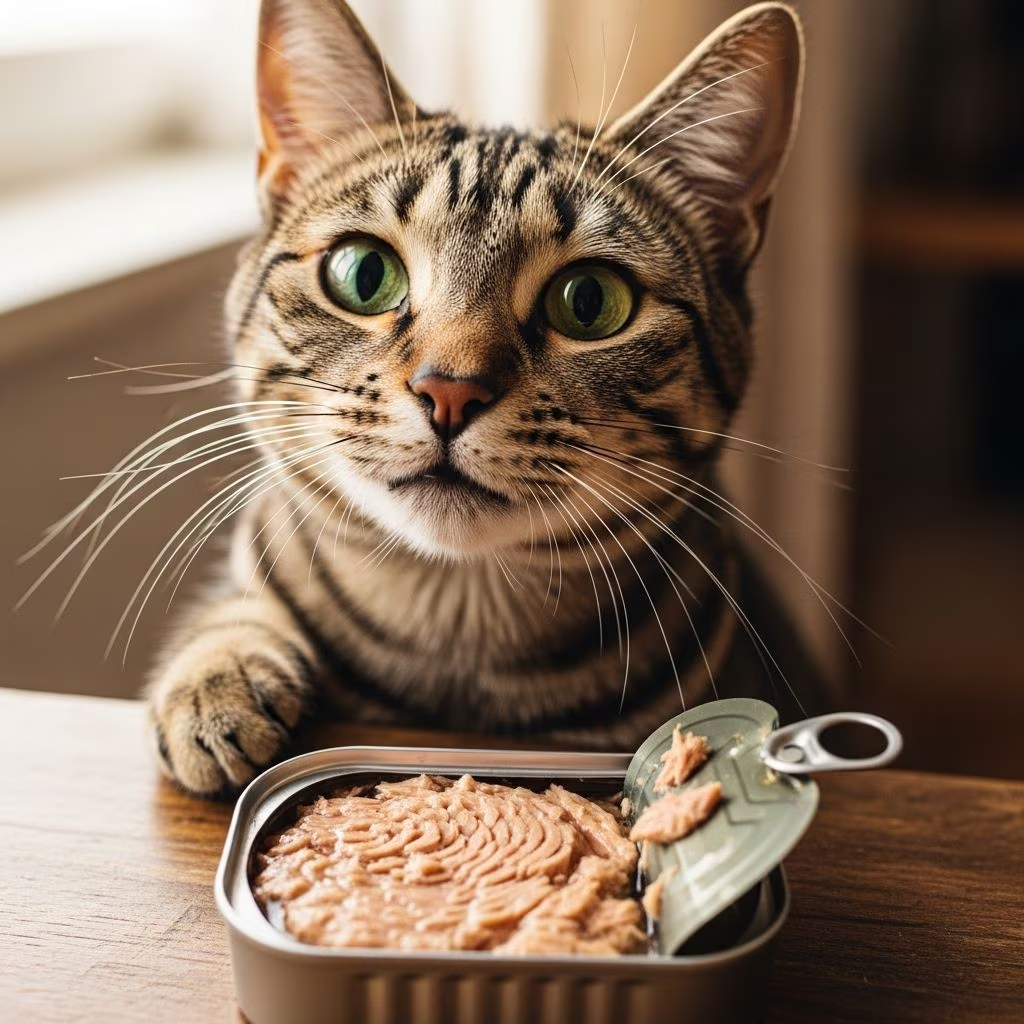
Tuna is a popular treat for many cats due to its strong aroma and flavor, but it should only be given in moderation as an occasional snack rather than a staple food. While tuna offers high-quality protein and essential fatty acids, overfeeding can lead to serious health issues like mercury toxicity and nutritional imbalances.
Is Tuna Safe for Cats?
Cats can safely eat small amounts of plain, cooked tuna packed in water, but it is not a complete or balanced diet for them. Human-grade tuna lacks key nutrients like taurine, vitamin E, and calcium that cats require, and it may contain high levels of mercury or sodium. Veterinary experts recommend limiting tuna to less than 10% of a cat’s daily caloric intake to avoid deficiencies or toxicity.
Obligate carnivores like cats thrive on meat-based proteins, and tuna fits this profile with its low carbohydrate content. However, commercial cat foods formulated with tuna are supplemented to meet nutritional standards, unlike plain human tuna.
Benefits of Tuna for Cats
Tuna provides several nutritional advantages when offered sparingly:
- High protein content: Essential for muscle maintenance as cats are obligate carnivores.
- Omega-3 fatty acids (EPA and DHA): Support skin, coat health, and reduce inflammation in conditions like heart or kidney disease.
- Vitamins and minerals: Includes B12, D, selenium, and niacin for overall vitality.
- Low carbs: Aligns with cats’ limited ability to process carbohydrates, reducing risks of obesity and diabetes.
- Appetite stimulant: Useful for medicating picky eaters.
These benefits make tuna an appealing treat, but they do not outweigh the need for a balanced commercial diet.
Risks of Feeding Cats Too Much Tuna
Excessive tuna consumption poses significant health risks:
- Mercury toxicity: Larger tuna species like albacore accumulate mercury, leading to neurological damage that may be irreversible.
- Nutritional deficiencies: Lacks taurine, vitamin E, calcium, and others, causing malnutrition if it replaces regular food.
- Pansteatitis (yellow fat disease): Imbalance of polyunsaturated fats and vitamin E causes painful fat inflammation, fever, and mobility issues.
- Vitamin K deficiency: Over-reliance on tuna-based diets can lead to bleeding disorders.
- High sodium: Canned tuna in brine causes dehydration and strain on kidneys.
- Obesity: Calorie-dense nature contributes to weight gain.
Chronic exposure exacerbates these issues, emphasizing moderation.
Safe Types of Tuna for Cats
Not all tuna is equally safe. Choose wisely to minimize risks.
| Type of Tuna | Safe? | Notes |
|---|---|---|
| Canned in water, unseasoned | Yes | 1-2 teaspoons weekly; low mercury if skipjack/light |
| Tuna cat food | Yes | Balanced and tested; follow label |
| Albacore tuna | Yes, limited | Higher mercury; smaller amounts only |
| Canned in oil/seasoned | No | Excess fat, salt, onions/garlic toxic |
| Raw tuna | No | Thiaminase destroys thiamine; bacteria risk |
| Tuna sushi/poke | No | Soy, wasabi, raw fish unsafe |
| Tuna bones | No | Splintering causes injury |
Opt for skipjack or light canned tuna in water for the lowest mercury.
How Much Tuna Can Cats Eat?
Portion control is crucial. Offer 1-2 teaspoons of drained, plain tuna weekly for an average adult cat, ensuring it does not exceed 10% of daily calories. Kittens, seniors, or cats with health issues should have even less or none. Always prioritize AAFCO-approved complete cat foods. Monitor for signs of overfeeding like vomiting, lethargy, or skin changes.
Can Kittens Eat Tuna?
Kittens require a highly balanced diet for growth, so tuna should be avoided or given in tiny amounts rarely. Their developing systems are more vulnerable to mercury and deficiencies. Stick to kitten-specific formulas.
Tuna Addiction in Cats
Many cats become hooked on tuna’s intense flavor, rejecting regular food and leading to malnutrition. This ‘tuna addiction’ stems from its palatability overriding balanced nutrition needs. Gradually transition back to proper food and use vet-approved toppers.
Alternatives to Tuna for Cats
For healthy treats, consider:
- Commercial cat treats or wet foods with fish flavors.
- Plain cooked chicken, turkey, or salmon (in moderation).
- Veggie purees like pumpkin for fiber.
- Freeze-dried meat treats formulated for cats.
These provide variety without tuna’s risks.
Frequently Asked Questions
Can cats eat canned tuna?
Yes, but only plain canned tuna in water, unseasoned, in small amounts. Avoid oil-packed or flavored varieties.
Is raw tuna safe for cats?
No, raw tuna risks bacterial infection and thiamine deficiency due to thiaminase.
Can cats eat tuna every day?
No, daily tuna leads to mercury buildup, deficiencies, and health issues. Limit to occasional treats.
What if my cat only wants tuna?
Consult a vet; they may need appetite stimulants or diet transition help to prevent malnutrition.
Is albacore tuna okay for cats?
In very small amounts due to high mercury; prefer light tuna.
Conclusion
While tuna delights many cats, it is best as a rare treat. Prioritize balanced nutrition to keep your cat healthy long-term. Always consult your veterinarian for personalized advice.
References
- Is Tuna Safe for Cats to Eat? Treat vs. Meal Portions — Rover.com. 2023. https://www.rover.com/blog/can-cats-eat-tuna/
- Canned Tuna for Cats: A Safe and Nutritious Treat or Potential … — North Jersey Animal Hospital. 2023. https://northjerseyanimalhospital.com/blog/can-cats-eat-tuna/
- Can Cats Eat Tuna? Is Tuna Okay for Cats? — Chewy. 2023. https://www.chewy.com/education/cat/food-and-nutrition/can-cats-eat-tuna
- Is Tuna Bad for Cats? The Truth About Tuna Cat Food — Weruva. 2023. https://www.weruva.com/blogs/happy-healthy-hub/is-tuna-bad-for-cats-the-truth-about-tuna-cat-food
- Can Cats Eat Tuna? — PetMD. 2023. https://www.petmd.com/cat/nutrition/can-cats-eat-tuna
- Can Cats Eat Tuna? — Hill’s Pet Nutrition. 2023. https://www.hillspet.com/cat-care/nutrition-feeding/can-cats-eat-tuna



