

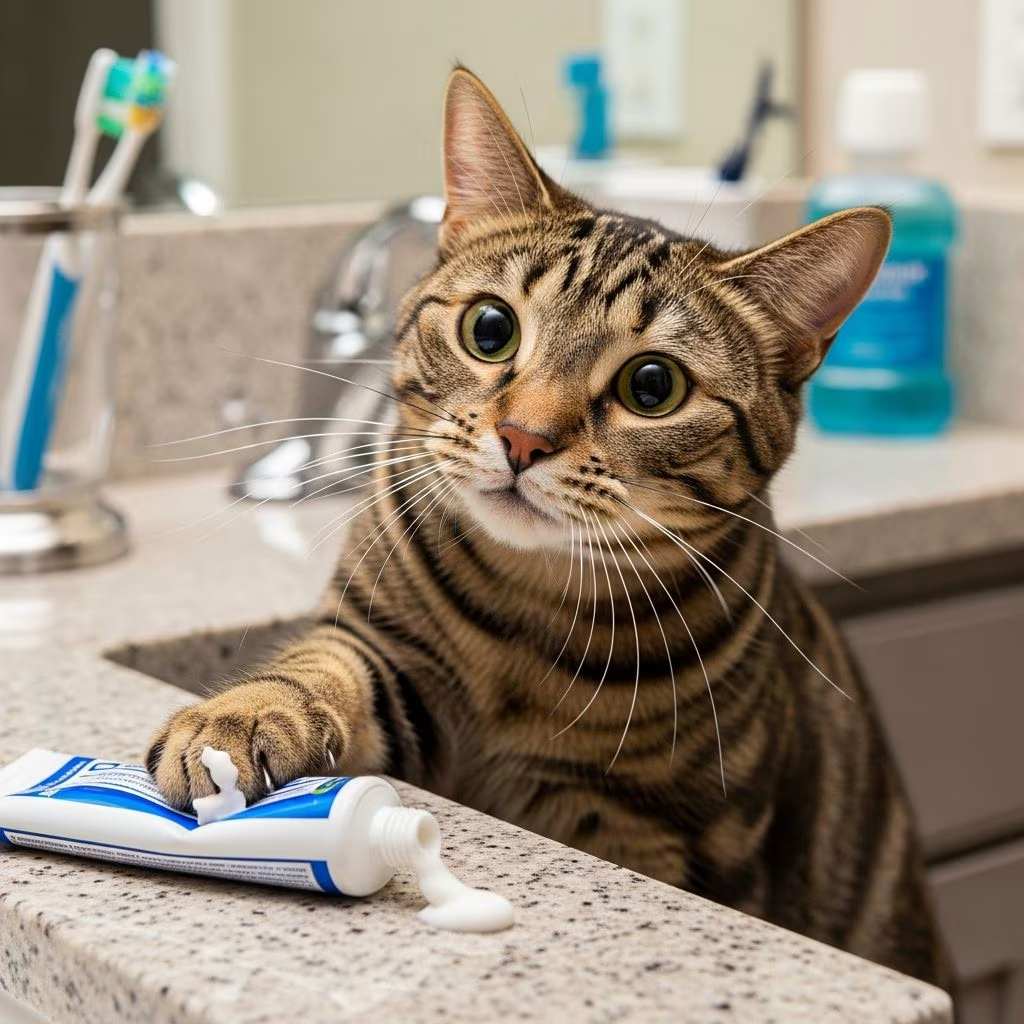
Human toothpaste is not safe for cats and should never be ingested or used for brushing their teeth. Ingredients like fluoride, xylitol, and certain detergents can cause toxicity, ranging from mild stomach upset to life-threatening conditions such as hypoglycemia or liver failure.
Why Can’t Cats Eat Toothpaste?
Cats lack the ability to spit out toothpaste like humans do, leading them to swallow it entirely. Human formulations are designed for rinsing and spitting, containing high concentrations of substances toxic to felines. Even a small amount licked from a tube or brush can pose risks, particularly if repeated.
The primary dangers stem from specific additives. Xylitol, a common sweetener, triggers a rapid insulin release in cats, causing dangerous drops in blood sugar levels. Fluoride, intended to strengthen human teeth, leads to gastrointestinal distress and can be fatal in higher doses. Detergents and foaming agents irritate the digestive tract, while high sodium levels disrupt electrolyte balance.
What Happens If a Cat Eats Toothpaste?
If your cat ingests toothpaste, the severity depends on the amount, ingredients, and your cat’s size. A tiny lick may cause no issues, but monitor closely for 24-48 hours. Common symptoms include:
- Excessive drooling or foaming at the mouth
- Vomiting or diarrhea
- Lethargy or weakness
- Lack of appetite
- Tremors, seizures, or collapse (in xylitol cases)
Xylitol toxicity can onset within 30 minutes, with hypoglycemia peaking at 12 hours. Fluoride overdose manifests as nausea and tremors. Contact a vet immediately if symptoms appear; they may induce vomiting or provide supportive care like IV fluids.
Toxic Ingredients in Human Toothpaste for Cats
Several components make human toothpaste hazardous:
| Ingredient | Risk to Cats | Toxicity Threshold |
|---|---|---|
| Xylitol | Hypoglycemia, liver failure | 50 mg/lb body weight |
| Fluoride (Sodium Fluoride) | Vomiting, diarrhea, death | 1-5 mg/lb toxic; 5-10 mg/lb fatal |
| Detergents (e.g., SLS) | Stomach irritation, ulcers | Any swallowed amount |
| High Sodium | Electrolyte imbalance | Variable, dose-dependent |
A standard pea-sized dab of toothpaste can exceed safe limits for a 10-lb cat. Pet-specific products avoid these entirely.
Is a Little Bit of Toothpaste Safe for Cats?
Occasionally, a small lick might not cause severe harm, but it’s never truly safe. Cats metabolize these chemicals differently, and cumulative exposure builds risk. Veterinary sources unanimously advise against any ingestion, emphasizing prevention over monitoring.
For context, municipal water has trace fluoride, but toothpaste delivers concentrated doses. If your cat has licked toothpaste, note the brand, amount, and time, then call a vet or poison hotline. Better safe than sorry—prompt action prevents escalation.
Safe Alternatives: Cat Toothpaste and Dental Care
Opt for enzymatic pet toothpastes formulated for swallowing. These use glucose oxidase to break down plaque without toxins. Flavors like poultry, fish, or malt appeal to cats, encouraging compliance.
- Brushing: Use a soft cat toothbrush or finger brush daily. Apply pea-sized pet toothpaste, focusing on outer teeth surfaces.
- Gels and Wipes: Brushless options like Oratene gel reduce plaque without brushing.
- Dental Treats: Choose VOHC-approved products proven to control tartar.
- Water Additives: Enzyme-based solutions freshen breath and fight bacteria.
Start slow to acclimate your cat. Reward with treats post-session. Regular vet dental checks complement home care.
How to Brush Your Cat’s Teeth Safely
Proper technique prevents stress and ensures efficacy:
- Desensitize: Let your cat sniff and lick pet toothpaste for a week.
- Tools: Dual-head cat toothbrush, gauze-wrapped finger, or Q-tip.
- Position: Gently lift lips; brush back molars and canines in circular motions for 30 seconds per side.
- Frequency: Daily ideal; every 2-3 days minimum.
- Tips: Use tuna water on the brush initially. Never force—progress gradually.
Avoid baking soda; its alkalinity upsets digestion. Professional cleanings under anesthesia may be needed annually for plaque buildup.
Preventing Cats from Eating Toothpaste
Proactive steps safeguard your home:
- Store toothpaste in cabinets or high shelves.
- Use pet gates to block bathrooms.
- Supervise brushing; rinse sinks immediately.
- Switch to pump dispensers with locks.
- Educate family on risks.
For dental hygiene, maintain a routine with safe products. This reduces overall temptation from human items.
FAQs
Can cats have human toothpaste in small amounts?
No, even small amounts risk toxicity from xylitol or fluoride. Monitor and consult a vet if ingested.
What if my cat licked toothpaste off my finger?
Watch for vomiting, lethargy, or tremors. Call your vet with details on amount and ingredients.
Is fluoride toothpaste worse than non-fluoride for cats?
Both are unsafe, but fluoride adds poisoning risk. Avoid all human varieties.
What’s the best toothpaste flavor for cats?
Malt, fish, or poultry. Enzymatic formulas are safest for both dogs and cats, but confirm labels.
How often should I clean my cat’s teeth?
Daily brushing is optimal; at least every 2-3 days. Pair with vet checkups.
Can baking soda be used for cat teeth?
No, it causes digestive upset due to high alkalinity.
Good dental health prevents periodontal disease, which affects 70% of cats over age 3 and can lead to organ infections. Prioritize safe habits for a longer, healthier life.
References
- Is it dangerous if my cat just ate a bit of toothpaste? — Dial A Vet. 2023. https://www.dialavet.com/vet-answers/cat-licked-toothpaste-concern-14734
- Can I Give Human Toothpaste To My Pet? — Diamond Pet. 2022. https://www.diamondpet.com/blog/culture/myths/human-toothpaste-and-pets/
- Brushing Your Cat’s Teeth — VCA Animal Hospitals. 2024. https://vcahospitals.com/know-your-pet/brushing-teeth-in-cats
- Best Toothpaste for Dogs & Cats: A Vet’s Safe Picks — Farmington Vet Hospital. 2023. https://www.farmingtonvethospital.com/best-toothpaste-for-dogs-and-cats/
- Pet InfoRx Cat Dental Cleanings & Extractions — Preventive Vet. 2024. https://www.preventivevet.com/pet-inforx/cat-dental-health-cleanings-extractions
- The Truth About Pet Toothpaste Ingredients — RADIUS. 2023. https://madebyradius.com/blogs/good-to-know/the-truth-about-pet-toothpaste-ingredients-what-to-look-for
- Feline Dental Disease — Cornell University College of Veterinary Medicine. 2024. https://www.vet.cornell.edu/departments-centers-and-institutes/cornell-feline-health-center/health-information/feline-health-topics/feline-dental-disease



