

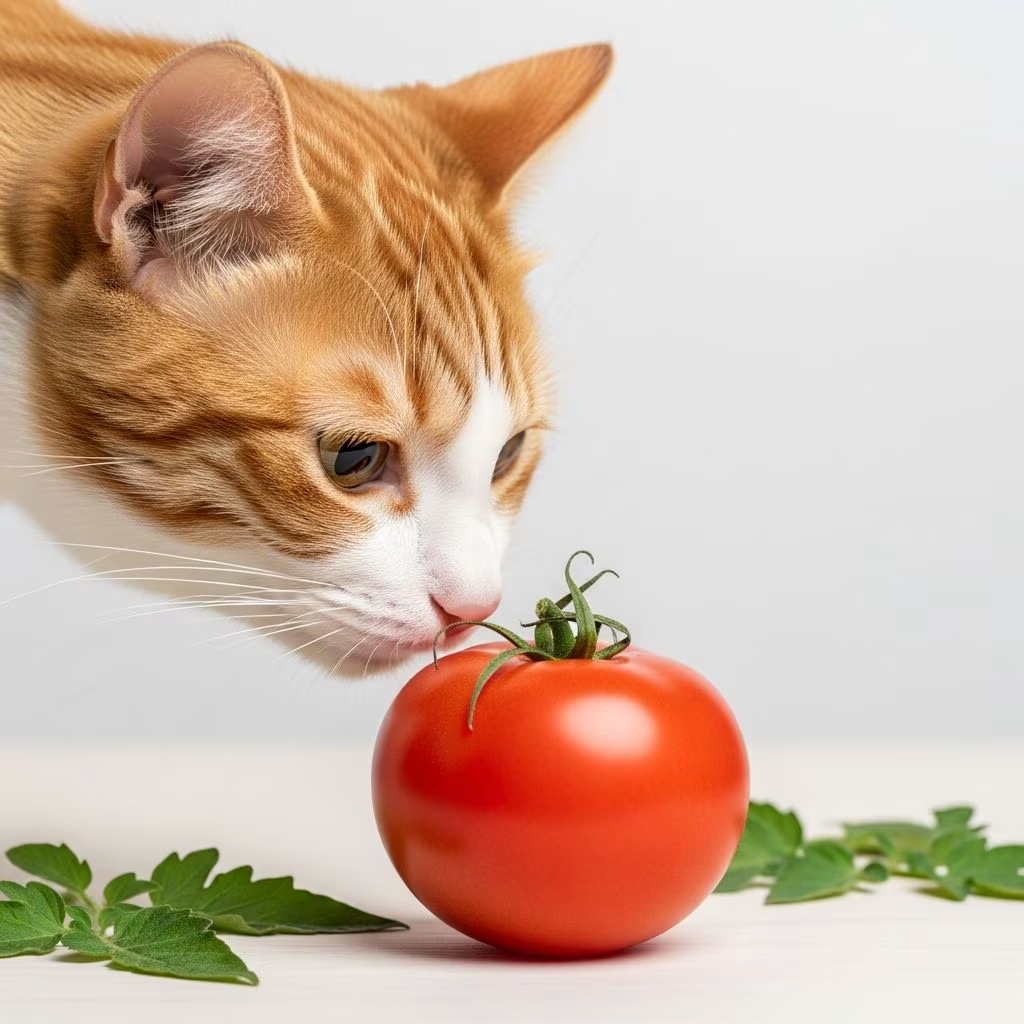
Can Cats Eat Tomatoes? It Depends
As a cat owner, you may have wondered whether it’s safe to share your fresh tomatoes with your feline companion. The answer isn’t straightforward, as it depends on which part of the tomato and what stage of ripeness you’re considering. Here’s the short answer: Occasionally giving your cat a small piece of fresh, red, ripe tomato is generally considered safe. However, green tomatoes (which are unripe fruit), stems and leaves, and tomato products, like canned tomatoes and tomato sauces, should be avoided. For a more complete understanding of this topic, we spoke to veterinary experts to get the specifics and understand the potential benefits and risks of giving this juicy, red, ripe fruit to your kitty.
Can Cats Eat Tomatoes?
While the flesh of red, ripe tomatoes isn’t toxic to cats in the way some foods such as chocolate or grapes are, they’re not recommended as a regular part of a feline diet. Why? Because as obligate carnivores, a cat’s digestive system is optimized for meat consumption—not plant-based foods like veggies and fruits. This fundamental aspect of feline biology means that cats derive most of their nutritional requirements from animal proteins and have limited ability to process and benefit from plant-based nutrients.
Guidelines for Safely Feeding Tomatoes to Cats
If you decide to offer your cat a taste of tomato, it’s crucial to follow these important guidelines to ensure their safety and well-being:
Plain and Fresh
Stick to plain, red, fresh tomatoes. Commercial tomato products like canned tomatoes, tomato sauce, tomato juice, ketchup, and canned tomato soup often contain a medley of spices and seasonings that are harmful to cats. Garlic and onion are particularly toxic to felines, as they can cause anemia and damage to red blood cells. Additionally, these processed products frequently contain high levels of sodium and sugar, which are not appropriate for your cat’s digestive system. Always ensure any tomato you offer is completely plain with no added ingredients.
Red and Ripe
Only offer your cat the ripe, red flesh of the tomato. Any portion of the green unripe fruit, as well as the leaf or stem, is not safe for cats to eat, as these parts contain toxic chemicals called solanine and tomatine. These glycoalkaloids serve as the plant’s natural defense mechanism against pests and can cause serious health issues in cats. The concentration of these toxic compounds is highest in the leaves and stems but decreases significantly as the tomato ripens and turns red. A good rule of thumb is to only offer your cat a small piece—approximately one teaspoon or less—of ripe, red tomato flesh.
Go Organic
If possible, opt for organic tomatoes, which are free from pesticides and herbicides. These chemical residues can accumulate in your cat’s system and potentially cause harm over time. Organic produce reduces unnecessary exposure to potentially harmful substances and provides a safer option for your feline friend.
Benefits of Tomatoes for Cats
Tomatoes are a low-calorie nutritional powerhouse for humans, rich in antioxidants like lycopene, essential vitamins like vitamin C and K, and minerals like potassium. However, a cat’s digestive system isn’t designed to extract nutrients from plant-based foods efficiently, so many of the vitamins and minerals found in tomatoes don’t offer the same nutritional advantages to cats as they do to humans. That said, there are still some notable health benefits to consider:
Hydration
Composed of 94 percent water, tomatoes could offer your kitty some extra hydration. The high water content can contribute to overall fluid intake, which is particularly beneficial for cats who don’t drink enough water. However, plain water and wet cat food are always the best options for hydration. Cats have a lower thirst drive compared to dogs, making it important to ensure they receive adequate moisture through their diet.
Fiber
The fiber in tomatoes could support digestion, although cats generally get all the fiber they need from their regular high-quality cat food. A balanced, meat-based diet formulated for feline nutrition already contains the appropriate amount of fiber for healthy digestive function. Adding supplemental fiber through tomatoes is unnecessary and could potentially disrupt their digestive balance.
Enrichment
Cats can be curious creatures, and introducing a new, safe food item could provide some mental stimulation. The novelty of exploring a different texture and taste can offer environmental enrichment, though this should never replace appropriate cat toys and interactive play.
Risks and Health Concerns: Understanding Toxicity
While ripe red tomatoes are generally safe in very small amounts, it’s crucial to understand the risks associated with other parts of the tomato plant and unripe fruit. Knowing these potential dangers will help you protect your feline companion from harm.
Solanine and Tomatine: Toxic Compounds
Tomatine is a toxic chemical—concentrated in the unripe flesh, stems, and leaves of tomato plants—that can be harmful to cats. Solanine is another glycoalkaloid found in the green portions of the tomato plant. These compounds serve as natural pesticides in the plant but can be dangerous when ingested by cats. Cats who consume too much of these chemicals via tomatoes can experience tomato poisoning, which ranges from mild gastrointestinal distress to serious neurological symptoms.
Symptoms of Tomato Poisoning in Cats
If your cat has ingested toxic portions of a tomato plant, watch for the following symptoms:
- Nausea
- Vomiting
- Diarrhea
- Loss of appetite
- Slow heart rate
- Dilated pupils
- Drooling
- Tremors
- Weakness or lethargy
Tomato poisoning, if a large amount of the plant is eaten, has the potential to be life-threatening if not promptly and appropriately treated by a veterinarian. If you suspect your cat has consumed any part of a tomato plant or shows any of these symptoms, contact your veterinarian immediately or call your local animal poison control center.
Specific Tomato Products and Safety
Different tomato products present varying levels of risk to your feline friend. Here’s a breakdown of common tomato-based foods and their safety for cats:
| Tomato Product | Safe for Cats? | Notes |
|---|---|---|
| Fresh, ripe red tomato | Yes (in very small amounts) | Plain, organic preferred; maximum 1-2 small bites |
| Cherry tomatoes | Yes (in moderation) | Follow same guidelines as regular tomatoes; avoid stems and leaves |
| Cooked tomatoes | Yes (plain, small amounts) | Must be free from seasonings, garlic, and onion |
| Canned tomatoes | No | Often contain sodium, preservatives, and added seasonings |
| Tomato sauce | No | High sodium, sugar, and usually contains garlic or onion |
| Tomato juice | No | Concentrated nutrients and often contains added salt |
| Ketchup | No | Contains sugar, sodium, and other harmful additives |
| Tomato soup | No | Multiple harmful ingredients including garlic, onion, and dairy |
Cherry Tomatoes
Cherry tomatoes follow the same safety guidelines as other ripe tomatoes, as long as your cat doesn’t ingest the stems or leaves. However, due to their size, they pose a potential choking hazard. Always cut cherry tomatoes in half lengthwise and remove any green portions before offering them to your cat.
Cooked Tomatoes
Cooked tomatoes are safe for your kitty to try in small amounts, as long as they are free from seasonings. Cooking doesn’t increase the nutritional value for cats but does soften the fruit, which some cats may find more appealing. However, this doesn’t mean you should regularly offer cooked tomatoes to your pet.
Tomato Sauce
Be mindful of letting your cat sample tomato-based sauces that include high levels of sodium, sugars, and other additives. These ingredients may not be easily digestible in your pet’s stomach and can cause gastrointestinal upset. Additionally, many tomato sauces contain garlic and onion, which are toxic to cats.
What to Do If Your Cat Eats Tomatoes Accidentally
If your cat has accidentally consumed a small amount of ripe tomato flesh, don’t panic. A single small bite is unlikely to cause harm in most adult cats. However, monitor your pet closely for the next 24-48 hours for any signs of digestive upset or other symptoms. Keep your cat indoors during this monitoring period so you can observe their behavior more closely.
If your cat has ingested any green portions of the tomato plant, leaves, stems, or a significant quantity of ripe tomato, or if they show any symptoms of poisoning, contact your veterinarian immediately or call the ASPCA Animal Poison Control Center (888-426-4435). Having information about what was eaten and when will help your veterinarian provide appropriate treatment.
Better Alternatives to Tomatoes
Rather than offering your cat tomatoes, consider these safer alternatives that are better suited to feline nutritional needs:
High-Quality Cat Food
The best way to support your cat’s health is through a balanced, high-quality commercial cat food formulated specifically for feline nutritional requirements. These foods contain the appropriate balance of proteins, fats, vitamins, and minerals that cats need to thrive.
Cat-Safe Treats
If you want to offer your cat treats, choose commercially available cat treats that have been formulated with their nutritional needs in mind. These products are tested for safety and provide appropriate portion sizes.
Protein-Based Options
If you want to offer your cat something special, consider small amounts of cooked, plain chicken or turkey without skin or bones. These protein sources are more aligned with your cat’s obligate carnivore needs.
Frequently Asked Questions (FAQs)
Q: Can kittens eat tomatoes?
A: Kittens should not be given tomatoes. Their developing digestive systems are even more sensitive than adult cats, and they are more vulnerable to toxins. It’s best to stick to kitten-formulated food during this critical growth stage.
Q: What if my cat ate green tomato leaves from my garden?
A: If your cat consumed green tomato leaves or stems, contact your veterinarian immediately. These parts contain the highest concentrations of solanine and tomatine and can cause serious toxicity. Your vet may recommend observation or treatment depending on the amount consumed.
Q: How much tomato is too much for a cat?
A: Any amount beyond a small taste (approximately 1 teaspoon) of ripe, red tomato flesh is considered excessive for cats. Regular consumption should be avoided entirely, as tomatoes provide no nutritional benefit to felines and can cause digestive upset.
Q: Are all cats sensitive to tomatoes?
A: Individual cats may have varying sensitivities to tomatoes. While some cats may tolerate a tiny amount without symptoms, others may experience gastrointestinal upset. It’s best to err on the side of caution and avoid tomatoes altogether.
Q: Can I give my cat tomato as a treat?
A: Tomato should not be considered a treat for cats. There are many other cat-safe options that are more nutritionally appropriate. If your cat seems interested in tomatoes, it’s likely curiosity rather than a nutritional need.
Q: What’s the difference between cherry tomatoes and regular tomatoes for cats?
A: Chemically, there’s no significant difference. Both should follow the same safety guidelines—only ripe red flesh in minimal amounts, with stems and leaves removed. The main difference is that cherry tomatoes pose a greater choking hazard due to their size.
Conclusion
While ripe, red tomato flesh is technically not toxic to cats in the way some foods are, it’s still not recommended as part of your cat’s regular diet. As obligate carnivores, cats’ digestive systems are optimized for processing meat, not plant-based foods. The potential risks associated with unripe tomatoes, stems, and leaves far outweigh any minimal benefits that ripe tomato might provide. Your cat’s nutritional needs are best met through high-quality, meat-based cat food specifically formulated for feline health. If you ever have questions about whether a particular food is safe for your cat, consult with your veterinarian. By understanding these guidelines and keeping tomatoes away from your feline friend—especially in your garden—you can help ensure your cat remains healthy and safe.
References
- Can Cats Eat Tomatoes? — PetMD. 2024. https://www.petmd.com/cat/nutrition/can-cats-eat-tomatoes
- Toxic and Non-Toxic Plants — ASPCA Animal Poison Control Center. 2024. https://www.aspca.org/pet-care/animal-poison-control
- Can Cats Eat Tomatoes? Understanding Risks and Benefits — Jet Pet Resort. 2024. https://jetpetresort.com/blog/pet-care/can-cats-eat-tomatoes-understanding-risks-and-benefits/
- Feline Nutrition and Obligate Carnivores — International Society of Feline Medicine. 2023. https://www.isfm.net
- Can Cats Eat Tomatoes? Safety Guide for Pet Owners — Spices Alibaba. 2024. https://spice.alibaba.com/spice-basics/can-cats-have-tomato
- Can Cats Eat Vegetables? — Bella and Duke. 2024. https://www.bellaandduke.com/cats/expert-advice/cat-nutrition/can-cats-eat-vegetables/



