

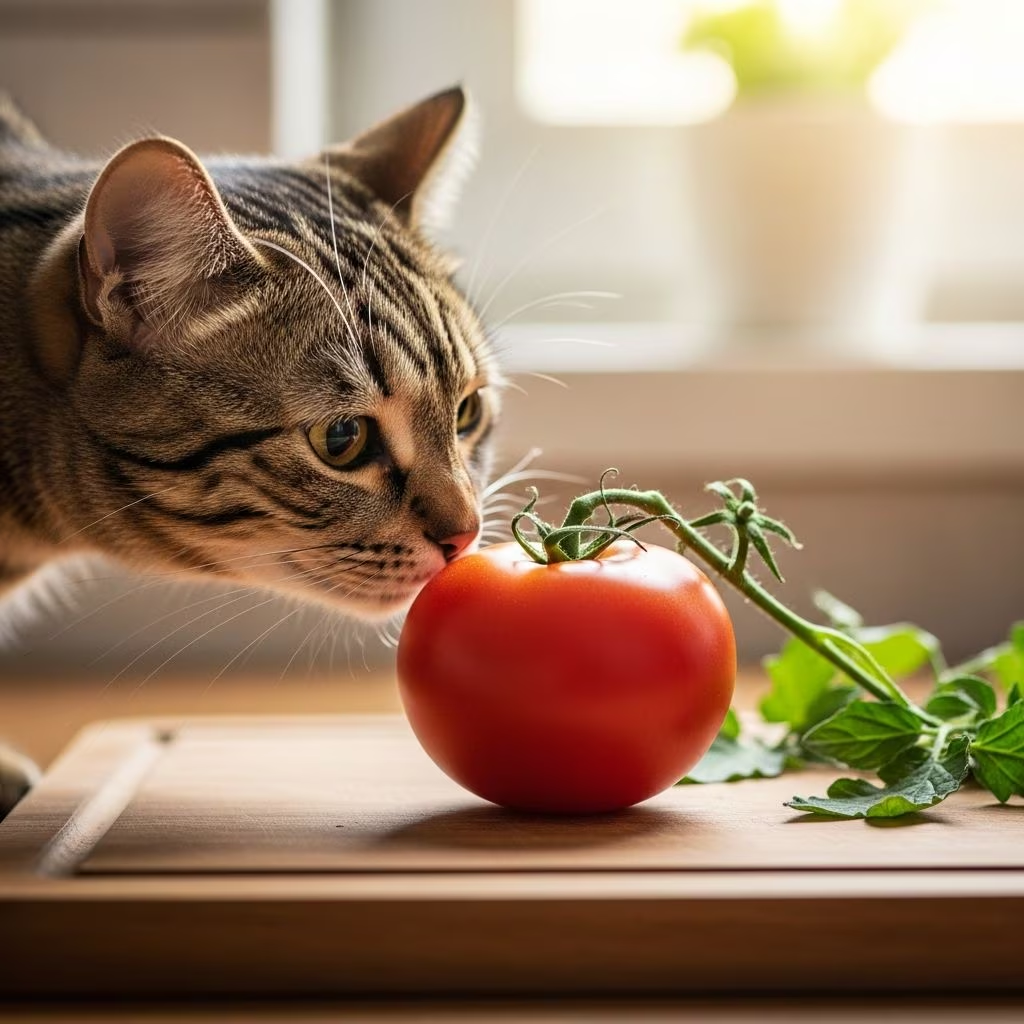
Can Cats Eat Tomatoes? Understanding the Full Picture
As a devoted cat owner, you may wonder whether tomatoes are a safe addition to your feline companion’s diet. The answer is nuanced: while cats can eat ripe tomatoes in very small quantities, caution is essential. Unripe tomatoes and other parts of the tomato plant pose potential toxicity risks that can understandably concern pet parents about their cat’s health. Ripe tomatoes may be technically safe in minimal amounts, but they offer little nutritional benefit and should never replace a balanced, meat-based diet that is crucial for your cat’s overall well-being. Understanding the differences between ripe and unripe tomatoes, as well as the various plant components, is vital for keeping your feline friend safe.
Nutritional Value of Tomatoes for Cats
Tomatoes are renowned for containing vitamins C and K, potassium, and antioxidants that benefit human health. However, these nutritional components offer minimal benefits for cats, making the question of whether to feed tomatoes to your feline a matter of careful consideration. Cats are obligate carnivores, meaning their digestive system is fundamentally designed to extract nutrients from animal proteins rather than plant-based foods.
One key difference lies in how cats process beta-carotene, a compound found in tomatoes. While humans and many other animals can convert beta-carotene into vitamin A, cats cannot utilize this nutrient through this pathway, eliminating one of the purported benefits of tomato consumption. Additionally, although humans value the vitamin C content in tomatoes, this vitamin is not considered essential for cats since they can synthesize their own vitamin C internally, unlike humans. Therefore, any nutritional value from tomatoes is largely considered “filler” nutrition that doesn’t contribute meaningfully to your cat’s dietary needs.
Some sources suggest that minerals such as magnesium, potassium, and antioxidants in tomatoes might help boost your cat’s immune system. However, these benefits are minimal compared to what a high-quality, meat-based cat food provides. Additionally, tomatoes are low in calories, which some pet owners view as an advantage when using them as an occasional treat substitute for commercial cat treats.
When Are Tomatoes Dangerous for Cats?
Tomatoes become genuinely dangerous for cats when they are in an unripe state. The critical distinction between safe and unsafe tomatoes centers on ripeness and plant components. Unripe, green tomatoes contain significantly higher levels of two toxic compounds: solanine and tomatine. These alkaloid chemicals can cause serious toxicity in felines and should be avoided entirely.
Tomatoes belong to the nightshade family, a plant family known for containing similar toxic compounds across its members. When a cat ingests unripe tomatoes or other parts of the tomato plant—including stems, leaves, and the green portions of even ripe tomatoes—they expose themselves to dangerously high levels of solanine and tomatine. By consuming any part of the tomato plant, your pet will be exposed to significant doses of these toxins, which directly impact the central nervous system and can potentially be lethal if consumed in large quantities.
The symptoms of toxicity from unripe tomatoes or plant parts include:
- Vomiting
- Diarrhea
- Abdominal pain
- Drowsiness and lethargy
- Lack of proper coordination
- Weakness and muscle tremors
- Loss of appetite
- Slow heart rate
- Dilated pupils
- Excessive drooling
If your cat shows any of these signs after consuming tomato plant material, immediate veterinary attention is essential. Even minor quantities of unripe fruit or plant matter can provoke clinical signs of toxicity in some cats.
Are Ripe Tomatoes Safe for Cats?
Yes, fully ripe, red tomatoes are generally considered safe for cats to consume in very limited quantities. The key word here is “moderation.” It is widely accepted that ripe tomatoes do not pose the same toxicity risks as their unripe counterparts because the solanine and tomatine levels decrease significantly as the fruit ripens. However, even ripe tomatoes should be offered only very occasionally and in minimal amounts.
When tomatoes reach full ripeness and turn completely red, the toxic alkaloid compounds diminish substantially, making the fruit safe in small doses. However, there is no nutritional necessity for your cat to consume ripe tomatoes, and they should never become a regular part of your feline’s diet. If you choose to offer a small piece of ripe tomato to your cat, ensure it is:
- Completely red with no green coloring
- Fully ripe and soft to the touch
- Plain with no added seasonings, salt, or oil
- Free of all stems, leaves, and green portions
- Given in tiny portions—no more than one or two small slices
- Preferably peeled to remove the skin
While ripe tomatoes are not inherently toxic to cats in the way foods like chocolate or grapes are, they are still not recommended as a regular part of a feline’s diet. The fruit does not provide essential nutrients that your cat cannot obtain from their regular, high-quality cat food.
What Happens If a Cat Eats a Small Amount of Ripe Tomato?
There is no need for extreme concern if your cat accidentally eats a small piece of fully ripe red tomato. A tiny amount of ripe tomato flesh is not harmful to most cats. However, excessive consumption of even ripe tomatoes can lead to gastrointestinal upset, including nausea and an upset stomach, and should be avoided. If your cat consumes a small amount of ripe tomato, monitor them for any unusual symptoms over the following hours. In most cases, no adverse effects will occur.
The safest approach is to ensure your cat never has access to unripe tomatoes, tomato plants, stems, or leaves. If your feline friend shows signs such as drooling, nausea, or vomiting after contact with any part of the tomato plant, contact your veterinarian immediately, even if only minor quantities were consumed. Your veterinarian can provide guidance specific to your cat’s situation and recommend appropriate treatment if necessary.
Tomato Plants and Garden Safety
If you grow tomatoes in your garden or keep potted tomato plants indoors, it is crucial to ensure your cat has no access to them. Curious cats may be attracted to the foliage or may enjoy grazing on houseplants as a pastime, putting them at risk of consuming toxic plant material. All parts of the tomato plant—leaves, stems, flowers, and unripe fruit—contain the toxic alkaloids solanine and tomatine.
The concentration of these toxins is particularly high in green, unripe portions of the plant. A cat that consumes significant amounts of tomato plant material could suffer serious consequences, including neurological symptoms and potential life-threatening complications if not promptly treated by a veterinarian. Consider placing tomato plants in areas of your home that are completely inaccessible to your cat, or ensure robust barriers prevent your feline from reaching the plants.
Tomato Products to Avoid
Beyond fresh tomatoes, there are several tomato products that should never be given to cats. Canned tomatoes, tomato sauces, tomato pastes, and tomato-based condiments are not appropriate for feline consumption. These products often contain added ingredients such as garlic, onions, salt, spices, and preservatives that can be harmful to cats. Additionally, some tomato products may contain added sugars or oils that are not suitable for a cat’s digestive system.
If you prepare homemade cat food, avoid using any tomato-based ingredients. Stick to ingredients specifically recommended by your veterinarian as appropriate for feline nutrition. Commercial cat foods are formulated to meet all of your cat’s nutritional requirements, and home-prepared diets should only be attempted under veterinary supervision.
Safer Alternative Treats for Your Cat
Rather than offering tomatoes to your cat, consider safer alternatives that may provide enrichment and variety without the potential risks. Cooked chicken, turkey, or small amounts of cooked fish are nutritionally appropriate treats that align with your cat’s carnivorous nature. These protein-based options satisfy your cat’s natural dietary needs while providing genuine nutritional value.
Other cat-safe vegetables that offer more nutritional benefit than tomatoes include small amounts of cooked carrots, pumpkin puree, or steamed broccoli. However, vegetables should never comprise a significant portion of your cat’s diet. If you wish to introduce new foods to your cat’s diet, always consult with your veterinarian first to ensure they are appropriate for your individual pet.
How to Safely Feed Tomatoes to Your Cat (If You Choose To)
If you decide to offer your cat a small taste of ripe tomato despite the minimal nutritional benefits, follow these guidelines to minimize any potential risks:
- Select only fully ripe, red tomatoes with no green coloring whatsoever
- Wash the tomato thoroughly to remove any pesticides or herbicides; organic tomatoes are preferable
- Remove all stems, leaves, and green portions completely
- Peel the tomato skin if possible to reduce any potential irritants
- Dice the tomato into very small pieces
- Offer only one or two tiny pieces at most
- Observe your cat for any adverse reactions over the next several hours
- If your cat shows any signs of digestive upset or other symptoms, do not offer tomatoes again
Remember that offering tomatoes to your cat is entirely optional and provides no essential nutritional benefits. Many cats may not be interested in tomatoes at all, and that is perfectly normal and healthy. Your cat’s primary diet should consist of high-quality commercial cat food formulated to meet all their nutritional needs.
Important Considerations for Cat Owners
As obligate carnivores, cats have evolved over thousands of years to thrive on a diet of animal proteins and fats. Their digestive system physiology is fundamentally different from herbivores and omnivores, meaning they cannot extract maximum nutritional benefit from plant-based foods, even those that are technically safe to consume. This biological reality means that while ripe tomatoes may be safe, they are not nutritionally necessary for your cat.
Many cat parents consider adding vegetables to their pets’ diets with the intention of providing health benefits. However, it is important to recognize that the primary nutritional needs of cats revolve around animal protein. While small amounts of certain vegetables can be offered sparingly, they should always be done with awareness of potential risks and with the understanding that they are not essential to your cat’s diet.
Frequently Asked Questions
Q: Can cats eat raw tomatoes?
A: Cats can consume small amounts of raw, fully ripe red tomatoes, but raw consumption is not recommended due to the difficulty in ensuring the fruit is completely ripe and free of all plant parts. If you choose to offer tomatoes, they should be plain and never treated with any seasonings or oils.
Q: What should I do if my cat eats an unripe tomato?
A: If your cat consumes an unripe green tomato or any part of the tomato plant, contact your veterinarian immediately. Do not wait to see if symptoms develop. Provide your vet with details about what was consumed and when. Your veterinarian can monitor your cat and provide treatment if necessary.
Q: Are cherry tomatoes safe for cats?
A: Cherry tomatoes follow the same rules as regular tomatoes. If they are fully ripe, red, and offered in very small amounts, they may be safe. However, cherry tomatoes should never be offered whole due to choking hazards. If you offer cherry tomatoes, cut them into tiny pieces and ensure they are completely ripe.
Q: Can tomato seeds harm my cat?
A: Tomato seeds themselves are not particularly toxic, but they are found inside the fruit along with the flesh. If you offer any ripe tomato to your cat, ensure seeds are removed when possible. The greater concern is the fruit’s overall composition and potential solanine content if not fully ripe.
Q: How much tomato is too much for a cat?
A: Tomatoes should be treated as an occasional novelty, not a regular treat. If you offer tomato at all, limit it to one or two tiny pieces no more than once per month. Excessive consumption can lead to gastrointestinal upset even with ripe fruit.
Q: Is tomato juice safe for cats?
A: Tomato juice and other tomato products are not recommended for cats. Commercial tomato juices often contain added salt, preservatives, and sometimes other ingredients that are not appropriate for feline consumption. Stick to plain water and high-quality cat food for your feline’s hydration needs.
Q: Can kittens eat tomatoes?
A: Kittens should never be offered tomatoes. Young cats are still developing their digestive systems and are more vulnerable to gastrointestinal upset. Additionally, kittens have specific nutritional requirements that are best met through kitten-formulated food, not plant-based treats.
References
- Can Cats Eat Tomatoes? Understanding Risks and Benefits — Jet Pet Resort. 2024. https://jetpetresort.com/blog/pet-care/can-cats-eat-tomatoes-understanding-risks-and-benefits/
- Can Cats Eat Tomatoes? — Wag! (Walking). 2024. https://wagwalking.com/wellness/can-cats-eat-tomatoes
- Can Cats Eat Tomatoes? Vet-Approved Nutritional Science & Info — Catster. 2024. https://www.catster.com/nutrition/can-cats-eat-tomatoes/
- Healthy Delight or a Fright: Can Cats Eat Tomatoes? — Untamed Pet Nutrition. 2024. https://untamed.com/blogs/nutrition/can-cats-eat-tomatoes
- Can Cats Eat Tomatoes? It Depends — Chewy Education. 2024. https://www.chewy.com/education/cat/food-and-nutrition/can-cats-eat-tomatoes



