

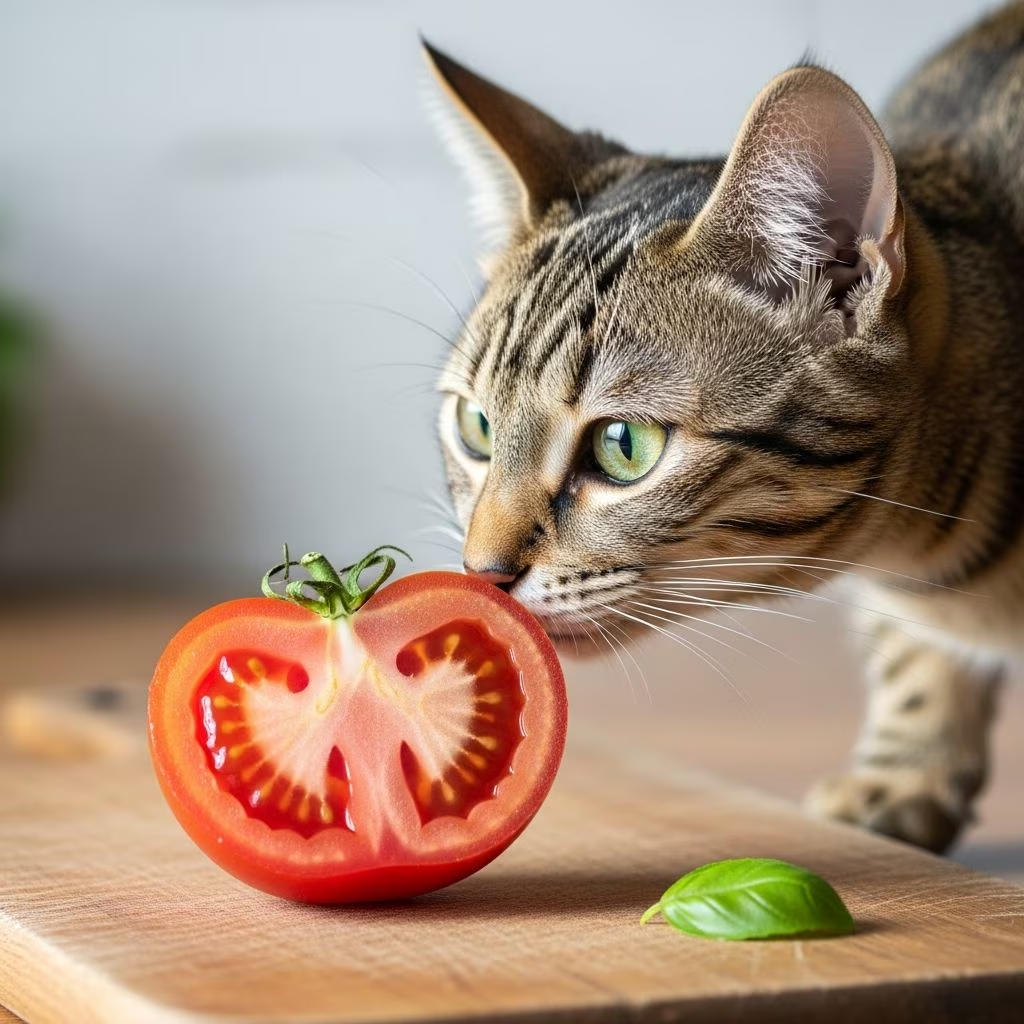
Tomatoes are a staple in human diets, but when it comes to feline friends, caution is key. While ripe, red tomatoes can be offered to cats in very small amounts as an occasional treat, other parts of the tomato plant pose significant risks. Cats are obligate carnivores, meaning their nutrition primarily comes from animal-based proteins, making plant foods like tomatoes unnecessary and potentially problematic. Understanding the differences between safe and dangerous tomato parts is essential for every cat owner to prevent accidental poisoning.
This comprehensive guide explores the safety of tomatoes for cats, delving into nutritional aspects, toxicity risks, specific plant parts, and practical advice. We’ll cover everything from ripe fruit to stems, seeds, sauces, and more, ensuring you have the knowledge to keep your cat healthy.
Are Tomatoes Safe for Cats?
Ripe, red tomatoes—the juicy ones we enjoy in salads—are generally safe for cats when given sparingly. Veterinary experts confirm that small pieces of fully ripened tomato flesh won’t cause harm to most cats. However, moderation is critical; excessive amounts can lead to gastrointestinal upset due to the high water content and acidity, potentially causing vomiting or diarrhea.
Unlike humans, cats lack the enzymes to efficiently digest plant matter. Their short digestive tracts are optimized for meat, so tomatoes provide mostly “filler” calories without substantial benefits. Always wash tomatoes thoroughly and remove any green spots, seeds, or stems before offering a tiny piece—about the size of a pea for an average adult cat.
Tomato Plant Toxicity: What Parts Are Dangerous?
The tomato plant (Solanum lycopersicum) belongs to the nightshade family, which includes potatoes and bell peppers. While the ripe fruit is safe, the green parts contain glycoalkaloids like solanine and tomatine, which are toxic to cats. These compounds act as natural pesticides in plants but can cause severe symptoms in felines if ingested.
Symptoms of tomato plant toxicity include:
- Nausea and drooling
- Vomiting and diarrhea
- Lethargy and weakness
- Abdominal pain
- In severe cases, tremors or neurological issues
If your cat has chewed on tomato vines or eaten green tomatoes, contact a vet immediately. Keep indoor plants and garden tomatoes out of reach, as curious cats may nibble on foliage.
Nutritional Value of Tomatoes for Cats
Tomatoes are packed with nutrients for humans: lycopene (an antioxidant), vitamin C, vitamin K, potassium, folate, and beta-carotene. However, these offer limited value to cats. As obligate carnivores, cats synthesize their own vitamin C and cannot convert beta-carotene to vitamin A—they must get it from animal sources like liver.
A small table summarizing tomato nutrients and cat relevance:
| Nutrient | Human Benefit | Cat Relevance |
|---|---|---|
| Lycopene | Antioxidant for heart health | Minimal; cats don’t process it efficiently |
| Vitamin C | Immune support | Cats produce their own |
| Potassium | Electrolyte balance | Present in meat-based foods |
| Vitamin K | Blood clotting | Better from prey animals |
In short, while not harmful in tiny doses, tomatoes aren’t a superfood for cats. Stick to commercial cat food formulated to meet AAFCO standards for complete nutrition.
Can Cats Eat Green Tomatoes?
No—green, unripe tomatoes are highly toxic due to elevated solanine levels. These levels drop as the fruit ripens to red, but any green portions should be avoided entirely. Even a small bite can trigger digestive distress or worse. If you’re growing tomatoes, harvest and discard unripe ones if cats have access.
Can Cats Eat Tomato Leaves and Stems?
Absolutely not. Tomato leaves and stems are concentrated sources of solanine and tomatine, making them dangerous for cats. Cats may be attracted to the plant’s scent or texture, but ingestion can lead to poisoning. Symptoms appear within hours: monitor for vomiting, loss of appetite, or unusual behavior, and seek veterinary care promptly.
Are Tomato Seeds Safe for Cats?
Seeds from ripe, red tomatoes are not toxic and can pass through a cat’s system harmlessly in small quantities. However, they offer no nutrition and may cause mild irritation. Green tomato seeds contain solanine, amplifying risks. Best practice: scoop out seeds and pulp when sharing a treat to minimize any potential issues.
Can Cats Eat Tomato Sauce or Cooked Tomatoes?
Tomato sauce is risky. Homemade, plain sauce from ripe tomatoes might be okay in minuscule amounts, but store-bought versions contain salt, sugar, garlic, onions, and spices—all toxic to cats. Cooked tomatoes lose some water but retain acidity, potentially upsetting sensitive stomachs. Avoid pizza toppings, pasta sauce, or ketchup entirely.
- Unsafe ingredients in commercial sauces: Onion/garlic (hemolytic anemia), high sodium (heart/kidney strain), spices (GI irritation)
- Safe alternative: Diluted, plain ripe tomato juice (strained, no additives)—but rarely
Health Risks of Feeding Tomatoes to Cats
Beyond toxicity, tomatoes’ acidity can exacerbate conditions like inflammatory bowel disease (IBD) or urinary issues. Large amounts lead to:
- Stomach upset and diarrhea
- Obesity from unnecessary calories
- Nutrient dilution if replacing proper food
- Allergic reactions in sensitive cats
Pregnant cats, kittens, or seniors should avoid them altogether due to delicate systems. Always observe your cat post-treat for 24 hours.
Benefits of Tomatoes for Cats (If Any)
Minimal upsides exist. The hydration from high water content (95%) might appeal in hot weather, and trace antioxidants could support immunity theoretically—but cat food provides better sources. An occasional nibble might entertain a curious cat, but it’s not worth the risks over vet-approved treats like freeze-dried meat.
Safe Treat Alternatives for Cats
Prioritize these cat-friendly options:
- Commercial cat treats (low-calorie, meat-based)
- Plain cooked chicken or fish (no seasoning)
- Catnip or silver vine for fun
- Small pieces of cucumber or pumpkin (vet-approved veggies)
Limit all treats to 10% of daily calories to maintain a balanced diet.
Frequently Asked Questions (FAQs)
Can kittens eat tomatoes?
Kittens have immature digestive systems, so avoid tomatoes entirely. Stick to kitten formula food for optimal growth. Ripe tomatoes pose unnecessary risks.
Are tomatoes toxic to cats?
Ripe red tomatoes: No, in small amounts. Green parts, leaves, stems: Yes, due to solanine.
Can cats eat tomato soup?
No—soups contain salt, onions, and cream, all harmful. Opt for cat broth instead.
Is tomato juice safe for cats?
Plain, strained juice from ripe tomatoes in tiny sips might be okay, but avoid due to acidity.
What if my cat ate a green tomato?
Monitor for symptoms and call a vet or pet poison hotline (e.g., ASPCA at 888-426-4435). Induce vomiting only under professional guidance.
Final Takeaways
In summary, while a fleck of ripe tomato won’t harm your cat, it’s not recommended as a regular treat. Prioritize species-appropriate nutrition to prevent health issues. Consult your veterinarian for personalized advice, especially if your cat has pre-existing conditions.
References
- Can Cats Eat Tomatoes? | Safe or Dangerous for Felines — Feline Fancy. 2023. https://felinefancy.co.uk/blogs/cat-care-tips/can-cats-eat-tomatoes
- Can Cats Eat Tomatoes? Understanding Risks and Benefits — Jet Pet Resort. 2023. https://jetpetresort.com/blog/pet-care/can-cats-eat-tomatoes-understanding-risks-and-benefits/
- Can Cats Eat Tomatoes? Vet-Approved Nutritional Science & Info — Catster. 2024-01-15. https://www.catster.com/nutrition/can-cats-eat-tomatoes/
- Can Cats Eat Tomatoes? It Depends — Chewy. 2023. https://www.chewy.com/education/cat/food-and-nutrition/can-cats-eat-tomatoes
- Is It Normal for My Cat To Eat Tomatoes? — Rover. 2023. https://www.rover.com/blog/can-cats-eat-tomatoes/



