

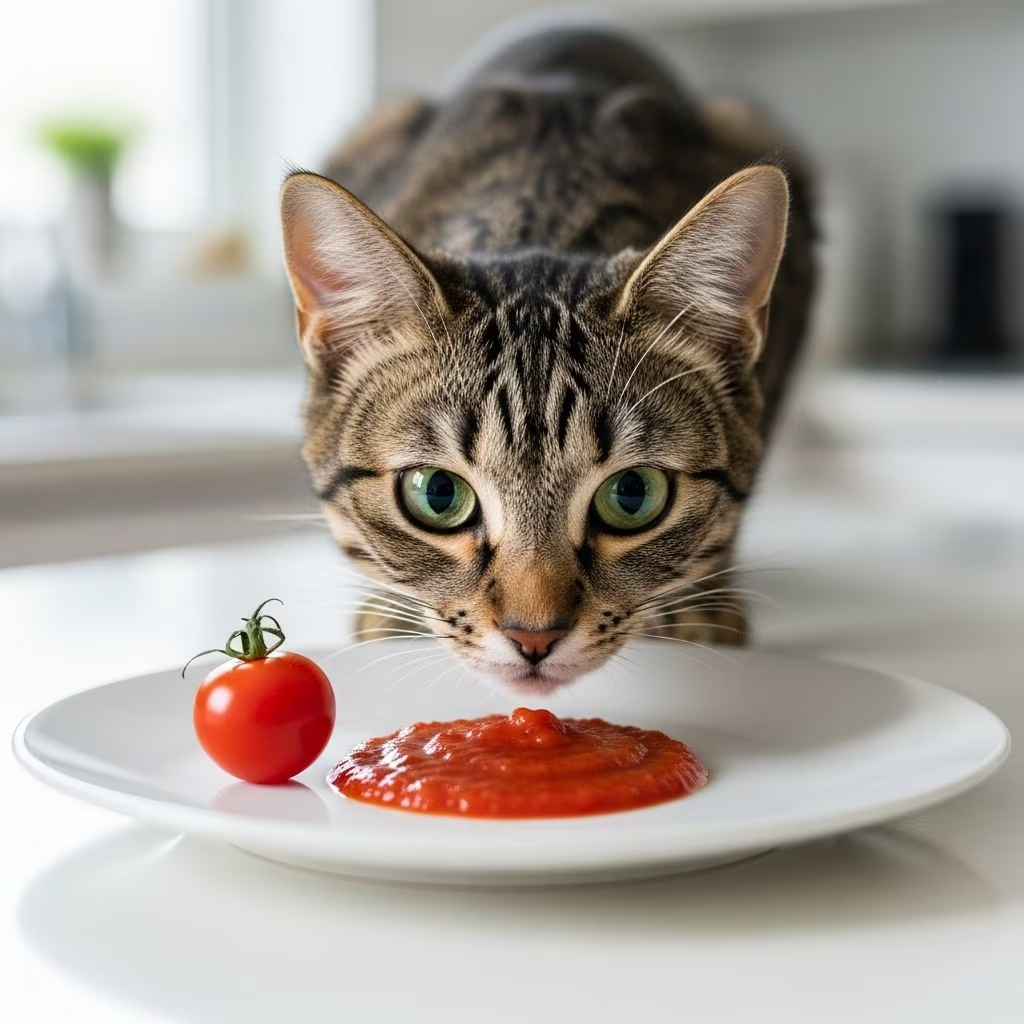
Tomato sauce is a staple in many kitchens, but **can cats eat tomato sauce**? The short answer is no—while ripe tomatoes are generally safe in small amounts, most tomato sauces contain dangerous ingredients like onions, garlic, salt, and spices that can harm cats. This comprehensive guide explores the risks, symptoms, nutritional facts, and safer alternatives to keep your cat healthy.
The Toxic Tomato Plant
Tomatoes belong to the **Solanaceae family** (nightshades), containing **solanine** in green parts like stems, leaves, and unripe fruit, which is toxic to cats and can cause vomiting, diarrhea, weakness, and lethargy if ingested in large amounts. Ripe red tomatoes, however, have low solanine levels and are non-toxic in moderation, though they offer little nutritional value for obligate carnivores like cats.
Why Is Tomato Sauce Bad for Cats?
Tomato sauce isn’t just tomatoes—it’s loaded with feline-toxic additives. Common ingredients pose serious health risks:
- Onions and garlic: Even powdered forms contain thiosulfate, damaging red blood cells and causing hemolytic anemia.
- High salt (sodium): Leads to dehydration, thirst, kidney strain, and sodium ion toxicity.
- Spices (oregano, basil, etc.): Irritate the digestive tract, causing vomiting and diarrhea.
- Sugar and acids: Disrupt metabolism, promote obesity, and upset sensitive stomachs.
- Xylitol or preservatives: Can trigger poisoning in some sauces.
Cats lack the enzymes to process these, making even small licks risky. Plain ripe tomato flesh (under 1 tsp) might not harm but provides no benefits and may cause mild upset.
Nutritional Value of Tomatoes for Cats
Per 100g ripe tomato (USDA data):
| Nutrient | Amount |
|---|---|
| Calories | 18 kcal |
| Potassium | 35.6 mg |
| Phosphorus | 3.6 mg |
| Sodium | 0.75 mg |
| Vitamin C | Present (cats synthesize it) |
Tomatoes are **high in carbohydrates** and low in protein/taurine—essential for cats. They can disrupt feline metabolism and contribute to weight gain or diabetes. Cats are obligate carnivores needing animal-based nutrition; plant foods like tomatoes aren’t suitable.
Symptoms of Tomato Sauce Toxicity in Cats
If your cat ingests tomato sauce, monitor for these signs, especially from onions/garlic (appear 1-5 days later):
- Vomiting and diarrhea
- Drooling and abdominal pain (hunched posture)
- Pale gums, lethargy, weakness
- Increased heart/breathing rate, panting
- Loss of appetite, weight loss
- Fainting/collapse (severe anemia)
High salt may cause excessive thirst, tremors, or seizures. Green tomato ingestion adds tomatine poisoning symptoms like disorientation. Symptoms vary by amount and cat’s health.
What to Do If Your Cat Eats Tomato Sauce
Act fast:
- Remove access: Clean up sauce to prevent more ingestion.
- Don’t induce vomiting: Can worsen issues unless vet advises.
- Contact vet immediately: Share sauce ingredients, amount eaten, symptoms, and cat’s weight/history.
- Follow vet guidance: May involve fluids, blood tests, monitoring, or hospitalization for anemia.
Early intervention prevents complications like organ damage. Vets may use activated charcoal or supportive care.
Safe Alternatives to Tomato Sauce for Cats
Skip tomato sauce—opt for cat-safe treats:
- Commercial cat food/treats: Balanced with taurine and protein.
- Plain cooked meats: Chicken, turkey (no seasoning).
- Catnip or approved veggies: Small bits of pumpkin or carrots for fiber (consult vet).
- Hydration boosters: Cat broths or wet food fountains.
Avoid human foods to prevent begging and nutritional imbalances.
Can Cats Eat Plain Tomatoes?
Ripe tomatoes: Safe in tiny amounts (<1 tsp), but unnecessary and potentially upsetting. Green parts: Toxic due to tomatine/solanine—avoid entirely.
Long-Term Risks of Feeding Tomato Sauce
Repeated exposure risks chronic anemia, kidney disease, obesity, and dental issues from acidity. High carbs unbalance obligate carnivore diets.
Frequently Asked Questions (FAQs)
Is tomato sauce toxic to cats?
Yes, primarily due to onions, garlic, salt—causing anemia, GI upset, and more. Even plain sauce is too acidic/salty.
Can cats eat small amounts of tomato sauce?
No—small amounts still risk toxicity from additives. Better safe than sorry.
What if my cat ate tomato sauce off the floor?
Monitor symptoms and call vet with details. Prompt care is key.
Are there cat-safe tomato products?
No commercial ones; stick to vet-approved foods. Homemade plain tomato puree risky too.
How to stop cats from eating human food?
Store securely, distract with toys/treats, train ‘leave it’.
Conclusion
**Tomato sauce is unsafe for cats** due to toxic additives—protect your pet by keeping it out of reach. Focus on species-appropriate nutrition for a long, healthy life. Consult your vet for personalized diet advice.
References
- Can Cats Eat Tomato Sauce? Safety & Risks Explained — Zoorithm. 2024. https://www.zoorithm.com/cats/can-cat-eat-tomatoe-sauce
- Can Cats Eat Tomato Sauce? — Maven Pet. 2024. https://maven.pet/all-about-pets/pet-care/cat-diet/can-cats-eat-processed-foods/can-cats-eat-tomato-sauce/
- Can Cats Eat Tomato Sauce? Vet-Approved Safety Guide — Alibaba Spice. 2024. https://spice.alibaba.com/spice-basics/can-cats-eat-tomato-sauce
- Can Cats Eat Tomato Sauce? Vet-Reviewed Nutrition & Safety Guide — Catster. 2024. https://www.catster.com/nutrition/can-cats-eat-tomato-sauce/
- Can Cats Eat Tomatoes? — PetMD. 2024. https://www.petmd.com/cat/nutrition/can-cats-eat-tomatoes



