

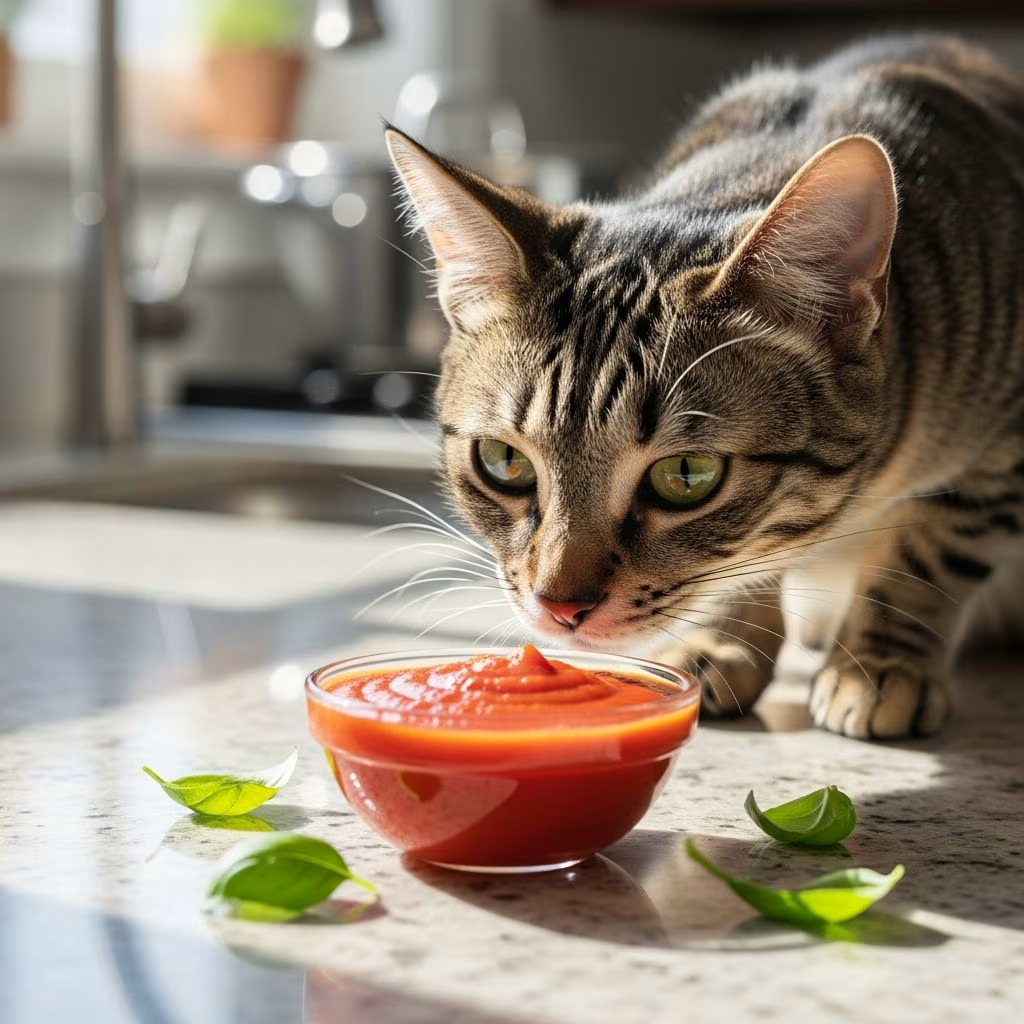
Can Cats Eat Tomato Sauce? Vet-Reviewed Nutrition & Safety Guide
It’s dinner time, and you’re serving up your signature spaghetti dish with jarred tomato sauce. A dollop accidentally hits the floor, and your cat, waiting patiently by your feet, immediately licks it up. Now you’re wondering: “Can cats eat tomato sauce?” The short answer is that while ripe tomatoes are safe, many ingredients commonly found in tomato sauce are dangerous for cats.
As a cat owner, understanding what foods are safe for your feline companion is essential for their long-term health and wellbeing. Tomato sauce presents a common household hazard that many cat owners don’t fully appreciate. This comprehensive guide will help you understand the risks associated with tomato sauce, identify dangerous ingredients, and learn how to keep your cat safe.
The Healthy Tomato: Understanding Nutritional Content
The tomato contains a high concentration of the antioxidant lycopene, which has been proven to provide health benefits to humans. The highest concentration of lycopene is found in the tomato skin, and the redder the skin, the more lycopene is present. Ripe tomatoes also contain several nutrients that are beneficial to human health:
- Potassium: 35.6 mg
- Phosphorus: 3.6 mg
- Sodium: 0.75 mg
Though tomatoes also contain Vitamin C, this particular nutrient isn’t considered essential for cats. Unlike humans, healthy cats can synthesize Vitamin C on their own. While a cat with long-term liver issues or other forms of illnesses might benefit from Vitamin C supplementation, fruits such as tomatoes might not be the best option in such scenarios.
Ripe tomatoes are safe for cats in small amounts, but the green parts of the tomato plant are toxic due to the presence of solanine and tomatine. This distinction is crucial for cat owners to understand when evaluating whether their cat can safely consume tomato-related products.
The Toxic Tomato Plant: Why Green Tomatoes Are Dangerous
Tomatoes are botanically classified as fruit that belongs to the Solanaceae family, commonly known as nightshade vegetables. The tomato plant contains solanine, which can be toxic for animals if eaten in large amounts. While poisoning typically won’t result when cats eat a small amount of the tomato plant, ingestion can lead to serious symptoms.
Tomatoes also contain another toxin known as tomatine. As a toxin, tomatine produces signs similar to solanine. The combination of these two compounds means that green tomatoes and tomato stems pose a genuine health risk to your feline friend. If you suspect your cat may have eaten part of a tomato plant, contact your veterinarian immediately for guidance.
Common symptoms of tomato plant toxicity in cats include:
- Vomiting
- Diarrhea
- Disorientation
- Weakness
- Lethargy
- Abdominal discomfort
It is best to keep your cat away from tomato plants entirely, whether they’re growing in your garden or in indoor planters. Prevention is always the safest approach when dealing with potentially toxic plants.
Tomato Sauce and the Cat: The Real Problem
Now that you understand more about ripe tomatoes versus toxic plant parts, let’s examine whether cats can eat tomato sauce specifically. The answer becomes much clearer when we look at what’s actually in commercial tomato sauces.
Most red sauces have basic ingredients that are not inherently harmful to your cat, such as ripe tomatoes, olive oil, and seasonings like basil. However, homemade and jarred tomato sauces often contain ingredients that pose serious health risks to feline companions.
Dangerous Ingredients Found in Tomato Sauce
Onions and Garlic: Both onions and garlic contain compounds that damage red blood cells, which can lead to hemolytic anemia and gastroenteritis in cats. The symptoms include diarrhea, vomiting, and abdominal pain. Garlic is approximately 5 times more toxic than onions, and considering most tomato sauces contain garlic, it would be safer to keep your cat away from tomato sauce in general. Leeks and chives also belong to the same family as onions and garlic and should be avoided if they are in your sauce.
Oregano: Some homemade and jarred tomato sauces contain oregano, which is toxic to cats. Many cat owners don’t realize that this common herb can cause serious harm to their feline friends.
Excessive Salt: High salt content in tomato sauce can cause dehydration and kidney problems in cats, especially if consumed regularly. Cats have sensitive kidneys, and sodium can strain them significantly.
Sugar and Additives: Sugars and artificial additives offer no nutritional benefit to cats and can contribute to obesity or diabetes over time. These empty calories can disrupt your cat’s metabolism and nutritional balance.
Spices and Seasonings: Various spices and seasonings may irritate your cat’s stomach, causing vomiting or diarrhea, which can lead to dehydration and electrolyte imbalances.
Symptoms of Tomato Sauce Toxicity in Cats
If your cat accidentally ingests tomato sauce, it’s important to watch carefully for signs of toxicity or digestive upset. Early detection allows you to seek veterinary care promptly. Symptoms may vary depending on the amount consumed and the specific ingredients in the sauce.
Watch for these warning signs if your cat eats tomato sauce:
- Vomiting
- Diarrhea
- Drooling
- Abdominal pain (often indicated by a hunched posture)
- Pale gums
- Increased heart rate
- Lethargy and weakness
- Increased breathing rate
- Panting
- Loss of appetite or weight loss
- Fainting or collapse
Vomiting and diarrhea are the most common signs of gastrointestinal irritation caused by spices or garlic in tomato sauce. These symptoms can escalate quickly, particularly if the sauce contained large amounts of onion or garlic powder, which are highly concentrated forms of these toxic compounds.
What to Do If Your Cat Eats Tomato Sauce
Accidental ingestion of tomato sauce can be alarming, but quick action can help prevent serious harm. Here’s a step-by-step guide for what you should do if your cat eats tomato sauce:
Immediate Steps to Take
- Assess the situation: Try to determine how much sauce your cat consumed and check the ingredient list if possible. This information will help your veterinarian assess the risk accurately.
- Remove access: Remove any remaining tomato sauce from your cat’s reach to prevent further ingestion and contamination.
- Do not induce vomiting: Do not induce vomiting unless explicitly instructed by your veterinarian, as this can sometimes cause more harm than good.
- Contact your veterinarian: Contact your veterinarian immediately and provide details about the sauce ingredients and your cat’s symptoms. Be honest about what you know regarding the sauce composition.
- Follow professional guidance: Follow your veterinarian’s instructions carefully, which may include monitoring your cat at home or bringing them in for examination and treatment.
Prompt veterinary care can significantly reduce the risk of complications and ensure your cat recovers safely. Many cases of accidental tomato sauce ingestion resolve well with proper medical supervision and supportive care.
Understanding Cats’ Dietary Needs and Restrictions
To truly understand why tomato sauce is inappropriate for cats, we must first understand feline dietary requirements. Cats are obligate carnivores, meaning their diet must be primarily meat-based. Their bodies are specifically designed to process animal proteins and are not equipped to efficiently handle many plant-based ingredients commonly found in human foods like tomato sauce.
Several nutritional factors make this especially important:
- Taurine Requirement: Cats require amino acids like taurine, which is found only in animal proteins. Tomato sauce lacks this essential nutrient entirely, making it nutritionally worthless for cats.
- Carbohydrate Processing: High carbohydrate or sugar content in tomato sauce can disrupt your cat’s metabolism and contribute to obesity and metabolic diseases.
- Digestive Sensitivity: Acidic ingredients in tomato sauce may upset your cat’s sensitive stomach and cause significant discomfort.
- Behavioral Issues: Feeding human foods regularly can encourage begging behavior and make it harder to maintain a healthy, balanced diet for your cat.
Understanding these dietary needs helps you make better choices and keep your cat healthy and happy throughout their life. Professional cat nutritionists consistently recommend keeping human foods, especially seasoned dishes like tomato sauce, away from cats.
Frequently Asked Questions (FAQs)
Q: Can cats eat plain tomatoes?
A: Ripe plain tomatoes are generally non-toxic in very small amounts. However, green tomatoes and stems contain solanine, which is toxic to cats. It’s best to avoid feeding tomatoes to your cat altogether, as they provide minimal nutritional benefit and pose unnecessary risks.
Q: Is tomato sauce toxic to cats?
A: Tomato sauce is toxic to cats mainly because of added ingredients like onions, garlic, salt, and spices, which can cause serious health problems including anemia, gastroenteritis, and kidney issues. The ripe tomatoes themselves are less concerning than these dangerous additives.
Q: What should I do if my cat eats tomato sauce?
A: Remove access to the sauce, observe your cat for symptoms of toxicity, and contact your veterinarian immediately for advice and possible treatment. Time is essential when dealing with potential poisoning cases.
Q: Can cats eat ketchup?
A: Ketchup contains similar harmful ingredients as tomato sauce, including sugar, salt, garlic, and spices, making it unsafe for cats and should be avoided completely.
Q: Can cats eat tomato-based pasta sauce?
A: Homemade tomato-based pasta sauces may be safer if you make them yourself without onions, garlic, oregano, or excessive salt. However, jarred pasta sauces almost always contain these dangerous ingredients and should be kept away from cats.
Q: What are safe alternatives to tomato sauce for my cat?
A: Safe treat options include small portions of cooked chicken, turkey, or fish without seasoning, as well as cat-specific treats formulated to meet their nutritional needs. Always consult your veterinarian before introducing new foods.
Conclusion: Keeping Your Cat Safe
Ultimately, while ripe tomatoes are relatively safe in minimal amounts, tomato sauce is bad for cats and should be kept from your feline companion unless you have made it yourself and know exactly what is in it. The risks associated with common sauce ingredients far outweigh any potential benefits.
To protect your cat’s health, educate yourself about what ingredients and foods are toxic for cats and which signs your cat might exhibit while experiencing a toxic reaction. Keep tomato sauce and other common human foods away from your cat’s access. If you have questions or concerns regarding your cat’s health and diet, please consult with your veterinarian. They can provide personalized guidance based on your cat’s individual health status and nutritional requirements.
By understanding these dietary restrictions and being proactive about prevention, you can help ensure your cat enjoys a long, healthy, and happy life free from accidental food poisoning and nutritional imbalances.
References
- Can Cats Eat Tomatoes? — PetMD. https://www.petmd.com/cat/nutrition/can-cats-eat-tomatoes
- Can Cats Eat Tomato Sauce? Safety & Risks Explained — Zoorithm. https://www.zoorithm.com/cats/can-cat-eat-tomatoe-sauce
- Can Cats Eat Tomatoes? It Depends — Chewy. https://www.chewy.com/education/cat/food-and-nutrition/can-cats-eat-tomatoes
- Is It Normal for My Cat To Eat Tomatoes? — Rover.com. https://www.rover.com/blog/can-cats-eat-tomatoes/
- USDA FoodData Central — United States Department of Agriculture. https://fdc.nal.usda.gov/



