

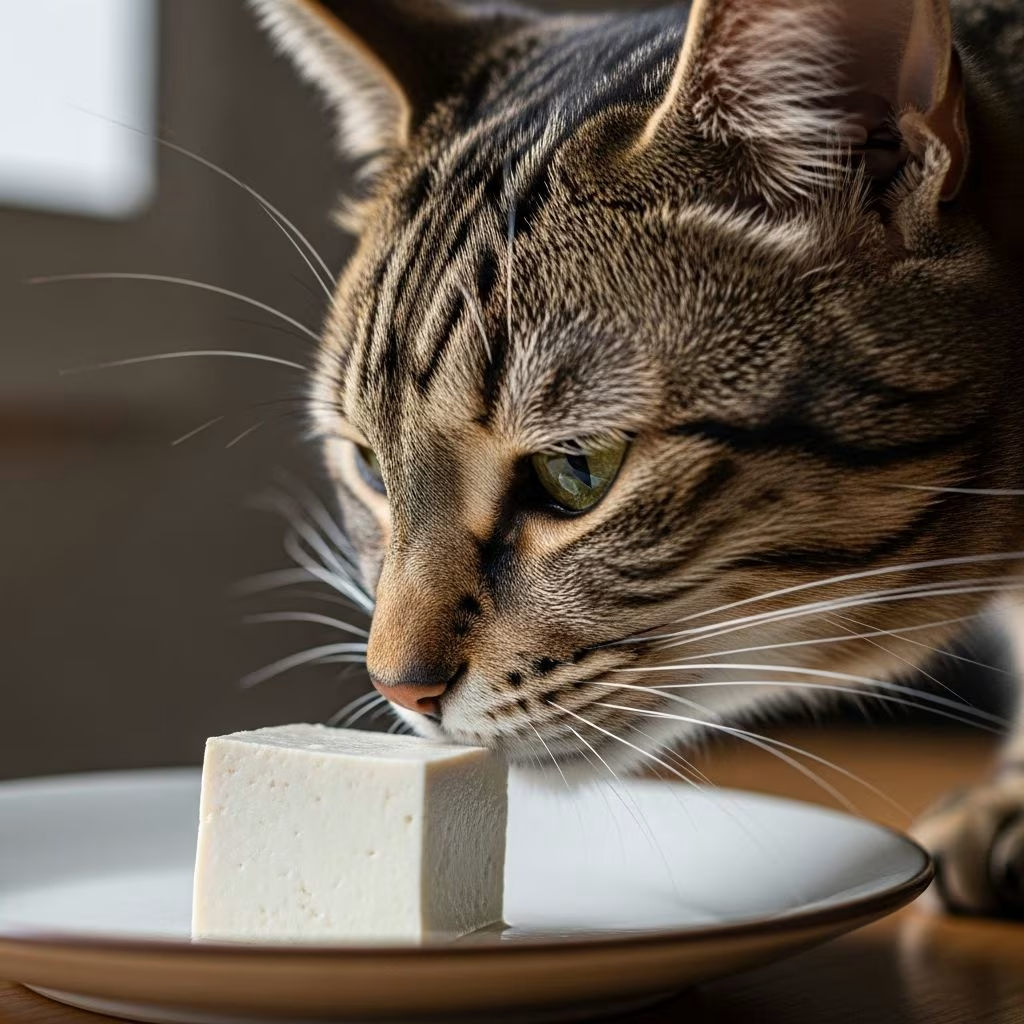
Cats can eat small amounts of plain, unseasoned tofu as an occasional treat since it is not toxic, but it provides no significant nutritional benefits and should never replace their meat-based diet.
What Is Tofu?
Tofu, also known as bean curd, is a versatile food made by curdling soy milk from soybeans and pressing the resulting curds into soft white blocks. It comes in various textures—silken, soft, firm, and extra-firm—and is a staple in many vegetarian and vegan diets due to its mild flavor and ability to absorb seasonings.
Originating from China over 2,000 years ago, tofu is prized for its high protein content and low calorie profile. For humans, it offers plant-based protein, iron, calcium, and other minerals. However, cats are obligate carnivores, meaning their biology is adapted to derive nutrients primarily from animal sources, raising questions about tofu’s suitability for feline consumption.
Can Cats Eat Tofu?
Yes, cats can eat tofu in small quantities, but it is not recommended as a regular part of their diet. Tofu is non-toxic to cats and may appeal to some due to its soft, chewy texture, but it lacks the essential nutrients cats require, such as taurine, preformed vitamin A, and specific amino acids found only in meat.
Veterinarians generally agree that plain tofu is safe occasionally for most healthy cats, but seasoned varieties with garlic, onions, salt, or oils are dangerous due to toxic ingredients. Always introduce new foods gradually and monitor for adverse reactions like vomiting or diarrhea.
Nutritional Value of Tofu for Cats
Tofu is rich in plant-based protein, containing all nine essential amino acids, iron, calcium, magnesium, phosphorus, and B vitamins, making it nutritious for humans. A 100g serving provides about 8g of protein, 4g of fat, and 70 calories, with no cholesterol.
However, for cats, these benefits are limited. Cats cannot efficiently utilize plant proteins as their primary source because they lack certain enzymes to break down soy compounds like raffinose and stachyose, which can cause gas and digestive upset. Moreover, tofu lacks **taurine**, an amino acid critical for heart health, vision, and reproduction, which cats must obtain from animal tissues.
- Protein: Plant-based, incomplete for cats’ needs compared to animal protein.
- Fats: Low in saturated fats but insufficient for feline energy requirements.
- Minerals: Calcium and iron present, but cats need bioavailable forms from meat.
- Carbs/Sugars: Contains indigestible oligosaccharides leading to bloating.
Studies from veterinary sources emphasize that while tofu offers some protein, it cannot meet the high-quality, animal-derived nutrition cats evolved to consume.
What Do Cats Require in Their Diet?
As obligate carnivores, cats derive nearly all nutrition from animal sources. Their diet must include high levels of animal protein (at least 26% for adults per AAFCO standards), fats for energy, and specific nutrients they cannot synthesize.
| Nutrient | Why Cats Need It | Found In | In Tofu? |
|---|---|---|---|
| Taurine | Heart, eye, reproductive health | Meat, fish | No |
| Preformed Vitamin A | Vision, skin, immune function | Liver, animal tissues | No (plant beta-carotene not convertible) |
| Animal Protein | Muscle repair, energy | Meat sources | Plant-based only |
| Arachidonic Acid | Skin/coat health | Animal fats | No |
| Niacin (Vitamin B3) | Metabolism | Meat (not plant forms) | Limited bioavailability |
Cats in the wild hunt prey providing these exact nutrients. Commercial cat foods are formulated to mimic this profile. Tofu, being plant-derived, fills none of these gaps adequately and can disrupt balance if overfed.
Benefits of Tofu for Cats
While not nutritionally ideal, tofu has minor upsides as a low-calorie treat:
- Low-Calorie Snack: Ideal for overweight cats; fewer calories than many treats help with weight management.
- Texture Variety: Some picky eaters enjoy the squishy feel, encouraging eating during illness or transitions.
- Lactose-Free Alternative: Safer than dairy for lactose-intolerant cats.
- Hydration Boost: High water content (85-95%) aids hydration in small doses.
These benefits are secondary; they do not outweigh the need for a meat-centric diet.
Risks and Dangers of Tofu for Cats
Despite being non-toxic, tofu poses risks:
- Digestive Issues: Raffinose and stachyose ferment in the gut, causing gas, diarrhea, vomiting, or bloating.
- Soy Isoflavones: Phytoestrogens may disrupt thyroid function or hormones if fed excessively.
- Soy Allergies: Rare but cause itching, swelling, GI upset; symptoms mimic food intolerance.
- Nutrient Dilution: Replacing meat leads to taurine deficiency, risking blindness, heart disease (dilated cardiomyopathy).
- Seasoned Tofu: Garlic, onions, salt, chives are toxic; even spices irritate stomachs.
Long-term soy consumption may affect thyroid hormone production, per veterinary insights.
How to Safely Feed Tofu to Cats
If offering tofu:
- Choose plain, firm or extra-firm varieties; avoid silken if chewing is an issue.
- Use unseasoned, organic tofu without additives.
- Portion: Pea-sized for kittens, dime-sized for adults; max 10% of daily calories.
- Cook lightly (steam/boil) to improve digestibility; never raw or fried.
- Introduce slowly over days, watching for reactions.
- Consult vet first, especially for kittens, seniors, or health conditions.
Store in fridge; discard after 2 days. Mix tiny bits into wet food if needed.
Alternatives to Tofu for Cats
Better treat options include:
- Commercial Cat Treats: Formulated with taurine.
- Cooked Meat: Chicken, turkey, fish (plain, boneless).
- Veggies: Steamed pumpkin or carrots for fiber (small amounts).
- Fish Oil: For omega-3s.
- Freeze-Dried Meats: Nutrient-dense snacks.
These align with feline needs without risks.
Frequently Asked Questions (FAQs)
Is tofu toxic to cats?
No, plain tofu is not toxic, but avoid seasoned versions and limit intake to prevent digestive issues.
Can tofu replace meat in my cat’s diet?
Absolutely not; cats require animal-based proteins and nutrients tofu lacks, leading to serious deficiencies.
How much tofu can I give my cat?
Very small amounts occasionally—less than 5-10% of calories; treat, not staple.
What if my cat ate a lot of tofu?
Monitor for vomiting/diarrhea; contact vet if symptoms persist or worsen.
Is tofu litter safe if eaten?
Tofu-based litters are non-toxic in small amounts but not food; discourage ingestion.
Can kittens eat tofu?
No, stick to kitten formula; their needs are higher for growth nutrients.
References
- Can Cats Eat Tofu? – Custom Pet Portraits — NextGenPaws. 2023. https://nextgenpaws.pet/blogs/news/can-cats-eat-tofu
- Can Cats Eat Tofu? Safe Feeding Guide — Zoorithm. 2024. https://www.zoorithm.com/cats/can-cat-eat-tofu
- Can Cats Eat Tofu? Vet-Verified Facts — Huston Veterinary Clinic. 2023. https://hustonveterinary.com/can-cats-eat-tofu/
- Can Cats Eat Tofu? Vet-Reviewed Facts & FAQ — Catster. 2024-05-15. https://www.catster.com/nutrition/can-cats-eat-tofu/
- Can Cats Eat Tofu? Vet-Verified Facts & Safety Guide — Hepper. 2023. https://articles.hepper.com/can-cats-eat-tofu/
- Nutritional Requirements for Cats — Association of American Feed Control Officials (AAFCO). 2024. https://www.aafco.org



