

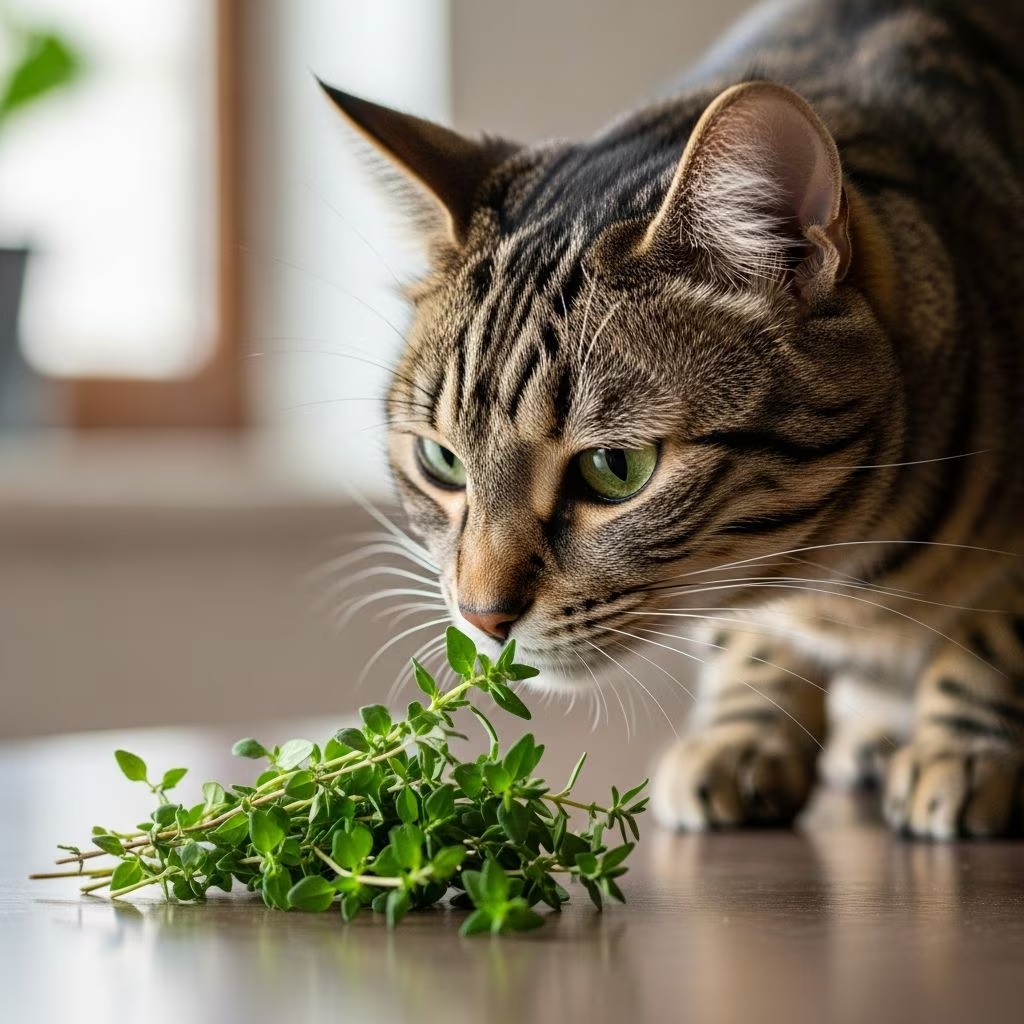
Can Cats Eat Thyme? Vet-Reviewed Facts
If you’re an herb enthusiast with a feline companion at home, you may have wondered whether your cat can safely enjoy thyme alongside your culinary adventures. The straightforward answer is yes—cats can eat thyme safely in small amounts. However, like many things in pet nutrition, the details matter significantly. Understanding the nuances of thyme consumption, potential benefits, and important safety considerations will help you make informed decisions about introducing herbs into your cat’s environment and diet.
Thyme (Thymus vulgaris) is a popular culinary herb known for its aromatic properties and potential health benefits in human nutrition. When it comes to feline safety, multiple authoritative sources confirm that thyme is non-toxic to cats. This means that accidental exposure or small intentional portions will not poison your beloved pet. However, this does not mean thyme should become a regular staple of your cat’s diet or that all forms of thyme are equally safe for consumption.
Is Thyme Toxic to Cats?
The good news for cat owners is that thyme itself is not considered a toxic plant for felines. The ASPCA, a trusted authority on pet toxicology, explicitly lists thyme as non-toxic to cats and dogs. Cornell University veterinary resources and PetMD also confirm that thyme is not poisonous to cats. This veterinary consensus provides reassurance that occasional exposure poses minimal risk.
However, it is crucial to distinguish between thyme as a fresh herb and thyme in concentrated forms. Fresh thyme leaves contain the herb in its natural state with compounds diluted throughout the plant material. The key compound of concern in thyme is thymol, an essential oil component that possesses antiseptic properties. In small amounts found in fresh leaves, thymol is unlikely to cause harm. When thyme is processed into essential oil form, thymol becomes highly concentrated, fundamentally changing the safety profile.
Thyme essential oil is toxic to cats and should never be administered to or applied on your feline. The concentrated nature of essential oils means that even small amounts can cause serious adverse reactions. This distinction is vital because some pet owners might assume that if fresh thyme is safe, essential oil would be acceptable as well. This assumption could lead to dangerous situations.
Health Benefits of Thyme for Cats
Beyond safety considerations, thyme has been proposed to offer several potential health benefits for cats. While research specifically on feline thyme consumption remains limited, traditional herbalism and preliminary evidence suggest the following advantages:
- Digestive Support: Thyme is considered safe for cats and has been proposed to help improve digestive system health. The herb’s mild properties may assist in maintaining gastrointestinal balance, though this benefit should not be overstated or used as a substitute for veterinary care.
- Antimicrobial Properties: Thyme contains compounds that possess antiseptic and antibacterial qualities. For cats, these properties might theoretically support immune function, though conclusive evidence in felines is limited.
- Parasitic Control: Some sources suggest thyme may help kill intestinal worms and prevent fungal growth. However, these traditional uses should not replace veterinary-prescribed parasite medications, which are scientifically proven and specifically formulated for cats.
- Respiratory Support: In humans, thyme is known to help reduce coughing symptoms and support respiratory health. Whether cats derive similar benefits remains unclear without specific feline research.
It is important to emphasize that thyme is not essential for your cat’s diet. Cats are obligate carnivores whose nutritional needs are best met through high-quality commercial cat food or veterinarian-approved supplements. Any herbal additions should be considered supplementary and should never replace proper veterinary nutrition or medical treatment.
Risks and Potential Side Effects
While small amounts of fresh thyme are generally safe, cats can experience adverse reactions, particularly when exposed to excessive amounts or concentrated forms. Understanding these risks is essential for responsible pet ownership.
Gastrointestinal Upset
The most common risk associated with thyme consumption in cats is gastrointestinal distress. Cats have sensitive digestive systems, and introducing new foods or herbs can trigger upset stomach, vomiting, or diarrhea. When cats consume excessive amounts of thyme, they may experience abdominal discomfort and changes in bowel movements. This is particularly likely if a cat eats an entire plant rather than a few leaves accidentally nibbled from a garden.
Thyme Essential Oil Toxicity
Thyme essential oil poses serious health risks to cats and should be completely avoided. The concentrated phenols in thyme oil can cause:
- Respiratory distress, including coughing, wheezing, and difficulty breathing
- Drooling and oral irritation
- Lethargy and weakness
- Liver damage with prolonged exposure
- Neurological symptoms
- Skin irritation if applied topically
Exposure to thyme oil vapors—whether from diffusers, topical applications, or ingestion—can irritate a cat’s sensitive respiratory system and cause lasting damage. Never use thyme essential oil in diffusers if your cat has access to that room, and never apply it directly to your cat’s skin or fur.
Allergic Reactions
Individual cats may develop allergic sensitivities to thyme, even though the herb is generally recognized as safe. Allergic responses can include itching, skin redness, hives, or gastrointestinal symptoms. If your cat shows signs of an allergic reaction, discontinue thyme immediately and consult your veterinarian.
Cats with Underlying Health Conditions
Cats with chronic kidney disease or other serious health conditions may need to avoid even safe herbs. Since herbal compounds can affect kidney function and medication interactions, always consult your veterinarian before introducing any new herb to a cat with existing medical conditions.
Thyme and Flea Prevention: Separating Fact from Fiction
Thyme has traditional flea-repellent properties, and some pet owners are intrigued by the idea of using it as a natural flea deterrent for their cats. However, the effectiveness and safety of thyme for flea prevention in cats is not well established. While thyme may have insecticidal properties in theory, this does not mean it is either effective or safe when used on cats in practice.
If you are interested in exploring thyme as a potential flea deterrent, you must consult your veterinarian first. Never attempt to use thyme oil, dried thyme, or other concentrated forms as a flea treatment without explicit veterinary approval. Modern, science-backed flea prevention medications are far more reliable and have been thoroughly tested for feline safety.
Safe Ways to Introduce Thyme to Your Cat
If you decide to offer thyme to your cat, following proper safety protocols is essential. Here are guidelines for safe introduction:
| Method | Safety Level | Guidelines |
|---|---|---|
| Fresh thyme leaves (1-2 leaves) | ✅ Safe | Monitor for vomiting or diarrhea over 24 hours |
| Thyme in commercial cat treats | ⚠️ Use caution | Check label for essential oils or high concentrations; avoid products with >0.5% thyme concentration |
| Dried thyme in homemade treats | ⚠️ Use caution | Use sparingly only after confirming your cat tolerates fresh thyme well |
| Thyme essential oil diffusers | ❌ Never safe | Immediate removal required; oils cause severe respiratory distress |
| Thyme oil applied topically | ❌ Never safe | Can cause severe skin and systemic reactions |
When introducing thyme to your cat for the first time, start with an extremely small amount—just one or two fresh leaves. Observe your cat carefully over the next 24 hours for any signs of digestive upset, behavioral changes, or allergic reactions. If your cat shows any unusual symptoms, discontinue thyme immediately and contact your veterinarian.
If you grow thyme in an herb garden, place the plant in an area your cat cannot easily access to prevent overeating or excessive chewing. Some cats may become more interested in the plant than others, so preventing unsupervised access is important. Keep dried thyme in sealed containers away from your cat’s reach.
What to Do If Your Cat Ingests Thyme
If you discover that your cat has consumed thyme, your response should depend on the amount and form of thyme involved:
- A leaf or two from fresh thyme: Monitor your cat for 24 hours. Mild, temporary diarrhea may occur but typically resolves without treatment. Contact your veterinarian if symptoms persist beyond 24 hours.
- An entire fresh thyme plant: Contact your veterinarian for guidance, as excessive consumption could cause more significant gastrointestinal upset.
- Thyme essential oil: Seek immediate veterinary attention. Do not induce vomiting, as this can cause esophageal damage. Contact a pet poison control center if your veterinarian is unavailable.
- Thyme-containing product with unknown additives: Check the label for toxic ingredients such as eucalyptus oil or tea tree oil. If the product contains these or if you’re unsure of contents, contact your veterinarian or poison control.
Remember that you should never induce vomiting if your cat consumes thyme, as this can cause esophageal damage. Unless your veterinarian specifically recommends it, allow the plant material to pass through your cat’s digestive system naturally while monitoring for symptoms.
Safe Herb Alternatives for Cats
If you want to introduce herbs to your cat’s environment or diet, several alternatives are considered safe options:
- Catnip (Nepeta cataria): Most cats respond positively to catnip with enthusiasm and excitement. It is completely safe and can provide mental enrichment.
- Cat Thyme (Teucrium marum): Despite its name, this plant is distinct from culinary thyme and is safe for cats. Many cats enjoy its aromatic properties.
- Valerian Root: Safe for cats and can promote relaxation. Some cats find it appealing, though others show little interest.
- Basil and Rosemary: Both herbs are safe for cats in moderation and can be used similarly to thyme.[10]
Conversely, avoid offering your cat parsley, chives, mint, lilies, or other herbs known to be toxic. When growing an herb garden with pets in mind, maintain separate pots to prevent accidental ingestion of toxic plants.
Creating a Cat-Safe Herb Environment
If you maintain an herb garden while sharing your home with cats, strategic planning helps minimize risks. Place thyme and other cat-safe herbs in areas where your cat cannot easily access them unsupervised. This prevents overindulgence while still allowing you to enjoy the herbs for your own culinary purposes. Label all containers clearly so household members know which plants are safe and which should be kept away from cats.
Consider creating a dedicated cat-friendly herb area with catnip, cat thyme, or other approved herbs in separate containers. This gives your cat appropriate plants to investigate while protecting your culinary herbs from feline exploration.
Frequently Asked Questions
Q: Is thyme toxic to cats?
A: No, fresh thyme is non-toxic to cats according to the ASPCA and other veterinary authorities. However, thyme essential oil is toxic and should never be used around or on cats.
Q: Can I give my cat thyme regularly?
A: While cats can have thyme, it is best provided as an occasional treat rather than a regular diet addition. Thyme is not essential for feline nutrition and should never replace a complete, balanced cat food.
Q: How much fresh thyme is safe for cats?
A: Small amounts are safest—typically one to two fresh leaves. Cats rarely eat herbs intentionally, so accidental nibbling from your garden poses minimal risk if monitored.
Q: What should I do if my cat eats thyme essential oil?
A: Seek immediate veterinary attention. Do not induce vomiting. Contact a pet poison control center if emergency veterinary care is unavailable.
Q: Can thyme help treat my cat’s health issues?
A: While thyme has been proposed to support digestive health and possess antimicrobial properties, these benefits are not definitively proven in cats. Always consult your veterinarian before using herbs to address health concerns. Never replace prescribed medications or professional veterinary care with herbal remedies.
Q: Is dried thyme as safe as fresh thyme?
A: Dried thyme is more concentrated than fresh thyme, making it slightly less safe. Use dried thyme sparingly in homemade treats only after confirming your cat tolerates fresh thyme well. Always avoid dried thyme oils or powders marketed as supplements without veterinary approval.
Q: Can I use thyme in my cat’s flea prevention routine?
A: The effectiveness and safety of thyme for flea prevention in cats is not well established. Consult your veterinarian before attempting any herbal flea treatment. Modern, science-backed flea prevention medications are more reliable and have been thoroughly tested for cat safety.
Q: What safe herbs can I grow in my garden if I have cats?
A: Cat-safe herbs include catnip, cat thyme, valerian root, basil, rosemary, and parsley in moderation. Keep toxic herbs like lilies and chives in separate areas or containers where cats cannot access them.
References
- Can Cats Eat Thyme? Safety & Benefits Guide — Zoorithm. 2024. https://www.zoorithm.com/cats/can-cat-eat-thyme
- Is Thyme Safe for Cats? Vet-Verified Safety Guide — Alibaba Spice. 2024. https://spice.alibaba.com/spice-basics/is-thyme-safe-for-cats
- Can Cats Eat Thyme? Vet-Verified Facts — Huston Veterinary. 2024. https://hustonveterinary.com/can-cats-eat-thyme/
- Can Cats Eat Thyme? Vet-Verified Facts & Safety Guide — Hepper. 2024. https://articles.hepper.com/can-cats-eat-thyme/
- Can Cats Eat Thyme? Vet-Reviewed Facts — Catster. 2024. https://www.catster.com/nutrition/can-cats-eat-thyme/
- Thyme — Toxic and Non-toxic Plants — ASPCA. 2024. https://www.aspca.org/pet-care/aspca-poison-control/toxic-and-non-toxic-plants/thyme



