

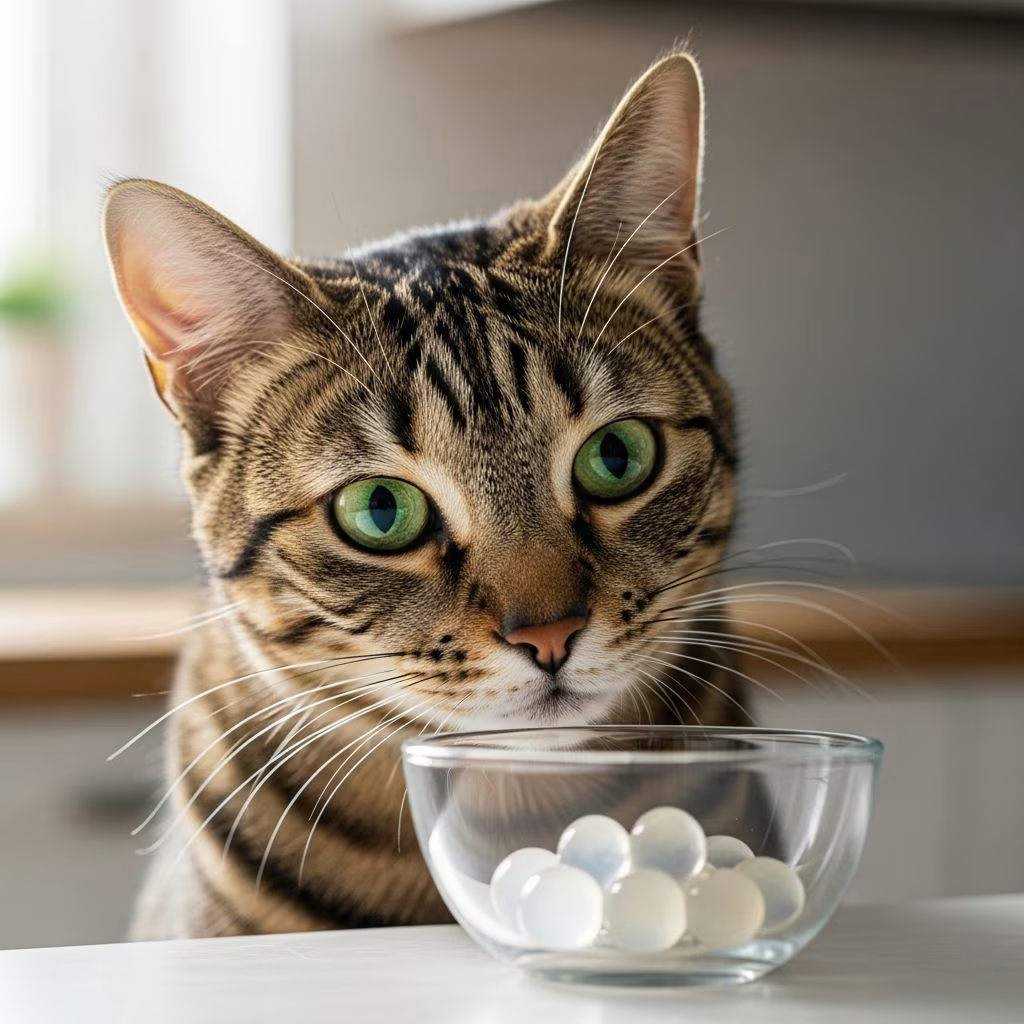
Tapioca, derived from the cassava root, is a starchy ingredient commonly found in human foods like puddings and bubble tea. For cat owners, a key question arises: can cats eat tapioca? The short answer is yes, tapioca is not toxic to cats and appears in many reputable dry cat food formulas as a binder. However, feeding plain tapioca or tapioca-based treats like pudding is not recommended due to potential digestive upset from sugars, milk, or excessive carbohydrates—not the tapioca itself.
Cats are obligate carnivores, meaning their diet should primarily consist of animal-based proteins. While small amounts of tapioca won’t harm them, it provides little nutritional value compared to meat sources. This article dives deep into tapioca’s properties, its role in feline nutrition, safety considerations, and expert advice to help you make informed choices for your cat’s diet.
What Is Tapioca?
Tapioca is a gluten-free starch extracted from the cassava root (Manihot esculenta), a plant native to South America. It comes in forms like flour, pearls, or flakes and is prized for its neutral flavor, thickening properties, and ability to create chewy textures in foods. In processing, the cassava root is peeled, grated, washed to remove toxins like cyanide (present in raw form), dried, and ground into starch.
Key characteristics include:
- High carbohydrate content: Primarily starch, providing quick energy.
- Gluten-free: Safe for those with celiac disease or gluten sensitivities.
- Neutral taste: Absorbs flavors well, making it versatile in recipes.
- Binding agent: Gelatinizes when cooked, helping form solid structures in foods.
In human cuisine, tapioca stars in puddings, soups, and beverages like boba tea. But how does this translate to cat nutrition?
Health Benefits of Tapioca for Humans
While tapioca isn’t a nutritional powerhouse, it offers several benefits for people when consumed in moderation:
- Rich in starch for energy: High in carbohydrates, it provides a fat-free energy boost, ideal for active lifestyles. Its high glycemic index means it raises blood sugar quickly, so diabetics should limit intake.
- Supports digestion: Soluble fibers promote regular bowel movements and help alleviate constipation.
- Mineral source: Contains iron (helps prevent anemia), potassium (supports heart health), and magnesium (aids muscle function).
- Satiating thickener: Expands in the stomach, promoting fullness in low-calorie dishes.
- Gluten-free alternative: Perfect for baking or thickening without gluten, benefiting those with intolerances.
These perks make tapioca popular in vegan, paleo, and gluten-free diets. However, cats process carbohydrates differently due to their short digestive tracts and lack of certain enzymes, limiting these benefits for felines.
Is Tapioca Safe for Cats?
Yes, tapioca is safe and non-toxic for cats. Veterinary sources confirm that small amounts pose no immediate danger, and it’s a common ingredient in commercial cat foods. Unlike grapes or chocolate, tapioca doesn’t contain compounds harmful to felines.
Potential risks arise from preparations, not the starch itself:
- Tapioca pudding: High sugar and dairy content can cause vomiting, diarrhea, or gas. Lactose-intolerant cats (most adults are) may suffer digestive issues from milk.
- Boba pearls: Coated in sugary syrups or served in caffeinated tea, which is toxic due to caffeine.
- Plain pearls or flour: Excessive dry intake could lead to constipation as tapioca absorbs moisture, but this is rare in normal scenarios.
If your cat sneaks a few pearls, monitor for upset stomach but don’t panic—contact a vet only if symptoms like persistent vomiting occur.
Tapioca in Cat Food: Why It’s Used
Commercial cat foods, especially dry kibble, often list tapioca starch. It’s not a filler but serves functional purposes:
| Purpose | Benefit in Cat Food |
|---|---|
| Binding Agent | Gelatinized starch holds kibble shape, preventing crumbling during manufacturing and storage. |
| Texturizer | Thickens wet foods and improves mouthfeel in kibble. |
| Grain-Free Option | Replaces wheat or corn in limited-ingredient or grain-free formulas, appealing to owners avoiding grains. |
| Flavor Enhancer | Contributes to palatability through carbohydrate-protein interactions. |
Grain-free cat foods frequently use tapioca, potatoes, or peas as carb sources. While safe, these don’t replace the need for high protein (at least 26-30% dry matter basis for adults/kittens). Studies show cats digest starches reasonably well when processed (cooked and gelatinized), countering myths that carbs are inherently harmful.
Understanding Cat Nutrition as Obligate Carnivores
Cats evolved eating high-protein, low-carb prey like rodents and birds. Their nutritional needs include:
- High protein: 26-30% minimum for maintenance/growth.
- Taurine and arginine: Essential amino acids only from animal sources.
- Fats for energy: Preferred over carbs.
- Low carbs ideally: Under 25% for optimal health, though processed carbs are tolerable.
Myths persist: “Cats can’t digest carbs” or “grains are fillers.” In reality, cats metabolize starches via amylase enzymes, and ingredients like tapioca provide energy without detriment. Quality cat foods balance proteins with safe carbs for affordability and structure.
The Good, the Bad, and the Ugly of Tapioca for Cats
The Good
- Gluten-free: Rare benefit for cats with grain allergies (usually protein-based).
- Safe binder: Enables durable, palatable kibble.
- Digestible energy: Provides calories in moderation.
The Bad
- Low nutrition: Lacks protein, fats, taurine—essentials for cats.
- High carbs: Excess can contribute to obesity if overfed.
The Ugly
- Dry form risk: Could cause blockages or constipation if eaten in large quantities (unlikely).
- Paired dangers: Sugars/milk in treats amplify GI issues.
Overall, tapioca’s role is utilitarian, not nutritional.
Can Cats Eat Tapioca Pearls?
Plain tapioca pearls aren’t toxic, but avoid feeding them. They’re calorie-dense carbs with no feline benefits, and flavored versions add sugars harmful in excess. A few stolen pearls won’t kill your cat, but they’re not a healthy snack. Opt for vet-approved treats like freeze-dried meat instead.
Alternatives to Tapioca for Cats
For treats or toppers, choose:
- Commercial cat treats: High-protein, low-carb options.
- Plain cooked meat: Chicken, turkey (no seasoning).
- Veggies: Small amounts of pumpkin for fiber.
Always prioritize AAFCO-approved complete foods meeting cat standards.
Bottom Line
Tapioca is non-toxic and functional in cat kibble but offers no significant health benefits for cats. Skip sharing your pudding—focus on protein-rich diets tailored to your feline’s carnivorous needs. Consult your vet for personalized nutrition advice, especially if your cat has allergies or health issues.
Frequently Asked Questions (FAQs)
Q: Is tapioca toxic to cats?
A: No, tapioca is safe and non-toxic. Issues stem from additives like sugar or milk, not the starch itself.
Q: Why is tapioca in my cat’s kibble?
A: It acts as a binder for structure, texturizer for wet food, and grain-free carb source.
Q: Can I give my cat tapioca pudding?
A: Avoid it due to sugar and dairy, which cause digestive upset. Plain, small amounts might be okay occasionally.
Q: Is tapioca good for cats with grain allergies?
A: Yes, as it’s gluten-free, though cat allergies are rarely to grains and more often to proteins.
Q: Does tapioca cause constipation in cats?
A: Possible with dry excess intake due to moisture absorption, but not an issue in commercial foods.
References
- Can Cats Eat Tapioca? Vet-Approved Nutrition Facts — Catster. 2023-10-15. https://www.catster.com/nutrition/can-cats-eat-tapioca/
- Can Cats Eat Tapioca? Vet-Reviewed Facts & Safety Guide — Hepper. 2024-05-20. https://articles.hepper.com/can-cats-eat-tapioca/
- Nutrient Requirements of Cats — National Research Council (National Academies Press). 2006 (authoritative standard, remains foundational). https://nap.nationalacademies.org/catalog/10681/nutrient-requirements-of-dogs-and-cats
- Grain-Free Cat Food: What You Need to Know — Hill’s Pet Nutrition. 2025-01-10. https://www.hillspet.com/cat-care/nutrition-feeding/what-is-grain-free-cat-food
- Pet Food Ingredient Review: Tapioca — AAFCO (Association of American Feed Control Officials). 2024-08-01. https://www.aafco.org/



