

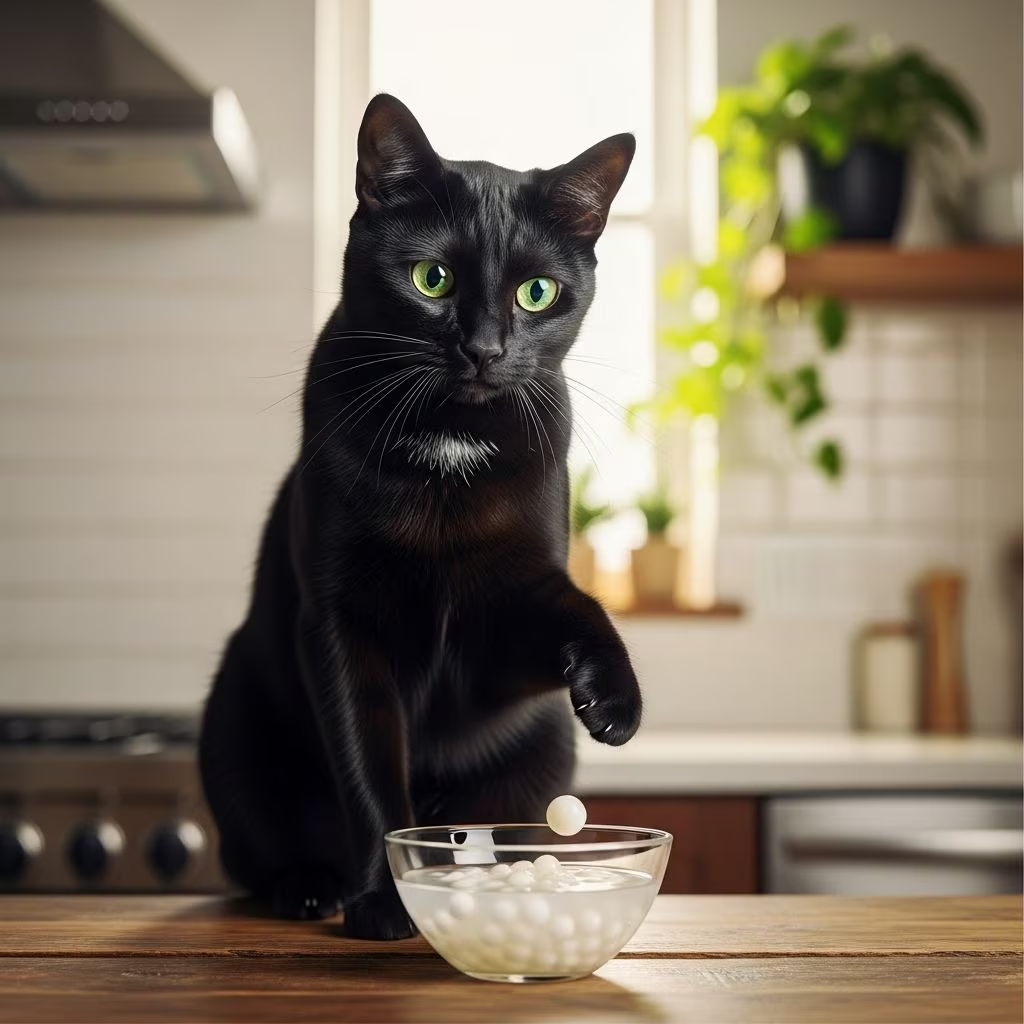
Tapioca, derived from the cassava root, is a starchy ingredient commonly found in human foods like pudding and bubble tea. For cat owners, a key question arises: can cats eat tapioca? The answer is yes, tapioca is not toxic to cats and appears in many commercial dry cat foods as a binder. However, plain tapioca offers little nutritional value to felines, who are obligate carnivores requiring primarily animal-based proteins. Feeding large amounts, especially in sweetened forms, can lead to digestive upset due to high carbohydrate content, sugars, or dairy additives.
This comprehensive guide explores tapioca’s safety, benefits, risks, and role in cat nutrition, drawing from veterinary insights to help you make informed feeding choices.
What Is Tapioca?
Tapioca is a gluten-free starch extracted from the cassava plant (Manihot esculenta), a root vegetable native to South America. It is processed into flour, pearls, or flakes, prized for its neutral flavor, thickening properties, and digestibility in human diets. In processed form, tapioca pearls are chewy balls used in desserts and drinks, while tapioca flour serves as a baking staple for those avoiding gluten.
For pets, tapioca starch is increasingly popular in grain-free formulas. It gelatinizes during cooking, providing structural integrity to kibble and improving texture in wet foods without introducing common allergens like wheat or corn.
Is Tapioca Safe for Cats?
Yes, tapioca is safe and non-toxic for cats in small amounts. Unlike chocolate or grapes, it poses no direct poisoning risk. Veterinary sources confirm that cats can ingest tapioca without acute toxicity, and it’s a standard ingredient in reputable brands’ dry kibble lists.
However, safety depends on preparation. Plain cooked tapioca pearls or flour won’t harm a cat if nibbled occasionally, but human recipes like tapioca pudding often include milk (lactose-intolerant cats may experience diarrhea) and sugar (leading to obesity or diabetes risks). Boba tea pearls, popular in bubble tea, come with caffeinated tea, which is highly dangerous due to caffeine toxicity.
- Plain tapioca: Safe in moderation.
- Tapioca pudding: Avoid due to dairy and sugar.
- Boba pearls: Risky if paired with tea; sugars alone are problematic.
Health Benefits of Tapioca for Cats
While tapioca boasts benefits for humans—such as providing quick energy from carbohydrates, aiding digestion via fiber, supplying minerals like iron and potassium, and being gluten-free—cats derive minimal advantages. Felines lack the enzymes to efficiently digest starches, converting them poorly into usable energy compared to proteins or fats.
Potential limited benefits for cats:
- Gluten-free alternative: Useful in grain-free diets for the rare cat with wheat sensitivity (though protein allergies are more common).
- Energy source in processed food: In kibble, it binds ingredients without crumbling, maintaining palatability.
- Digestibility: Some cats tolerate it well as a low-allergen carb.
Studies on feline metabolism emphasize that cats thrive on high-protein (26-30% minimum dry matter), low-carb diets (<25% ideally). Tapioca’s high glycemic index spikes blood sugar inefficiently in cats, offering no satiating or mineral benefits they can’t get from meat. In essence, it’s not harmful but nutritionally redundant.
Health Risks of Tapioca for Cats
Though safe, overfeeding tapioca poses risks tied to its composition:
- High carbohydrates: Excess starch can cause weight gain, gastrointestinal issues (vomiting, diarrhea, gas), and strain on a cat’s limited carb-metabolizing abilities.
- Constipation potential: Dry tapioca starch absorbs liquids; without soaking (as in puddings), large quantities could lead to blockages, though unlikely in commercial foods.
- Allergy misinformation: Gluten intolerance is exceedingly rare in cats; symptoms often stem from proteins like chicken or beef.
- Choking hazard: Uncooked pearls may pose a physical risk if swallowed whole.
Vets recommend limiting treats to 10% of daily calories, prioritizing meat-based options over starches.
Tapioca in Cat Food: Pros and Cons
Tapioca starch is a staple in many dry and grain-free cat foods, serving functional rather than nutritional roles. During extrusion, starches like tapioca gelatinize, binding proteins and fats into durable kibble shapes that resist crumbling. This process enhances flavor via Maillard reactions and provides cost-effective energy.
| Aspect | Pros | Cons |
|——–|——|——|
| **Binding** | Holds kibble together; essential for dry food structure | None directly |
| **Allergen Profile** | Gluten- and grain-free; ideal for limited-ingredient diets | Rare need in cats |
| **Nutrition** | Digestible carb source | Low value for obligate carnivores; excess linked to obesity |
| **Texture** | Thickens wet foods; improves palatability | High carb content may exceed ideal <25% |
Grain-free trends boosted tapioca use, but recent FDA investigations link some grain-free diets (with peas/lentils) to taurine deficiency and DCM in dogs—not conclusively cats. Tapioca avoids these legumes, making it a safer carb alternative. Always select AAFCO-compliant foods meeting feline needs for taurine, arginine, and vitamins.
Can Cats Eat Tapioca Pearls?
Plain tapioca pearls are non-toxic but not recommended as treats. They are pure starch with minimal moisture, potentially causing digestive discomfort if overeaten. Flavored pearls (brown sugar syrup in boba) add sugars harmful long-term. A small, plain portion occasionally won’t hurt, but it’s better to offer vet-approved treats like freeze-dried meat.
If your cat sneaks a pearl, monitor for vomiting or lethargy, but panic isn’t needed—contact a vet only if symptoms persist.
Cats as Obligate Carnivores: Nutrition Basics
Cats evolved as hunters of high-protein prey, making them obligate carnivores. Their diet must supply:
- Protein: 26%+ (adults), 30%+ (kittens) dry matter basis.
- Taurine: Essential amino acid from animal tissues; deficiency causes heart/eye issues.
- Fats: Primary energy source over carbs.
- Vitamins A/D: Higher needs than omnivores.
Myths persist that carbs harm cats or that they’re ‘grain-only fillers.’ In reality, moderate digestible carbs like tapioca aid processing without detriment, per veterinary nutritionists. Cats digest starches via salivary amylase, though less efficiently than dogs.
How Much Tapioca Can I Feed My Cat?
Minimal amounts only—ideally via balanced commercial food. For treats, limit to a few plain pearls (under 5% daily intake) weekly. Calculate: Adult cat needs ~200-250 kcal/day; tapioca provides ~130 kcal/100g, mostly empty carbs. Prioritize protein-rich treats. Consult a vet for personalized advice, especially for overweight or diabetic cats.
Alternatives to Tapioca for Cats
Opt for nutrient-dense treats:
- Freeze-dried chicken/turkey liver.
- Commercial dental chews with meat base.
- Small fish pieces (cooked, boneless).
- Veggie purees like pumpkin for fiber (vet-approved).
Grain-free kibbles use peas or potatoes similarly, but balance is key.
Frequently Asked Questions (FAQs)
Q: Will my cat die if they eat tapioca?
A: No, tapioca is non-toxic. Risks stem from additives like sugar or caffeine, not the starch itself.
Q: Is tapioca a good treat for cats with grain allergies?
A: Yes, as it’s gluten-free, but allergies are usually to proteins. Test via elimination diet with vet guidance.
Q: Why is tapioca in my cat’s kibble?
A: It binds ingredients for shape and texture during manufacturing.
Q: Can tapioca cause constipation in cats?
A: Possibly if dry and excessive, due to liquid absorption, but rare in balanced foods.
Q: Is grain-free cat food with tapioca better?
A: It suits some cats, but not inherently superior; focus on complete nutrition.
Bottom Line
Tapioca is safe for cats but not a superfood—it’s a functional ingredient in kibble, not a treat to share from your bowl. Stick to cat-specific nutrition for optimal health, and consult your vet for tailored advice.
References
- Can Cats Eat Tapioca? Vet-Approved Nutrition Facts — Catster. 2023-10-15. https://www.catster.com/nutrition/can-cats-eat-tapioca/
- Can Cats Eat Tapioca? Vet-Reviewed Facts & Safety Guide — Hepper. 2024-05-20. https://articles.hepper.com/can-cats-eat-tapioca/
- Tapioca in Pet Food: Is It Safe for Your Dog or Cat? — The Pet Vet. 2023-08-12. https://thepetvet.com/tapioca-in-pet-food/
- Avoid These 10 Worst Cat Food Ingredients — Cats.com. 2024-02-10. https://cats.com/worst-cat-food-ingredients
- Grain-Free Cat Food: What You Need to Know — Hill’s Pet Nutrition. 2024-11-05. https://www.hillspet.com/cat-care/nutrition-feeding/what-is-grain-free-cat-food



