

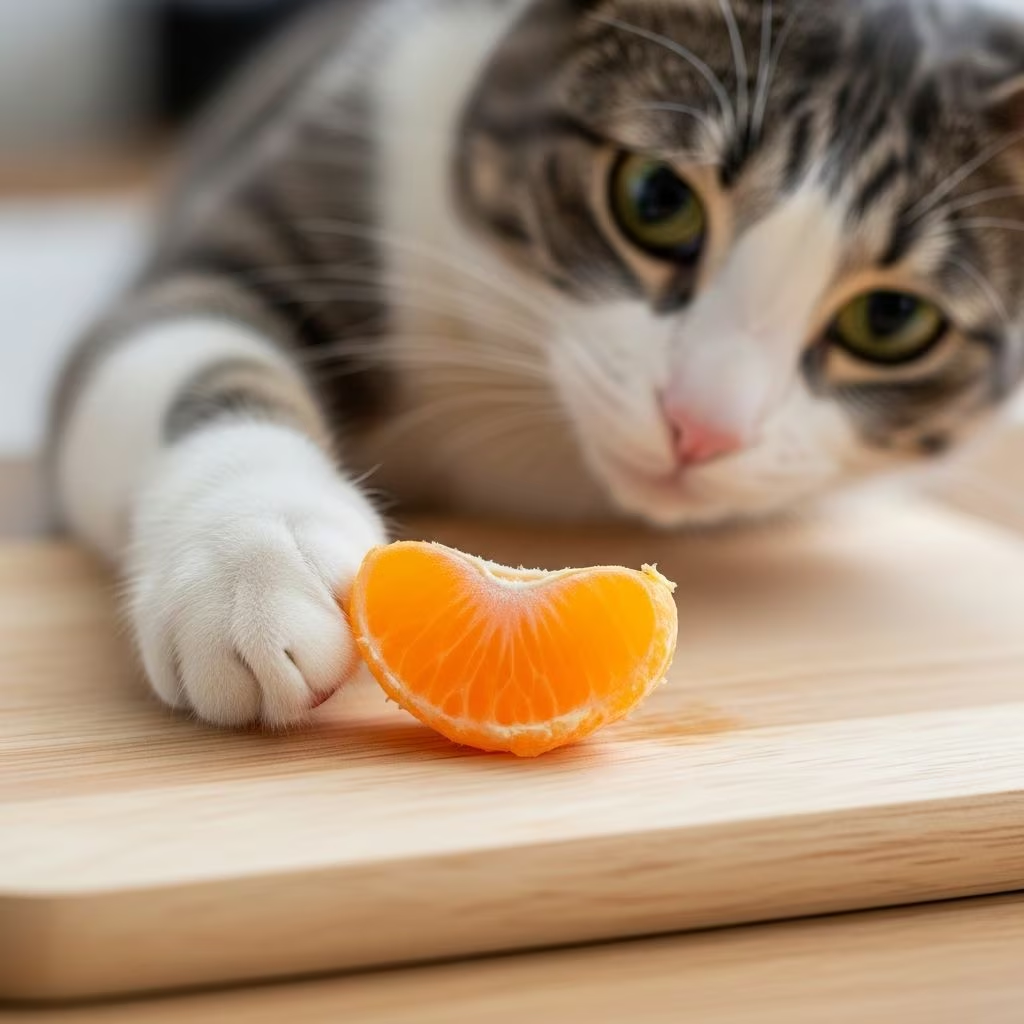
Unfortunately, cats should not eat tangerines or any other citrus fruits. While small amounts of the flesh might not cause immediate harm in some cases, tangerines contain toxic compounds like essential oils, psoralens, and citric acid that pose significant risks to feline health.
Tangerines seem appealing as a juicy, vitamin-rich snack for humans, but cats are obligate carnivores whose digestive systems are adapted for meat-based diets. Sharing citrus fruits can lead to gastrointestinal upset, toxicity, or worse. This article explores the dangers, rare potential benefits, safe alternatives, and what to do if your cat consumes tangerines.
Essential Oils in Tangerines
The primary reason tangerines are unsafe for cats lies in their essential oils and psoralens, compounds concentrated in the peels, seeds, stems, and leaves of citrus fruits. These substances are toxic to cats, even in small doses, because felines lack the enzymes to metabolize them effectively.
Essential oils like limonene and linalool irritate a cat’s gastrointestinal tract and can cause systemic poisoning. Psoralens, phototoxic chemicals, increase skin sensitivity to sunlight, potentially leading to burns or dermatitis upon exposure. Citric acid adds to the tart flavor humans enjoy but exacerbates stomach upset in cats, triggering vomiting or diarrhea.
Are Tangerines Healthy for Cats?
Tangerines offer humans vitamins (like C), fiber, and hydration, but these provide no meaningful benefits to cats. As obligate carnivores, cats produce their own vitamin C via the liver and derive essential nutrients—taurine, arachidonic acid, and preformed vitamin A—from animal proteins.
Plant-based sugars and fibers in tangerines are indigestible for cats, offering empty calories at best. Excess sugar risks obesity, diabetes, and dental issues, while fiber can cause loose stools. Cats also lack functional sweet taste receptors, so they rarely find tangerines appealing anyway.
Potential Benefits of Tangerines for Cats (Rare and Minimal)
While not recommended, some sources note minor upsides to tiny tastes in tolerant cats:
- Hydration boost: High water content (about 87%) could supplement fluids on hot days, though fresh water and wet food suffice.
- Vitamin C: Supplemental amounts are unnecessary since cats synthesize it, but won’t harm in trace quantities.
- Fiber: Aids mild digestion, though cat-specific fiber sources like pumpkin are better.
- Bonding: Playful interaction if your cat chases pieces, providing mental stimulation.
These ‘benefits’ are outweighed by risks; veterinary consensus advises against them.
Dangers of Feeding Tangerines to Cats
Offering tangerines exposes cats to multiple hazards:
- Gastrointestinal upset: Citric acid causes vomiting, diarrhea, and abdominal pain.
- Essential oil toxicity: Leads to drooling, lethargy, tremors, or respiratory issues.
- Sugar overload: Promotes weight gain and metabolic disorders over time.
- Skin reactions: Oils on fur or skin cause dermatitis, especially around mouth/paws.
- Choking hazard: Seeds, peels, or segments pose obstruction risks.
Severe cases may involve liver strain or photosensitivity from psoralens.
Symptoms of Tangerine Poisoning in Cats
Monitor for these signs after exposure:
- Vomiting or diarrhea (possibly bloody)
- Excessive drooling or pawing at mouth
- Lethargy or weakness
- Loss of appetite
- Trouble breathing or coordination issues
- Skin irritation or burns (from psoralens)
If observed, contact a vet immediately—early intervention prevents complications.
What to Do If Your Cat Eats a Tangerine
Don’t panic, but act swiftly:
- Remove access: Discard remnants to prevent more ingestion.
- Observe: Note symptoms and amount consumed.
- Contact professionals: Call your vet or ASPCA Poison Control (888-426-4435 in US).
- Provide support: Offer water; avoid inducing vomit unless instructed.
- Seek care: Vets may administer fluids, activated charcoal, or anti-nausea meds.
Most recover fully with prompt treatment.
Can Cats Eat Tangerine Peels or Seeds?
Absolutely not. Peels and seeds concentrate essential oils and psoralens, amplifying toxicity risks. They can also cause intestinal blockages.
Safe Fruits for Cats: Healthier Alternatives
Stick to cat-safe fruits in tiny, occasional amounts (less than 10% of diet). Avoid seeds, pits, peels:
| Fruit | Benefits | Prep Tips | Caution |
|---|---|---|---|
| Apples | Calcium, vitamin C | Chopped flesh only | Avoid seeds (cyanide) |
| Mangos | Fiber, vitamins A/C | Peeled, diced flesh | No skin/seed |
| Pineapple | Magnesium, potassium | Fresh chunks | No canned (sugar) |
| Cantaloupe | Vitamin C, fiber, low-cal | Seedless rind-off | Moderation |
| Blueberries | Antioxidants | Whole or mashed | Small amounts |
Prioritize balanced commercial cat food for nutrition.
Why Don’t Cats Like Tangerines?
Cats’ 470 taste buds focus on umami and meaty flavors; they can’t detect sweetness due to a mutated Tas1r2 gene. Citrus scents repel many, deterring consumption naturally.
Frequently Asked Questions (FAQs)
Can cats eat other citrus fruits?
No, oranges, lemons, limes, and grapefruits share the same toxic oils and acids. Avoid entirely.
Can kittens eat tangerines?
No, kittens’ sensitive systems can’t handle them. Stick to kitten formula.
What are signs of citric acid poisoning in cats?
Vomiting, diarrhea, drooling, lethargy. Vet visit ASAP.
Is tangerine juice safe for cats?
No, concentrated acids and sugars worsen risks.
How much tangerine is too much?
Any amount risks issues; zero is safest.
Final Thoughts
Tangerines and cats don’t mix—toxicity from oils, acids, and sugars makes them unsafe. Opt for vet-approved treats and a meat-based diet to keep your feline thriving. If ingestion occurs, monitor closely and consult professionals promptly for peace of mind.
References
- Can Cats Eat Tangerines? Vet-Verified Facts — Huston Veterinary Clinic. 2024-05-15. https://hustonveterinary.com/can-cats-eat-tangerines/
- Can Cats Eat Tangerines? Vet-Verified Facts & Safety Guide — Hepper. 2024-08-22. https://articles.hepper.com/can-cats-eat-tangerines/
- Can Cats Eat Tangerines? Vet-Reviewed Diet Facts & FAQ — Catster. 2024-11-10. https://www.catster.com/nutrition/can-cats-eat-tangerines/
- Can Cats Eat Oranges? — Chewy Education. 2023-12-05. https://www.chewy.com/education/cat/food-and-nutrition/can-cats-eat-oranges



