

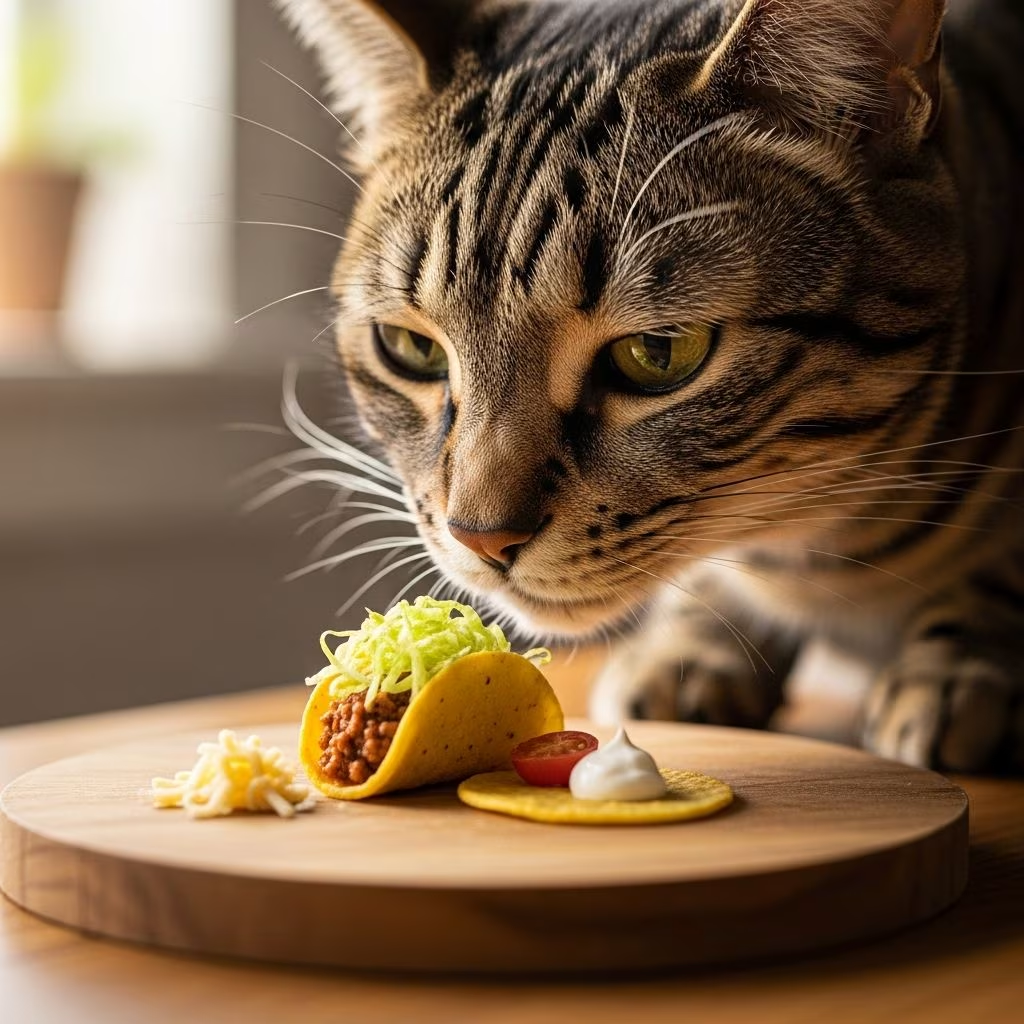
Tacos are a beloved staple in many households, offering endless customization with meats, shells, veggies, and bold spices. But when your curious cat eyes your plate during Taco Tuesday, is it safe to share? As obligate carnivores, cats have specific dietary needs that don’t align with typical taco ingredients. This vet-verified guide breaks down whether cats can eat tacos, examining meat, shells, toppings, and more, while highlighting risks and safer alternatives.
Can Cats Eat Taco Meat?
Cats thrive on meat as their primary protein source, making plain taco meat potentially appealing. However, the seasonings that make tacos delicious—such as onions, garlic, chili powder, and salt—are often toxic or irritating to felines. Onion and garlic compounds damage red blood cells, risking anemia even in small amounts. Spices like cayenne can cause mouth irritation, vomiting, and diarrhea.
To safely share, prepare unseasoned ground beef, chicken, or turkey ahead of time. Cook it plainly without oils or additives, then offer a small tablespoon mixed into their regular food as an occasional treat. Never let taco meat replace balanced cat food, as processed versions from fast food like Taco Bell contain preservatives and high fat that may lead to obesity or pancreatitis. Monitor for symptoms like lethargy or pale gums if ingestion occurs, and contact a vet promptly.
Can Cats Eat Taco Shells?
Taco shells, whether corn or flour-based, pose issues due to high carbohydrates, sodium, and starch content unsuitable for cats’ low-carb needs. Corn shells are safer in tiny amounts but still high in sodium, risking dehydration. Flour tortillas offer no nutritional value and can cause digestive upset from refined grains.
A small nibble won’t typically harm, but regular feeding promotes weight gain and lacks essential nutrients. Stick to meat only if sharing, as cats derive little benefit from shells.
What Toppings Should Cats Avoid?
Taco toppings add flavor for humans but danger for cats. Common culprits include:
- Onions, garlic, shallots, scallions: Toxic; cause hemolytic anemia by destroying red blood cells.
- Spicy elements (chili, cayenne, peppers): Irritate GI tract, leading to drooling, vomiting, diarrhea.
- Salt-heavy cheeses/sauces: Excess sodium causes thirst, dehydration; cheese risky for lactose-intolerant cats.
- Cinnamon, nutmeg, oregano, mint, chamomile: Upset stomach or worse in excess.
Even ‘mild’ Taco Bell sauces contain irritants. Vegetables like lettuce or tomatoes are benign in moderation but nutritionally empty for cats.
Harmful Spices for Cats in Tacos
Cats lack taste receptors for sweetness and spice, unable to detect ‘heat’ levels, making seasoned foods particularly risky. Key harmful spices:
- Allium family (onions/garlic): Heinz body anemia; symptoms include weakness, rapid breathing.
- Chili/cayenne: Oral/GI burns, inflammation.
- Salt: Sodium toxicity; excessive thirst, seizures in severe cases.
- Others (nutmeg, cinnamon): Hallucinations, dry mouth, GI distress.
If your cat sneaks spiced meat, watch for vomiting, diarrhea, drooling, or lethargy within hours. Induce vomiting only under vet guidance; activated charcoal may be needed for toxins.
Safe Taco-Inspired Treats for Cats
Skip the full taco—offer cat-safe alternatives mimicking taco vibes:
- Plain cooked meats: Beef, turkey, chicken (1-2 tbsp max per day).
- Fish like salmon: Omega-3 rich for skin/coat; unseasoned, cooked.
- Eggs: Boiled or scrambled plain; protein boost (avoid raw due to salmonella).
- Veggies: Pumpkin (digestion aid), zucchini, broccoli, kale in tiny amounts.
- Fruits: Pumpkin puree or small bits of safe options like blueberries (rarely).
These provide fiber, vitamins without risks. Always introduce new foods gradually to check tolerance.
What Nutrients Are Essential for Cats to Thrive?
High-quality, AAFCO-approved cat food meets all needs; human treats should be <10% of diet. Key nutrients:
- Protein (30-40% dry matter): Builds muscles, energy; from meat/fish.
- Fat (essential fatty acids): Energy, skin health; salmon/liver sources.
- Carbs: Minimal; excess causes obesity—prefer wet food.
- Vitamins/Minerals: Taurine (heart/eyes), balanced via complete food.
- Water: Crucial; wet food hydrates as cats drink little.
| Nutrient | Role | Cat-Safe Sources |
|---|---|---|
| Protein | Muscle maintenance | Plain meat, eggs |
| Fats | Energy, omegas | Salmon, liver |
| Fiber | Digestion | Pumpkin, veggies |
| Taurine | Heart/Eye health | Commercial cat food |
Symptoms of Toxic Food Ingestion in Cats
Quick action prevents escalation. Watch for:
- Vomiting/diarrhea
- Excessive drooling
- Lethargy/weakness
- Loss of appetite
- Increased thirst/urination
- Pale gums (anemia sign)
Call vet or poison hotline (e.g., ASPCA) immediately; provide details on amount/ingredients eaten.
Frequently Asked Questions (FAQs)
Can cats eat Taco Bell soft tacos?
No, due to spiced meat, flour tortillas, cheese, and sauces causing toxicity or upset.
Is one bite of taco harmful?
A tiny bite may only cause mild stomach issues, but spices increase risks—better to avoid.
What if my cat ate seasoned taco meat?
Monitor 24-48 hours for symptoms; vet if any appear.
Are corn taco shells okay for cats?
Small amounts yes, but high sodium limits use.
Can cats have cheese from tacos?
Limited tiny amounts if tolerated; most are lactose intolerant.
What’s the safest taco treat for cats?
Plain, cooked meat only—no seasonings.
Keep tacos human-only for safety. Prioritize vet-approved nutrition for a healthy, happy cat.
References
- Can Cats Eat Tacos? Vet-Verified Nutrition Facts & FAQ — Hepper. 2024. https://articles.hepper.com/can-cats-eat-tacos/
- Can Cats Eat Tacos? Vet-Verified Facts & FAQ — Catster. 2024. https://www.catster.com/nutrition/can-cats-eat-tacos/
- Can Cats Eat Taco Bell Soft Taco? Spice and Meat Risks — Dial A Vet. 2024. https://www.dialavet.com/blog/can-cats-eat-taco-bell-soft-taco
- Tacos Toxicity for Cats — What Did My Cat Eat. 2024. https://whatdidmycateat.com/tacos



