

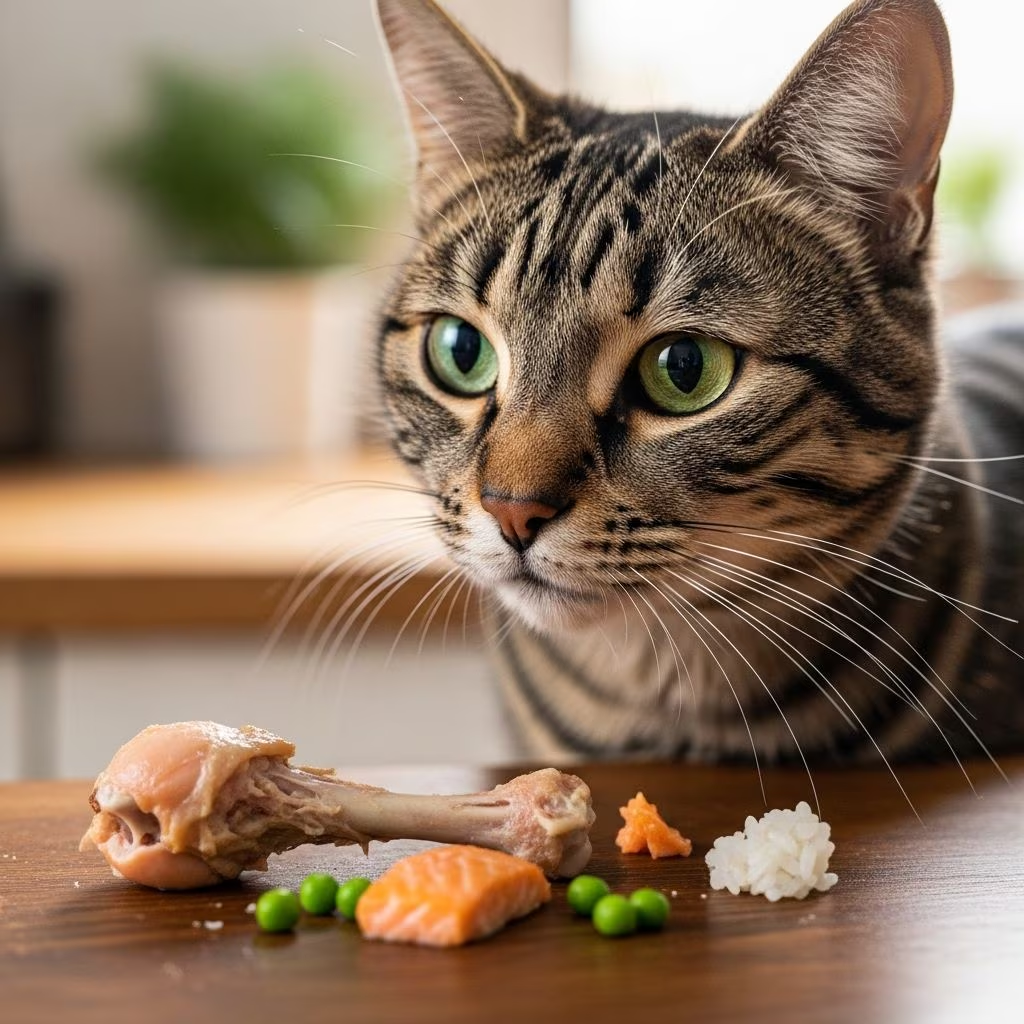
It’s one of the most challenging moments for cat owners: watching your beloved feline sit by the dinner table with those big, pleading eyes, hoping for a taste of your meal. The urge to share a small morsel can feel overwhelming, and you might wonder if a tiny piece of your dinner could really hurt. Unfortunately, sharing table scraps with your cat is not recommended for several important reasons. Unlike humans, cats have very different nutritional needs and digestive systems that make most human foods unsuitable for their consumption.
Why Table Scraps Are Problematic for Cats
Sharing table scraps with your cat is not recommended for numerous health and behavioral reasons. While it may seem harmless to occasionally share what you’re eating, the risks far outweigh any momentary satisfaction your cat might experience. Understanding these risks is essential for maintaining your cat’s health and well-being.
The 6 Things to Consider About Table Scraps
1. Cats Are Obligate Carnivores
One of the most fundamental differences between cats and humans is their dietary requirements. Cats are obligate carnivores, meaning their bodies are designed to survive on a diet composed almost exclusively of animal-based proteins. While humans require a balanced diet that includes protein, fruits, vegetables, and grains, cats have evolved very differently.
Cats require a high amount of protein, moderate amounts of fat, and minimal carbohydrates to thrive. Their bodies are optimized to extract nutrients from animal flesh rather than plant-based foods. This fundamental biological difference means that the food on your plate—even the parts that seem nutritious to you—may not provide the nutrients your cat needs and could potentially be inappropriate for their species.
While plain, cooked meat might occasionally be acceptable to share with your cat, the vegetables, grains, and other components of your meal are not species-appropriate. The spices, seasonings, and preparation methods used in human cooking can further complicate matters. Always consult with your veterinarian before introducing any new foods to your cat’s diet to ensure safety and nutritional appropriateness.
2. Toxic Ingredients Common in Human Food
Many common ingredients in human dishes are highly toxic to cats. One of the most dangerous culprits includes aromatic vegetables that flavor countless dishes. Garlic, onions, and chives are among the most popular add-ins in human cooking, but they represent serious health hazards for felines.
Whether consumed in powder form, as fresh vegetables, or as herbs, these alliums can cause extreme gastrointestinal upset and even damage to your cat’s red blood cells. Additionally, excessive salt consumption can cause serious problems for cats. Beyond these common seasonings, other foods pose distinct dangers:
- Chocolate – Can cause toxicity and serious health complications
- Xylitol (artificial sweetener) – Highly toxic and dangerous even in small amounts
- Grapes and raisins – Can cause kidney failure
- Green tomatoes – Contain harmful compounds
- Raw potatoes – Difficult to digest and potentially harmful
Consuming any of these toxic foods can cause various issues including digestive upset, kidney failure, and other serious health complications. This makes it critically important to be aware of what’s in your food before offering any table scraps to your cat.
3. Some Foods Are Explicitly Toxic for Cats
Beyond the common ingredients discussed above, certain foods present specific dangers when consumed by cats. Some human foods are toxic for cats, including green tomatoes, raw potatoes, grapes, raisins, anything containing xylitol, and chocolate. Each of these foods can trigger different adverse reactions in your feline companion.
Chocolate contains theobromine, a compound that cats cannot metabolize effectively, making even small amounts potentially dangerous. Grapes and raisins have been linked to acute kidney injury in some animals. Xylitol, commonly found in sugar-free products, can cause rapid insulin release leading to hypoglycemia and liver damage. The variety of toxic foods means that feeding table scraps isn’t just about avoiding one or two ingredients—it requires knowledge of multiple hazardous substances.
Additionally, fatty foods present their own dangers. Foods like turkey skin, gravy, and butter-laden side dishes can trigger pancreatitis, a painful inflammation of the pancreas. This condition can cause severe pain, vomiting, and potentially life-threatening complications that require emergency veterinary care.
4. Feeding Table Scraps Can Cause Behavioral Problems
Cats are creatures of habit, and those continuously offered table scraps may develop behavioral issues. When cats are regularly given human food from the dinner table, they begin to associate that location and mealtime with food rewards. This conditioning can quickly lead to problematic behaviors that persist long after you’ve decided to stop sharing scraps.
Common behavioral problems associated with table scrap feeding include:
- Persistent begging during meals
- Stealing food from plates or countertops
- Attempting to steal food directly from the stovetop or cooking area
- Jumping on tables and counters to search for food
- Unwanted attention-seeking during family mealtimes
In particularly mischievous cats, this type of behavior may lead to serious injuries if they attempt to steal food right from the stovetop or hot cooking surfaces. Once these behavioral patterns are established, they can be extremely difficult to break. Prevention is far easier than trying to extinguish these habits after they’ve been reinforced over time.
5. Feeding Human Food Can Create a Picky Eater
Cats continuously fed table scraps may become picky eaters, especially if they’re not particularly fond of their regular cat food to begin with. This creates a frustrating cycle where your cat refuses their nutritionally complete diet in favor of human food, which is neither complete nor balanced for their needs.
A refusal to eat their species-appropriate diet can create nutritional deficiencies that ultimately impact your pet’s overall health. When cats skip meals or eat insufficient quantities of their regular food, they miss out on essential nutrients carefully formulated into quality cat foods. These deficiencies accumulate over time, potentially leading to serious health problems including:
- Weakened immune system
- Poor coat quality
- Reduced bone density
- Nutritional anemia
- Organ dysfunction
- Developmental problems in young cats
Additionally, table scraps contribute to an unbalanced diet, leading to obesity and other chronic health problems. The combination of behavioral pickiness and nutritional inadequacy makes feeding table scraps particularly problematic for long-term feline health.
6. Table Scraps Can Cause Gastrointestinal Issues
A cat’s digestive system is designed to digest species-appropriate foods. When you feed too many table scraps, you can wreak havoc on your pet’s gastrointestinal system, as it is not intended to digest human food. This is particularly true when table scraps are introduced suddenly or in large quantities.
Cats generally do not cope well with sudden diet changes, so adding too much human food too quickly can be problematic. When their digestive tract struggles to process unfamiliar foods, you may notice several warning signs including:
- Vomiting
- Diarrhea
- Loss of appetite
- Abdominal discomfort or distension
- Constipation
- Lethargy or behavioral changes
Foods high in fat can cause upset stomachs, vomiting, and diarrhea in pets. Some holiday foods and table scraps may contain ingredients that are particularly difficult for cats to digest, such as onions and garlic. These digestive issues can lead to significant discomfort and require veterinary care if they persist.
Obesity and Long-Term Health Consequences
Beyond the immediate risks, regular consumption of table scraps significantly increases your cat’s risk of developing obesity. Table scraps can contribute to an unbalanced diet, leading to obesity and other health problems. Obesity in cats is not simply a cosmetic issue—it’s a serious health condition that predisposes cats to multiple chronic diseases including diabetes, joint problems, heart disease, and decreased lifespan.
The empty calories in many human foods, combined with their inappropriate nutrient profiles, make obesity almost inevitable with regular table scrap feeding. Once obesity develops, it becomes increasingly difficult to manage and significantly impacts your cat’s quality of life.
Healthier Alternatives and Bonding Experiences
If you’re motivated to share food with your cat as a form of bonding or expression of love, there are much safer alternatives. Rather than table scraps, consider these healthier options:
- Commercial cat treats – Formulated to be nutritionally appropriate and safe
- Veterinarian-approved foods – Ask your vet which human foods are occasionally safe in small quantities
- Interactive play – Engage your cat with toys and games
- Petting and affection – Physical touch and attention strengthen bonds without food
- Environmental enrichment – Provide climbing structures and puzzle toys
- Quality time together – Simply spend time near or with your cat without food involvement
Stick to high-quality cat food designed to meet your cat’s nutritional needs and reward them with their favorite nutritional treats and cuddles, rather than table scraps. Great bonding experiences don’t need to center around food. Playing, going for walks, or simply petting your cat are fun activities that help both pet and owner strengthen the human-animal bond without the associated health risks.
Final Thoughts
While some human foods might be okay to feed cats as a special treat occasionally, it’s best not to get into the habit of offering your pet table scraps. Not only are human foods and the spices we add to them potentially toxic, but they’re not species-appropriate for cats. Additionally, feeding table scraps can cause behavioral issues that can be hard to break.
Your cat’s health and longevity depend on the nutritional choices you make for them every day. By avoiding table scraps and sticking to species-appropriate, nutritionally complete cat food, you’re giving your feline companion the best possible foundation for a long, healthy, and happy life. When you feel tempted to share your meal, remember that sometimes the most loving thing you can do is say no.
Frequently Asked Questions (FAQs)
Q: Are there any table scraps that are completely safe for cats?
A: While plain, cooked, boneless meat might occasionally be acceptable, it’s safest to avoid table scraps altogether. Always consult your veterinarian before introducing any new foods to your cat’s diet, and choose commercial cat treats designed for feline nutrition instead.
Q: What should I do if my cat accidentally eats something toxic?
A: If your cat ingests something potentially toxic, contact your veterinarian immediately. Provide information about what was eaten and when. Some toxins require emergency treatment, and prompt action can make a significant difference in outcomes.
Q: Can I use table scraps as occasional treats?
A: It’s not recommended to use table scraps as treats. Instead, use veterinarian-approved commercial cat treats that are formulated to be nutritionally appropriate and safe for feline consumption.
Q: How can I bond with my cat without sharing food?
A: There are many ways to bond with your cat beyond food sharing. Interactive play with toys, gentle petting, supervised outdoor time, and simply spending quality time together are all excellent bonding experiences that don’t pose health risks.
Q: What are the signs that my cat has eaten something inappropriate?
A: Signs that your cat is having difficulty digesting inappropriate food include vomiting, diarrhea, loss of appetite, abdominal pain or distension, lethargy, or behavioral changes. Contact your veterinarian if these symptoms develop.
Q: Are all spices in table scraps dangerous for cats?
A: Many common spices used in human cooking, particularly garlic, onions, and chives, are toxic to cats and can cause gastrointestinal upset and blood cell damage. It’s safest to assume that seasoned human food is not appropriate for feline consumption.
References
- Can Cats Eat Table Scraps? 6 Vet-Reviewed Things to Consider — Catster. Accessed January 14, 2026. https://www.catster.com/cat-health-care/can-cats-eat-table-scraps/
- Cat Nutrition Myths: Separating Fact from Fiction — Just Cats Clinic. https://justcatsclinic.com/cat-nutrition-myths-separating-fact-from-fiction/
- Holiday Hazards: The Risk of Giving Your Pet Table Scraps — Pinecrest Veterinary Clinic. https://www.pinecrestvet.com/holiday-hazards-the-risk-of-giving-your-pet-table-scraps/
- Client Handout: No to Feeding Pets Table Scraps — DVM360. https://www.dvm360.com/view/client-handout-no-feeding-pets-table-scraps



