

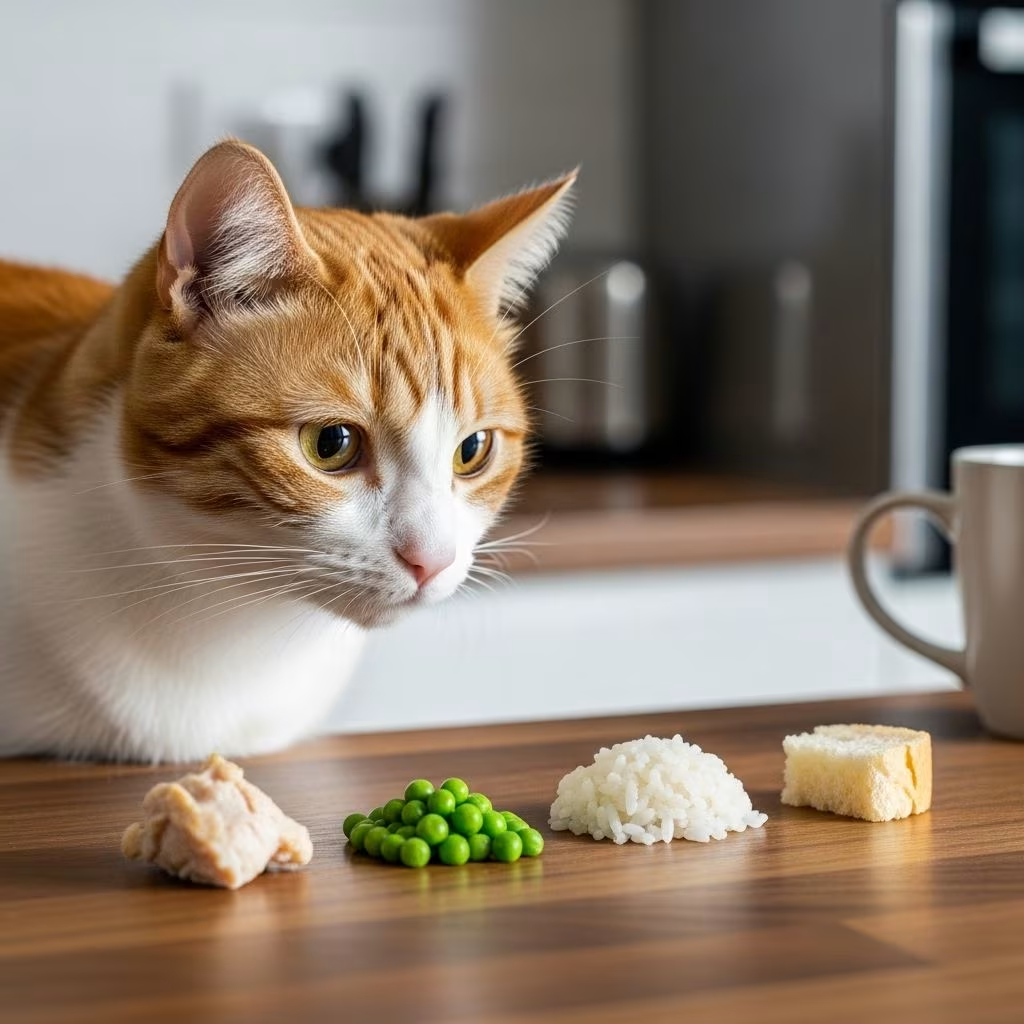
You know how hard it is to say no to your beloved kitty when they’re looking up at you at the dinner table with their big eyes, begging for a taste of whatever it is you have on your plate. Surely, sharing a small taste of what you’re eating for dinner would be harmless, right? Unfortunately, this is not always the case. Sharing table scraps with your cat is not recommended for a number of reasons. Many human foods contain ingredients that are toxic to cats, disrupt their unique nutritional needs, and can lead to serious health issues like gastrointestinal upset, obesity, pancreatitis, and behavioral problems.
Cats are obligate carnivores, meaning their bodies are designed to derive nutrients primarily from animal-based proteins rather than the balanced mix of carbs, veggies, and grains humans thrive on. While a tiny, plain piece of cooked meat might seem okay once in a blue moon, the spices, seasonings, and sides on your plate often spell trouble. Veterinary experts emphasize sticking to complete and balanced cat food to meet feline dietary requirements and avoid unnecessary risks. This comprehensive guide breaks down the six key things to consider before offering table scraps, backed by veterinary insights, to help you keep your cat healthy and happy.
The 6 Things to Consider About Table Scraps
1. Cats are obligate carnivores.
Cats are true obligate carnivores, evolved over thousands of years to hunt and consume prey almost exclusively for sustenance. Unlike humans, who benefit from a varied diet including fruits, vegetables, and grains for balanced nutrition, cats require high levels of protein and moderate fats with minimal carbohydrates. Their digestive systems lack the enzymes needed to efficiently process plant-based foods, and they depend on nutrients like taurine—found only in animal tissues—for heart health, vision, and reproduction.
Feeding table scraps loaded with carbs, veggies, or grains can lead to nutritional imbalances. For instance, excess carbohydrates from rice, bread, or potatoes may contribute to obesity or even diabetes in predisposed cats, as their metabolism isn’t optimized for sugar processing. Veterinary nutritionists stress that commercial cat foods are formulated to mimic a cat’s natural prey diet, providing precise levels of amino acids, vitamins, and minerals. Plain, cooked meat like chicken or turkey can be offered sparingly as a treat—no more than 10% of daily calories—but always consult your vet first to ensure it fits your cat’s health profile.
Historical feeding practices once included more scraps, but modern understanding of feline biology has shifted recommendations toward species-appropriate kibble or wet food. Deviating from this with regular human meals risks deficiencies in essential fatty acids or arachidonic acid, potentially causing skin issues, poor coat quality, or dilated cardiomyopathy.
2. Some spices and seasonings are toxic for cats.
Human cuisine relies heavily on spices and seasonings to enhance flavor, but many are outright dangerous for cats. Garlic, onions, and chives—common in sauces, stir-fries, and gravies—belong to the Allium family and can damage red blood cells, leading to hemolytic anemia. Even small amounts, whether raw, cooked, powdered, or in powdered form like onion salt, trigger oxidative damage to hemoglobin, causing weakness, pale gums, rapid breathing, and collapse in severe cases.
Excessive salt from seasoned meats or snacks poses another threat, potentially leading to salt poisoning with symptoms like vomiting, tremors, seizures, and thirst. Cats have a much lower tolerance for sodium due to their kidney function and low water intake habits. Herbs like excessive black pepper or nutmeg can irritate the gastrointestinal tract, while artificial sweeteners hidden in ‘low-cal’ dishes add further risk.
Vets report frequent cases of mild poisoning from seemingly harmless scraps, underscoring the need for vigilance. Always read labels and err on the side of caution—plain is best if offering anything at all.
3. Some foods are toxic for cats.
Beyond seasonings, entire categories of human foods are toxic to cats. Chocolate contains theobromine, which cats metabolize slowly, risking heart arrhythmias, tremors, and seizures. Grapes and raisins can induce acute kidney failure, even in tiny quantities, with no safe threshold established. Xylitol, found in sugar-free gums and baked goods, causes insulin surges leading to life-threatening hypoglycemia.
Green tomatoes and raw potatoes contain solanine, a glycoalkaloid that disrupts nervous and digestive systems. Alcohol, caffeine, and raw yeast dough expand in the stomach or ferment into ethanol, causing bloat, intoxication, or toxicity. Dairy products, despite the stereotype, often lead to lactose intolerance symptoms like diarrhea since most adult cats lack sufficient lactase enzyme.
Avoiding these is non-negotiable. The ASPCA Animal Poison Control Center logs thousands of such incidents yearly, many from well-intentioned table sharing. When in doubt, keep it out.
4. Feeding table scraps can cause behavioral problems.
Cats are habitual learners, and consistent table scraps reinforce begging, meowing, pawing, or jumping behaviors. What starts as cute quickly becomes disruptive, with cats associating humans with food delivery. Mischievous felines may escalate to counter-surfing, stovetop raids, or trash diving, risking burns, cuts, or ingestion of hazardous items like foil or bones.
Breaking these habits requires consistency—ignoring pleas and feeding meals on schedule. Positive reinforcement with toys or playtime redirects energy better than food rewards, strengthening the human-cat bond without calories. Vets note that food-motivated aggression can emerge in multi-pet homes, complicating dynamics.
5. Feeding human food can create a picky eater.
Regular table treats can turn discerning cats into finicky ones, rejecting balanced kibble or wet food in favor of tastier scraps. This ‘picky eating’ leads to incomplete nutrition, weight loss, or selective deficiencies like vitamin shortages. Cats withholding food for days risk hepatic lipidosis, a fat mobilization crisis with high mortality if untreated.
Prevention involves exclusive use of quality cat food from kittenhood. Transition scraps-philes gradually by mixing tiny amounts into regular meals, but ideally, phase them out entirely. Nutritional treats designed for cats satisfy cravings safely.
6. Table scraps can cause gastrointestinal issues.
A cat’s short, acidic gut is tuned for raw or lightly processed meat, not fatty gravies, fried foods, or fiber-rich sides. Scraps disrupt this balance, causing vomiting, diarrhea, gas, or constipation. Sudden switches overwhelm enzymes, while fats trigger pancreatitis—inflammation yielding pain, dehydration, and organ stress.
Holiday feasts amplify risks with rich dishes. Symptoms warrant vet attention; probiotics or bland diets may aid recovery, but prevention trumps cure.
Final Thoughts
While a rare, vet-approved plain meat tidbit won’t doom your cat, habitual table scraps invite toxicity, imbalance, pickiness, begging, and tummy woes. Prioritize AAFCO-approved cat food—dry, wet, or raw as suitable—for optimal health. Hydrate well, play often, and consult pros for personalized advice. Your cat thrives on love, not leftovers.
Frequently Asked Questions (FAQs)
What foods are safe for cats as occasional treats?
Plain, cooked meats like chicken or fish in tiny amounts (under 10% calories); commercial cat treats; vet-approved veggies like steamed carrots. Always check first.
Can cats have cheese or milk?
Most adult cats are lactose intolerant; it causes diarrhea. Small cheese licks might pass, but dairy isn’t ideal.
What if my cat eats something toxic?
Contact a vet or poison hotline immediately—don’t induce vomiting without guidance. Note quantity and time ingested.
How do I stop my cat from begging?
Ignore pleas, feed scheduled meals, use puzzle feeders for engagement. Consistency rewires habits in weeks.
Are all table scraps unhealthy?
Most, yes—due to hidden toxins, fats, salts. Stick to cat-specific nutrition for safety.
References
- Client handout: No to feeding pets table scraps — DVM360. 2023-01-01. https://www.dvm360.com/view/client-handout-no-feeding-pets-table-scraps
- Cats and Carbohydrates: The Carnivore Fantasy? — PMC – NIH (Peer-reviewed). 2018-01-15. https://pmc.ncbi.nlm.nih.gov/articles/PMC5753635/
- Holiday Hazards: The Risk of Giving Your Pet Table Scraps — Pinecrest Veterinary Hospital. 2023-11-20. https://www.pinecrestvet.com/holiday-hazards-the-risk-of-giving-your-pet-table-scraps/
- Cat Nutrition Myths: Separating Fact from Fiction — Just Cats Clinic. 2024-05-10. https://justcatsclinic.com/cat-nutrition-myths-separating-fact-from-fiction/
- From Snacks to Scraps — UC Davis Synergy (Veterinary School). 2023-09-15. https://synergy.vetmed.ucdavis.edu/news-article-fall-2023/snacks-scraps



