

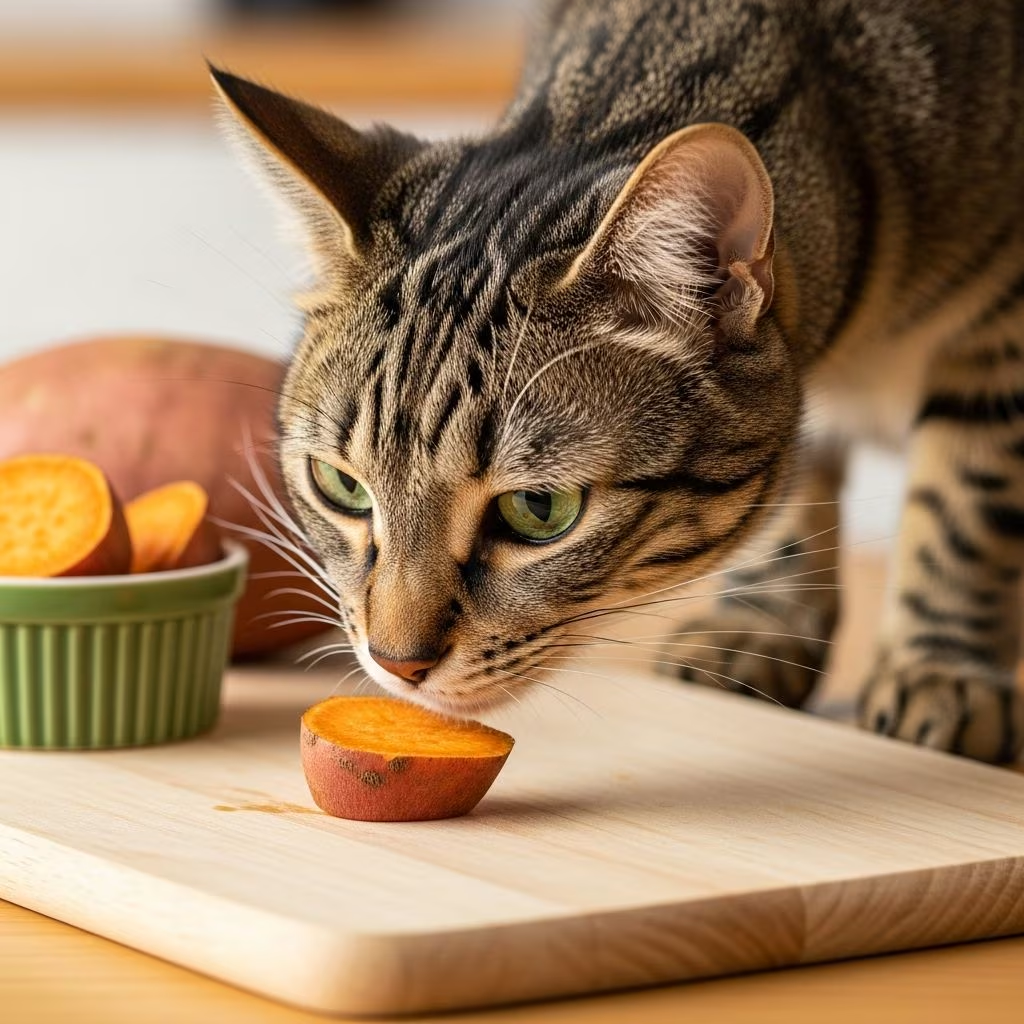
Can Cats Eat Sweet Potatoes?
Many cat owners wonder about expanding their feline companion’s diet beyond traditional cat food. Sweet potatoes are a nutritious food for humans, but are they safe and beneficial for cats? The straightforward answer is yes—cats can eat sweet potatoes, but with important caveats. While sweet potatoes are not toxic to cats and can be offered as an occasional treat, they should only be provided in moderation and when properly prepared. Understanding the benefits, risks, and proper serving methods will help you make informed decisions about incorporating this vegetable into your cat’s diet.
Understanding Your Cat’s Dietary Needs
Before diving into the specifics of sweet potatoes, it’s essential to understand what cats actually need nutritionally. Cats are obligate carnivores, meaning their bodies are designed to extract nutrients primarily from animal-based sources. Unlike humans or even dogs, cats have limited ability to metabolize carbohydrates and digest plant-based foods effectively. This fundamental physiological difference shapes how we should approach giving our cats any non-meat foods, including sweet potatoes.
Because cats are obligate carnivores, their digestive systems have evolved to process protein and fat efficiently, but they struggle with fiber-rich plant materials. Sweet potatoes, while not harmful, are high in carbohydrates and fiber—nutrients that cats don’t naturally consume in significant quantities in their wild diet. However, small amounts of sweet potato can still be incorporated into a cat’s diet as long as it doesn’t replace meat-based nutrition.
Benefits of Sweet Potato for Cats
Despite cats’ carnivorous nature, sweet potatoes do offer several potential health benefits when given in appropriate amounts. Understanding these benefits can help you decide whether to include sweet potatoes in your cat’s occasional treats.
May Help Relieve Digestive Problems
One of the most significant benefits of sweet potatoes for cats is their positive impact on digestive health. Sweet potatoes contain both soluble and insoluble fiber, each playing different roles in your cat’s digestive system. Insoluble fiber helps absorb fluid from the intestines, which softens and adds bulk to the stool for easier passage. This type of fiber also serves as a stimulant that encourages intestinal muscle activity to keep things moving smoothly through the digestive tract.
Soluble fiber works differently by slowing your cat’s digestion, which can help them feel full for a longer time. It also has bulking and softening properties that aid digestive regularity. Additionally, the natural water content in sweet potatoes functions as a stool softener. These combined effects can be particularly useful for cats experiencing constipation or diarrhea, making sweet potatoes a gentle dietary addition for cats with mild digestive complaints.
Supports Hydration
If you’re preparing sweet potatoes in a way that retains some of their natural water content—such as boiling or steaming—they can contribute to your cat’s hydration levels. This benefit is especially valuable if your cat isn’t a big water drinker. Many indoor cats don’t consume enough water throughout the day, which can lead to various health issues including kidney problems and urinary tract issues. By incorporating moisture-rich foods like steamed sweet potatoes into their diet occasionally, you can help increase their overall fluid intake and support better hydration.
Keeps Your Cat Satisfied Longer
Sweet potatoes are a good source of resistant starch, which breaks down slowly in the digestive system. This extended digestion time allows them to stay in the stomach much longer, promoting a sense of fullness and satisfaction in your cat until their next meal. If your cat tends to feel hungry between feedings or you’re trying to manage their weight, a small portion of sweet potato can help extend that satisfied feeling without significantly increasing calorie intake. The slow breakdown of resistant starch provides sustained energy release, keeping your cat more comfortable and content.
May Offer Nutrients
While there’s ongoing debate about whether cats can effectively extract the vitamins and minerals contained in carbohydrates, sweet potatoes do offer many beneficial compounds that may support your cat’s health. Sweet potatoes are rich in antioxidants like beta-carotene, which can help combat oxidative stress in the body and support cellular health. They also contain vitamin B6, vitamin C, potassium, and manganese. Vitamin A, derived from beta-carotene, is crucial for maintaining healthy vision, skin, and coat quality in cats. While cats typically get these nutrients from a properly balanced meat-based diet, the additional support from sweet potatoes may provide extra health benefits in moderation.
Potential Risks and Concerns
While sweet potatoes offer several benefits, there are important potential risks that cat owners should understand before feeding this vegetable to their feline companions.
High in Carbs
Sweet potatoes are a high-carbohydrate food, and cats have a limited ability to metabolize carbs effectively. Their digestive systems simply aren’t designed to process large quantities of plant-based carbohydrates. A diet too rich in carbs can lead to obesity and potentially diabetes in cats, which are serious health concerns affecting millions of feline companions. Since cats should derive the vast majority of their calories from protein and fat, excessive sweet potato consumption could contribute to weight gain and metabolic issues.
Digestive Issues
Although the fiber in sweet potatoes can be beneficial for digestive health in small amounts, too much can lead to gastrointestinal issues like diarrhea or bloating. Each cat’s digestive system is unique, and some felines are more sensitive to fiber-rich foods than others. When introducing sweet potato to your cat’s diet, it’s crucial to start with very small portions and observe your cat closely for any signs of stomach upset, including changes in bowel movements, vomiting, or unusual behavior.
How to Safely Prepare Sweet Potatoes for Your Cat
If you decide to offer sweet potatoes to your cat, proper preparation is essential to ensure safety and maximize benefits. Follow these guidelines for safely preparing this vegetable:
- Always cook thoroughly: Never offer raw sweet potatoes to your cat. Raw potatoes can be difficult to digest and may cause gastrointestinal upset. Boiling, steaming, or baking sweet potatoes until they’re soft makes them much easier for your cat to digest.
- Serve plain: Remove all seasonings, oils, butter, and added ingredients. Garlic, onions, salt, and spices can be harmful to cats. Plain, unseasoned sweet potato is the safest option.
- Cut into small pieces: Chop the cooked sweet potato into small, manageable pieces that your cat can easily chew and swallow. This reduces choking risk and makes portion control easier.
- Start with tiny amounts: When introducing sweet potato for the first time, offer only a teaspoon or two to see how your cat responds. Some cats may experience digestive upset, so starting small is crucial.
- Monitor your cat: After offering sweet potato, watch your cat for the next 24 hours for any signs of digestive distress, including vomiting, diarrhea, constipation, or unusual behavior.
Proper Portion Control
Portion control is critical when feeding sweet potatoes to cats. Sweet potatoes should never constitute a significant part of your cat’s diet. A general guideline is that treats—including sweet potatoes—should make up no more than 10 percent of your cat’s daily calorie intake. For most adult cats, this means offering only a small piece or a teaspoon of cooked sweet potato as an occasional treat, no more than once or twice per week.
Remember that your cat’s primary nutrition should come from high-quality, meat-based cat food formulated to meet all their nutritional requirements. Sweet potatoes should be viewed as a supplemental treat or occasional addition, never as a meal replacement or primary food source.
Why Is Sweet Potato in Commercial Cat Food?
Many cat owners are surprised to discover sweet potato listed among the ingredients in their commercial cat food. This raises an important question: if cats are carnivores, why would manufacturers include this vegetable? Sweet potatoes are included in small amounts in commercial cat foods for several practical and nutritional reasons. They add texture and fiber content that can support digestive health. They also contain various nutrients and antioxidants that may be beneficial to cats.
However, it’s important to keep in mind that sweet potatoes should not be a primary food source for obligate carnivores like cats. Their inclusion in commercial cat foods is carefully balanced with other ingredients to ensure a nutritionally complete and appropriate diet. When formulated by reputable manufacturers, commercial cat foods with sweet potato maintain proper proportions of animal-based proteins and fats while using small amounts of sweet potato for additional fiber and nutrient support.
Sweet Potatoes Versus Regular Potatoes
It’s crucial to distinguish between sweet potatoes and regular white potatoes, as they carry very different safety implications for cats. Regular potatoes, particularly white potatoes, contain solanine—a natural toxin that can be harmful to cats. Raw potatoes and those that have turned green or sprouted are especially dangerous, as solanine levels are highest in these forms. Solanine can cause vomiting, weakness, and potentially more serious health problems in feline companions.
Sweet potatoes, on the other hand, do not contain solanine, making them significantly safer than regular potatoes. However, this doesn’t mean sweet potatoes are a health food for cats—it simply means they won’t cause the toxic reactions associated with regular potatoes. Always ensure you’re offering only sweet potatoes to your cat and avoid regular potatoes entirely.
Signs of Digestive Upset in Cats
When introducing any new food to your cat’s diet, including sweet potatoes, it’s important to know what signs indicate your cat isn’t tolerating the food well. Watch for these symptoms of digestive upset:
- Vomiting or retching
- Diarrhea or loose stools
- Constipation or difficulty defecating
- Bloating or abdominal distension
- Excessive gas or flatulence
- Loss of appetite
- Lethargy or unusual behavior
- Excessive drooling
If you notice any of these symptoms after offering sweet potato, discontinue feeding it immediately and contact your veterinarian if symptoms persist or worsen.
Cats with Special Health Conditions
For cats with particular health conditions, sweet potatoes can be a beneficial ingredient due to their fiber content and low fat. Cats with certain digestive issues, mild constipation, or weight management needs may benefit from small amounts of sweet potato. However, cats with diabetes or those prone to obesity should avoid sweet potatoes due to their high carbohydrate content. If your cat has any underlying health conditions, always consult with your veterinarian before introducing new foods, including sweet potatoes, to ensure they’re appropriate for your individual cat’s health status.
Frequently Asked Questions
Q: How often can I give my cat sweet potato?
A: Sweet potatoes should be offered only occasionally—no more than once or twice per week—as a small treat. They should never become a regular part of your cat’s diet.
Q: Can kittens eat sweet potatoes?
A: While kittens can technically eat small amounts of cooked sweet potato, it’s best to wait until they’re adults and their digestive systems are fully developed. Always consult your veterinarian before introducing any new foods to a kitten.
Q: What’s the best way to cook sweet potatoes for my cat?
A: Boiling or steaming is the best method, as it retains moisture and makes the sweet potato easier to digest. Avoid baking with oil or seasonings, and never offer raw or fried sweet potatoes.
Q: Can I give my cat sweet potato if they have diarrhea?
A: Small amounts of cooked sweet potato may help with diarrhea due to its fiber content, but consult your veterinarian first. For persistent diarrhea, professional veterinary advice is essential.
Q: Are frozen sweet potatoes safe for cats?
A: Frozen plain sweet potatoes are safe as long as they have no added seasonings or ingredients. Thaw them completely and cut into appropriate sizes before offering.
Q: What should I do if my cat accidentally eats a large amount of sweet potato?
A: Monitor your cat closely for signs of digestive upset. If your cat shows symptoms like vomiting, diarrhea, or unusual behavior, contact your veterinarian immediately.
Conclusion
Sweet potatoes can be a safe and occasionally beneficial treat for cats when prepared properly and offered in moderation. While they’re not toxic and do offer some nutritional benefits including fiber, antioxidants, and various vitamins and minerals, they should never replace meat-based nutrition that forms the foundation of a healthy feline diet. Remember that cats are obligate carnivores with unique dietary requirements, and their nutritional needs are best met through high-quality commercial cat food formulated specifically for their species.
If you choose to offer sweet potato to your cat, start with very small portions, prepare them plain and thoroughly cooked, and monitor your cat carefully for any signs of digestive upset. When in doubt about whether sweet potatoes or any other food is appropriate for your individual cat, consult with your veterinarian. By following these guidelines, you can safely incorporate this vegetable as an occasional treat while maintaining your cat’s optimal health and nutrition.
References
- Can Cats Eat Sweet Potatoes? — PetMD. 2024. https://www.petmd.com/cat/nutrition/can-cats-eat-sweet-potatoes
- Can Cats Eat Sweet Potatoes? Yes! — Chewy. 2024. https://www.chewy.com/education/cat/food-and-nutrition/can-cats-eat-sweet-potatoes
- Sweet Potato Cat Food: Cat Nutrition — Love, Nala. 2024. https://www.lovenala.com/blogs/nutition-for-cats/sweet-potato-cat-food-the-new-trend-in-cat-nutrition
- Can Cats Eat Sweet Potatoes? Human Foods for Cats — Kinship. 2024. https://www.kinship.com/cat-nutrition/can-cats-eat-sweet-potatoes
- Can Cats Have Sweet Potato? Safe Feeding Guide & Best Alternatives — BasePaws. 2024. https://basepaws.com/cat-insider/can-cats-have-sweet-potato
- Can Cats Eat Sweet Potatoes? — Wag!. 2024. https://wagwalking.com/wellness/can-cats-eat-sweet-potatoes
- Can Cats Eat Potatoes? A Guide to Safety — Purina US. 2024. https://www.purina.com/articles/cat/feeding/can-cats-eat/potatoes



