

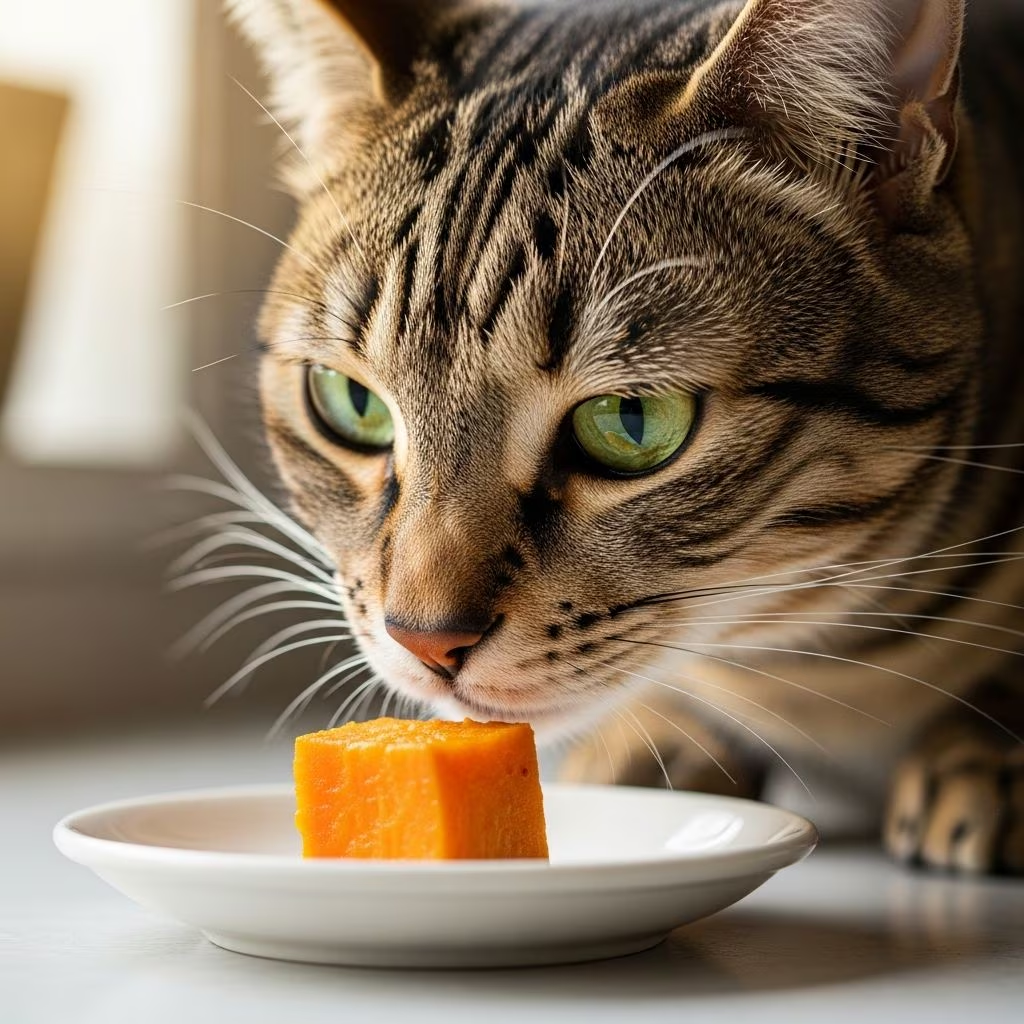
Can Cats Eat Sweet Potatoes?
Yes, cats can eat sweet potatoes, but they should only be served plain, cooked, and without any added salt, spices, fats, or sweeteners such as Karo or maple syrup. Sweet potatoes are generally safer for cats than white potatoes, which contain solanine, a harmful toxin. When properly prepared and given in moderation, sweet potatoes can be a safe and occasional treat for your feline companion. However, it’s important to understand that while sweet potatoes offer certain nutritional benefits, they should never replace a cat’s primary diet of meat-based foods.
Nutritional Benefits of Sweet Potatoes for Cats
Sweet potatoes are nutritionally dense vegetables containing several compounds that may benefit your cat’s health. Understanding these nutritional components can help you make informed decisions about including them in your cat’s diet.
Vitamins and Minerals
Sweet potatoes are a powerhouse of essential vitamins, including vitamin A, vitamin C, and vitamin B6, all of which contribute to a robust immune system. Vitamin A is crucial for maintaining healthy vision, skin, and coat, while vitamin C is known for its role in immune function and as an antioxidant. Vitamin B6 is vital for protein metabolism and the creation of neurotransmitters. Additionally, sweet potatoes contain potassium and manganese, minerals that support various bodily functions.
Antioxidants and Beta-Carotene
The vibrant orange color of sweet potatoes is indicative of their rich beta-carotene content, which is a precursor to vitamin A and a powerful antioxidant. Antioxidants help neutralize free radicals, which are compounds that can cause cellular damage and lead to chronic diseases. By incorporating antioxidant-rich sweet potatoes into your cat’s diet, you provide them with protective compounds that may reduce the risk of disease and contribute to their overall health and longevity.
Fiber Content
Sweet potatoes contain both soluble and insoluble fiber. Insoluble fiber absorbs liquid from the intestines to help soften and bulk up stool, making it easier to pass, and acts as a stimulant to help keep things moving by stimulating the intestinal muscles. Soluble fiber, on the other hand, slows your cat’s digestion, which can help them to feel full for a longer time. The natural water content in sweet potatoes further aids in this process, functioning as a stool softener.
Health Benefits for Cats
May Help Relieve Digestive Problems
Sweet potatoes can be particularly beneficial for cats experiencing digestive issues. The fiber in sweet potatoes—both soluble and insoluble—works to regulate bowel movements and can help prevent constipation and diarrhea. Sweet potato can soothe upset tummies with its easily digestible soluble fiber, and it contains potassium, which can be lost during bouts of vomiting or diarrhea. Additionally, sweet potatoes help increase the healthy bacteria in the intestines, leading to better gastrointestinal health. This benefit is particularly important for indoor cats, who may be less active and therefore more prone to digestive issues.
Supports Hydration
If you’re preparing sweet potatoes in a way that retains some of their natural water content—such as boiling or steaming—they can contribute to your cat’s hydration levels, especially if your cat isn’t a big water drinker. This added hydration can support overall health and kidney function.
Keeps Your Cat Satisfied Longer
Sweet potatoes are a good source of resistant starch, which breaks down slowly in the digestive system. This extended digestion time allows them to stay in the stomach much longer, promoting a sense of fullness and satisfaction in your cat until their next meal. A sweet potato snack in mid-morning or mid-afternoon can help your cat stay full and comfortable until their next regular meal.
May Help with Hairball Control
The dietary fiber content in sweet potatoes aids in the smooth transit of food through the intestines, which can ease the passage of hair through the digestive system, potentially reducing the likelihood of hairball formation. This is an additional benefit for cats that struggle with hairballs.
Blood Glucose and Metabolic Health
Research has shown that sweet potato diets have a better effect on controlling blood glucose and blood lipids in cats compared to other carbohydrate sources. This indicates that sweet potatoes may be a preferable carbohydrate option if your cat requires dietary carbohydrates.
Why Sweet Potato Appears in Commercial Cat Foods
Sweet potatoes are often included in small amounts in commercial cat foods for texture and fiber content. They also contain various nutrients and antioxidants that may be beneficial to cats. However, it’s important to keep in mind that sweet potatoes should not be a primary food source for obligate carnivores like cats. Their inclusion in commercial cat foods is balanced with other ingredients to ensure a nutritionally complete diet that meets all of your cat’s dietary needs.
Potential Risks and Concerns
High in Carbohydrates
Sweet potatoes are a high-carbohydrate food, and cats have a limited ability to metabolize carbs. A diet too rich in carbs can lead to obesity and potentially diabetes—conditions that are increasingly common in domestic cats. This is the primary reason why sweet potatoes should only be offered occasionally and in small portions.
Digestive Issues
Although the fiber in sweet potatoes can be beneficial for digestive health, too much can lead to gastrointestinal issues like diarrhea or bloating. Additionally, because cats’ digestive systems are primarily designed to process meat, they have a limited ability to handle fiber-rich foods. It’s important to stick to small portion sizes and watch closely for any signs of stomach upset or discomfort.
Vitamin A Toxicity
While vitamin A is essential for cat health, too much vitamin A can be toxic for your pet. This is why it’s vital to offer sweet potato portions or treats in strict moderation. Symptoms of vitamin A poisoning include vomiting, lethargy or limited movement, irritability, skin peeling, poor coat health, and abdominal pain. If your pet shows unusual health symptoms, speak to your veterinarian immediately.
How to Prepare Sweet Potatoes for Cats
Preparation is crucial when offering sweet potatoes to your cat. Follow these guidelines to ensure safety:
- Cook thoroughly: Always cook sweet potatoes completely. Raw sweet potatoes can be difficult for cats to digest and may pose choking hazards.
- Avoid additions: Never add salt, spices, fats, sweeteners, or toppings. Plain preparation is essential.
- Suitable cooking methods: Boiling or steaming are ideal cooking methods that retain the natural water content and nutritional benefits.
- Cool before serving: Allow the cooked sweet potato to cool completely before offering it to your cat.
- Cut into small pieces: Serve in small, bite-sized portions appropriate for your cat’s size.
- Remove the skin: Some cats may have difficulty digesting the skin, so peeling is recommended.
Recommended Portion Sizes
Most cats eat sweet potato in small amounts. The general recommendation is to treat sweet potatoes as an occasional treat making up no more than 10% of your cat’s daily caloric intake. For most cats, this means a teaspoon to a tablespoon of cooked sweet potato a few times per week at most. Start with very small amounts to assess how your individual cat tolerates the addition to their diet.
Important Considerations
It’s important to note that any change in a cat’s diet should be monitored to observe how it affects their individual digestive process, as each cat may respond differently to increased fiber intake. Some cats may experience digestive upset while others tolerate sweet potatoes well. Additionally, while there’s debate about whether cats can extract the vitamins and minerals contained in carbs, it’s possible your cat could benefit from the many vitamins, minerals and other healthy compounds in sweet potatoes.
Always remember that a cat’s diet should primarily consist of vet-approved, meat-based foods to maintain optimal health. Sweet potatoes should be viewed as an occasional supplement, not a dietary staple.
Frequently Asked Questions
Q: Are cooked sweet potatoes safer than raw for cats?
A: Yes, cooked sweet potatoes are much safer for cats than raw. Cooking makes them easier to digest and removes potential choking hazards. Always serve plain, cooked sweet potatoes without any seasonings or additives.
Q: Can sweet potatoes cause diarrhea in cats?
A: While sweet potatoes can help with digestive issues, too much fiber can lead to diarrhea or bloating. Start with very small portions and monitor your cat’s response. If diarrhea develops, discontinue feeding and consult your veterinarian.
Q: How often can I give my cat sweet potatoes?
A: Sweet potatoes should be offered only occasionally, a few times per week at most, and in very small portions. They should not be a regular part of your cat’s daily diet.
Q: Is there a difference between sweet potatoes and regular white potatoes for cats?
A: Yes, sweet potatoes are generally safer for cats than white potatoes, which contain solanine, a harmful toxin. However, both should only be offered in cooked form and in moderation.
Q: Can sweet potatoes help my overweight cat?
A: While sweet potatoes are low in fat and contain fiber that promotes satiety, their high carbohydrate content can actually contribute to obesity if given too frequently. For weight management, consult your veterinarian about a balanced, portion-controlled diet specifically designed for weight loss.
Q: What should I do if my cat shows signs of vitamin A toxicity?
A: Symptoms include vomiting, lethargy, irritability, skin peeling, poor coat health, and abdominal pain. If you notice any of these symptoms, stop feeding sweet potatoes immediately and contact your veterinarian right away.
Q: Can kittens eat sweet potatoes?
A: While sweet potatoes are not toxic to kittens, they should be introduced very carefully and in tiny amounts. Kittens have developing digestive systems and should primarily eat kitten-formula foods designed for their nutritional needs. Consult your veterinarian before introducing any new foods to kittens.
Bottom Line
Sweet potatoes can be a safe and occasional treat for cats when properly prepared and offered in moderation. They offer certain nutritional benefits including fiber for digestive health, antioxidants, and vitamins that support immune function. However, their high carbohydrate content means they should never replace a cat’s meat-based diet and should be offered only occasionally. Always cook sweet potatoes plain, watch for signs of digestive upset, and consult your veterinarian if you have any concerns about your cat’s diet or health. When in doubt, prioritize your cat’s primary nutrition through high-quality, meat-based commercial cat foods or veterinarian-approved diets.
References
- Can Cats Eat Sweet Potatoes? Yes! — Chewy. Accessed 2026-01-14. https://www.chewy.com/education/cat/food-and-nutrition/can-cats-eat-sweet-potatoes
- Sweet Potato Cat Food: Cat Nutrition — Love, Nala. Accessed 2026-01-14. https://www.lovenala.com/blogs/nutrition-for-cats/sweet-potato-cat-food-the-new-trend-in-cat-nutrition
- Can Cats Eat Sweet Potatoes? — Wag!. Accessed 2026-01-14. https://wagwalking.com/wellness/can-cats-eat-sweet-potatoes
- Effects of five carbohydrate sources on cat diet digestibility and glycolipid metabolism — National Institute of Health. 2023. https://pmc.ncbi.nlm.nih.gov/articles/PMC10079813/
- Can Cats Have Sweet Potato? Safe Feeding Guide & Best Alternatives — BasePaws. Accessed 2026-01-14. https://basepaws.com/blog/can-cats-have-sweet-potato
- The Benefit of Sweet Potatoes in Your Pet’s Diet — Pets on Broadway. Accessed 2026-01-14. https://petsonbroadway.com/blogs/expert-advice/the-benefit-of-sweet-potatoes-in-your-pets-diet



