

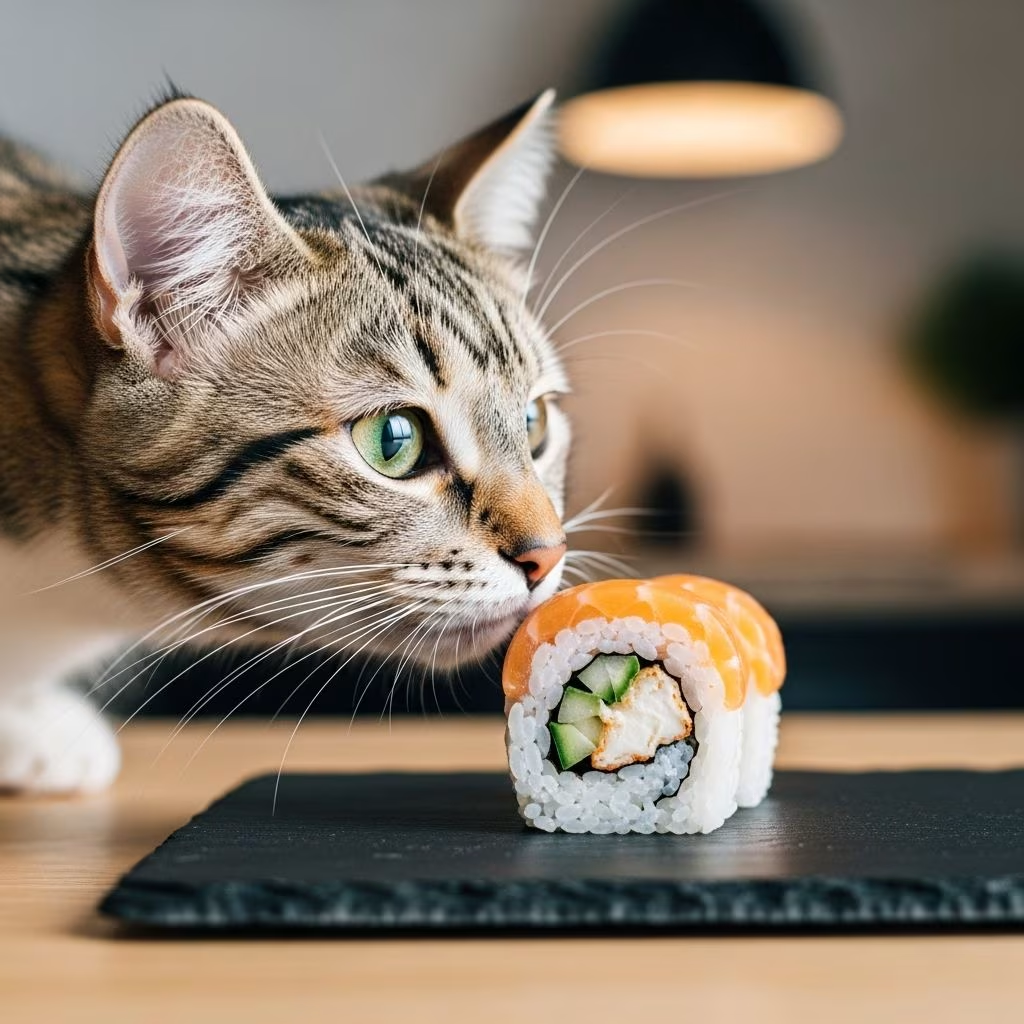
Sushi is a beloved human delicacy often featuring raw fish, rice, and seasonings, but it poses significant health risks to cats. The short answer is **no, cats should not eat sushi** due to potential digestive upset, parasites, bacteria, and toxic ingredients like soy sauce and wasabi.
Is Sushi Bad for Cats?
To understand why sushi is unsafe, we must examine its core ingredients: raw fish, rice, seaweed, soy sauce, wasabi, and sometimes avocado or spicy elements. Cats are obligate carnivores with digestive systems optimized for meat, not seasoned human foods. While fish appeals to their instincts, raw preparations and additives make sushi hazardous.
Raw Fish
**Raw fish** is the primary concern in sushi like nigiri or sashimi. Cats in the wild might eat fresh prey, but commercial sushi fish often harbors parasites such as tapeworms, flukes, and roundworms. These can cause weight loss, vomiting, diarrhea, and severe infections in cats.
Bacteria like **Salmonella** and **Listeria** thrive in raw fish, leading to foodborne illnesses with symptoms including lethargy, fever, and dehydration. Thiaminase, an enzyme in some raw fish (e.g., tuna, herring), destroys vitamin B1 (thiamine), potentially causing neurological issues like seizures if consumed regularly.
Allergies to certain fish can trigger gastrointestinal distress, itchy skin, over-grooming, and hair loss. Mercury accumulation in larger fish like tuna exacerbates risks with chronic exposure.
Sushi Rice
Sushi rice is vinegared, sugared, and sometimes salted, which cats cannot properly digest. The carbohydrates provide empty calories, potentially leading to obesity or diabetes in inactive cats. Vinegar may cause mild stomach upset, while excess sugar disrupts their low-carb needs.
Soy Sauce
**Soy sauce** is loaded with sodium—up to 1,000mg per tablespoon—risking salt toxicity (hypernatremia). Symptoms include increased thirst, vomiting, tremors, seizures, and even death in severe cases. Cats’ kidneys struggle with high salt, especially those with heart or renal issues.
Wasabi and Spices
**Wasabi**, a spicy horseradish relative, irritates a cat’s sensitive mouth, throat, and gut, causing drooling, vomiting, and pain. Other spices or ginger in sushi can similarly inflame the digestive tract.
Other Ingredients
- Avocado: Contains persin, toxic to cats, causing vomiting and diarrhea.
- Seaweed/Nori: Generally safe in tiny amounts but indigestible and low-nutrient.
- Cream Cheese or Tempura: High fat leads to pancreatitis; frying adds oils cats tolerate poorly.
- Onions/Garlic: Common in some rolls; hemolytic anemia risk.
Even “safe” cooked sushi often includes these unsafe elements, making it unsuitable.
Potential Health Risks of Feeding Cats Sushi
Combining ingredients amplifies dangers. Acute risks include bacterial infections (vomiting, bloody diarrhea) and parasite infestations requiring deworming. Chronic issues: thiamine deficiency, mercury poisoning (neurological damage), obesity from rice, and sodium-related hypertension.
Sensitive cats may develop allergies manifesting as chronic itching or IBD-like symptoms. Kittens, seniors, or immunocompromised cats face higher vulnerability.
| Risk Factor | Symptoms | Severity |
|---|---|---|
| Parasites (Tapeworms, Flukes) | Weight loss, distended abdomen, scooting | High |
| Bacteria (Salmonella) | Vomiting, diarrhea, fever | Medium-High |
| Sodium Toxicity | Thirst, tremors, seizures | High |
| Thiaminase Deficiency | Appetite loss, seizures | High (chronic) |
| Allergies | Itching, hair loss, GI upset | Medium |
Health Benefits of Fish for Cats (When Prepared Safely)
Fish isn’t all bad—**cooked fish** offers omega-3 fatty acids for skin/coat health, anti-inflammatory benefits, and protein for muscle maintenance. Salmon provides vitamins A, B12, D, selenium, and potassium, aiding immunity, vision, arthritis, and heart health.
- Shiny coat and reduced shedding.
- Joint support for older cats.
- Improved metabolism and anemia prevention.
Moderation prevents mercury buildup; variety avoids thiaminase-rich fish.
How to Safely Prepare Fish for Cats
Skip sushi—opt for plain, cooked fish as an occasional treat (10% of diet max).
- Choose Safe Fish: Salmon, whitefish, cod; avoid tuna often due to mercury.
- Cook Thoroughly: Bake, steam, or boil at 165°F+ to kill pathogens/parasites. No raw!
- Debone Completely: Choking hazard prevented.
- No Seasonings: Skip salt, oils, garlic, onions.
- Portion Control: 1-2 oz weekly for average cat; shred finely.
Commercial fish-based cat foods are formulated safely with balanced nutrients.
What to Do If Your Cat Eats Sushi
Don’t panic for small amounts—many cats tolerate occasional nibbles. Monitor 24-72 hours for:
- Vomiting/diarrhea.
- Lethargy, appetite loss.
- Excessive thirst/urination.
- Tremors, seizures (emergency!).
Contact vet if symptoms appear; provide sushi details (type, amount). They may recommend activated charcoal, fluids, or antiparasitics.
Summary
Sushi’s allure for cats stems from fishy scents, but **risks far outweigh rewards**. Raw fish parasites/bacteria, sodium overload, and irritants make it a no-go. Provide **plain cooked fish** sparingly or vet-approved treats for safe indulgence. Prioritize balanced commercial diets; consult your vet for personalized advice. Your cat’s health thrives on caution, not culinary experiments.
Frequently Asked Questions (FAQs)
Can cats eat raw fish from sushi?
No, raw sushi fish risks parasites, bacteria, and thiamine deficiency. Always cook fish for cats.
Is wasabi toxic to cats?
Wasabi irritates the mouth and gut due to spiciness; avoid entirely.
Can cats eat sushi rice?
In small amounts, plain rice is okay but seasoned sushi rice causes upset from vinegar/sugar.
Is soy sauce safe for cats?
No, high sodium leads to toxicity; even licks are risky.
Can cats eat cooked sushi?
Cooked fish parts might be okay tiny bits, but avoid due to other ingredients like sauces.
What if my cat ate sushi accidentally?
Monitor for illness; see vet if vomiting, lethargy, or other symptoms occur.
Is tuna sushi okay for cats?
No—raw tuna risks mercury, PCBs, and thiaminase.
References
- Can Cats Have Sushi? Safety & Risks Explained — Zoorithm. 2023. https://www.zoorithm.com/cats/can-cats-have-sushi
- Can Cats Eat Sushi? A Comprehensive Guide for Cat Owners — NextGen Paws. 2023. https://nextgenpaws.pet/blogs/news/can-cats-eat-sushi-a-comprehensive-guide-for-cat-owners
- Can Cats Eat Sushi? Vet-Reviewed Nutrition Facts & Safety Guide — Catster. 2023. https://www.catster.com/nutrition/can-cats-eat-sushi/
- Can Cats Eat Tuna, Salmon, or Raw Fish? — Whisker. 2023. https://www.whisker.com/blog/can-cats-eat-tuna-raw-fish-sushi-salmon
- Everything About Cats and Seafood — Pet Honesty. 2023-10-01. https://www.pethonesty.com/blogs/blog/can-cats-eat-raw-fish-everything-you-need-to-know-about-cats-and-seafood



