

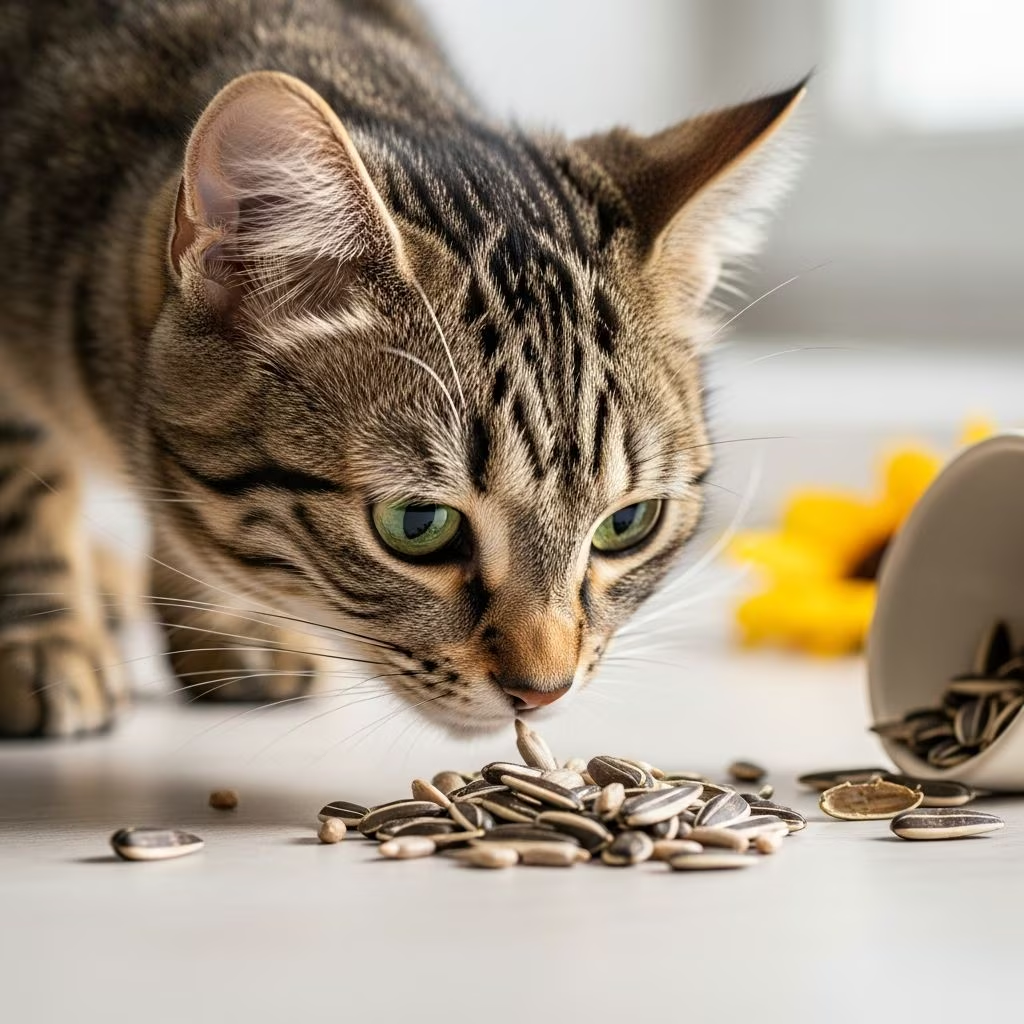
Can Cats Eat Sunflower Seeds? A Complete Guide for Cat Parents
Sunflower seeds are a popular and nutritious snack enjoyed by millions of people worldwide, but as a cat parent, you might find yourself wondering whether it’s safe to share this treat with your feline companion. Cats are naturally curious creatures with a keen sense of smell, and they may become interested in foods you’re enjoying. However, just because something is safe for humans doesn’t mean it’s appropriate for cats. Understanding what your cat can and cannot eat is crucial for maintaining their health and preventing potentially dangerous situations. This comprehensive guide will explore everything you need to know about sunflower seeds and cats, including their safety profile, nutritional content, potential risks, and best practices for offering them as treats.
Are Sunflower Seeds Safe for Cats?
The straightforward answer is yes—sunflower seeds are generally safe for cats to consume in moderation. According to the ASPCA, sunflowers are non-toxic to cats, meaning they don’t contain harmful compounds that would poison your feline friend. Most cats will remain unaffected if they nibble on a sunflower seed, and you don’t need to panic if your cat occasionally finds and eats one.
However, safety in moderation is the key principle here. While sunflower seeds themselves aren’t toxic, there are several important considerations and precautions you should take before offering them to your cat. Not all sunflower seeds are created equal, and certain types or preparations can pose risks to your pet’s health. The shell, preparation method, and quantity all play crucial roles in determining whether sunflower seeds are truly safe for your specific cat.
It’s essential to understand that just because something is non-toxic doesn’t automatically make it an ideal treat for your cat. The safety of sunflower seeds depends heavily on how they’re prepared and how much your cat consumes. Taking these factors into account will help you make informed decisions about your cat’s diet.
Nutritional Benefits of Sunflower Seeds for Cats
Sunflower seeds contain several nutrients that can provide health benefits to cats when consumed in appropriate amounts. Understanding these nutritional components can help you appreciate why some pet owners choose to offer sunflower seeds as occasional treats.
- Healthy Fats: Sunflower seeds are rich in polyunsaturated fats that support a shiny, lustrous coat and promote healthy skin. These fats are essential for maintaining your cat’s appearance and protecting their skin barrier.
- Vitamin E: This powerful antioxidant helps protect your cat’s cells from damage caused by free radicals, supporting overall cellular health. Vitamin E also plays a role in immune function and skin health.
- B Vitamins: Sunflower seeds contain B1 and B5 vitamins, which are important for energy metabolism and nervous system function.
- Minerals: These seeds provide magnesium, which plays a crucial role in muscle and nerve function, as well as copper and manganese, which support various metabolic processes.
- Protein: Sunflower seeds contain protein, which is essential for your cat’s overall growth and tissue maintenance.
- Fiber: The high fiber content can positively impact digestive function when seeds are given in moderation.
Despite these nutritional benefits, it’s important to remember that sunflower seeds should never be considered a substitute for your cat’s regular diet. Cats have specific, specialized dietary needs that are best met through high-quality commercial cat food formulated specifically for feline nutrition. Treats, including sunflower seeds, should comprise only a tiny fraction of your cat’s overall daily caloric intake—typically no more than 10% of their total daily calories.
Important Nutritional Considerations
While sunflower seeds do offer nutritional benefits, they also come with some important caveats. One significant concern is their fat content, which is quite high at approximately 51 grams per 100 grams of seeds. This elevated fat content means that excessive consumption can potentially upset your cat’s stomach, leading to vomiting and diarrhea. Cats evolved to eat primarily meat-based proteins and have digestive systems optimized for animal products rather than plant-based fats.
Additionally, sunflower seeds are calorie-dense, meaning a small amount provides a significant number of calories. For cats with limited daily caloric allowances, especially those managing weight issues, even a few sunflower seeds can represent a meaningful portion of their daily intake. This is why portion control and frequency are absolutely critical when offering sunflower seeds to your feline friend.
How to Safely Feed Sunflower Seeds to Your Cat
If you’ve decided to offer sunflower seeds to your cat as an occasional treat, following proper safety guidelines is essential to prevent health problems and ensure your cat enjoys them safely.
Step-by-Step Safety Guidelines
- Remove the Shell Completely: Always remove the hard outer shell before offering sunflower seeds to your cat. The shell poses a choking hazard and can cause digestive issues if swallowed. Shells can potentially cause blockages or scratch the digestive tract lining.
- Choose Plain, Unsalted Seeds: Select only plain, unsalted sunflower seeds without any added seasonings, oils, or flavorings. Avoid roasted seeds that have been treated with salt or other additives, as cats are much more sensitive to sodium than humans are.
- Start with Minimal Amounts: Begin by offering just one or two seeds to see how your cat reacts to this new food. Some cats may have sensitivities to new foods that aren’t immediately apparent.
- Monitor for Adverse Reactions: After your cat eats sunflower seeds, watch carefully for any signs of stomach upset, unusual behavior, vomiting, or diarrhea. If you notice any concerning symptoms, discontinue offering sunflower seeds and consult your veterinarian.
- Limit Frequency and Portion Size: Offer sunflower seeds only as an occasional treat, not as a daily snack. A good rule of thumb is to provide just a few seeds a couple of times per week or even less frequently.
- Consult Your Veterinarian: Before introducing any new food to your cat’s balanced diet, always check with your veterinarian. Your vet can provide personalized recommendations based on your cat’s individual health status, age, and dietary needs.
Portion Size Recommendations
Determining the appropriate portion size for sunflower seeds can be challenging because each cat is unique in terms of size, metabolism, and digestive sensitivity. Since cats have relatively small stomachs compared to humans, they should definitely not be eating human-sized portions of any food.
For most adult cats, one or two sunflower seed kernels (with shells removed) per sitting is an appropriate portion. This minimal amount allows your cat to experience the treat without overwhelming their digestive system or contributing excessively to their daily caloric intake. The exact number may vary slightly depending on your individual cat’s size and tolerance, which is why starting small and observing your cat’s response is so important.
Frequency is equally important as portion size. Offering sunflower seeds once or twice per month is generally sufficient and appropriate for most healthy adult cats. Some sources recommend offering them a couple of times per week at most, but less frequent offerings are generally safer, especially when you’re first introducing this food to your cat’s diet.
Foods to Avoid: Unsafe Sunflower Seed Preparations
Not all sunflower seed preparations are appropriate for cats. Understanding which types to avoid will help you keep your feline friend safe.
- Flavored Sunflower Seeds: Never offer flavored sunflower seeds to your cat, as they often contain seasonings, oils, and additives that can be harmful to feline health.
- Salted Seeds: Salted or heavily seasoned sunflower seeds should be avoided entirely, as cats are sensitive to sodium and excessive salt can cause health problems.
- Sunflower Seeds with Shells: Always remove shells before offering seeds to your cat to prevent choking hazards and digestive issues.
- Seeds Coated in Oils or Spices: Avoid any seeds that have been roasted with oils or treated with spices, garlic, or onion.
What to Do If Your Cat Eats Sunflower Seed Shells
Accidents happen, and your cat may occasionally find and consume a sunflower seed shell before you have a chance to remove it. If this occurs, don’t panic. Monitor your cat closely for any signs of discomfort, choking, or digestive issues. Most cats will pass a single seed shell without any problems. However, if you notice unusual symptoms such as difficulty swallowing, excessive drooling, loss of appetite, vomiting, constipation, or diarrhea, contact your veterinarian right away. These symptoms could indicate that the shell is causing a blockage or has irritated your cat’s digestive tract.
Special Populations: Kittens and Cats with Health Conditions
Kittens: It’s best to avoid giving sunflower seeds to kittens, as their digestive systems are still developing and maturing. Kittens should stick to high-quality kitten food specifically formulated for their nutritional needs during this critical growth period. Introducing new foods too early can upset their delicate digestive balance.
Senior Cats: While senior cats can generally have sunflower seeds in moderation, consult your veterinarian first, especially if your older cat has any digestive sensitivities or underlying health conditions.
Cats with Health Conditions: If your cat has been diagnosed with pancreatitis, inflammatory bowel disease, obesity, or other digestive or metabolic conditions, sunflower seeds should be avoided entirely, as the high fat content could exacerbate their condition. Always consult with your veterinarian before offering any new foods to cats with health issues.
Alternative Seeds and Treats for Cats
If you’re looking to offer your cat a variety of healthy treat options, several alternatives to sunflower seeds are worth considering. Pumpkin seeds (unsalted and shelled) are another safe option in moderation. Additionally, chia seeds are non-toxic and can be beneficial for cats, though they should also be given in small amounts—approximately one-quarter teaspoon for every 10 pounds of your cat’s body weight. Blended chia seeds may be easier for your cat to digest than whole seeds.
Beyond seeds, consider offering your cat cooked meats like chicken or beef (without seasonings, salt, or onions) as special treats. These protein-rich options align more closely with your cat’s natural dietary preferences and nutritional needs.
Sunflower Oil for Cats
Sunflower oil is non-toxic to cats and can be beneficial when given in small amounts. Unlike the seeds themselves, sunflower oil is a polyunsaturated fat that’s commonly found in many types of commercial cat food. When used appropriately, sunflower oil can support your cat’s skin and coat health, provide omega fatty acids for eye and brain health, and help make mealtime more appealing, especially for older cats losing interest in food.
If you’re considering adding sunflower oil to your cat’s diet, use it sparingly to prevent mild gastric upset. A balanced ratio of omega-6 to omega-3 fatty acids (approximately 5 to 1) is ideal for optimal health benefits. You can mix a small amount of sunflower oil into your cat’s wet or dry food, but always start with minimal quantities and monitor your cat’s response. Never give sunflower oil as a standalone supplement, and avoid giving it regularly—it should only be an occasional addition to their diet.
Frequently Asked Questions About Sunflower Seeds and Cats
Q: Can kittens eat sunflower seeds?
A: It’s best to avoid giving sunflower seeds to kittens, as their digestive systems are still developing. Stick to a high-quality kitten food specifically formulated for their nutritional needs.
Q: Are flavored sunflower seeds safe for cats?
A: No, flavored sunflower seeds often contain seasonings, oils, and additives that can be harmful to cats. Only offer plain, unsalted sunflower seeds with the shells completely removed.
Q: What should I do if my cat eats sunflower seed shells?
A: Monitor your cat closely for any signs of discomfort, choking, or digestive issues. If you notice unusual symptoms such as vomiting, constipation, or difficulty swallowing, contact your veterinarian right away.
Q: How often can I give my cat sunflower seeds?
A: Sunflower seeds should only be an occasional treat, given in very small amounts. Once or twice a month is generally appropriate, though some sources suggest a couple of times per week at most. Always consult with your veterinarian for personalized recommendations.
Q: How many sunflower seeds can my cat eat in one sitting?
A: There isn’t a precise universal number since each cat’s stomach is small and each pet is unique. However, it’s best to limit sunflower seeds to just one or two kernels (with shells removed) per sitting to avoid digestive upset.
Q: What other seeds are safe for cats?
A: Pumpkin seeds (unsalted and shelled) are another safe option in moderation. Chia seeds are also non-toxic and can be beneficial when given in appropriate amounts. Always research specific seeds before offering them to your cat, and consult your veterinarian when introducing any new foods.
Q: Can cats drink or eat sunflower oil?
A: Yes, sunflower oil is non-toxic to cats and can be beneficial in small amounts, supporting skin and coat health. However, use it sparingly as an occasional addition to their regular food, not as a regular supplement or standalone treat.
Conclusion: Making Informed Decisions About Your Cat’s Diet
Sunflower seeds can be a safe and occasionally beneficial treat for your cat when offered responsibly. The key to success is understanding and following proper safety guidelines: always remove shells, choose plain unsalted varieties, start with minimal portions, monitor your cat’s response, and offer them only occasionally. Remember that treats should make up no more than 10% of your cat’s daily caloric intake, and your cat’s primary nutrition should come from high-quality commercial cat food formulated to meet their specific dietary needs.
Every cat is unique, with individual preferences, sensitivities, and health considerations. What works well for one cat might not be appropriate for another. Before introducing sunflower seeds or any new food to your cat’s diet, it’s always wise to consult with your veterinarian. They can assess your individual cat’s health status and provide personalized recommendations tailored to your pet’s specific needs. By making informed decisions and prioritizing your cat’s health and safety, you can enjoy knowing that the treats you offer contribute positively to their wellbeing without introducing unnecessary risks.
References
- Can Cats Eat Sunflower Seeds? A Complete Guide — Dial A Vet. 2025. https://www.dialavet.com/blog/can-cats-eat-sunflower-seeds
- Nuts and Seeds for Cats: Benefits, Risks, and Considerations — Petcube. 2025. https://petcube.com/blog/can-cats-eat-nuts-and-seeds/
- Are Sunflowers Toxic to Cats | Safe or Hazardous for Felines — Feline Fancy. 2025. https://felinefancy.co.uk/blogs/cat-care-tips/are-sunflowers-toxic-to-cats
- Can Cats Drink Sunflower Oil? Nutritional Facts & FAQ — Catster. 2025. https://www.catster.com/nutrition/can-cats-drink-sunflower-oil/
- Are Sunflowers Toxic to Cats? What You Need to Know About This Popular Flower — BasePaws. 2025. https://basepaws.com/blog/are-sunflowers-toxic-to-cats-what-you-need-to-know-about-this-popular-flower



