

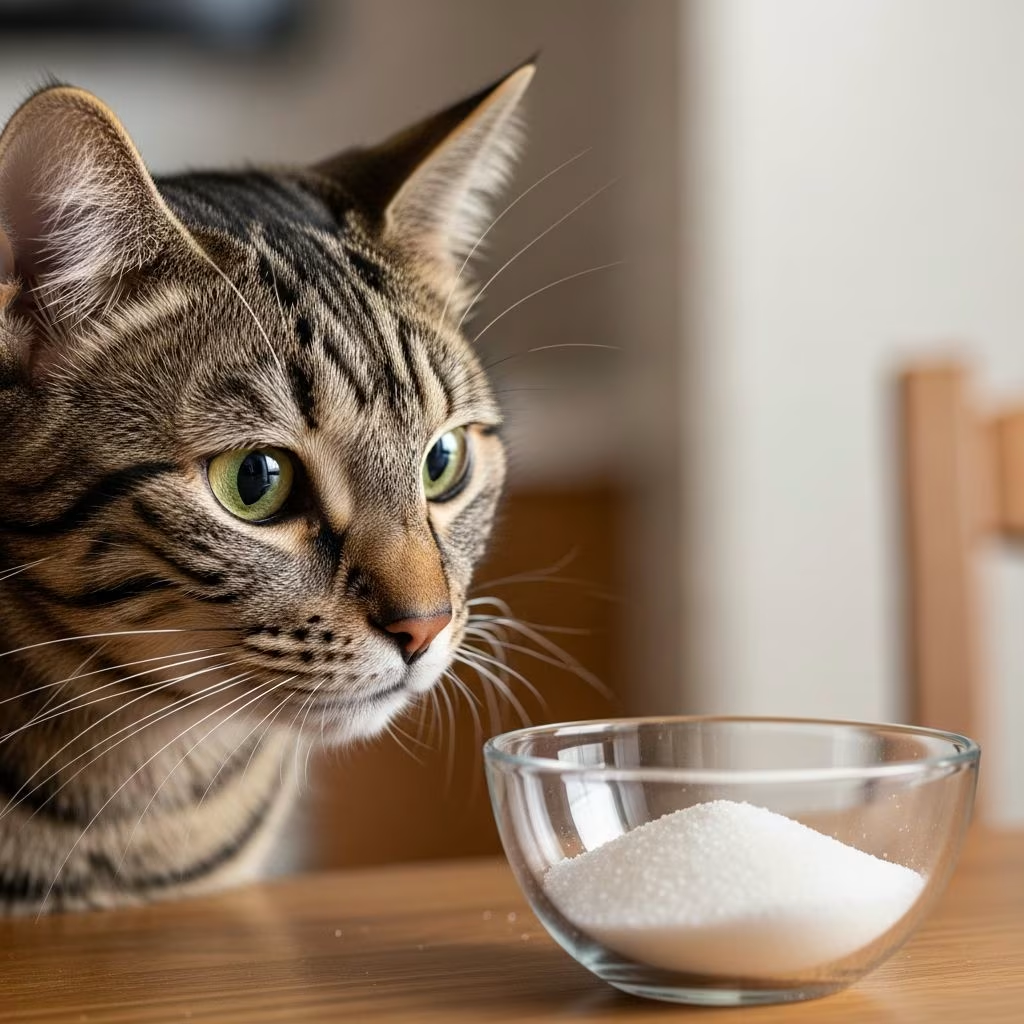
Can Cats Eat Sugar? Understanding Feline Digestive Limitations
As a pet owner, you may wonder whether it’s safe to share sugary treats with your feline companion. The straightforward answer is no—cats should not eat sugar. Unlike humans, cats have evolved as obligate carnivores with specialized digestive systems designed exclusively for processing meat-based diets. Their bodies lack the physiological mechanisms necessary to efficiently metabolize sugar and other carbohydrates. While a small amount of sugar (less than 3% of their daily meals) isn’t immediately toxic, regular sugar consumption poses significant health risks that can compromise your cat’s quality of life.
Why Cats Cannot Digest Sugar Properly
Understanding your cat’s digestive limitations is crucial for making informed dietary choices. Cats lack the enzyme amylase, which is responsible for breaking down starch and sugar into smaller, more absorbable molecules. This enzyme is naturally present in human saliva and is essential for initiating carbohydrate digestion. Without amylase, your cat’s digestive system cannot efficiently process sugary foods from the very beginning of the digestive process.
Additionally, cats have short intestines compared to other mammals, further limiting their ability to process carbohydrates. When sugar passes through their system largely undigested, it can cause immediate discomfort and long-term health complications. The combination of these anatomical and enzymatic factors means that cats simply aren’t equipped to handle sugar the way humans are.
Because cats are pure carnivores, their metabolism is biologically adapted to a meat-based diet. This means their bodies are optimized for processing protein and fat, not carbohydrates. When cats consume sugar, their bodies cannot break it down efficiently and instead convert excess sugar into fat, which accumulates in their tissues over time.
Health Risks Associated with Sugar Consumption in Cats
Sugar consumption in cats can trigger a cascade of health problems that may become chronic and require lifelong management. Here are the primary health risks:
Obesity and Weight Management Issues
Obesity is one of the most immediate consequences of excessive sugar intake. Since cats cannot metabolize sugar effectively, their bodies store it as fat. This leads to rapid weight gain and a less agile, less active cat. According to recent health data, approximately one-third of cats in developed regions are overweight, making feline obesity a significant public health concern for pets.
The consequences of obesity extend beyond appearance. Excess weight increases pressure on cats’ joints, leading to arthritis and difficulty moving. Overweight cats experience reduced mobility, decreased quality of life, and limited ability to engage in natural behaviors like climbing and hunting. The physical strain also affects their cardiovascular system and metabolic function.
Diabetes Mellitus
One of the most serious long-term consequences of sugar consumption is diabetes mellitus, which can become chronic in cats. When cats consume excessive sugar, blood glucose levels spike. Over time, these recurring spikes can lead to insulin resistance, forcing the pancreas to work harder to regulate blood sugar levels.
Research has shown that cats have lowered glucokinase (GCK) activity in their liver and pancreas. This enzyme functions as a “glucose sensor,” and cats have a limited ability to regulate blood sugar levels without it. Continuous demands for insulin production from excessive sugar intake can eventually exhaust the pancreatic beta cells, resulting in type II diabetes.
Certain cat breeds appear more predisposed to diabetes when consuming high-carbohydrate diets, including Russian Blue, Burmese, and Siamese cats. Once diagnosed with diabetes, a cat requires lifelong treatment and management, which can significantly impact quality of life and require ongoing veterinary care and medication.
Digestive Problems
Cats have sensitive digestive systems, and eating sugar can cause intestinal disorders. Because felines lack the enzymes necessary for efficient carbohydrate digestion, consuming sugar causes gastrointestinal discomfort. Depending on the amount of sugar consumed, cats may experience:
- Vomiting and diarrhea due to inability to digest sugars properly
- Flatulence and bloating from fermentation of undigested sugars
- General indigestion and abdominal discomfort
- Gastroenteritis as a result of sugar and chemical accumulation
Cats with pre-existing chronic gastrointestinal diseases, such as irritable bowel syndrome (IBS), colitis, or gastritis, are particularly susceptible to these problems and should strictly avoid sugary foods.
Dental Health Deterioration
Sugar negatively impacts cats’ dental health. High sugar consumption can lead to the formation of plaque and tartar on teeth surfaces. These deposits create an environment where bacteria thrive, leading to gingivitis and other serious dental problems. If left untreated, sugar-related dental disease can progress to tooth loss and serious oral infections that require extraction and intensive veterinary intervention.
Heart and Liver Problems
Obesity from sugar consumption can lead to the accumulation of fat around vital organs, affecting their functions. Excess adipose tissue around the heart and liver can compromise these organs’ ability to function properly. This can result in cardiovascular disease, liver failure, and urinary problems including bladder stones.
Short-Term Symptoms of Sugar Consumption
If your cat accidentally consumes sugar, you may notice immediate symptoms depending on the amount and your cat’s individual sensitivity. These short-term signs include:
- Vomiting
- Diarrhea
- General discomfort and restlessness
- Loss of appetite
- Unusual behavior or lethargy
Most cats will negatively react to consuming significant amounts of sweets, though individual sensitivity varies. Some felines are more susceptible to digestive distress than others.
The Danger of Artificial Sweeteners
While regular sugar poses numerous health risks, artificial sweeteners present an even greater threat to feline health. The most dangerous artificial sweetener for cats is xylitol, which is commonly found in sugar-free gums, mints, and other products.
Xylitol is very toxic to cats. Even small amounts can cause severe health consequences including:
- A sharp drop in blood sugar levels (hypoglycemia)
- Liver damage and hepatic failure
- Vomiting and gastrointestinal upset
- Unsteadiness and loss of coordination
- Nervous seizures and tremors
- Death in severe cases
If your cat ingests xylitol, seek immediate veterinary attention. This is a medical emergency that requires prompt treatment to prevent severe organ damage or death.
What Should Be in Healthy Cat Food?
Now that you understand why cats should avoid sugar, it’s essential to know what constitutes proper feline nutrition. A nutritious cat food should be based on high-quality animal protein. Here are the key nutritional components your cat needs:
Essential Nutritional Components
| Nutrient | Purpose | Importance for Cats |
|---|---|---|
| Animal Protein | Builds and repairs muscles and tissues | Primary dietary requirement; cats are obligate carnivores |
| Healthy Fats | Provides energy and supports organ function | Essential for brain health and immune function |
| Clean Water | Supports hydration and organ function | Critical for kidney and urinary health |
| Minimal Carbohydrates | Some digestible carbs acceptable | Should not exceed 3% of daily meals |
In addition to sugar, cats should also avoid gluten, starch, colorings, gelatin, and preservatives. These additives provide minimal nutritional value and can trigger digestive issues or allergic reactions in sensitive cats. When selecting cat food, read ingredient lists carefully and prioritize products that list meat as the primary ingredient.
Do Cats Have a Sweet Tooth?
Interestingly, cats do not crave sugar because they lack taste receptors for sweetness. Unlike humans, who have dedicated taste buds for detecting sweet flavors, cats have evolved without this sensory ability. This makes biological sense given their carnivorous heritage—wild cats would never encounter sweet-tasting foods in nature.
If your cat shows interest in sugary foods, it’s likely due to the texture, fat content, or other appealing characteristics rather than the taste of sweetness itself. This is important to remember when tempted to share human treats with your pet; your cat isn’t missing out on a flavor experience they naturally crave.
Refined Sugar vs. Natural Sugar
Refined sugar is heavily processed, which further decreases its nutritional value. While some might assume that natural sugars from fruits or vegetables are safer for cats than table sugar, the reality is more nuanced. Cats can handle a certain amount of digestible carbs, but artificial sweeteners and table sugar should be off the table.
Refined sugar is commonly found in commercial treats, desserts, flavored wet foods, and other processed products. Always check product labels for added sugars, especially in treats marketed for cats. Many commercial cat treats contain unnecessary sugars that provide no nutritional benefit.
Frequently Asked Questions (FAQs)
Q: Is a small amount of sugar dangerous for cats?
A: While sugar isn’t immediately toxic in tiny amounts, regular consumption poses cumulative health risks. Even small amounts can contribute to obesity, diabetes, and dental problems over time. It’s best to avoid sugar entirely in your cat’s diet.
Q: What should I do if my cat accidentally eats sugar?
A: Monitor your cat for digestive symptoms like vomiting or diarrhea. Most cases of accidental sugar consumption cause mild discomfort. However, if your cat consumed xylitol or shows severe symptoms, contact your veterinarian immediately, as this constitutes a medical emergency.
Q: Can cats eat fruit as a natural source of sugar?
A: While some fruits contain natural sugars, most cats have no nutritional need for them. If offering fruit occasionally, choose low-sugar options like small pieces of melon, and ensure they represent less than 10% of daily caloric intake. Always consult your veterinarian before introducing new foods.
Q: How can I tell if my cat is developing diabetes?
A: The two most common signs of feline diabetes are weight loss despite a good appetite and increased thirst and urination. If you notice these symptoms, schedule a veterinary examination immediately for blood glucose testing and proper diagnosis.
Q: Are there any safe sweet treats for cats?
A: The safest approach is avoiding sweets altogether and opting for meat-based treats instead. High-protein treats that align with feline nutritional needs are far better for your cat’s long-term health than any sugary alternative.
References
- Sugar in Cat Food: How Harmful is It for Cats? — RumbleBox. 2024. https://rumble-box.com/en/blogs/futterungstipps-katzenwissen/zucker-im-katzenfutter
- The Dangers of Sweets to Cats — Al-Taher Al-Sabe for Animals. 2024. https://hppsevenbird.com/en/blog/The-dangers-of-sweets-to-cats/a-3215601
- Can Cats Eat Sweets: What You Should Know About Cats and Sugary Treats — Bond Vet. 2024. https://bondvet.com/blog/can-cats-eat-sweets-what-you-should-know-about-cats-and-sugary-treats
- The Truth About Sugar in Cat Food: Is Sugar Bad For Cats? — Scrumbles. 2024. https://scrumbles.co.uk/blogs/news/is-sugar-bad-for-cats
- Why Cats Don’t Need Sugar In Their Food — AniForte UK. 2024. https://www.aniforte.co.uk/blogs/news/how-much-sugar-does-cat-food-contain
- Can Cats Eat Sugar? A Short and Sweet Analysis — Untamed Cat Food. 2024. https://untamed.com/blogs/nutrition/can-cats-eat-sugar
- Cats and Carbohydrates: The Carnivore Fantasy? — PubMed Central, National Institutes of Health. 2017. https://pmc.ncbi.nlm.nih.gov/articles/PMC5753635/
- Feline Diabetes — Cornell University College of Veterinary Medicine. 2024. https://www.vet.cornell.edu/departments-centers-and-institutes/cornell-feline-health-center/health-information/feline-health-topics/feline-diabetes
- Xylitol Poisoning in Cats — Joii Pet Care. 2024. https://www.joiipetcare.com/blogs/poisons/xylitol-poisoning-in-cats



