

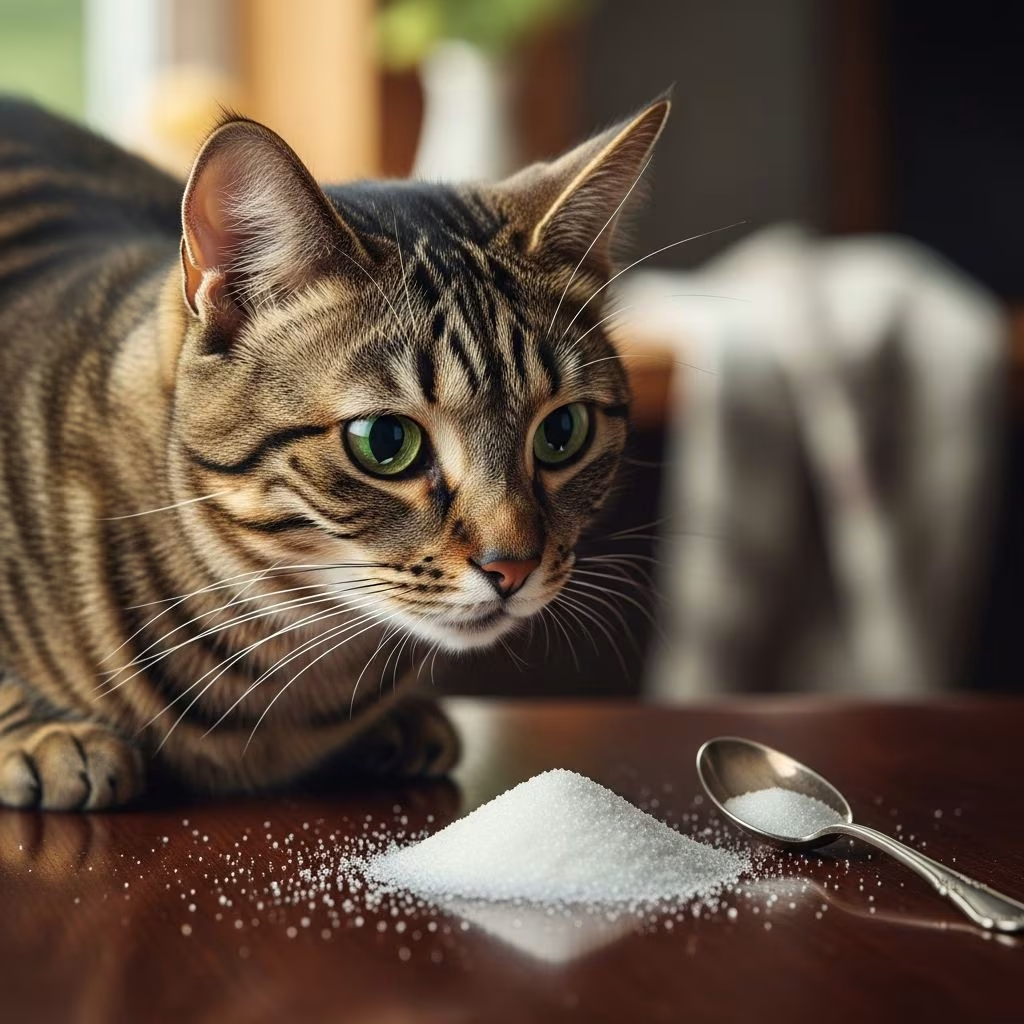
Cats cannot safely eat sugar in significant amounts due to their biology as obligate carnivores, lacking key enzymes to digest carbohydrates effectively, which can lead to obesity, diabetes, digestive issues, and dental problems.
Short Answer: Can Cats Eat Sugar?
No, cats should not eat sugar. While small amounts might not cause immediate harm, regular or excessive consumption is detrimental because cats lack the salivary amylase enzyme needed to break down sugars and starches, leading to poor metabolism and fat storage. As pure carnivores, their diet thrives on animal proteins and fats, not carbs like sugar found in human sweets.
Why Can’t Cats Eat Sugar?
Cats evolved as strict meat-eaters, with short digestive tracts and minimal carbohydrate-processing capabilities. Their saliva lacks amylase, an enzyme essential for starch and sugar breakdown, so undigested sugars ferment in the gut, causing bloating, gas, diarrhea, or vomiting. Unlike dogs or humans, cats have reduced taste receptors for sweetness, so they don’t crave it but may be attracted to the texture or fat in sugary treats.
Refined sugars, like table sugar or those in candies, offer empty calories with no nutritional value for felines. Natural sugars in prey (minimal) are tolerable in trace amounts (<3% of diet), but processed sugars overwhelm their pancreas and liver, which have low glucokinase activity for glucose regulation.
Health Risks of Sugar for Cats
Excess sugar intake poses multiple serious health threats to cats, supported by veterinary research and clinical observations.
Obesity
Sugar converts directly to fat in cats unable to metabolize it efficiently, leading to rapid weight gain. About one-third of UK cats are overweight, exacerbating issues like joint strain, arthritis, heart disease, liver problems, and reduced mobility. Obesity strains vital organs and shortens lifespan.
Diabetes Mellitus
Chronic high sugar spikes blood glucose, causing insulin resistance and type 2 diabetes, especially in overweight cats or breeds like Burmese, Siamese, and Russian Blues. Studies link high-carb diets to pancreatic beta-cell exhaustion and amyloid deposition, reducing diabetes remission chances. Feline diabetes requires lifelong insulin therapy, severely impacting quality of life.
Digestive Problems
Undigested sugar rushes through short feline intestines, fermenting and causing indigestion, flatulence, vomiting, diarrhea, or gastroenteritis. Cats with pre-existing conditions like IBS, colitis, or gastritis are particularly vulnerable.
Dental Issues
Sugar feeds oral bacteria, promoting plaque, tartar buildup, gingivitis, and potential tooth loss or infections. Regular exposure mirrors human dental decay, leading to painful conditions untreated cats suffer silently.
Other Risks: Artificial Sweeteners Like Xylitol
Xylitol, common in sugar-free gums, mints, and some sweets, is highly toxic to cats. It triggers rapid insulin release, causing severe hypoglycemia (low blood sugar) with symptoms like weakness, lethargy, vomiting, tremors, seizures, coma, liver failure, or death—even in tiny amounts. Other sweeteners may cause similar stomach upset.
What Happens If a Cat Eats Sugar?
Immediate effects depend on quantity and cat sensitivity:
- Mild ingestion: Vomiting, diarrhea, bloating, or lethargy within hours.
- Large amounts: Severe GI distress, dehydration, or pancreatitis flare-up.
- Xylitol exposure: Hypoglycemia signs (unsteadiness, seizures) within 30 minutes; emergency vet care needed.
- Long-term: Gradual obesity, insulin resistance, dental decay.
Monitor for 24-48 hours post-ingestion. Contact a vet if symptoms persist or worsen, providing details on what and how much was eaten.
Safe Alternatives to Sugar for Cats
Skip human sweets; opt for cat-specific treats high in animal protein and low-carb (<3% carbs). Commercial options should prioritize meat, fish, or organs without grains, sugars, or fillers.
| Treat Type | Benefits | Examples |
|---|---|---|
| Freeze-Dried Meat | High protein, low cal, mimics prey | Chicken, salmon bites |
| Commercial Cat Treats | Vet-formulated, dental aids | Grain-free fish treats |
| Plain Cooked Meat | Occasional, unseasoned | Boiled chicken, turkey |
| Veggie Bits (tiny) | Fiber, natural trace sugars | Pumpkin puree (sparingly) |
Avoid grapes, raisins, chocolate, onions—toxic alongside sugar. Hydration via wet food or fountains supports health.
How Much Sugar Can Cats Tolerate?
Ideally zero added/refined sugar. Natural carbs from whole prey should not exceed 3% of daily calories. Check labels: Avoid anything listing sugar, corn syrup, or carbs >10%. A 4kg cat needs ~200-250 kcal/day, mostly protein/fat. High-carb dry foods contribute hidden sugars; transition to wet/low-carb kibble gradually.
Veterinarian Insights on Cats and Sugar
Vets unanimously advise against sugar, citing rising feline obesity and diabetes epidemics tied to carb-heavy commercial foods. Dr. Notes from Cornell Feline Health Center emphasize monitoring blood sugar crashes in diabetic cats, worsened by irregular carb intake. Low-carb diets aid diabetes remission in 80%+ cases when caught early.
For overweight cats, weight loss via protein-rich, sugar-free diets reduces joint/diabetes risks. Annual check-ups catch issues early.
Frequently Asked Questions (FAQs)
Can cats taste sugar?
Cats have functional but diminished sweet taste receptors, so they detect but don’t crave sugar like omnivores.
Is sugar in cat food bad?
Yes, added sugars for palatability provide no benefit and risk obesity/diabetes. Choose meat-based formulas.
What if my cat ate candy?
Watch for vomiting/diarrhea; rush to vet for xylitol or large amounts. Induce vomiting only under vet guidance.
Are fruits safe for cats?
Limited tiny amounts of low-sugar fruits (e.g., blueberries) ok, but avoid due to digestion issues. Stick to meat.
How to prevent sugar access?
Store sweets securely; offer cat treats instead. Train ‘leave it’ command.
Conclusion: Keep Sugar Away from Your Cat
Prioritize species-appropriate nutrition: high-protein, low-carb diets prevent sugar-related woes. Your cat’s health thrives without sweets—consult your vet for personalized plans.
References
- Sugar in cat food: How harmful is it for cats? — RumbleBox. 2023. https://rumble-box.com/en/blogs/futterungstipps-katzenwissen/zucker-im-katzenfutter
- The dangers of sweets to cats — HPP Seven Bird. 2023. https://hppsevenbird.com/en/blog/The-dangers-of-sweets-to-cats/a-3215601
- Can Cats Eat Sweets: What You Should Know — Bond Vet. 2023. https://bondvet.com/blog/can-cats-eat-sweets-what-you-should-know-about-cats-and-sugary-treats
- The Truth About Sugar in Cat Food — Scrumbles. 2023. https://scrumbles.co.uk/blogs/news/is-sugar-bad-for-cats
- Why Cats Don’t Need Sugar In Their Food — AniForte UK. 2023. https://www.aniforte.co.uk/blogs/news/how-much-sugar-does-cat-food-contain
- Can cats eat sugar? A short and sweet analysis — Untamed. 2023. https://untamed.com/blogs/nutrition/can-cats-eat-sugar
- Cats and Carbohydrates: The Carnivore Fantasy? — PMC – NIH. 2017-12-20. https://pmc.ncbi.nlm.nih.gov/articles/PMC5753635/



