

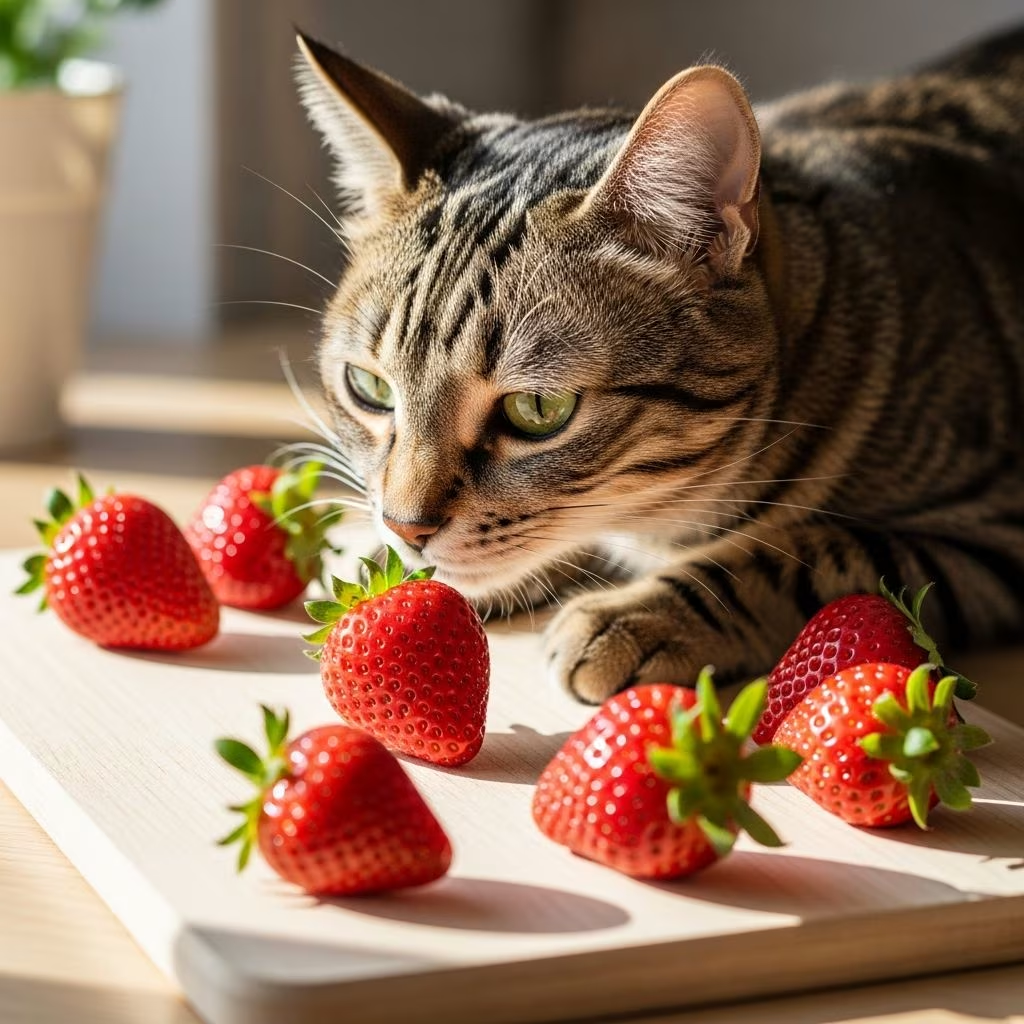
Can Cats Eat Strawberries? Everything You Need to Know
If you’ve ever enjoyed a bowl of fresh strawberries and noticed your cat showing interest in this colorful fruit, you’ve probably wondered whether it’s safe to share. The good news is that strawberries are non-toxic to cats, making them a safe occasional treat. However, there’s more to consider when it comes to your feline companion’s diet. Understanding the nutritional profile of strawberries, their potential benefits and risks, and how to properly prepare them can help you make informed decisions about what treats to offer your cat.
Cats are obligate carnivores, meaning their bodies are designed to thrive primarily on meat-based proteins rather than plant-based foods. This fundamental dietary requirement significantly influences how your cat can benefit from fruits like strawberries. While strawberries may seem like a healthy treat for humans, the nutritional advantages they offer cats are quite limited. Nevertheless, in moderation, strawberries can be a refreshing and hydrating occasional treat that adds variety to your cat’s diet.
Are Strawberries Safe for Cats?
Yes, strawberries are generally safe for cats to consume in small amounts. Unlike some fruits that are toxic to felines, such as grapes, raisins, and certain citrus fruits, strawberries do not contain compounds that are harmful to cats. If your cat manages to sneak a small piece of strawberry when you’re not looking, there’s no need to panic. However, this doesn’t mean strawberries should become a regular part of your cat’s diet.
The key to safely feeding strawberries to your cat is moderation and proper preparation. Not all cats should be offered strawberries, and certain conditions warrant extra caution. Kittens, overweight cats, and cats diagnosed with diabetes should avoid strawberries altogether. Additionally, if your cat has any underlying health conditions or is taking medications, consulting with your veterinarian before introducing strawberries is always a prudent approach.
Nutritional Benefits of Strawberries for Cats
While strawberries offer several nutritional compounds, the benefits they provide to cats are relatively modest compared to the benefits they offer humans. Understanding what strawberries contain can help you appreciate both their potential advantages and limitations for your feline friend.
Vitamin C and Antioxidants
Strawberries are well-known for their high vitamin C content, an essential nutrient for immune health in many animals. However, cats have a unique ability: they naturally synthesize their own vitamin C internally, unlike humans who must obtain it from dietary sources. This means that the vitamin C in strawberries provides minimal additional benefit to most cats. That said, the antioxidants in strawberries, including anthocyanins and quercetin, may offer a small protective boost by helping to combat free radicals and reduce oxidative stress in your cat’s body.
The antioxidant properties of strawberries can support your cat’s immune system and may contribute to cellular repair and protection against certain infections and diseases. Additionally, ellagic acid, another antioxidant compound found in strawberries, can help reduce inflammation and support your cat’s skin and fur health.
Fiber Content
Strawberries contain natural dietary fiber, which can support digestive health in cats. While cats don’t require as much fiber as humans do, the small amount present in strawberries may help promote regular bowel movements and prevent constipation. For cats prone to digestive issues or those that tend to overeat, the fiber in strawberries can help create a feeling of fullness, potentially supporting weight management efforts. Fiber also plays a role in regulating blood sugar levels, which can be particularly beneficial for cats with diabetes risk factors.
Hydration and Other Nutrients
One of the most significant nutritional benefits strawberries offer cats is hydration. Strawberries are approximately 91% water, making them an excellent source of moisture for cats who may not drink enough water throughout the day. This hydrating quality is particularly valuable for cats that don’t have strong drinking habits, as proper hydration is crucial for kidney health and overall wellness.
Strawberries also contain potassium, a mineral essential for nerve function, muscle movement, and maintaining fluid balance in your cat’s body. Additionally, they provide folate, which supports immune health and basic cellular functions. However, cats typically obtain these nutrients in sufficient quantities from their regular protein-based diet, so strawberries should be viewed as a supplementary source rather than a primary one.
Potential Risks and Concerns
Despite being non-toxic, strawberries do present some potential risks when fed to cats, particularly if given in excessive quantities or to cats with specific health conditions.
High Sugar Content
The primary concern with feeding strawberries to cats is their natural sugar content. Strawberries contain fructose, a naturally occurring fruit sugar that is too high for cats’ nutritional requirements. Unlike humans who can benefit from the nutrients in fruit, cats have no biological need for the sugars found in strawberries. Excessive consumption of sugar can contribute to unhealthy weight gain and increase the risk of diabetes in cats. For cats that are already overweight or have been diagnosed with diabetes, strawberries should be avoided entirely.
Digestive Upset
When cats consume too many strawberries, the high citric acid and vitamin C content can imbalance the pH levels in their digestive tract, potentially causing acidity-related digestive complications and gastrointestinal distress. Additionally, the fiber content, while beneficial in small amounts, can cause digestive upset if your cat consumes too much fruit at once.
Choking Hazard
Strawberries, particularly whole or poorly cut strawberries, can present a choking hazard to cats. Proper preparation, including removing stems and cutting strawberries into small, bite-sized pieces, is essential for preventing choking incidents.
Pesticide Residue
Strawberries are often treated with pesticides during cultivation. Thoroughly washing strawberries before offering them to your cat helps remove dirt and potential pesticide residue, making them safer for consumption.
How to Safely Prepare and Serve Strawberries to Your Cat
If you’ve decided that offering your cat a small amount of strawberries is appropriate, following proper preparation guidelines is crucial for your cat’s safety and health.
Preparation Steps
To prepare strawberries for your cat, follow these essential guidelines:
- Wash thoroughly: Rinse strawberries under running water to remove dirt, bacteria, and potential pesticide residue.
- Remove stems and leaves: Cut out the stems and leaves completely, as these parts can be tough for cats to chew and digest, potentially causing digestive problems.
- Cut into small pieces: Slice strawberries into small, bite-sized pieces to minimize the risk of choking.
- Serve fresh: Offer fresh strawberries rather than dried, candied, or canned varieties, which often contain high concentrations of added sugar and may include preservatives harmful to cats.
- Consider frozen options: Fresh or frozen strawberries are acceptable, but thaw frozen berries before serving.
Portion Control
When offering strawberries to your cat, moderation is paramount. A small piece or two of strawberry once in a while is sufficient and appropriate. Given that strawberries are approximately 91% water and offer minimal nutritional benefit to cats, they should represent only a tiny fraction of your cat’s daily caloric intake. Treats, including strawberries, should constitute no more than 10% of your cat’s total daily caloric intake, with the remaining 90% coming from their primary cat food.
Monitoring Your Cat’s Reaction
When introducing strawberries to your cat for the first time, observe their reaction closely. Some cats may experience mild digestive upset, while others may show no adverse effects whatsoever. If you notice any unusual behavior, vomiting, diarrhea, or other signs of discomfort, discontinue offering strawberries immediately and contact your veterinarian if symptoms persist.
Strawberry Products and Alternatives
Beyond fresh strawberries, there are other strawberry-related products and alternatives to consider for your cat.
Strawberry Yogurt
Some cat owners wonder whether their cats can enjoy strawberry yogurt. The answer is yes, but with significant caveats. Cats can consume a small amount of strawberry yogurt, provided they are not lactose-intolerant, which many adult cats are. Additionally, sugar-sensitive cats and obese cats should avoid strawberry yogurt entirely due to its concentrated sugar content. If you do offer strawberry yogurt, limit the amount to less than one teaspoon.
Strawberry-Flavored Treats
Commercial strawberry-flavored cat treats are available and can be a safer alternative to fresh strawberries, as they are formulated specifically for feline nutrition and typically contain more appropriate sugar levels and portion sizes.
Other Safe Fruits for Cats
If you’re looking for fruit alternatives to offer your cat, several options are safer and may be more palatable to your feline friend. Blueberries, bananas, and watermelon can be offered occasionally in small amounts. These fruits should also be prepared properly and given in moderation, following the same guidelines as strawberries.
Fruits and Foods to Avoid
While strawberries are safe, certain fruits and foods are toxic to cats and should be avoided entirely. Grapes and raisins are highly toxic to cats and can cause kidney failure. Citrus fruits, including lemons, limes, and grapefruit, contain compounds that can cause gastrointestinal upset. Avocados contain persin, which can be toxic to cats. Onions and garlic are also dangerous for feline consumption.
Special Considerations for Different Cat Populations
Kittens
Young kittens should not be offered strawberries or other fruits. Their digestive systems are still developing, and they require a diet focused entirely on kitten-formulated food that provides the proper balance of nutrients for growth and development.
Overweight Cats
Cats that are overweight or obese should avoid strawberries due to their sugar content and potential contribution to weight gain. Consult with your veterinarian about appropriate treats for weight management.
Diabetic Cats
Cats diagnosed with diabetes should not consume strawberries, as the sugar content can complicate blood glucose management. Work with your veterinarian to develop an appropriate treat plan for diabetic cats.
Cats with Medical Conditions
If your cat has been diagnosed with any medical condition or is on medications, consult with your veterinarian before introducing strawberries or other new foods.
Nutritional Comparison: Strawberries vs. Regular Cat Food
To put the nutritional value of strawberries in perspective, consider how they compare to the nutritionally balanced diet your cat receives from quality cat food.
| Nutrient | Strawberries (per 100g) | Cat Dietary Need | Relevance |
|---|---|---|---|
| Protein | 0.7g | High (primary nutrient) | Very Low |
| Fat | 0.3g | Moderate | Low |
| Carbohydrates/Sugar | 7.7g | Minimal | Concern |
| Fiber | 2g | Small amounts beneficial | Moderate |
| Water | 91% | Important for hydration | Beneficial |
| Vitamin C | High | Self-synthesized by cats | Minimal |
As this comparison illustrates, strawberries lack the high protein content that cats need and that quality cat food provides. While they offer some beneficial compounds, they cannot and should not replace proper feline nutrition.
Frequently Asked Questions About Cats and Strawberries
Q: Can kittens eat strawberries?
A: No, kittens should not be offered strawberries. Young kittens require a diet specifically formulated for growth and development, and their digestive systems are not yet ready for fruits and treats.
Q: What should I do if my cat eats a whole strawberry?
A: If your cat accidentally consumes a whole strawberry, monitor them closely for any signs of choking or digestive upset. Most cats can handle a whole small strawberry without issue, but contact your veterinarian if you notice any concerning symptoms.
Q: Are frozen strawberries safe for cats?
A: Yes, frozen strawberries are safe for cats as long as they are thawed before serving. Serve them at room temperature to make them easier for your cat to eat.
Q: How often can I give my cat strawberries?
A: Strawberries should be offered only occasionally, perhaps a few times per month at most. They should represent a very small portion of your cat’s diet.
Q: Can cats eat strawberry leaves or stems?
A: No, cats should not eat strawberry leaves or stems. While not toxic, these parts are tough and difficult for cats to digest, potentially causing digestive issues. Always remove them before offering strawberries to your cat.
Q: Are there any health benefits that make strawberries worth offering to my cat?
A: While strawberries offer some minor benefits including hydration and antioxidants, these benefits are not significant enough to warrant regular feeding. Proper cat food and fresh water provide better nutrition for your feline friend.
Q: What are signs that strawberries upset my cat’s stomach?
A: Signs of digestive upset include vomiting, diarrhea, constipation, decreased appetite, or unusual letharness. If you notice any of these symptoms after offering strawberries, discontinue and contact your veterinarian.
Final Thoughts: Can Cats Have Strawberries?
The answer is clear: yes, cats can eat strawberries in very small amounts and only occasionally. Strawberries are non-toxic and safe for most healthy adult cats when properly prepared and served in moderation. However, they offer minimal nutritional benefit to felines and carry certain risks, particularly regarding sugar content and digestive complications if overfed.
The most important takeaway is that strawberries should be viewed as an occasional treat, not as a dietary staple or regular supplement. Your cat’s primary nutrition should come from high-quality, protein-rich cat food formulated to meet all of their specific nutritional requirements. If you choose to offer strawberries to your cat, remember to wash them thoroughly, remove stems and leaves, cut them into small pieces to prevent choking, and monitor your cat’s reaction closely.
Always prioritize your cat’s individual health status and dietary needs. If your cat is overweight, diabetic, a young kitten, or has any underlying health conditions, avoid offering strawberries entirely. When in doubt, your veterinarian is the best resource for personalized dietary recommendations for your feline companion. By making informed choices about treats and maintaining a balanced, protein-focused diet, you’ll help ensure your cat enjoys a long, healthy, and happy life.
References
- Can Cats Eat Strawberries? A Complete Guide for Pet Owners — Dial A Vet. https://www.dialavet.com/blog/can-cats-eat-strawberries-a-complete-guide-for-pet-owners
- Can Cats Eat Strawberries as a Healthy Treat? — HowStuffWorks. https://animals.howstuffworks.com/pets/can-cats-eat-strawberries.htm
- Can Cats Eat Strawberries? — PetMD. https://www.petmd.com/cat/nutrition/can-cats-eat-strawberries
- Can Cats Eat Strawberries? Safety, Benefits & Tips — Noble Vet Clinic. https://noblevetclinic.com/blog/can-cats-eat-strawberries
- Can cats eat strawberries? Get the info on forbidden fruits for cats — Untamed. https://untamed.com/blogs/nutrition/can-cats-eat-strawberries
- Can Cats or Kittens Eat Strawberries? — Hill’s Pet US. https://www.hillspet.com/cat-care/nutrition-feeding/can-cats-eat-strawberries
- Can Cats Eat Fruit? A Guide to Safety — Purina US. https://www.purina.com/articles/cat/feeding/can-cats-eat/fruits



