

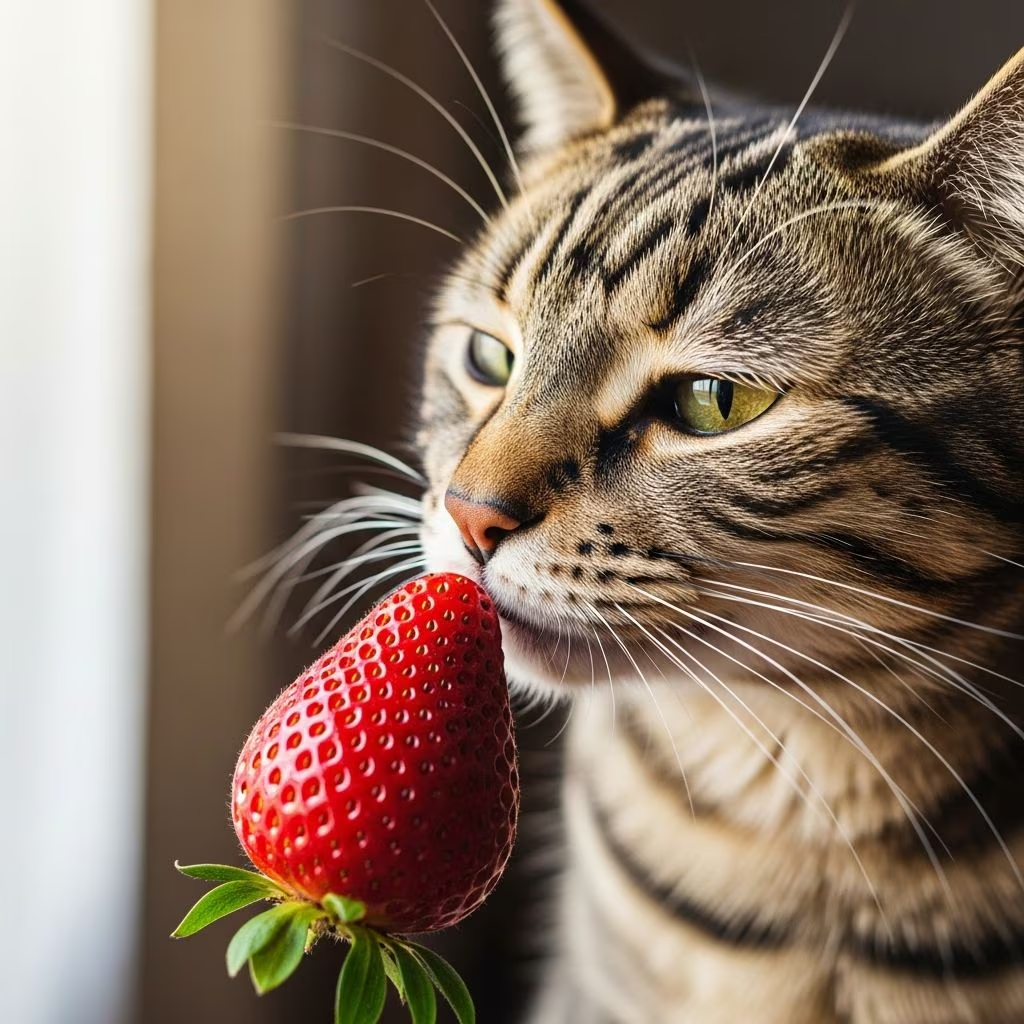
Strawberries are a popular, sweet fruit enjoyed by humans, but can cats eat strawberries safely? The answer is yes—strawberries are non-toxic to cats and can be offered as an occasional treat in small amounts. As obligate carnivores, cats derive essential nutrition primarily from animal-based proteins, so fruits like strawberries should never replace their balanced commercial cat food diet. This comprehensive guide explores the safety, nutritional benefits, potential risks, preparation methods, and feeding recommendations for strawberries in feline diets.
Are Strawberries Safe for Cats?
Strawberries pose no toxicity risk to cats, making them a safe occasional indulgence according to veterinary sources. The ASPCA lists strawberries as non-toxic for felines, confirming that accidental consumption won’t cause poisoning. However, safety depends on moderation; overfeeding can lead to digestive upset due to the fruit’s sugar and fiber content. Kittens, overweight cats, or those with diabetes should avoid strawberries altogether, as their higher sugar content could exacerbate health issues. Always consult a veterinarian for cats with pre-existing conditions before introducing new treats.
Nutritional Benefits of Strawberries for Cats
While strawberries pack impressive nutrients for humans—including vitamin C, fiber, potassium, and antioxidants—these benefits are limited for cats due to their unique physiology. Cats produce their own vitamin C and inefficiently process plant-based compounds, so strawberries offer minimal nutritional value compared to meat-based foods. Nonetheless, small amounts can provide supplementary perks when fed sparingly.
- Hydration Boost: Strawberries contain about 91% water, helping hydrate cats that drink insufficiently from bowls. This high moisture content makes them a refreshing treat, especially in hot weather.
- Fiber for Digestion: The natural fiber aids bowel regularity, prevents constipation, and supports gut health in small doses. It can also promote satiety to curb overeating in weight-management scenarios.
- Vitamin C and Antioxidants: Though cats synthesize vitamin C endogenously, extra from strawberries acts as an antioxidant, neutralizing free radicals to bolster immunity and cellular repair.
- Potassium: Supports nerve function, muscle contraction, and electrolyte balance, potentially reducing cramps or weakness.
- Ellagic Acid: This antioxidant may reduce inflammation, support skin and fur health, and combat oxidative stress.
A single small strawberry delivers roughly 4-6 calories, folate for cell metabolism, and manganese, but cats must consume impractically large quantities to reap significant gains—quantities that would cause issues. Treat them as fun additions rather than health foods.
Potential Risks and Dangers of Strawberries for Cats
Despite their safety profile, strawberries carry risks if mishandled or overfed. Cats lack sweet taste receptors and don’t crave sugar, but natural fructose can still harm.
- High Sugar Content: Fructose contributes to obesity, diabetes, and dental problems with excess intake. Even natural sugars exceed cats’ metabolic needs.
- Digestive Upset: Too much fiber may cause diarrhea, vomiting, or gas. Stems and leaves are indigestible, risking blockages.
- Allergic Reactions: Rare, but watch for itching, swelling, breathing issues, or GI distress on first exposure.
- Choking Hazard: Whole or large pieces pose choking risks; always chop finely.
- Processed Forms: Avoid canned, dried, candied, or flavored strawberries (e.g., yogurt, jam) due to added sugars, preservatives, and lactose.
Overconsumption amplifies these issues, underscoring moderation—limit to 1-2 small pieces weekly for most adults.
How to Safely Prepare Strawberries for Cats
Proper preparation minimizes risks and enhances palatability. Follow these steps:
- Wash Thoroughly: Rinse under cool water to remove pesticides, dirt, and bacteria.
- Remove Stems and Leaves: These are tough and indigestible; cut them off completely.
- Chop into Small Pieces: Dice into tiny, bite-sized portions to prevent choking, especially for small cats or kittens.
- Serve Fresh or Frozen: Fresh is ideal; frozen (thawed) adds chill for teething kittens. Plain only—no additives.
- Introduce Gradually: Start with a pea-sized amount to monitor tolerance.
Store extras in the fridge for up to 3 days or freeze for longer. Mash into commercial wet food for picky eaters if desired.
How Much Strawberry Can Cats Eat?
Portion control is crucial. General guidelines:
| Cat Type | Recommended Amount | Frequency |
|---|---|---|
| Adult Cat (Healthy) | 1/2 to 1 small strawberry | 1-2 times per week |
| Kitten | None or tiny sliver | Rarely |
| Overweight/Diabetic | Avoid | N/A |
| Senior/Special Needs | Consult vet; minimal | As advised |
Treats should comprise no more than 10% of daily calories. A 5kg cat needs ~200-250 calories/day; one strawberry is ~5 calories.
Can Cats Eat Strawberry Leaves, Stems, or Plants?
No—avoid strawberry leaves, stems, and plants. Though non-toxic, their fibrous texture is hard to digest, potentially causing vomiting, diarrhea, or obstructions. The plant may harbor pesticides. Stick to fruit flesh only.
Alternatives to Strawberries for Cats
For variety, opt for cat-safe options:
- Watermelon (seedless, rind-free): High water, low sugar.
- Blueberries: Antioxidants, low calorie.
- Cooked Pumpkin: Fiber for digestion.
- Commercial Treats: Strawberry-flavored cat treats formulated for felines.
- Meat-Based Snacks: Chicken, tuna—nutritionally superior.
These align better with carnivorous needs.
Frequently Asked Questions (FAQs)
Can cats eat strawberry yogurt?
In tiny amounts (<1 tsp) if lactose-tolerant, but avoid for sugar-sensitive or obese cats. Plain yogurt is safer.
Why do some cats love strawberries?
The texture and moisture appeal, not sweetness—cats can’t taste it well.
Are frozen strawberries okay for cats?
Yes, thawed and chopped; provides a cool treat.
What if my cat eats too many strawberries?
Monitor for vomiting/diarrhea; withhold treats and contact vet if persistent.
Do strawberries help with cat hydration?
Yes, their water content offers a minor boost.
Conclusion
Strawberries can delight cats safely in moderation, providing hydration and minor perks without toxicity risks. Prioritize a protein-rich diet, using fruits sparingly. Observe reactions and vet-check as needed for tailored advice.
References
- Can Cats Eat Strawberries as a Healthy Treat? — HowStuffWorks. 2023-05-15. https://animals.howstuffworks.com/pets/can-cats-eat-strawberries.htm
- Can Cats Eat Strawberries? Safety, Benefits & Tips — Noble Vet Clinic. 2024-02-20. https://noblevetclinic.com/blog/can-cats-eat-strawberries
- Can Cats Eat Strawberries? — PetMD. 2024-08-10. https://www.petmd.com/cat/nutrition/can-cats-eat-strawberries
- Can Cats or Kittens Eat Strawberries? — Hill’s Pet Nutrition. 2023-11-05. https://www.hillspet.com/cat-care/nutrition-feeding/can-cats-eat-strawberries
- Can Cats Eat Strawberries? — Glenwood Pet Hospital. 2024-01-12. https://glenwoodpethospital.com/blog/cats-eat-strawberries/
- Can Cats Eat Strawberries? — Petfinder. 2023-07-18. https://www.petfinder.com/cats-and-kittens/feeding/can-cats-eat/strawberries/
- Can Cats Eat Strawberries? Everything You Need to Know — Chewy. 2024-03-22. https://www.chewy.com/education/cat/food-and-nutrition/can-cats-eat-strawberries



