

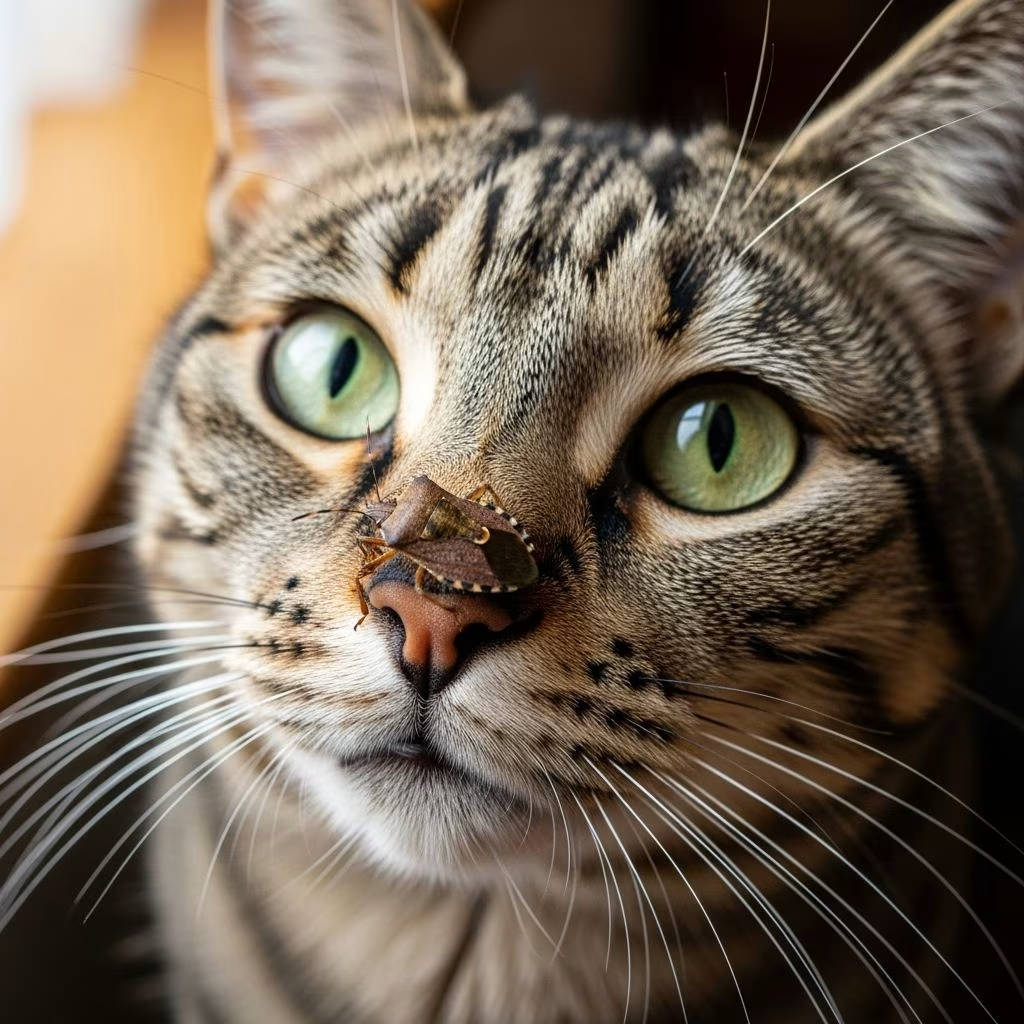
Can Cats Eat Stink Bugs? Vet-Reviewed Facts & FAQ
If you’ve ever caught your cat chasing a stink bug around your home, you might have wondered whether these smelly insects pose any danger to your feline friend. The good news is that stink bugs are not toxic to cats. However, this doesn’t necessarily mean your cat should be eating them. While a cat that has consumed one or two stink bugs will likely be fine, there are several important considerations pet owners should understand before allowing their cats to snack on these pests.
Stink bugs belong to the Hemiptera order and are commonly found in gardens, fields, and increasingly in homes across various regions. These insects are famous for their distinctive odor, which they release as a defense mechanism when threatened. Cats, being natural hunters with strong predatory instincts, are attracted to anything that moves, including stink bugs. Understanding the potential risks associated with stink bug consumption can help you make informed decisions about your cat’s safety and wellbeing.
Are Stink Bugs Toxic to Cats?
The first thing you need to know is that stink bugs are not toxic to cats. Their presence in your home won’t poison your cat, and if your cat’s predatory instincts take hold and they eat a few stink bugs, you don’t need to panic. In most cases, cats will either show no reaction at all or experience only mild, temporary gastrointestinal discomfort.
However, non-toxicity doesn’t mean stink bugs are a healthy food choice for cats. While the bugs themselves aren’t poisonous, the manner in which they can affect your cat’s body is worth understanding. The distinction between “toxic” and “harmful” is important here—stink bugs may not contain deadly poisons, but they can still cause problems for your feline companion.
What Are the Risks of Cats Eating Stink Bugs?
Digestive Irritation and Secretions
One of the primary concerns with stink bug consumption is the digestive irritation caused by the bug’s secretions. Stink bugs release foul-smelling compounds as a defense mechanism, and these secretions can cause problems throughout your cat’s digestive system. When a cat bites into a stink bug, these secretions come into contact with sensitive oral tissues, potentially causing redness or swelling on the tongue, gums, cheeks, or lips.
As the stink bug is swallowed, the secretions continue to irritate the esophagus as it travels down toward the stomach. Once in the digestive tract, these compounds can interfere with normal digestion and cause general gastrointestinal upset. If your cat has eaten a stink bug, watch for symptoms such as drooling, vomiting, or diarrhea. Fortunately, most of these symptoms typically resolve on their own without requiring veterinary intervention.
Hard Exoskeleton Challenges
Another consideration is the stink bug’s hard outer exoskeleton. Unlike softer insects, the rigid shell of a stink bug can be challenging for cats to digest properly. Similar to other hard-shelled insects, parts of the exoskeleton may not sit well with your cat’s intestinal tract. If your cat consumes multiple stink bugs, the accumulated indigestible material could lead to digestive discomfort, constipation, or more serious gastrointestinal problems.
Pesticide Contamination
Because stink bugs are agricultural and household pests, many areas employ pesticide treatments to control infestations. Stink bugs can carry these pesticides in their bodies and remain alive, but when eaten by a cat, these chemicals can be transferred to your pet’s body. While a single pesticide-filled stink bug is unlikely to cause significant harm, consuming multiple treated insects could potentially lead to chemical accumulation and toxicity concerns.
What Happens If Your Cat Eats a Stink Bug?
If your cat has already eaten a stink bug and you’re worried, take comfort in knowing that serious health issues are unlikely. At worst, your cat may experience an upset stomach. Most cats that consume one or two stink bugs will be fine, and the experience itself often discourages them from eating more, as the unpleasant taste and smell leave a lasting impression.
The most common symptoms following stink bug consumption include:
- Drooling
- Vomiting
- Diarrhea
- Temporary gastrointestinal discomfort
These symptoms, when they occur, typically resolve without treatment within a short period. However, if your cat shows signs of an unusual or severe reaction, or if symptoms persist beyond a day or two, it’s best to consult with your veterinarian. In rare cases where large quantities of bugs have been consumed, a blockage can form in the gastrointestinal tract that may require veterinary removal—though this outcome is unlikely from consuming one or two stink bugs.
How Much Stink Bug Consumption Is Safe?
While stink bugs don’t present a direct toxic threat, moderation is key when it comes to insect consumption. Small amounts of stink bugs are unlikely to cause serious problems, but intensive consumption should be avoided. If you notice your cat occasionally catching and eating a stink bug, monitoring their reaction is essential. If they seem fine after a few minor snacks here and there, you may not need to worry excessively.
However, regularly allowing your cat to feast on stink bugs is not recommended. The combination of irritating secretions, indigestible exoskeletons, and potential pesticide exposure makes these insects a poor choice as a regular food source. Cats should receive their primary nutrition from balanced commercial cat food formulated to meet their dietary needs.
Do Stink Bugs Have Any Health Benefits for Cats?
There is no convincing evidence to suggest that stink bugs offer significant health benefits for cats. While insects like crickets and mealworms can be nutritious treats when raised specifically for pet consumption, stink bugs are pests rather than intentional food sources. Cats are best served with balanced nutrition from their regular diet and appropriate supplements when needed, allowing them to thrive without relying on wild insects for nutrition.
Which Insects Are Safe for Cats to Eat?
If your cat is interested in hunting insects, some options are safer than others. The following insects are generally considered safe for cats:
- Flies – One of the most common insects cats chase, and they’re usually harmless if eaten
- Moths – Make easy targets and are safe for cats to consume in moderation
- Ants – Safe for cats as long as they’re not carrying pesticide residue
- Crickets and Mealworms – Can be safe for cats, particularly when raised specifically for pet consumption
The key consideration for any insect is ensuring it has not been treated with pesticides or chemicals. Always verify the feeding safety of any insects before allowing your cat to consume them.
What Insects Should Cats Avoid?
Beyond stink bugs, several other insects should be avoided:
- Cockroaches – While not toxic, they can carry bacteria, diseases, and parasites like tapeworms
- Treated or pesticide-exposed insects – Any bug that has been exposed to chemicals or pesticides
- Bees and Wasps – Can sting or cause severe allergic reactions
How to Keep Your Cat From Eating Stink Bugs
The best approach to protecting your cat from stink bugs is prevention. Consider the following strategies:
- Keep your cat indoors – This reduces their encounters with stink bugs and other outdoor pests
- Create a stimulating indoor environment – Provide toys and activities that redirect hunting instincts toward safe and fun options
- Seal entry points – Fix cracks and gaps in windows, doors, and walls to prevent stink bugs from entering your home
- Use screens – Ensure window and door screens are in good condition
- Remove stink bugs promptly – If you notice stink bugs in your home, capture and remove them safely before your cat has the chance to interact with them
An enriched indoor environment with climbing structures, interactive toys, and regular play sessions can help satisfy your cat’s natural hunting instincts without putting them at risk of encountering harmful pests.
When to Contact a Veterinarian
While most cases of stink bug consumption resolve without intervention, contact your veterinarian if:
- Your cat shows signs of severe or persistent gastrointestinal distress lasting more than 24 hours
- Your cat consumed a large number of stink bugs and shows signs of intestinal blockage (lethargy, loss of appetite, inability to defecate)
- Your cat has an unusual or severe allergic reaction
- You suspect your cat may have eaten pesticide-treated stink bugs and shows concerning symptoms
If you need immediate advice but can’t reach your regular veterinarian, online veterinary consultation services can provide guidance for minor concerns.
Frequently Asked Questions (FAQs)
Q: Are stink bugs poisonous to cats?
A: No, stink bugs are not poisonous or toxic to cats. However, their secretions and hard exoskeletons can cause gastrointestinal irritation and discomfort.
Q: What should I do if my cat eats a stink bug?
A: In most cases, you don’t need to do anything. Monitor your cat for signs of upset stomach such as vomiting or diarrhea. If symptoms develop, they typically resolve on their own. Contact a vet if symptoms are severe or persistent.
Q: Can stink bugs cause serious harm to cats?
A: Serious harm from eating one or two stink bugs is unlikely. However, consuming large quantities could potentially cause blockages or significant digestive upset requiring veterinary care.
Q: How can I prevent my cat from eating stink bugs?
A: Keep your cat indoors when possible, seal entry points to your home, remove stink bugs promptly, and provide an enriching indoor environment with toys and activities to redirect hunting instincts.
Q: Are there better insects for cats to eat?
A: Yes. Insects like flies, moths, and ants are safer for cats than stink bugs. Crickets and mealworms raised specifically for pet consumption are also nutritious options.
Q: What symptoms should I watch for after my cat eats a stink bug?
A: Watch for drooling, vomiting, diarrhea, and general lethargy. Most symptoms resolve without treatment, but persistent or severe symptoms warrant a veterinary visit.
Q: Can stink bugs be treated with pesticides and still harm my cat?
A: Yes. Pesticide-treated stink bugs can transfer chemicals to your cat when consumed. While one treated bug is unlikely to cause significant harm, multiple exposures could be problematic.
References
- Can Cats Eat Stink Bugs? Vet-Reviewed Facts & FAQ — Catster. 2024. https://www.catster.com/nutrition/can-cats-eat-stink-bugs/
- Can Cats Eat Stink Bugs? Vet-Verified Facts & Safety Guide — Hepper. 2024. https://articles.hepper.com/can-cats-eat-stink-bugs/



