

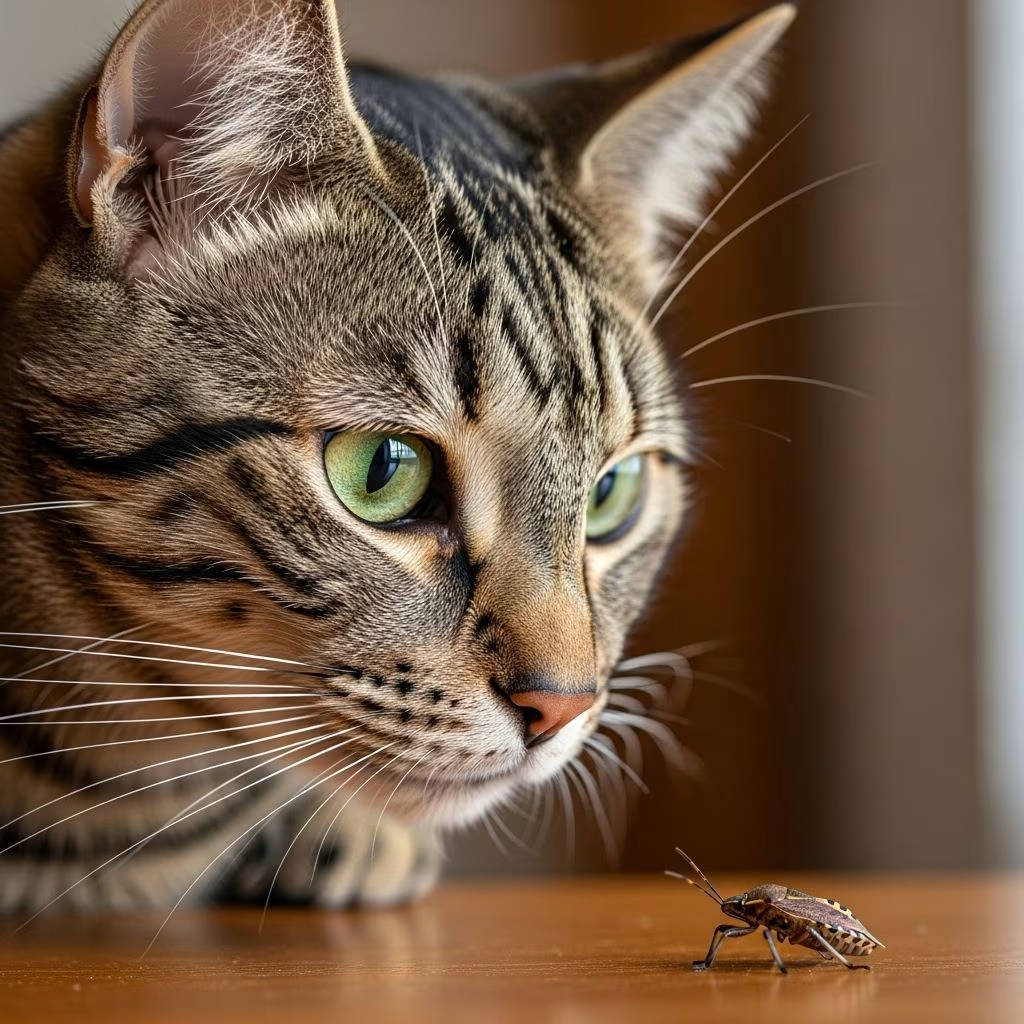
Stink bugs, those smelly invaders common in homes and gardens, often catch the eye of curious cats. While **stink bugs are not toxic to cats**, eating them can lead to gastrointestinal upset due to their pungent secretions and hard exoskeletons.
Cats are natural hunters with strong instincts to chase moving prey, including these pests. A single stink bug might not harm your feline friend, but repeated consumption raises concerns like vomiting, drooling, or diarrhea. This comprehensive guide explores the risks, symptoms, prevention strategies, and safer alternatives, helping you keep your cat safe from unwanted bug snacks.
Are Stink Bugs Toxic to Cats?
No, **stink bugs are not toxic to cats**. These insects from the Hemiptera order produce a foul-smelling secretion as a defense mechanism, but it doesn’t contain poisons lethal to felines.
Their odor deters many predators, and cats often paw at or bite them out of curiosity. If ingested, the bug itself passes through the system without poisoning the cat. However, the secretions can irritate the mouth, esophagus, stomach, and intestines, leading to discomfort rather than toxicity.
Veterinarians confirm that while not poisonous, large quantities could cause blockages from indigestible exoskeletons, though this is rare with just one or two bugs. Cats typically learn quickly from the bad taste and smell, spitting them out or avoiding further attempts.
What Happens If a Cat Eats a Stink Bug?
If your cat eats a stink bug, monitor for mild symptoms that usually resolve on their own. Common reactions include:
- Drooling or excessive salivation: Caused by the irritating, bitter secretions coating the mouth and tongue.
- Vomiting: Stomach irritation from the smell and texture prompts regurgitation.
- Diarrhea: Digestive tract upset leads to loose stools, often short-lived.
- Lethargy or reduced appetite: Temporary discomfort makes cats less active or picky eaters.
These effects stem from the bug’s hard shell, which is tough to digest, and its odorous chemicals that inflame mucous membranes from mouth to gut. In most cases, symptoms appear within hours and fade in 12-24 hours without treatment.
Rarely, excessive eating (e.g., during infestations) might cause intestinal blockage, requiring veterinary removal. Always consult a vet if symptoms persist beyond a day or worsen.
Potential Risks of Stink Bugs for Cats
Beyond immediate irritation, stink bugs pose indirect dangers:
Digestive Irritation
The pungent liquid released when crushed irritates sensitive tissues. It can cause redness, swelling in the mouth, gums, or lips, and disrupt normal digestion lower in the tract.
Pesticide Residue
Stink bugs are agricultural pests often targeted with insecticides. Consuming treated bugs transfers chemicals to your cat, potentially leading to poisoning if multiple are eaten. One bug is low risk, but infestations amplify danger—avoid letting cats hunt in sprayed areas.
Exoskeleton Challenges
The chitinous shell resists breakdown, risking constipation or impaction if overconsumed. Similar to other hard-shelled insects, it adds no nutrition and may cause mechanical irritation.
Overall, risks are low for occasional incidents but escalate with quantity or chemical exposure.
How Many Stink Bugs Can a Cat Eat?
There is no safe “recommended” amount—**zero is ideal**. Small, incidental ingestion (1-2 bugs) rarely causes more than mild upset, and cats often self-limit due to the taste.
However, moderation isn’t advisable as a habit. Even non-toxic bugs like stink bugs offer no nutritional value and can accumulate digestive stress. Veterinary advice emphasizes prevention over tolerance.
| Quantity Eaten | Likely Effects | Action Needed |
|---|---|---|
| 1 Stink Bug | Mild drooling or no reaction | Monitor at home |
| 2-5 Stink Bugs | Vomiting, diarrhea possible | Observe; vet if persistent |
| 6+ or Infestation | Severe GI issues, blockage risk, pesticides | Immediate vet visit |
This table summarizes risks based on vet-verified observations.
Are Stink Bugs Dangerous for Other Pets?
Stink bugs pose similar low risks to dogs and other pets—non-toxic but irritating. Dogs may experience more vomiting due to larger bites, while smaller pets like rabbits face higher pesticide sensitivity. General rule: Discourage all pets from eating wild insects.
Can Cats Eat Other Insects?
Not all bugs are equal. Some are safer in moderation:
- Flies and moths: Generally harmless if pesticide-free.
- Crickets and mealworms: Nutritious treats when sourced cleanly (e.g., pet store).
- Ants: Okay sparingly, avoiding fire ants.
Avoid: Cockroaches (bacteria, parasites), spiders (some venomous), bees/wasps (stings), and fireflies (potentially toxic). Always prioritize commercial insect treats over wild catches.
Do Stink Bugs Benefit Cats’ Health?
No, **stink bugs provide no health benefits**. They lack essential nutrients like protein or vitamins in bioavailable forms for cats. A balanced commercial diet meets all needs—bugs add risk without reward.
How to Stop Your Cat from Eating Stink Bugs
Prevention is key:
- Seal entry points: Caulk cracks, screen windows, use door sweeps.
- Indoor living: Keep cats inside, especially during fall invasions.
- Enrich environment: Toys, puzzle feeders, cat trees redirect hunting instincts.
- Gentle pesticides: Use pet-safe options; vacuum bugs instead of spraying.
- Supervise outdoors: Leash walks or enclosed patios limit access.
These steps reduce encounters while supporting your cat’s natural behaviors safely.
Frequently Asked Questions (FAQs)
Are stink bugs poisonous to cats?
No, they are not poisonous but can cause irritation and upset stomach from secretions.
What if my cat ate a stink bug?
Watch for drooling, vomiting, or diarrhea. Symptoms usually self-resolve; see a vet if severe or lasting.
Can one stink bug hurt my cat?
Unlikely—one is typically fine, but monitor closely.
Why do cats like stink bugs?
Hunting instinct draws them to movement; the challenge is appealing despite the smell.
Are there safe bugs for cats to eat?
Yes, like store-bought crickets. Avoid wild insects due to pesticides and diseases.
References
- Can Cats Eat Stink Bugs? Vet-Verified Facts — Huston Veterinary Clinic. 2024. https://hustonveterinary.com/can-cats-eat-stink-bugs/
- Can Cats Eat Stink Bugs? Vet-Verified Facts & Safety Guide — Hepper. 2024. https://articles.hepper.com/can-cats-eat-stink-bugs/
- Can Cats Eat Bugs? What You Should Know — Clint Miller Exterminating. 2024. https://cmillerext.com/blog/can-cats-eat-bugs/
- Can Cats Eat Stink Bugs? Vet-Reviewed Facts & FAQ — Catster. 2024. https://www.catster.com/nutrition/can-cats-eat-stink-bugs/
- What Happens If My Cat Eats A Stink Bug? — YouTube (Senior Cat Wellness). 2024. https://www.youtube.com/watch?v=2AjXfGZvKJs



