

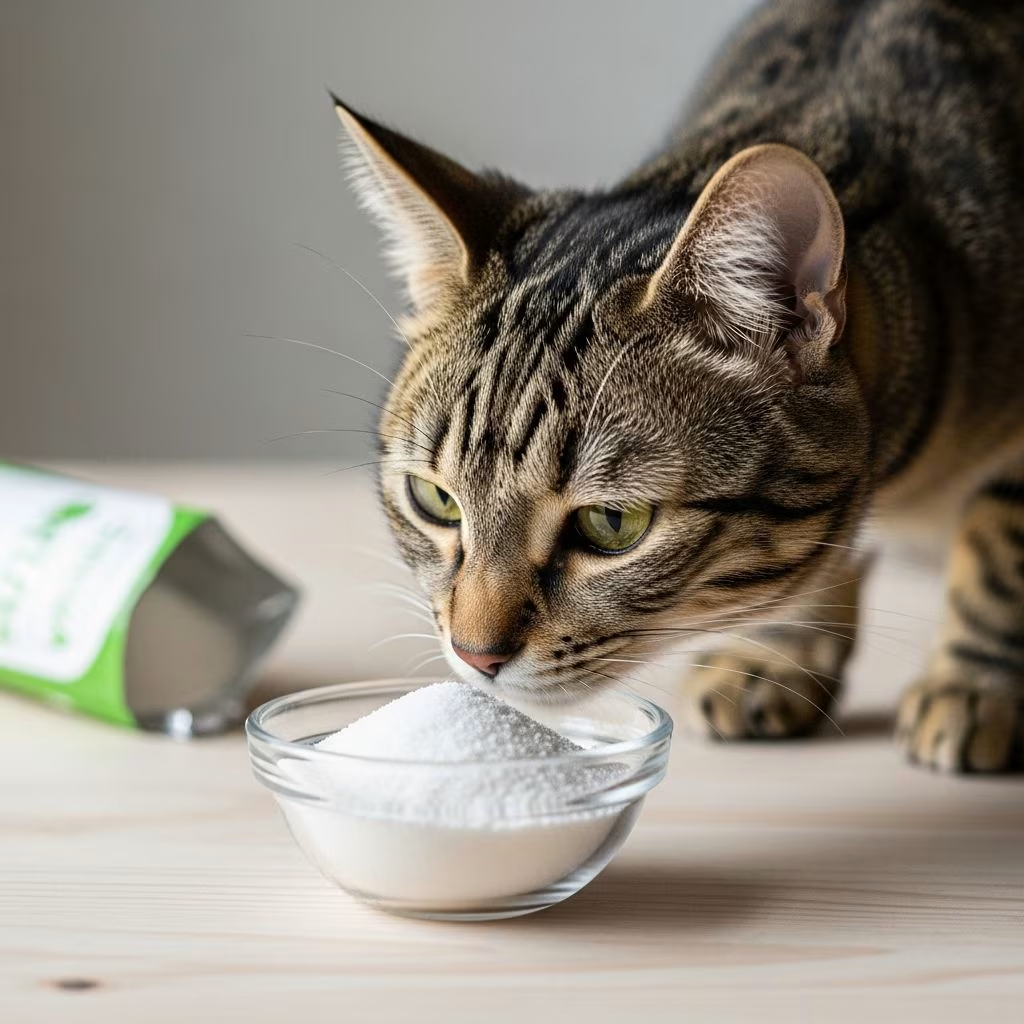
Stevia, a popular natural sweetener for humans, raises questions for cat owners seeking healthier treat alternatives. While the ASPCA lists stevia as non-toxic to cats, veterinary experts advise against offering it due to lack of nutritional value and potential digestive upset. Cats, as obligate carnivores, cannot taste sweetness and derive no benefit from sweeteners, making stevia unnecessary and potentially risky in their diet.
What Is Stevia?
Stevia is derived from the leaves of the Stevia rebaudiana plant, native to South America, and serves as a zero-calorie sweetener up to 300 times sweeter than sugar. Extracted compounds like steviol glycosides provide intense sweetness without impacting blood glucose levels, appealing to humans managing diabetes or weight.
Unlike synthetic alternatives, stevia’s plant-based origin attracts those preferring natural products. It’s commonly found in beverages, baked goods, and supplements. However, its processing and feline physiology differences mean human safety does not guarantee suitability for cats.
Is Stevia Safe for Cats?
Stevia is non-toxic to cats according to the ASPCA, lacking compounds that cause poisoning. Small amounts are unlikely to harm most cats, as confirmed by veterinary resources.
That said, safety does not imply recommendation. Cats lack functional sweet taste receptors (T1R2/T1R3), rendering stevia flavorless and unappealing to them. With no proven benefits and limited research on long-term effects, vets universally suggest avoiding it.
- Non-toxic status: ASPCA confirms no immediate harm.
- No nutritional value: Cats require high-protein diets; sweeteners offer zero benefit.
- Vet consensus: Avoid due to unknown metabolic impacts.
Potential Risks of Stevia for Cats
While not poisonous, stevia poses risks, primarily gastrointestinal distress from its foreign nature to feline digestion. Sensitive stomachs may react with vomiting, diarrhea, or nausea, potentially leading to dehydration.
Rare allergic responses could manifest as itching, swelling, or respiratory issues. Products containing stevia often include toxic additives like xylitol, exponentially more dangerous. Long-term effects on liver or kidney function remain unstudied in cats.
| Risk | Description | Severity |
|---|---|---|
| Gastrointestinal Upset | Vomiting, diarrhea, nausea | Common in sensitive cats |
| Allergic Reactions | Itching, swelling | Rare |
| Hidden Toxins | Xylitol in products | High; potentially fatal |
| Metabolic Strain | Unknown liver/kidney effects | Unstudied |
Products Containing Stevia to Avoid
Stevia lurks in everyday items cats might access. Sugar-free gums, candies, diet sodas, and low-calorie desserts frequently list it alongside hazards.
- Gum and mints: Often with xylitol; highly toxic.
- Beverages: Diet sodas, flavored waters.
- Baked goods: Low-sugar treats.
- Supplements: Human health products.
Store securely and check labels. Educate household members to prevent access.
What to Do If Your Cat Eats Stevia
Monitor for symptoms like vomiting or lethargy post-ingestion. Offer water for hydration but avoid home remedies.
- Observe for 24 hours: GI signs or allergies.
- Retain product packaging for ingredients.
- Do not induce vomiting without vet guidance.
- Contact vet or poison hotline promptly.
Small amounts typically resolve without intervention, but professional advice ensures safety.
Healthier Alternatives to Stevia for Cats
Skip sweeteners; opt for cat-specific treats. Commercial options provide taurine, protein, and palatability without risks.
- Fresh meat: Cooked chicken, turkey (plain).
- Cat treats: Low-calorie, vet-approved brands.
- Vegetables: Limited cucumber or pumpkin for fiber.
- Hydration boosts: Catnip or tuna water (unsalted).
Maintain a balanced commercial diet meeting AAFCO standards. Consult vets for weight management without human foods.
Why Cats Don’t Need Sweeteners
Obligate carnivores evolved without sweet cravings. Their diet prioritizes meat-derived nutrients; excess carbs promote obesity and diabetes. Stevia, despite zero calories, disrupts this by introducing non-essential plant compounds. Focus on species-appropriate nutrition for longevity.
Frequently Asked Questions (FAQs)
Is stevia toxic to cats?
No, the ASPCA lists stevia as non-toxic, but it can cause digestive upset.
Can cats taste stevia?
Cats lack sweet taste receptors, so stevia is undetectable and unappealing.
Is stevia safe for diabetic cats?
Non-toxic with no glucose impact, but unnecessary; stick to vet-prescribed diets.
What if my cat ate stevia-sweetened food?
Monitor for GI issues and call your vet if symptoms appear.
Are there cat-safe natural sweeteners?
No; cats need no sweeteners. Prioritize meat-based treats.
Conclusion
Stevia’s human appeal—natural, zero-calorie sweetness—does not extend to cats. Non-toxic per authoritative sources, its risks outweigh zero benefits. Prioritize feline-specific nutrition to avoid complications and promote health. Always consult veterinarians for dietary queries.
References
- Can Cats Have Stevia? Safety & Risks Explained — Zoorithm. 2023. https://www.zoorithm.com/cats/can-cats-have-stevia
- Can Cats Eat Stevia? A Vet-Approved Guide — Dialavet. 2023. https://www.dialavet.com/blog/can-cats-eat-stevia
- Can Cats Eat Stevia? Health & Safety Guide — Hepper Pet Resources. 2023. https://articles.hepper.com/can-cats-eat-stevia/
- Stevia – Toxic and Non-toxic Plants — ASPCA. Accessed 2026. https://www.aspca.org/pet-care/aspca-poison-control/toxic-and-non-toxic-plants/stevia
- Stevia Is Sweet — But Is It Good for You? — Cleveland Clinic. 2023-05-10. https://health.clevelandclinic.org/what-is-stevia
- Artificial Sweeteners and Pets — West Park Animal Hospital. 2023. https://wpahcle.com/pet-resources/blog/artificial-sweeteners-and-pets/
- Xylitol, Stevia, Aspartame and Other Sugar-Free Stuff — Vetstreet. 2023. https://www.vetstreet.com/our-pet-experts/the-skinny-on-xylitol-stevia-aspartame-and-other-sugar-free-stuff



