

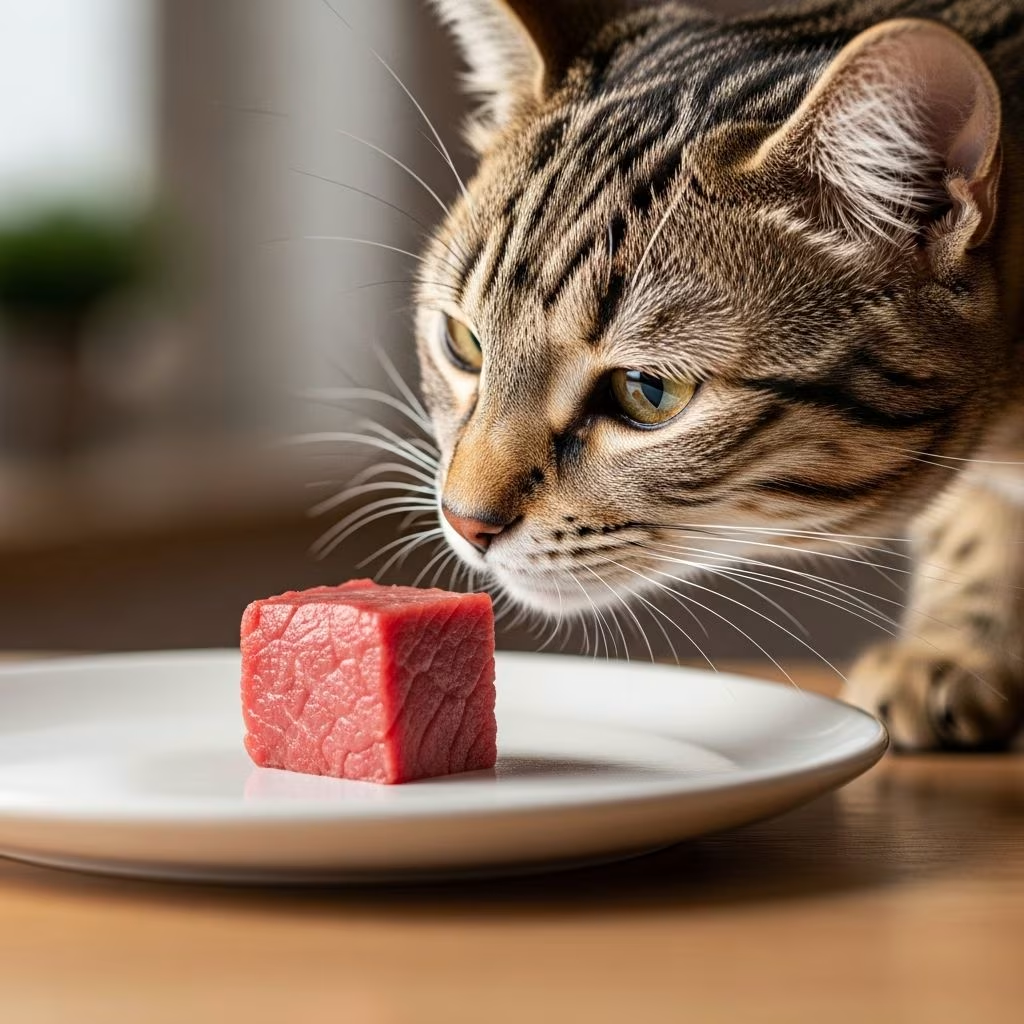
Can Cats Eat Steak?
Yes, cats can safely eat steak in moderation. Red meat is one of the safest protein selections for your feline companion. Unlike some human foods that pose toxicity risks to cats, steak contains no known poisons harmful to felines, is easily digestible, and lacks the heavy metal contaminants that can accumulate in certain types of fish. However, while steak can be a nutritious treat, it should never replace your cat’s complete and balanced commercial cat food.
Understanding Your Cat’s Carnivorous Nature
Felines are obligate carnivores, meaning their bodies are biologically designed to thrive on meat-based diets. Unlike omnivores such as humans or dogs, cats have specific nutritional requirements that can only be adequately met through animal protein sources. This fundamental aspect of feline biology makes steak an appropriate occasional food choice for your cat.
Cats have evolved over thousands of years as hunters, and their digestive systems are optimized to process and absorb nutrients from meat far more efficiently than from plant-based foods. When you offer your cat steak, you’re providing food that aligns with their natural dietary preferences and biological needs.
Health Benefits of Steak for Cats
Lean, cooked steak is nutrient-dense and offers several important vitamins and minerals that support your cat’s overall health and vitality.
Key Nutrients Found in Steak
- Iron: Essential for oxygen transport in the bloodstream and overall energy levels
- Niacin: A B vitamin crucial for metabolic function and energy production
- Protein: The building block for muscle maintenance and growth
- Selenium: A mineral that supports immune function and thyroid health
- Zinc: Important for immune system function and wound healing
- Vitamin B12: Critical for nervous system health, digestive function, and immune system support
Vitamin B12: A Special Consideration
Vitamin B12 deserves particular attention when discussing steak’s nutritional value for cats. This essential nutrient is crucial for maintaining your cat’s nervous system, supporting digestive health, and bolstering immune function. Cats absorb B12 from meat sources far more effectively than from plant-based alternatives, making steak an excellent natural source of this vital nutrient.
If your cat shows signs of B12 deficiency—such as vomiting, severe weight loss, lethargy, or diarrhea—incorporating small amounts of plain, well-cooked lean steak as an occasional treat can be beneficial. However, always consult your veterinarian before making dietary changes or introducing supplements to ensure you’re addressing your cat’s specific nutritional needs appropriately.
Important Considerations When Feeding Steak to Cats
While steak can be a healthy addition to your cat’s diet when offered appropriately, several crucial guidelines must be followed to ensure your pet’s safety and wellbeing.
Preparation Requirements
Only feed your cat plain steak with absolutely no added seasonings, oils, or fats. The meat should be:
- Thoroughly cooked to eliminate harmful bacteria
- Completely free of all bones and bone fragments
- Trimmed of all visible fat and fatty tissue
- Cut into small, appropriately sized pieces to prevent choking hazards
- Never seasoned with salt, spices, garlic, or onion
Why Fat and Bones Are Dangerous
Raw and uncooked fat can cause serious gastrointestinal issues in cats, including diarrhea, vomiting, and various intestinal disturbances. More concerning is that excessive fat consumption—particularly from fatty trimmings—can lead to dangerous health conditions including heart attacks, strokes, and elevated blood pressure in felines.
Bones present an equally serious hazard. Cats can choke on bone fragments or splinters, and ingested pieces can cause internal cuts or create dangerous intestinal obstructions requiring emergency veterinary intervention.
Caloric Considerations and Weight Management
Most cats require fewer than 300 calories daily. A single three-ounce serving of plain steak contains approximately 178 calories—nearly 60 percent of a typical cat’s daily caloric requirement. If steak is offered without careful portion control, your cat can rapidly accumulate excess weight.
Obesity in cats is not merely a cosmetic concern; it significantly increases the risk of serious health conditions including diabetes, arthritis, heart disease, and certain cancers. Therefore, steak should be offered as an occasional treat in very small quantities, never as a dietary staple.
Raw Versus Cooked Steak for Cats
While some pet owners advocate for raw meat diets, there are important distinctions between cooked and raw steak when it comes to feline safety.
Cooked Steak
Cooked steak is the safer choice for most cat owners. Thorough cooking eliminates harmful bacteria such as E. coli and other pathogens that could make your cat seriously ill. Cooked steak retains its nutritional value while eliminating microbial contamination risks.
Raw Steak
Although cats can technically consume raw steak as part of a carefully planned diet, raw meat carries inherent risks of bacterial contamination. Raw meat should only be fed as part of a nutritionally complete and balanced raw diet formulated by a veterinary nutritionist or reputable commercial brand specifically designed for cats. If you choose to pursue raw feeding, strict hygiene protocols are essential, and veterinary supervision is strongly recommended to prevent nutritional imbalances and foodborne illness.
Steak Fat: Can Cats Eat It?
While steak fat does provide energy for obligate carnivores, it must be offered with extreme caution. Cats can tolerate small amounts of fat as part of their natural diet, but excessive consumption poses health risks. A reasonable daily intake for most cats would be 5 to 15 grams of fat, carefully factored into their total daily caloric intake.
However, feeding steak fat in moderation remains safer than feeding fatty trimmings or allowing free access to fatty portions. The key is strict portion control and ensuring that fat consumption doesn’t contribute to obesity or trigger pancreatitis, an inflammation of the pancreas that can be life-threatening.
Foods and Seasonings to Avoid on Steak
Certain ingredients commonly used in steak preparation are toxic or harmful to cats and must be completely avoided:
Garlic and Onion
Both garlic and onion contain thiosulfate, a compound that can damage a cat’s red blood cells and lead to hemolytic anemia. This toxin remains present in all forms—raw, cooked, or powdered. Never feed your cat steak prepared with these seasonings in any form.
Excessive Salt
High sodium content can cause health issues in cats, so steak should be prepared without salt or other high-sodium seasonings.
Oils and Butter
Cooking steak with oil or butter adds unnecessary fat and calories, increasing the risk of gastrointestinal upset and weight gain.
Steak as Part of a Balanced Diet
While steak offers valuable nutritional benefits, it is not nutritionally complete and balanced on its own. Commercial cat foods are specifically formulated to meet all of your cat’s dietary requirements, including essential nutrients, minerals, and vitamins in proper proportions.
Steak should comprise only a small supplemental portion of your cat’s overall diet, offered as an occasional treat rather than a regular meal component. The bulk of your cat’s nutrition should come from high-quality, veterinarian-approved commercial cat food designed for feline nutritional needs.
If you’re considering transitioning your cat to a whole-food diet or significantly changing their eating habits, consultation with a veterinarian or veterinary nutritionist is essential to prevent nutritional deficiencies and ensure your cat receives complete and balanced nutrition.
Frequency and Portion Guidelines
Steak should be offered only occasionally, never daily. Given the caloric density and the reality that steak lacks complete nutritional balance, this protein source should be treated as a special treat rather than a dietary staple.
Appropriate serving sizes depend on your individual cat’s size, age, and overall health status. Most cats do well with very small portions—roughly the size of a tablespoon or less—offered perhaps once or twice weekly. Always dice steak into small, manageable pieces, and carefully inspect for any bone fragments before offering it to your cat.
When to Consult Your Veterinarian
Before making any significant dietary changes, consult your veterinarian. This is especially important if you’re considering:
- Adding steak or other new foods to your cat’s regular diet
- Transitioning to a raw meat diet
- Introducing supplements, particularly B12
- Addressing suspected nutritional deficiencies
- Managing your cat’s weight or health conditions
Frequently Asked Questions
Q: Is steak toxic to cats?
A: No, steak is not toxic to cats. Plain, cooked, lean steak without bones or excess fat is safe for cats to eat in moderation. Steak contains no known poisons harmful to felines and is easily digestible.
Q: How much steak can I safely give my cat?
A: Steak should be offered only as an occasional treat in very small portions—typically a teaspoon to tablespoon-sized amount. Given that a three-ounce serving contains approximately 178 calories and most cats need fewer than 300 calories daily, steak should never comprise more than a small percentage of your cat’s daily food intake.
Q: Can my cat eat raw steak?
A: Cats can technically eat raw steak, but cooked steak is safer due to the elimination of harmful bacteria like E. coli. If feeding raw steak, it should only be part of a complete and balanced raw diet formulated by a veterinary nutritionist, with strict attention to food safety protocols.
Q: What are the signs that my cat has a vitamin B12 deficiency?
A: Signs of B12 deficiency include vomiting, severe weight loss, lethargy, and diarrhea. If you suspect your cat has a B12 deficiency, consult your veterinarian for proper diagnosis and treatment recommendations, which may include supplements and dietary adjustments.
Q: Can cats eat steak every day?
A: No, steak should not be fed daily. Due to its high caloric content and incomplete nutritional profile, steak should be offered only occasionally as a treat. Feeding steak daily could lead to obesity and nutritional imbalances.
Q: What should I do if my cat chokes on steak?
A: If your cat is choking, seek emergency veterinary care immediately. To prevent choking, always dice steak into small pieces and carefully inspect for bone fragments before offering it to your cat.
Q: Can I give my older cat steak?
A: Yes, steak can be particularly beneficial for older cats. The high-quality protein and essential nutrients like B12 support senior feline health. However, portion control remains important, and steak should still be offered as an occasional treat alongside their regular diet.
References
- Why Cats Need to Eat Meat — Cat Care Society. Accessed January 14, 2026. https://www.catcaresociety.org/why-cats-need-to-eat-meat/
- Can Cats Eat Human Food? A Guide to Safety — Purina US. https://www.purina.com/articles/cat/feeding/can-cats-eat/is-human-food-safe-for-cats
- People Foods Cats Can Eat — WebMD. https://www.webmd.com/pets/cats/ss/slideshow-people-foods-cats-can-eat



