

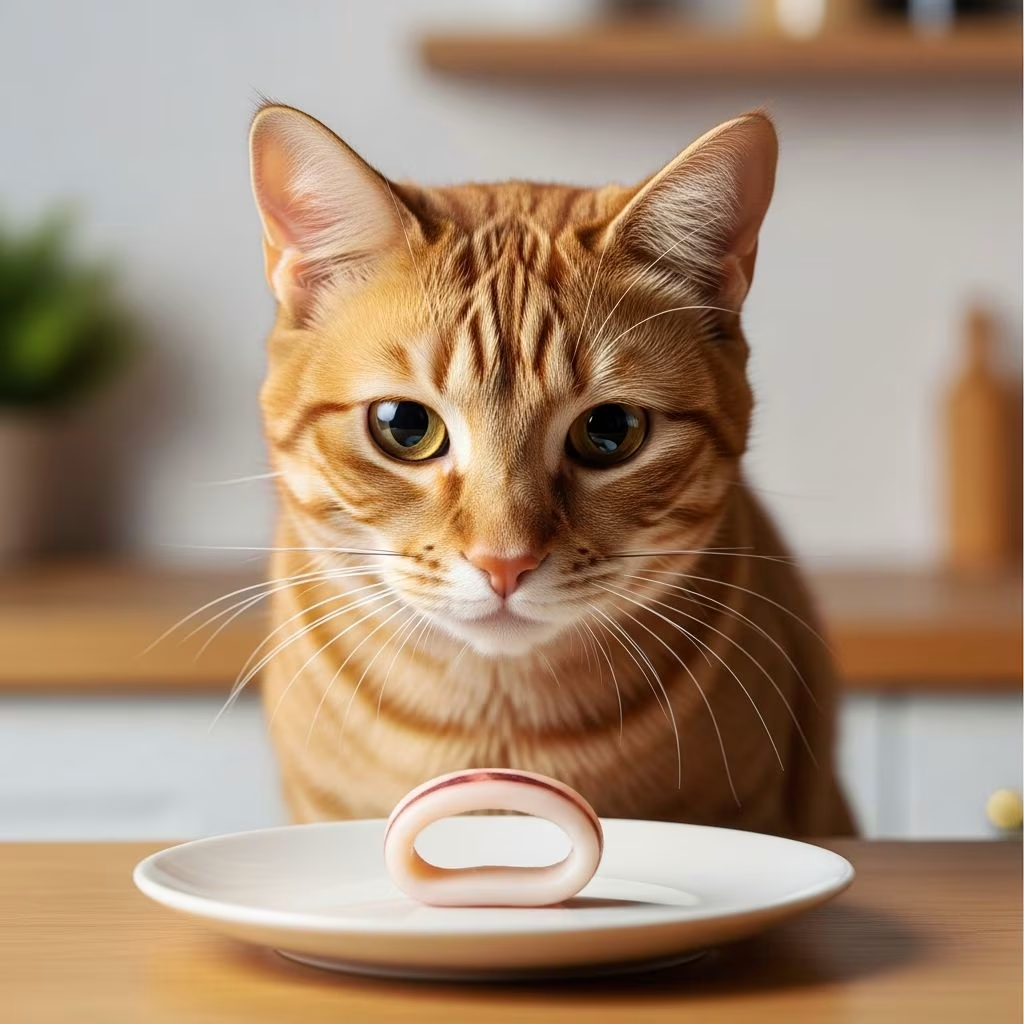
Cats are obligate carnivores, thriving primarily on meat-based diets, but many pet owners wonder about occasional seafood treats like squid. Squid is not toxic to cats and can be offered safely when properly prepared—cooked without seasonings, raw, or fried versions. This article explores the nutritional benefits, potential risks, safe preparation methods, and alternatives to help you decide if squid fits into your cat’s diet.
Are There Benefits to Feeding Your Cat Squid?
Squid serves as a valuable source of **high-quality protein** while remaining low in fat, making it a suitable occasional treat for cats. As an obligate carnivore, your cat requires protein for muscle maintenance, energy, and overall health, and squid provides this efficiently.
- Protein Powerhouse: Squid is packed with protein essential for muscle development and repair, supporting your cat’s vitality and strength.
- Low Calories and Fat: With fewer calories than many meats, it helps prevent weight gain when fed sparingly.
- Omega Fatty Acids: Contains omega-3 and omega-6 fatty acids that promote healthy skin, glossy coats, and cardiovascular wellness.
- Minerals and Vitamins: Rich in zinc, iron, copper, magnesium, potassium, and calcium, contributing to immune function, bone health, and more.
These nutrients make squid appealing, but it lacks the complete amino acid profile of traditional cat foods like chicken or beef. It should never replace balanced commercial cat food, which is formulated to meet all AAFCO standards for feline nutrition. Offer squid boiled, steamed, or fried (as plain calamari without batter or spices) no more than 10% of your cat’s daily caloric intake to maximize benefits without nutritional imbalances.
Risks of Feeding Your Cat Squid
While beneficial in moderation, squid carries risks, especially if improperly prepared. It’s not part of a cat’s natural diet—wild cats rarely encounter squid—so overfeeding can disrupt digestive balance or cause allergies. Key dangers include:
Thiaminase Enzyme
Raw or undercooked squid contains **thiaminase**, an enzyme that breaks down thiamine (vitamin B1), vital for nerve function and energy metabolism. Excessive raw squid can lead to thiamine deficiency, causing symptoms like lethargy, seizures, loss of appetite, and neurological issues. Veterinary sources strongly advise against raw seafood for this reason; always cook thoroughly to deactivate the enzyme.
Choking Hazard
Squid’s rubbery, chewy texture persists even after cooking, posing a **choking risk** for cats unfamiliar with it. Cut into small, bite-sized pieces (no larger than a pea for most cats) and supervise eating to prevent airway blockages.
Bacterial and Parasitic Infections
Raw squid harbors bacteria like **Salmonella** and **Listeria**, or parasites, leading to food poisoning with vomiting, diarrhea, fever, and lethargy. Cooking eliminates these pathogens, making it safer. Humans handling raw squid risk zoonotic transmission, so hygiene is crucial.
Seasonings and Additives
Human-prepared squid like fried calamari often includes salt, garlic, oils, or batter, which are toxic or fattening for cats. Garlic damages red blood cells; excess salt causes hypertension or sodium ion poisoning.
Other Concerns: Allergies and Heavy Metals
Some cats develop allergies, shown by itching, gastrointestinal upset, or ear infections. Squid may accumulate cholesterol or low-level heavy metals, though less than tuna. Limit to occasional treats. High phosphorus in seafood can exacerbate urinary or kidney issues in predisposed cats.
How to Safely Prepare Squid for Your Cat
To minimize risks, follow these vet-recommended steps:
- Select Fresh Squid: Choose plain, fresh or frozen squid without additives.
- Clean Thoroughly: Rinse under cold water and remove beak, eyes, ink sac, and skin.
- Cook Properly: Boil, steam, or lightly fry (no oil) until opaque and firm, about 2-3 minutes. Avoid microwaving to prevent uneven cooking.
- Season-Free: No salt, spices, butter, or sauces.
- Portion Control: Start with 1-2 small pieces; a 5kg cat can have up to 10-15g weekly.
- Supervise: Watch for chewing issues or adverse reactions.
Store leftovers in the fridge for up to 2 days or freeze portions. Introduce gradually over days to check tolerance.
How Much Squid Can Cats Eat?
Moderation is key—squid should comprise no more than **10% of calories**. For a typical adult cat (4kg, 200-250 kcal/day):
| Cat Weight | Weekly Squid Amount | Frequency |
|---|---|---|
| 3-5kg | 10-20g | 1-2 times/week |
| 5-7kg | 20-30g | Once/week |
| Kittens/Seniors | 5-10g | Sparingly |
Adjust for activity, health, and spay/neuter status. Overfeeding risks obesity or nutrient dilution.
Alternatives to Squid for Cats
If squid isn’t ideal, consider these safer seafood or protein options:
- Cooked Chicken or Turkey: Lean, complete protein without thiaminase.
- Shrimp or Prawns: Low-cal, high in zinc and omega-3s; peel, devein, cook.
- Salmon or Sardines: Omega-rich (cooked, low-mercury, rinsed if canned).
- Commercial Treats: Fish-flavored, vet-formulated for balance.
Avoid raw fish entirely due to similar risks.
Frequently Asked Questions
Is raw squid safe for cats?
No, raw squid risks thiaminase deficiency, bacteria, and parasites. Always cook it.
Can cats eat fried calamari?
No, fried versions have toxic seasonings, oils, and batter causing digestive upset or pancreatitis.
What if my cat ate raw squid?
Monitor for vomiting, diarrhea, or lethargy. Contact a vet if symptoms appear; they may need thiamine supplements.
Is squid good for kittens?
Limited amounts of cooked squid are okay occasionally, but prioritize kitten formula for growth.
Can squid cause allergies in cats?
Yes, watch for itching, GI issues, or swelling. Discontinue and consult a vet.
How do I know if my cat likes squid?
Offer a tiny cooked piece; enthusiastic eating indicates interest, but don’t force it.
In summary, squid can delight your cat as a nutritious treat when boiled or steamed plainly, in small amounts. Prioritize commercial cat food for daily needs, consult your vet for personalized advice, especially with health conditions, and enjoy safe seafood adventures!
References
- Can Cats Eat Squid? Vet-Approved Nutrition Facts, Risks & Feeding — Catster. 2023. https://www.catster.com/nutrition/can-cats-eat-squid/
- Can Cats Eat Raw Squid? Vet-Verified Facts — Huston Veterinary Clinic. 2024. https://hustonveterinary.com/can-cats-eat-raw-squid/
- Can Cats Eat Raw or Cooked Squid? Tips & Potential Risks — Hepper. 2024. https://articles.hepper.com/can-cats-eat-raw-cooked-squid/
- Can Cats Eat Squid and Octopus — Petcube. 2023. https://petcube.com/blog/can-cats-eat-fish/
- Why Fish is Dangerous for Cats — Little Big Cat by Dr. Jean Hofve, DVM. 2022. https://littlebigcat.com/why-fish-is-dangerous-for-cats/



