

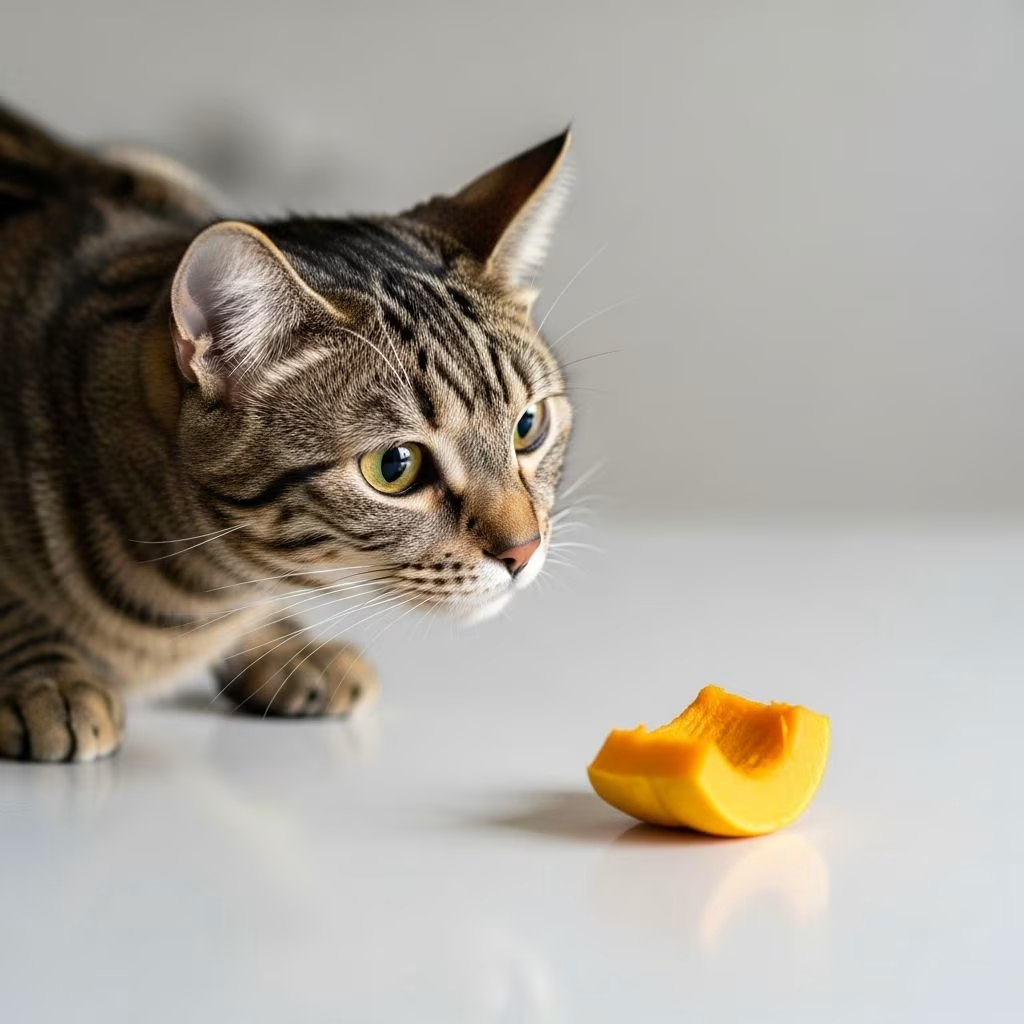
Can Cats Eat Squash? Your Complete Feline Nutrition Guide
Many pet owners wonder whether their feline companions can safely enjoy squash, a vegetable packed with nutrients. The straightforward answer is yes, cats can eat squash, but there are important considerations to keep in mind before adding this ingredient to your cat’s diet. While squash is non-toxic and offers several nutritional benefits, cats are obligate carnivores, meaning meat must remain the foundation of their diet. Understanding how to properly introduce squash and in what quantities ensures your cat receives maximum benefits without compromising their health.
Is Squash Good for Cats?
Squash represents a healthy addition to your cat’s diet, even though cats would not naturally encounter this vegetable in the wild. Summer squash varieties are particularly beneficial due to their low-calorie content, making them an excellent option for weight management without sacrificing nutritional value. The vegetable is remarkably nutrient-dense, containing multiple vitamins essential for feline health.
Key Nutritional Benefits
The primary nutritional advantage of squash lies in its dietary fiber content, which plays a vital role in supporting your cat’s digestive and gut health. This fiber can be particularly beneficial if your cat experiences gastrointestinal issues or requires dietary support for digestive regularity. Additionally, squash provides:
- Vitamin A: Essential for maintaining healthy vision and supporting immune function
- Vitamin C: Supports immune system strength and overall wellness
- Vitamin E: Provides antioxidant protection for cellular health
- Potassium: Critical for heart health and muscle function
- Magnesium: Crucial for urinary, muscle, and cardiovascular health in felines
- Calcium: Strengthens bones and supports healing processes
Weight Management Benefits
For cats on calorie-restricted diets, squash serves as an ideal food choice. The combination of high fiber and low calories means your cat will experience satiety without unnecessary weight gain. This makes squash particularly valuable for overweight cats or those requiring careful dietary management. The high water content in squash also contributes to hydration, which is especially beneficial for cats who don’t drink adequate water independently.
Understanding Your Cat’s Dietary Needs
While squash offers nutritional benefits, it’s crucial to remember that cats are obligate carnivores. This biological classification means cats require meat as their primary nutrition source to obtain all essential amino acids necessary for survival and health. Unlike humans and some other animals, cats cannot synthesize certain amino acids from plant-based sources alone.
This fundamental dietary requirement means squash should never replace meat or a complete commercial cat food formulated specifically for feline nutritional needs. Instead, squash functions best as a supplementary addition to an already balanced diet. Pet owners should view vegetables like squash as occasional treats or minor diet components rather than dietary staples.
How Do I Prepare Squash for My Cat?
Proper preparation is essential when introducing squash to your cat’s diet. Following correct preparation methods ensures safety and maximizes nutritional benefits while preventing potential health complications.
Essential Preparation Steps
Cats cannot safely consume raw squash. Raw squash is hard and extremely difficult for feline digestive systems to process, potentially causing obstructions that could prevent proper swallowing. Therefore, all squash must be thoroughly cooked before serving to your feline companion.
Step-by-Step Preparation Guide
- Select Fresh Squash: Choose firm squash without soft spots or blemishes
- Wash Thoroughly: Rinse the squash under clean running water to remove dirt and debris
- Peel Completely: Remove all skin before cooking, as the peel is difficult for cats to digest
- Remove Seeds: Scoop out all seeds, which pose choking hazards
- Cut into Small Pieces: Divide squash into manageable chunks for even cooking
- Cook Until Soft: Use one of three methods—boiling, steaming, or baking—until the squash is very soft
- Cool Completely: Allow the cooked squash to reach room temperature before serving
- Puree or Mash: Break down the cooked squash into a smooth puree or fine mash to prevent choking
Recommended Cooking Methods
| Cooking Method | Process | Benefits | Time Required |
|---|---|---|---|
| Baking | Cut squash in half, place cut-side down on baking sheet, bake at 400°F | Concentrates natural sweetness; convenient for larger portions | 30-45 minutes |
| Steaming | Place small cubes in steamer basket over boiling water | Preserves nutrients; quick and efficient method | 15-20 minutes |
| Boiling | Cut into small pieces and boil in water until very soft | Softens squash thoroughly; easiest for puree preparation | 15-25 minutes |
Important Preparation Cautions
Never serve squash with added seasonings, oils, butter, salt, or spices. Your cat’s digestive system cannot process these additives, which may cause upset stomach, vomiting, or diarrhea. Additionally, avoid blending squash with dairy products like sour cream or cheese, as many adult cats are lactose intolerant. If blending squash with other foods, use only unseasoned meat broth or plain cat food to encourage consumption.
Should You Feed Squash to Your Cat?
The decision to introduce squash into your cat’s diet should be made thoughtfully, considering your individual cat’s health status, age, and existing dietary balance. While squash can provide benefits, it is not essential for feline nutrition and should never become a dietary focus.
Cats That May Benefit from Squash
- Cats with Mild Constipation: The fiber content aids digestive regularity
- Overweight Cats: Low-calorie content supports weight management programs
- Cats with Gastrointestinal Distress: Boiled squash provides fiber and lost vitamins during recovery from vomiting or diarrhea
- Senior Cats: Easily digestible and nutrient-dense for aging felines
- Picky Eaters: Mild flavor blends well with wet food to encourage eating
Cats to Avoid Feeding Squash
Consult your veterinarian before introducing squash if your cat has a history of digestive sensitivity, food allergies, or underlying health conditions. Cats with diabetes, kidney disease, or other chronic conditions may require specific dietary restrictions that preclude vegetable additions.
How Much Squash Should Cats Eat?
Moderation remains the fundamental principle when feeding squash to your feline companion. Experts recommend limiting squash intake to prevent digestive upset and ensure your cat receives balanced nutrition from their primary diet.
Recommended Portion Guidelines
- Daily Maximum: No more than two tablespoons of cooked, pureed squash per day
- Weekly Frequency: One to two servings per week is ideal for most cats
- Treat Percentage: Squash and all treats combined should comprise no more than 1/10th of your cat’s total daily food intake
- Initial Introduction: Start with one teaspoon to monitor your cat’s reaction
Why Portion Control Matters
Commercial cat foods are specifically formulated to provide exact macro- and micronutrients required for optimal feline health. Excessive vegetable intake from external sources can create nutritional imbalances, potentially causing weight gain despite squash’s low-calorie nature, or conversely, creating malnutrition if vegetables displace essential meat-based proteins from the diet.
Potential Risks of Overfeeding Squash
While squash is generally safe for cats, feeding excessive quantities can create several health complications. Understanding these risks helps pet owners maintain appropriate portion control and recognize when dietary adjustments are necessary.
Common Adverse Reactions
Overfeeding squash may cause digestive difficulties for your cat, including:
- Nausea: General stomach discomfort and lack of appetite
- Vomiting: Regurgitation of food and stomach contents
- Diarrhea: Loose or watery stools lasting several days
- Abdominal Discomfort: Visible signs of pain or restlessness
If your cat experiences any of these symptoms after consuming squash, discontinue feeding immediately and consult your veterinarian. These reactions typically resolve quickly once squash is removed from the diet, but persistent symptoms require professional evaluation.
Special Squash Preparations: What About Squash Soup?
If you’re considering sharing squash soup with your feline friend, the safety depends entirely on preparation method and ingredients. Unseasoned boiled or baked butternut squash blended with water or cat-safe broth can be safely offered to cats in appropriate portions.
Soups to Avoid
Never feed your cat commercially prepared or heavily seasoned squash soups, as these typically contain:
- Dairy Products: Cream and butter cause digestive upset in lactose-intolerant cats
- Harmful Seasonings: Onion and garlic are toxic to felines and can cause serious health complications
- Excessive Sodium: High salt content is inappropriate for feline diets
- Artificial Additives: Preservatives and flavor enhancers may cause adverse reactions
Butternut Squash: A Special Consideration
Butternut squash deserves special mention due to its superior nutritional profile compared to other squash varieties. This winter squash offers concentrated nutrients particularly beneficial for feline health, though the same preparation and portion guidelines apply.
Unique Benefits of Butternut Squash
Just two tablespoons of butternut squash contains an impressive 73 mg of potassium, essential for your cat’s muscle, brain, and heart health. Additionally, butternut squash provides a substantial amount of calcium—approximately 84 mg per cup—crucial for cats of every life stage to strengthen bones and support healing processes. The mild flavor of butternut squash works particularly well when blended with wet food, making it excellent for encouraging picky eaters to consume vegetables they might otherwise refuse.
Frequently Asked Questions About Cats and Squash
Q: Is squash toxic to cats?
A: No, squash is not toxic to cats. It is a safe vegetable that can be incorporated into a balanced diet when prepared correctly and fed in appropriate portions.
Q: Can kittens eat squash?
A: Kittens can eat squash, but their primary nutrition should come from kitten formula or specialized kitten food that supports growth and development. Squash should only be introduced after consulting your veterinarian, typically around 8-12 weeks of age.
Q: Will squash help my cat’s constipation?
A: Yes, cooked squash is an excellent remedy for mild constipation in cats due to its high fiber and moisture content. However, if your cat experiences persistent constipation lasting more than a few days, consult your veterinarian to rule out underlying health issues.
Q: Can cats eat raw squash?
A: No, cats should never eat raw squash. Raw squash is hard and difficult to digest, potentially causing intestinal obstructions or choking hazards. Always cook squash thoroughly before serving.
Q: How do I introduce squash to my cat?
A: Start with a very small amount—approximately one teaspoon of cooked, pureed squash—mixed with your cat’s regular food. Monitor your cat’s reaction over 24-48 hours before increasing the amount. If your cat tolerates it well, gradually increase to the recommended two-tablespoon maximum.
Q: Can I feed my cat canned squash?
A: Plain canned pumpkin (which is technically squash) with no added sugars or spices is acceptable, but fresh cooked squash is preferable. Always check labels to ensure no additives, xylitol, or seasonings are present.
Q: Should I consult my vet before feeding squash?
A: Yes, consulting your veterinarian before introducing any new foods is recommended, particularly for cats with existing health conditions, digestive sensitivities, or those on prescription diets. Your vet can provide customized advice based on your cat’s individual health profile.
The Bottom Line: Moderation Is Key
Squash can be a beneficial addition to your cat’s diet when served thoughtfully and in appropriate portions. The key to safe squash feeding lies in understanding that moderation remains essential, proper preparation is non-negotiable, and meat-based nutrition should always remain your cat’s dietary foundation.
When considering whether to add squash to your cat’s diet, remember that while this vegetable offers nutritional benefits, commercial cat foods are specifically formulated to provide complete and balanced nutrition. Squash should complement, never replace, a high-quality cat food diet.
By following proper preparation methods, adhering to recommended portion sizes, and monitoring your cat’s individual response, you can safely offer squash as an occasional treat or dietary supplement. Your cat may enjoy the mild flavor and soft texture, and you can feel confident knowing you’re providing additional nutrients from a safe, non-toxic source.
Always prioritize your cat’s individual preferences and health status when making dietary decisions. Some cats may never develop interest in squash, and that’s perfectly acceptable. The most important aspect of cat nutrition is ensuring your feline companion receives consistent, high-quality meat-based meals that fulfill their obligate carnivore nutritional requirements.
References
- Can Cats Eat Butternut Squash? — Wag! Inc. 2024. https://wagwalking.com/wellness/can-cats-eat-butternut-squash
- What Vegetables Can Cats Eat? — Chewy Inc. 2024. https://www.chewy.com/education/cat/food-and-nutrition/vegetables-cats-can-eat
- Can Cats Eat Squash? A Nutritious Exploration — My Waggle Pet Monitor. 2024. https://mywaggle.com/blogs/pet-food/can-cats-eat-squash-a-nutritious-exploration
- Nutritional Benefits of Squash — Gallant Pet Care. 2024. https://www.gallant.com/blog/pet-eating-squash/



