

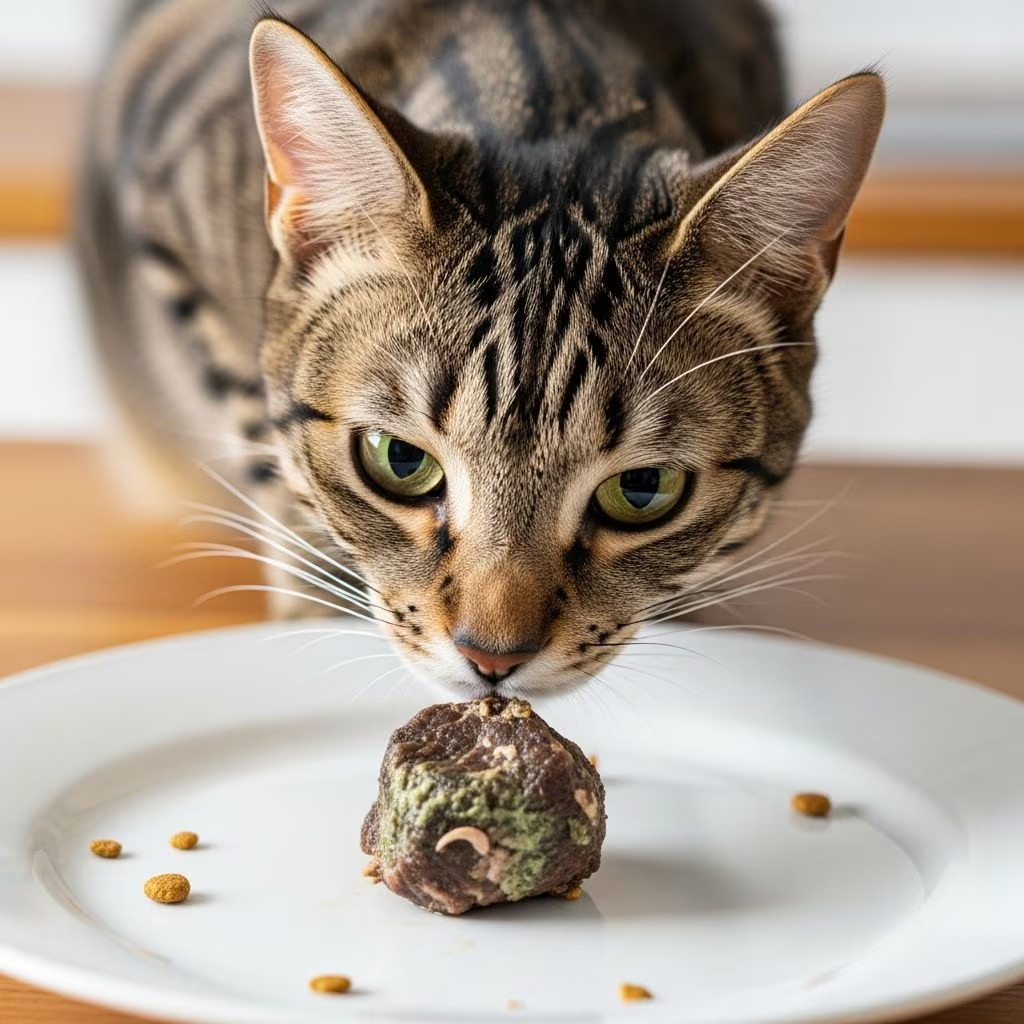
Cats are obligate carnivores that thrive on a meat-based diet, but spoiled meat is dangerous and should never be fed to them. Spoilage introduces harmful bacteria, fungi, and toxins that can cause food poisoning, gastrointestinal distress, or severe illness. This comprehensive guide explores why spoiled meat harms cats, symptoms to watch for, differences from wild behaviors, prevention strategies, and expert veterinary advice.
Why Is Spoiled Meat Bad for Cats?
Spoiled meat undergoes decomposition, fostering bacteria like Salmonella, E. coli, and Listeria, as well as fungi such as Alternaria, Penicillium, and Mucor. These pathogens produce toxins leading to infections no safer for cats than humans. Even healthy cats risk gastrointestinal issues, while kittens, seniors, or immunocompromised felines face higher dangers.
No type of spoiled meat—poultry, beef, pork, fish, or deli—is safe. Always verify freshness via expiration dates, smell, and appearance. If in doubt, discard it to protect your cat’s health. Meat spoilage accelerates in warmth, humidity, or air exposure, turning nutritious food toxic.
- Bacterial risks: Salmonella invades intestinal walls, causing inflammation and toxins; E. coli leads to cramps, diarrhea, and potential bloodstream infections.
- Fungal threats: Mycotoxins from molds cause tremors, weakness, jaundice, or liver damage.
- General spoilage: Lactic acid bacteria and others create slime, off-odors, and discoloration.
What Happens If a Cat Eats Spoiled Meat?
If your cat consumes spoiled meat, monitor closely for symptoms appearing hours to days later. Common signs include vomiting, diarrhea, lethargy, appetite loss, and dehydration. Severe cases involve fever, abdominal pain, muscle tremors, or systemic infection.
Veterinarians note toxin-specific effects: bacterial enterotoxins inflame the gut, while mycotoxins target organs like the liver or nervous system. Healthy adults may recover mildly, but vulnerable cats need immediate care. Contact a vet if symptoms persist beyond 24 hours or worsen—do not induce vomiting at home.
| Symptom | Severity Level | Potential Cause |
|---|---|---|
| Vomiting/Diarrhea | Mild-Moderate | Bacteria (Salmonella, E. coli) |
| Lethargy/Fever | Moderate-Severe | Food Poisoning Toxins |
| Tremors/Jaundice | Severe | Mycotoxins from Fungi |
| Dehydration/Pain | Severe | Prolonged GI Distress |
At-home support includes hydration and bland food if no vomiting, but professional evaluation is essential for antibiotics or fluids. Texas A&M vets emphasize acute onset post-exposure raises food poisoning suspicion.
Don’t Cats Eat Spoiled Meat in the Wild?
Wild cats hunt fresh prey like rodents or birds, not carrion. Scavengers like vultures (stomach pH 1.2) tolerate bacteria via extreme acidity; cats’ pH is 3.6, insufficient for heavy loads. Spoiled meat’s odor and texture repel cats, mirroring human aversion.
Feral cats prioritize fresh kills; prolonged spoilage risks outweigh hunger. Domestic cats lack this adaptation, making human-provided spoiled meat especially hazardous.
Signs Your Cat’s Meaty Foods Have Spoiled
Inspect raw, wet, or home-prepared meats regularly. Discard if showing:
- Odor changes: Sour, sulfurous, or unpleasant smells.
- Texture shifts: Sliminess, stickiness, fuzz, or mold growth.
- Color alterations: Greening, graying, browning, or iridescence.
- Environmental clues: Past expiration, improper storage, or exposure to heat/humidity.
PetMD advises checking labels, refrigerating promptly, and avoiding raw diets to prevent contamination.
How to Prevent Cats from Eating Spoiled Meat
Proactive steps minimize risks:
- Secure trash in sealed bins; remove spoiled items immediately.
- Cook all meats thoroughly; avoid raw eggs, dairy, or unpasteurized products.
- Refrigerate wet food leftovers covered; discard after 24-48 hours.
- Monitor pet food recalls and expiration dates.
- Prevent hunting/garbage access; supervise outdoor time.
- Store meats at proper temperatures (below 40°F/4°C).
Vets recommend the “color and smell test”: if off from norms, contact manufacturers and discard.
Frequently Asked Questions (FAQs)
Can cats eat spoiled meat without getting sick?
No, spoiled meat risks food poisoning from bacteria like Salmonella or E. coli, even if asymptomatic initially.
What are the first signs my cat ate spoiled meat?
Vomiting, diarrhea, lethargy, or appetite loss within hours to days. Seek vet care for severe symptoms.
Is spoiled chicken or fish worse for cats?
All spoiled meats are risky; poultry/fish may harbor higher Salmonella loads, but any type can sicken.
How long after eating spoiled meat do symptoms appear?
Typically a few hours to 48 hours; monitor closely.
Can I treat spoiled meat ingestion at home?
Offer water and bland diet if mild; consult a vet for anything beyond minor upset, especially in kittens/seniors.
Why don’t wild cats get sick from old meat?
They eat fresh kills; their milder stomach acid doesn’t handle heavy spoilage like scavengers.
In summary, prioritize fresh, properly stored meats for your cat’s optimal health. Spoiled meat offers no benefits and substantial risks—when in doubt, throw it out and consult professionals.
References
- Can Cats Eat Spoiled Meat? Vet Approved Health and Nutrition — Hepper. 2023. https://articles.hepper.com/can-cats-eat-spoiled-meat/
- My cat rummaged through the trash and ate some spoiled meat — Dial A Vet. 2023. https://www.dialavet.com/vet-answers/post/cat-ate-spoiled-meat-health-concerns-64759
- Offering Spoiled Food Is No Way To Spoil Your Pet — Texas A&M School of Veterinary Medicine & Biomedical Sciences. 2023-10-01. https://vetmed.tamu.edu/news/pet-talk/spoiled-food/
- Food Poisoning in Cats — PetMD. 2024. https://www.petmd.com/cat/conditions/digestive/food-poisoning-cats



