

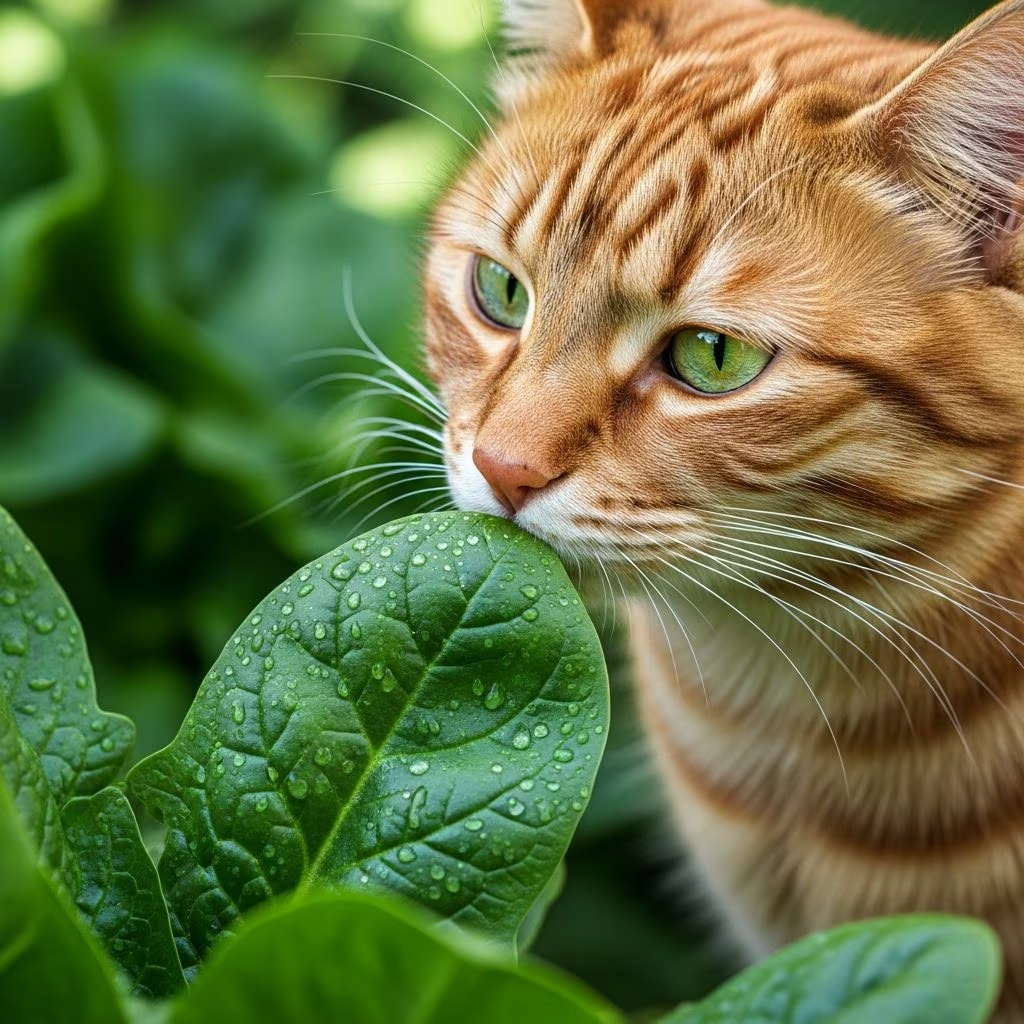
Spinach is a nutrient-packed leafy green popular in human diets, but cat owners often wonder if it’s safe to share with their feline friends. Cats are obligate carnivores, meaning their primary nutrition comes from meat, yet small amounts of certain vegetables like spinach can offer supplementary benefits without harm. This article explores whether cats can eat spinach, its nutritional profile, potential risks such as oxalates, safe preparation methods, and expert feeding guidelines to help you make informed decisions for your pet’s health.
Quick Answer: Can Cats Eat Spinach?
Yes, cats can eat spinach in small amounts, particularly when cooked, as it is non-toxic and provides minor nutritional perks like vitamins and fiber. However, due to its high oxalate content, it should be fed sparingly—especially to cats prone to urinary tract issues or kidney problems—to avoid crystal formation. Always consult your veterinarian before introducing new foods, particularly if your cat has pre-existing health conditions.
Nutritional Value of Spinach for Cats
While cats derive most nutrients from animal sources, spinach offers some complementary benefits in moderation. As obligate carnivores, cats inefficiently convert plant-based nutrients like beta-carotene to vitamin A, preferring preformed retinol from meat. Nonetheless, spinach’s profile includes valuable elements:
- Vitamin A: Supports vision, immune function, and growth, though cats need animal-derived forms primarily.
- Vitamin C: Aids tissue repair and acts as an antioxidant, though cats produce it naturally.
- Vitamin K: Essential for blood clotting and bone health.
- Iron: Helps form red blood cells, potentially benefiting anemia-prone cats in tiny doses.
- Fiber: Promotes digestion and can aid weight management, but excess causes upset.
- Manganese: Supports nervous system and bone development.
- Antioxidants: May boost immunity and reduce inflammation.
These nutrients make spinach a occasional treat rather than a staple. A table below compares human vs. feline relevance:
| Nutrient | Human Benefit | Feline Relevance |
|---|---|---|
| Vitamin A | Vision health | Cats require preformed vitamin A from animal sources; plant beta-carotene conversion inefficient |
| Oxalates | Negligible | May contribute to urinary crystals, especially in kidney-issue cats |
| Fiber | Digestive health | Excess causes upset; cats need minimal plant fiber |
| Vitamin K | Blood clotting | Supports clotting and bones effectively |
In small quantities, spinach can enhance a cat’s diet without disrupting their meat-based needs.
The Dangers and Risks of Feeding Cats Spinach
Spinach isn’t toxic, but its downsides stem mainly from oxalates—natural compounds that bind calcium, potentially forming crystals or stones in the urinary tract. Risks escalate in certain scenarios:
- Raw spinach: Higher oxalate levels increase crystal risk.
- Kidney or urinary issues: Exacerbates conditions like calcium oxalate stones.
- Excessive amounts: Over 1 tablespoon per 10 lbs body weight may cause vomiting, diarrhea, or bloating from fiber.
- Regular feeding: Disrupts nutritional balance as cats aren’t designed for plant-heavy diets.
One study noted high-oxalate diets didn’t always raise urinary oxalates in cats, but low-quality proteins did—highlighting moderation’s importance. Cats with history of blockages, stones, or abnormal urination should avoid it entirely. Watch for symptoms like straining, blood in urine, or lethargy, and seek vet care immediately.
Can Cats Eat Raw Spinach?
Raw spinach retains maximum vitamins but harbors higher oxalates, making it riskier. It’s okay occasionally for healthy cats if washed thoroughly to remove pesticides or dirt. However, vets prefer cooked versions to reduce oxalates via leaching during steaming or sautéing. Avoid raw if your cat has urinary history.
Can Cats Eat Cooked Spinach?
Cooked spinach is safer and preferable. Steaming or light sautéing (no oils, salt, spices) lowers oxalates while preserving nutrients better than boiling, which leaches vitamins. Plain cooked leaves in tiny portions—1-2 small pieces weekly—pose minimal risk for most cats.
How Much Spinach Can Cats Eat?
Moderation is key: Limit to 1-2 small leaves or a teaspoon per day for an average 10-lb cat, no more than 10% of total diet. Treats should never exceed 10% of calories to maintain balance. Factors like age, weight, and health adjust this; kittens and seniors need less. Overfeeding risks digestive upset or oxalate buildup.
Benefits of Spinach for Cats
Beyond nutrients, spinach aids digestion via fiber, supports weight loss in overweight cats, and provides hydration from its water content. Antioxidants may fight inflammation, promoting skin health and immunity. As a low-calorie treat, it satisfies curious nibblers without packing pounds, ideal for indoor cats.
How to Prepare Spinach for Cats
Proper prep minimizes risks:
- Wash thoroughly: Remove dirt, pesticides.
- Cook plainly: Steam or sauté without additives; chop finely.
- Portion control: Start with pea-sized amounts to test tolerance.
- Store safely: Refrigerate cooked spinach up to 3 days; freeze portions.
- Mix in: Blend into wet food for picky eaters.
Avoid seasoned human spinach, butter, garlic, or onions, which are toxic.
Spinach Recipes for Cats
Enhance mealtime safely with these vet-inspired recipes:
Chicken Spinach Mash
- 1 oz boiled chicken breast
- 1 small steamed spinach leaf, chopped
- 1 tsp water or low-sodium broth
Mash together; serve 1 tsp daily. Provides protein balance with greens.
Tuna Spinach Delight
- 1 tsp water-packed tuna (no salt)
- ½ tsp pureed cooked spinach
Mix; offer as occasional topper. Omega-3s complement spinach’s vitamins.
Turkey Veggie Blend
- 1 oz ground turkey (plain boiled)
- ¼ tsp steamed spinach
- Dash of pumpkin puree (for fiber)
Blend smooth; freeze in ice cube trays for portions. Always introduce gradually.
When to Avoid Spinach for Your Cat
Steer clear if your cat has:
- Kidney disease or stones.
- Urinary tract infections or blockages.
- Digestive sensitivities (e.g., IBD).
- Pregnancy/lactation—stick to balanced kibble.
Senior cats or breeds prone to urinary issues (e.g., Persians) warrant extra caution. If symptoms arise post-feeding, discontinue and vet-check.
FAQs
Is spinach toxic to cats?
No, spinach is non-toxic but high-oxalate, so moderation prevents issues.
Can kittens eat spinach?
Limit or avoid; growing kittens need meat-focused nutrition.
Does cooking spinach reduce oxalates for cats?
Yes, steaming lowers oxalates effectively.
What if my cat ate a lot of spinach?
Monitor for vomiting/diarrhea; contact vet if persistent.
Are there better veggies for cats?
Pumpkin or carrots in tiny amounts; always vet-approved.
References
- Can Cats Eat Spinach? Vet-Approved Safety Guide — Alibaba Spice Basics. 2024. https://spice.alibaba.com/spice-basics/should-cats-eat-spinach
- Can Cats Eat Spinach? – My Pet Sensitivity — MyPetSensitivity. 2024. https://mypetsensitivity.com/blogs/news/can-cats-eat-spinach
- Can Cats Eat Spinach? | Great Pet Care — Great Pet Care. 2024. https://www.greatpetcare.com/cat-nutrition/can-cats-eat-spinach/
- Can Cats Eat Spinach? – Festival Animal Clinic — Festival Animal Clinic. 2024. https://festivalanimalclinic.com/blog/can-cats-eat-spinach/
- Can Cats Eat Spinach? Vet-Reviewed Nutritional Facts & FAQ — Catster. 2024. https://www.catster.com/nutrition/can-cats-eat-spinach/
- Can Cats Eat Spinach? Human Food for Cats – Kinship — Kinship. 2024. https://www.kinship.com/cat-nutrition/can-cats-eat-spinach



