

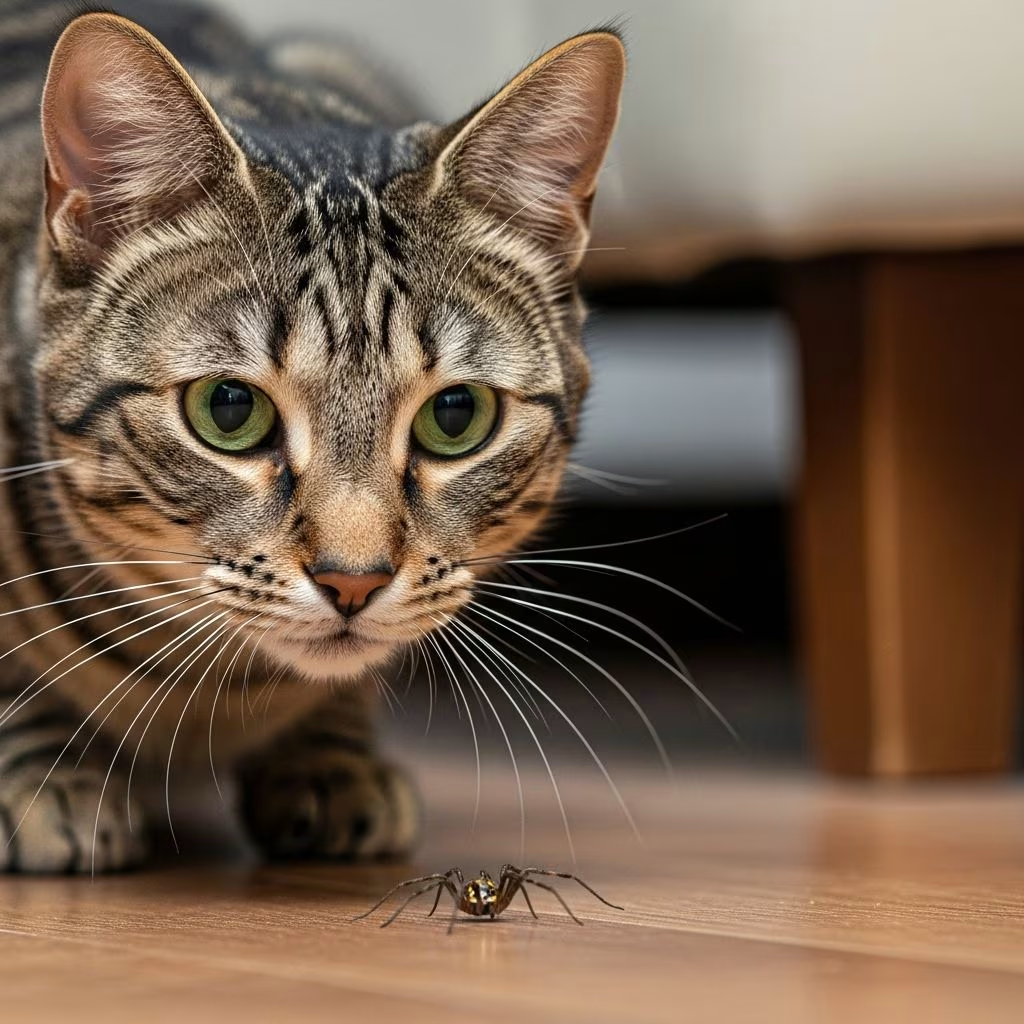
Cats often chase and consume spiders as part of their natural hunting instincts, and in most cases, this is harmless because a cat’s highly acidic stomach neutralizes spider venom before it can cause harm.
While domesticated cats have ample food, their predatory nature drives them to pursue small prey like spiders, insects, and rodents. This behavior stems from their evolutionary role as hunters, making spider-eating a common sight in homes worldwide.
Why Do Cats Like Spiders?
Cats are obligate carnivores with an innate drive to hunt, triggered by the movement of spiders scurrying across floors or walls. This predatory instinct persists even in well-fed indoor cats, turning everyday bugs into irresistible playthings that often end up swallowed whole.
The appeal lies in the chase: a spider’s quick, erratic movements mimic prey, activating a cat’s pouncing reflexes. Cats may bat spiders around for fun before eating them, satisfying both play and hunger urges. Research into feline behavior confirms that such interactions provide mental stimulation, mimicking wild foraging.
Additionally, curiosity plays a role. Cats explore their environment through taste and texture, nibbling on novel items like spiders to assess edibility. This exploratory eating is harmless for most household spiders but underscores why cats ignore premium kibble in favor of live “treats.”
Can Cats Eat Spiders Safely?
Yes, cats can safely eat most common spiders found in homes. Their stomach pH, around 1-2, is extremely acidic and rapidly breaks down venom proteins, rendering them ineffective. Typical house spiders like cellar spiders, wolf spiders, or common house varieties pose no toxicity risk when ingested.
Even if a spider bites during play, the small fangs rarely penetrate a cat’s thick skin deeply enough for significant venom delivery. Swallowing the spider whole bypasses this issue entirely, as digestive enzymes dismantle any remaining threats. Studies on feline digestion support that insects, including spiders, are processed efficiently without adverse effects in healthy cats.
However, occasional mild reactions like drooling, vomiting, or temporary lethargy can occur if the spider tastes bitter or carries bacteria. These symptoms usually resolve quickly without intervention, but monitoring is advised.
Nutritional Benefits of Spiders for Cats
Spiders and insects offer surprising nutritional value as occasional snacks. As carnivores, cats thrive on high-protein diets, and arthropods like spiders provide crude protein exceeding minimum requirements, along with essential amino acids such as taurine—vital for heart health, vision, and reproduction.
A 2020 study on insect-based diets (including cockroaches and superworms) found cats digest proteins, fats, and organic matter from insects as effectively as from chicken. Insects are rich in fatty acids like oleic, palmitic, linoleic, and stearic acids, supporting skin, coat, and cardiovascular function.
They also supply branched-chain amino acids (BCAAs) and arginine for muscle maintenance and immune support. While not a primary food source, incidental spider consumption supplements a cat’s diet sustainably, prompting some pet food brands to incorporate insect proteins.
| Nutrient | Benefit for Cats | Found in Insects/Spiders |
|---|---|---|
| Taurine | Heart, eye health | Exceeds NRC minimums |
| Crude Protein | Muscle repair | High levels |
| Essential Fatty Acids | Skin/coat health | Oleic, linoleic acids |
| Arginine/ BCAAs | Immune/muscle function | Abundant |
Which Spiders Are Dangerous to Cats?
While most spiders are benign, certain venomous species can harm cats via bites rather than ingestion. Neurotoxic or necrotic venoms target the nervous system or tissues, potentially causing severe symptoms if fangs deliver venom effectively.
- Black Widow: Neurotoxic venom causes muscle pain, cramps, tremors, and vomiting. Fatal in rare cases for kittens or small cats.
- Brown Recluse: Necrotic venom leads to skin ulcers, lethargy, fever. Wound may require veterinary care.
- Hobo Spider: Similar necrotic effects, causing tissue damage.
- False Widow: Milder neurotoxic bite with swelling, pain; more common in UK/Europe.
- Tarantulas: Venom mild, but urticating hairs irritate mouth, eyes, skin.
Other insects like bees, wasps, fire ants, and toxic caterpillars pose bite/sting risks with allergic reactions. Research local species via extension services (e.g., USDA resources) to identify threats in your area.
Symptoms of Spider Bites in Cats
Monitor for bite signs post-interaction: redness, swelling at site, excessive drooling, pawing at mouth, vomiting, diarrhea, lethargy, tremors, or breathing issues. Severe cases show muscle rigidity, paralysis, or collapse—emergency vet visit required.
- Mild: Localized swelling, drooling, mild vomiting (resolves in hours).
- Moderate: Lethargy, reduced appetite, fever.
- Severe: Seizures, respiratory distress, necrosis (black widow/brown recluse).
If symptoms appear after eating a spider, contact a vet with details on species/location. Provide supportive care like fluids; anti-venom rare for cats.
What to Do If Your Cat Eats a Spider
Stay calm—most incidents are uneventful. Observe for 24-48 hours: ensure normal eating, drinking, litter use, and energy. Mild upset stomach may cause one vomit; withhold food briefly, offer water.
For known dangerous spiders or symptoms:
- Prevent further access; capture spider for ID if possible.
- Call vet or poison hotline (e.g., ASPCA Animal Poison Control).
- Note symptoms onset/time for diagnosis.
- Seek immediate care for swelling, neuro signs.
Vets may recommend activated charcoal, anti-nausea meds, or monitoring. Prognosis excellent for common spiders.
How to Prevent Cats from Eating Spiders
Proactive steps reduce risks:
- Clean regularly: Vacuum webs, dust corners; use natural repellents like peppermint oil (diluted, cat-safe).
- Seal entry points: Caulk cracks, screen windows/doors.
- Enrich environment: Interactive toys, puzzle feeders divert hunting urges.
- Outdoor management: Supervise outdoor cats; create bug barriers.
- Quality diet: High-protein food/treats satisfy instincts.
Humane spider relocation outdoors prevents indoor hunts without harm.
Frequently Asked Questions (FAQs)
Are all spiders poisonous to cats?
No, no household spiders are poisonous when eaten; venom is neutralized by stomach acid. Bites from specific venomous types like black widows are the main concern.
Will eating spiders hurt my cat’s stomach?
Rarely; cats digest insects efficiently. Mild nausea possible but uncommon.
Can kittens eat spiders?
Kittens can, but their smaller size heightens bite risks. Extra caution advised.
Is spider-eating a sign of hunger?
Not necessarily; it’s instinctual hunting, not nutritional need.
What if my cat ate a black widow?
Monitor closely; contact vet immediately for potential neurotoxic effects.
References
- Can Cats Eat Spiders? Precautions & Facts — Catster. 2023. https://www.catster.com/nutrition/can-cats-eat-spiders/
- Can Cats Eat Spiders? Safety & Tips — Scrumbles. 2023. https://scrumbles.co.uk/blogs/news/can-cats-eat-spiders
- Can Cats Eat Spiders and Do They Like To? — A-Z Animals. 2023. https://a-z-animals.com/blog/can-cats-eat-spiders-and-do-they-like-to/
- Why Do Cats Like Watching Bugs? — PetMD. 2023. https://www.petmd.com/cat/behavior/why-do-cats-like-watching-bugs
- Do Cats Eat Bugs? — Whisker. 2023. https://www.whisker.com/blog/do-cats-eat-bugs
- Can Cats Eat Insects? — Dr. Ruth Roberts. 2023. https://drruthroberts.com/blogs/pet-blog/can-cats-eat-insects



