

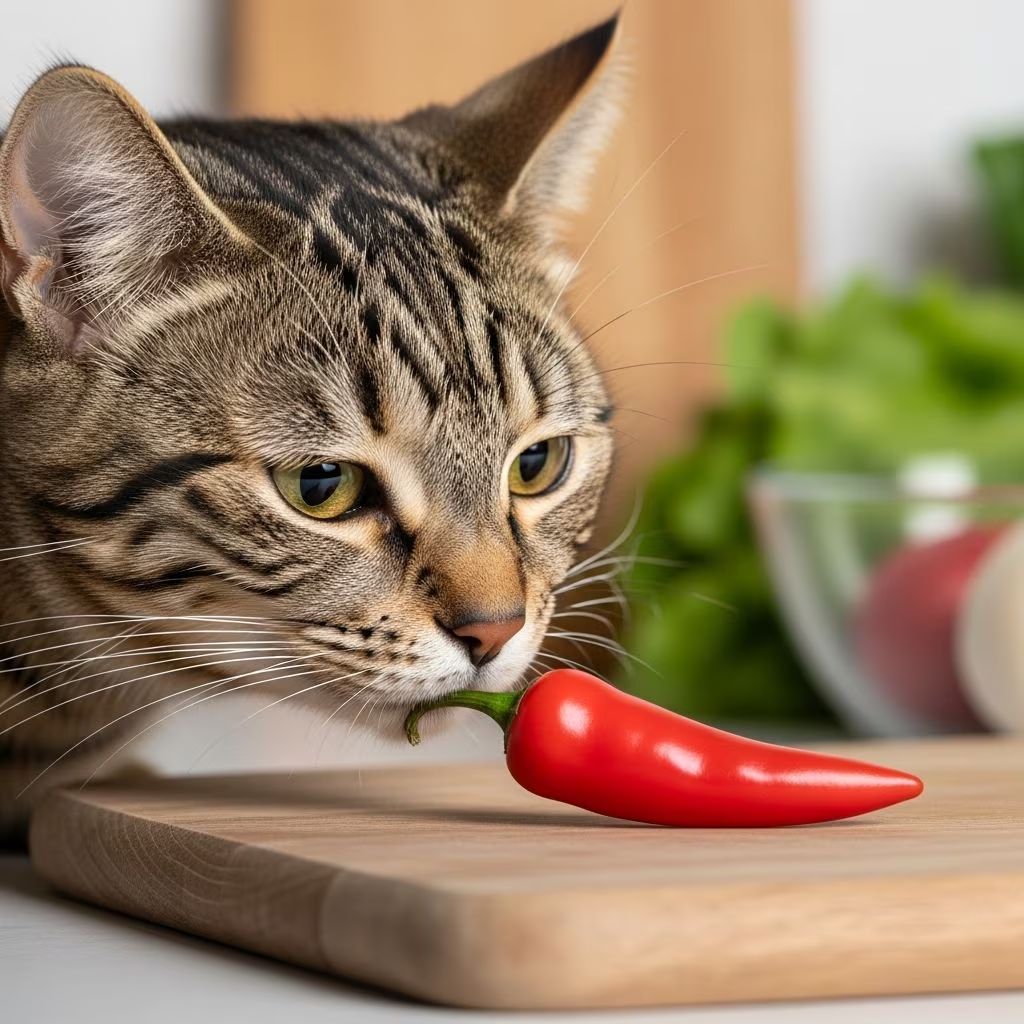
Spicy foods tantalize human taste buds with their fiery kick, but for cats, they spell trouble. Cats cannot safely eat spicy food due to their unique digestive systems, which are ill-equipped to handle capsaicin—the compound responsible for heat in peppers—and many toxic seasonings commonly found in spicy dishes. Sharing even a small bite can lead to immediate discomfort and long-term health issues.
This article explores why cats should steer clear of spicy foods, detailing their physiology, specific risky items, symptoms of ingestion, dangerous spices, effects of occasional exposure, safe alternatives, what to do if your cat eats spicy food, and frequently asked questions. Understanding these risks helps cat owners keep their pets healthy and happy.
Why Cats Can’t Eat Spicy Food: Understanding Feline Physiology
Cats are obligate carnivores, evolved to thrive on a meat-based diet. Their digestive systems differ significantly from humans’. Cats possess a shorter colon and highly acidic stomach optimized for breaking down raw meat proteins efficiently. However, this setup struggles with plant-based compounds, including spices.
Key anatomical differences include a lack of certain liver enzymes, like glucuronyl transferase, which humans use to metabolize toxins prevalent in spices. Capsaicin, found in chili peppers, binds to TRPV1 receptors in a cat’s mouth, throat, and gut, causing burning sensations without the pleasurable ‘heat chase’ humans experience. Cats detect spiciness through these pain receptors, leading to distress rather than enjoyment.
Additionally, cats have fewer taste buds—about 470 compared to humans’ 9,000—and lack sweet taste receptors, but they are sensitive to bitter and umami flavors. Spicy foods often pair with irritants their systems can’t process, amplifying risks.
Specific Spicy Foods Cats Should Avoid
Not all spicy foods are equal in danger, but none are safe. Here’s a breakdown of common culprits:
- Jalapeños: Packed with capsaicin, even tiny amounts cause mouth irritation, drooling, vomiting, and cramps. Cats paw at their face and show distress.
- Curry: A spice bomb including chili, garlic, and onion powder—all toxic. Leads to gastrointestinal upset and potential anemia from allium compounds.
- Spicy Chips: High sodium, artificial flavors, onion powder, and paprika irritate the mouth and gut. Sharp edges risk physical injury.
- Pepperoni or Salami: Contains chili powder, paprika, garlic, and high fat/salt, causing inflammation and toxicity.
- Cayenne Pepper: Pure capsaicin source; used as cat repellent due to its potency, causing watery eyes, runny nose, and vomiting.
Avoid all peppers (bell included if spiced), hot sauces, and seasoned snacks. Even ‘mild’ varieties overwhelm feline digestion.
Symptoms of Spicy Food Ingestion in Cats
If your cat sneaks a spicy bite, symptoms appear quickly—often within minutes to hours:
- Vomiting and diarrhea
- Excessive drooling or pawing at mouth
- Lethargy and loss of appetite
- Watery eyes, runny nose
- Tail swishing, nose licking, excessive grooming
- Abdominal pain, leading to hunching or hiding
Repeated exposure risks pancreatitis, liver strain, gastrointestinal disorders, and litter box issues. Allium spices (garlic/onion) destroy red blood cells, causing anemia.
Toxic Spices and Seasonings for Cats
Beyond capsaicin, many spices are outright poisonous:
| Spice | Risks |
|---|---|
| Garlic & Onion (fresh/powder) | Anemia via red blood cell damage; gastrointestinal toxicity |
| Black Pepper | Mouth/nose irritation, digestive inflammation |
| Paprika & Chili Powder | Capsaicin-induced burning, stomach upset |
| Nutmeg | Neurological toxins causing seizures, heart issues, fatalities in larger doses |
| Allium Family (Leeks, Shallots) | Blood cell destruction, weakness |
Even non-toxic spices like excessive salt overload kidneys, while fats in spicy dishes trigger pancreatitis.
Is Occasional Exposure Okay?
No—a ‘tiny taste’ accumulates damage. A single lick might pass unnoticed initially, but capsaicin lingers, causing delayed GI issues. Over time, it leads to food aversion, nutritional deficits, and organ stress. Cats may associate their bowl with negativity, refusing meals. Cumulative toxins from garlic/onion build up, risking severe illness. Prevention is key; no amount is safe.
Safe Alternatives to Spicy Foods for Cats
Stick to cat-appropriate treats:
- Plain cooked chicken, turkey, or fish (unseasoned)
- Commercial cat treats formulated for nutrition
- Freeze-dried meat nibbles
- Catnip or silvervine for stimulation
- Hydrating wet food or tuna water (in moderation)
Avoid human food entirely. Consult vets for diet plans, especially for kittens or seniors.
What to Do If Your Cat Eats Spicy Food
- Remove access: Prevent further ingestion.
- Monitor symptoms: Watch for 24-48 hours.
- Hydrate: Offer fresh water; avoid milk (lactose intolerant).
- Contact vet: If vomiting persists >24h, blood in stool, lethargy, or toxin suspicion (e.g., garlic). Induce vomiting only under vet guidance.
- Follow-up: Bloodwork for allium exposure.
Act fast—early intervention prevents complications.
Frequently Asked Questions (FAQs)
Can cats taste spicy food?
Yes, via capsaicin receptors causing pain, not pleasure. They feel the burn intensely.
Is black pepper safe for cats?
No, it irritates respiratory and digestive systems.
What if my cat ate a spicy chip?
Monitor for vomiting/diarrhea; vet if symptoms worsen.
Are all spicy foods toxic?
Not all, but most irritate; many contain toxins like alliums.
Can kittens eat spicy food?
Absolutely not—their systems are even more sensitive, risking dehydration and poisoning.
References
- Can Cats Eat Spicy Food? Safety Guide for Pet Owners — Petnicki. 2023. https://www.petnicki.com/can-cats-eat-spicy-food/
- Are Spicy Foods Bad For Cats? — YouTube (Senior Cat Wellness). 2023. https://www.youtube.com/watch?v=q0WkuDRkGz4
- Can Cats Eat Spicy Food? — AvoDerm Natural. 2024. https://avodermnatural.com/blog/can-cats-eat-spicy-food/
- Can Cats Taste Spicy Food? Our Vet Explains Risks & Facts — Catster. 2024-01-15. https://www.catster.com/ask-the-vet/can-cats-taste-spicy-food/
- Forbidden Food for Kittens — Petite Store. 2023. https://petite-store.com/blogs/petites-blog/forbidden-food-for-kittens



