

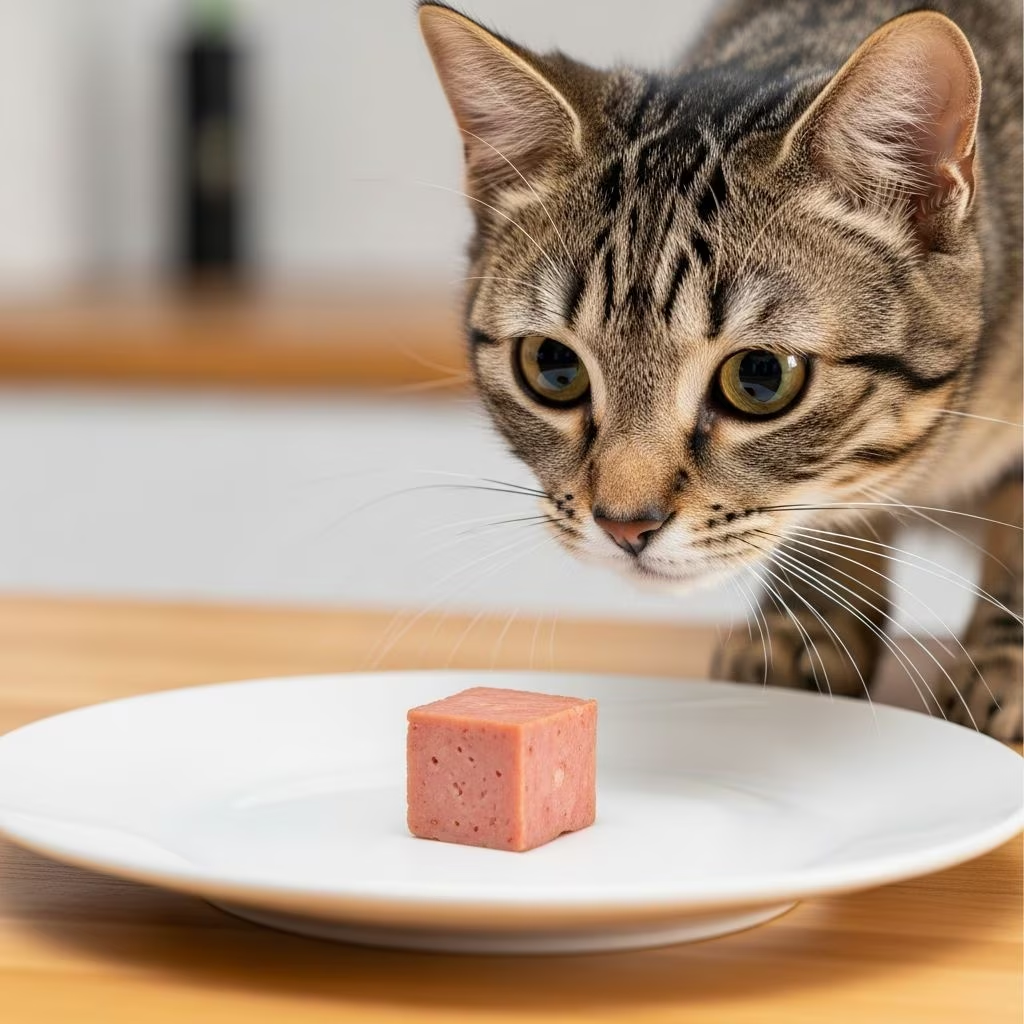
Can Cats Eat Spam? Our Vet Answers & Explains
As a cat owner, you may wonder whether it’s safe to share your food with your feline companion. Spam, the popular canned meat product, might seem like a convenient treat option. However, cats should not regularly consume Spam due to its high sodium, fat, and preservative content. While small amounts are generally safe, excessive consumption can pose serious risks to your cat’s health. This comprehensive guide explores why Spam is unsuitable for cats, the potential health consequences, and safer alternatives to keep your feline friend healthy and happy.
Understanding Your Cat’s Dietary Needs
Cats are obligate carnivores, meaning they require meat-based proteins to thrive. However, not all meat products are appropriate for feline consumption. Unlike humans, cats have unique nutritional requirements that commercial pet foods are specifically formulated to meet. Their diet must include essential amino acids like taurine, which is critical for heart and eye health. Spam, despite being made from pork, fails to provide these essential nutrients while introducing harmful additives foreign to a cat’s natural diet.
A 10-pound cat requires less than 200 milligrams of sodium daily. A single ounce of Spam contains approximately 375 milligrams of sodium, meaning even a small piece can exceed a cat’s safe daily intake. Understanding these dietary differences is crucial when deciding what human foods to share with your pets.
Risks of Feeding Spam to Cats
Feeding Spam to cats can pose several serious health risks. Here’s a comprehensive breakdown of the potential dangers:
Obesity and Weight Management
Spam is incredibly calorically dense, making it easy for cats to consume more calories than they expend. The high-fat content contributes to rapid weight gain, which is a growing issue among domestic felines. Feline obesity is an increasingly common nutritional disorder that can lead to a host of secondary illnesses including diabetes, osteoarthritis, and pancreatitis. Regular consumption of Spam significantly increases the risk of unhealthy weight gain in cats.
Pancreatitis and Digestive Issues
Spam is rich in saturated fats that can damage your cat’s pancreas. While cats need some fat in their diet for energy and nutrient absorption, the type and quantity matter significantly. The processed fats in Spam can increase the likelihood of developing pancreatitis—an inflammation of the pancreas that causes vomiting, abdominal pain, and loss of appetite. Pancreatitis in cats can be life-threatening and often requires hospitalization.
Many Spam products contain flavorings and preservatives that are safe for humans but not intended for animal consumption. Depending on the specific product and amount consumed, cats may experience gastrointestinal upset, leading to vomiting, diarrhea, nausea, or loss of appetite.
Sodium and Salt Poisoning
Excessive sodium in Spam can lead to salt poisoning (hypernatremia), causing serious neurological symptoms in cats. The sodium content alone poses a significant health risk. Symptoms of salt poisoning include vomiting, diarrhea, tremors, seizures, and in severe cases, even death. Sodium also increases the risk of hypertension and long-term kidney strain in cats.
Dangerous Additives and Preservatives
Spam contains several problematic ingredients for feline health:
- Sodium Nitrite: A preservative that has been associated with oxidative stress and potential long-term health issues for cats.
- Seasonings: Some Spam varieties contain garlic powder and onion powder, which are highly toxic to cats and can cause hemolytic anemia.
- Sugar: Though present in small amounts, sugar offers no nutritional benefit to cats and can contribute to dental problems and weight gain.
Nutritional Imbalance
Spam is not formulated for cats and lacks the essential nutrients they need for optimal health. Most critically, Spam contains zero taurine, an amino acid critical for feline heart and eye health. Regularly feeding your cat Spam can lead to nutritional deficiencies or imbalances that may affect their overall well-being and compromise their immune system.
What Happens If a Cat Eats Spam?
If your cat eats a very small amount of Spam occasionally, they may show no immediate symptoms. However, this does not mean it’s safe to feed regularly. Repeated exposure—even in tiny portions—can result in cumulative health damage. It’s important to monitor your cat’s behavior if they accidentally consume Spam.
Immediate Symptoms
Acute reactions to Spam consumption may include:
- Nausea and vomiting
- Diarrhea or constipation
- Excessive thirst and urination (due to high salt content)
- Lethargy or weakness
- Loss of appetite
Severe Reactions
In more serious cases, especially after consuming larger amounts, cats may develop acute salt poisoning. Signs include muscle twitching, disorientation, seizures, and collapse. If you suspect your cat has eaten a significant amount of Spam, contact your veterinarian immediately or reach out to an emergency animal poison control hotline such as the ASPCA Animal Poison Control Center (APCC).
Comparison: Different Spam Varieties
Some cat owners wonder if alternative Spam varieties might be safer. The answer remains the same across different types:
| Spam Variety | Safety for Cats | Key Concerns |
|---|---|---|
| Pork Spam | Not Recommended | High sodium, saturated fat, preservatives |
| Turkey Spam | Not Recommended | Still high in sodium; may contain onion/garlic powder |
| Spam Lite | Not Recommended | Even “lite” versions contain unhealthy fats and sodium |
| Low Sodium Spam | Not Recommended | Still too high in sodium for cats; retains other harmful ingredients |
Although turkey is generally leaner than pork, turkey Spam still contains high sodium levels, preservatives, and potentially toxic seasonings. No variety of Spam is truly safe for regular feline consumption.
Long-Term Health Consequences
It is important to remember that even safe-to-consume Spam may cause negative consequences on your cat’s health if consumed consistently over a long period of time. Feeding your cat Spam for dinner every night can have serious long-term consequences including:
- Chronic kidney disease from excessive sodium intake
- Development of diabetes related to obesity
- Hypertension and cardiovascular problems
- Pancreatitis leading to digestive complications
- Nutritional deficiencies affecting overall health
- Weakened immune system response
Safe and Healthy Treat Alternatives
Rather than risking your cat’s health with Spam, consider these nutritionally appropriate alternatives:
- Cooked Chicken: Plain, boneless, skinless chicken breast is an excellent protein source for cats
- Cooked Turkey: Similar benefits to chicken when prepared without seasoning
- Commercial Cat Treats: Specifically formulated to meet feline nutritional requirements
- Tuna (in moderation): Fresh or canned in water, without added salt
- Salmon: Rich in omega-3 fatty acids beneficial for coat health
- Wet Cat Food: Provides proper nutrition and hydration
Always consult with your veterinarian before introducing new foods, and consider preparing homemade diets under professional guidance.
What to Do If Your Cat Ate Spam
If your cat has accidentally consumed Spam, don’t panic. The key is to monitor your pet closely and take appropriate action:
- Small Amount: Monitor for 24-48 hours for any symptoms. Most cats will be fine with occasional small exposures
- Larger Amount: Contact your veterinarian or poison control immediately, especially if your cat shows any symptoms
- Symptom Monitoring: Watch for excessive thirst, vomiting, diarrhea, lethargy, or unusual behavior
- Veterinary Consultation: When in doubt, consult your veterinarian for guidance specific to your cat’s health status
Symptoms may be delayed, so continued observation is important even if your cat seems fine immediately after consumption.
Final Thoughts
Even though most varieties of Spam are not acutely toxic to cats, you would be wise to avoid feeding this canned meat to your feline companion. Spam is considered unhealthy for cats due to its high sodium, fat, and preservative content, and it may lead to obesity and other serious health effects over time. However, if your cat manages to sample a small amount of Spam while you’re not observing them, they would likely be okay. It remains best to consult your veterinarian if you suspect that your cat doesn’t seem well after consuming Spam.
Prioritizing species-appropriate nutrition over convenience protects your cat’s long-term health and well-being. By understanding your cat’s unique dietary needs and avoiding processed human foods, you can ensure your feline friend enjoys a long, healthy, and happy life.
Frequently Asked Questions
Q: Is Spam toxic to cats?
A: Spam is not acutely toxic since it’s made from pork, but it contains harmful levels of sodium, fat, and preservatives that make it unsuitable for regular feline consumption. Small accidental amounts are unlikely to cause immediate harm, but regular feeding poses serious health risks.
Q: Can cats eat Spam occasionally as a treat?
A: No. Due to its toxic ingredients and high sodium content, there is no truly safe frequency or amount of Spam for cats. Healthier treat alternatives exist that provide better nutritional value without health risks.
Q: Can kittens eat Spam?
A: No. Kittens have even more sensitive digestive systems and developing organs. Feeding Spam can severely impact growth and organ function during critical developmental stages.
Q: Is turkey Spam safer than pork Spam?
A: No. Although turkey is generally leaner, turkey Spam still contains high sodium levels, preservatives, and potentially toxic seasonings like onion powder. Neither variety is safe for cats.
Q: What if my cat ate Spam and seems fine?
A: Monitor your cat closely for 24-48 hours. Symptoms may be delayed, and cumulative damage can occur even if no immediate symptoms appear. Consult your veterinarian when in doubt about your cat’s health status.
Q: What are the signs of salt poisoning in cats?
A: Signs of salt poisoning include vomiting, diarrhea, tremors, seizures, muscle twitching, disorientation, and collapse. Seek immediate veterinary care if you observe these symptoms.
Q: Can Spam Lite be given to cats?
A: No. Even in its “Lite” version, Spam contains unhealthy fats and sodium levels that can contribute to obesity and pancreatitis in cats. The reduced-fat and reduced-sodium variations still pose health risks.
References
- Can Cats Eat Spam? Our Vet Answers & Explains — Catster. 2024. https://www.catster.com/ask-the-vet/can-cats-eat-spam/
- Can a Cat Eat Spam? No, It’s Unsafe and Toxic — Alibaba Cat Lovers. 2024. https://catlovers.alibaba.com/question/can-a-cat-eat-spam
- Can Cats Eat Spam? Vet-Reviewed Health & Safety Guide — Hepper. 2024. https://articles.hepper.com/can-cats-eat-spam/
- Can Cats Eat Spam? Risks & Alternatives — Zoorithm. 2024. https://www.zoorithm.com/cats/can-cat-eat-spam
- Can Cats Eat Spam Lite? Processed Meat Concerns — Dial A Vet. 2024. https://www.dialavet.com/blog/can-cats-eat-spam-lite



