

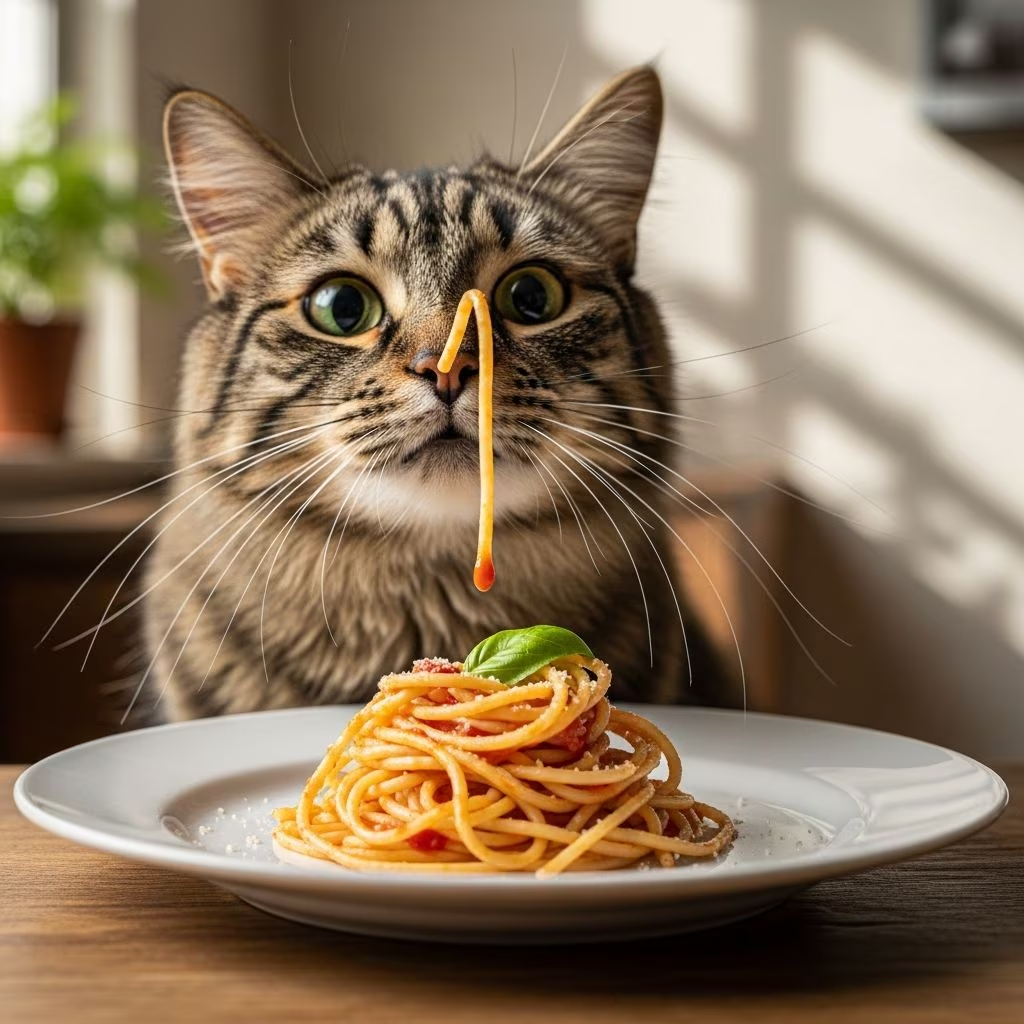
As you savor a steaming plate of spaghetti, your cat might stare intently, pawing at the table edge with hopeful eyes. It’s tempting to share a strand or two, but is it safe? Pasta itself contains no toxic ingredients for felines, making plain spaghetti non-poisonous. However, it provides zero nutritional value for obligate carnivores like cats, who thrive on meat-based proteins. Sauces often hide dangers like garlic and onions, which can cause severe health issues. This guide breaks down the facts, risks, and smarter ways to treat your kitty.
Are Tomatoes Safe for Cats?
Spaghetti wouldn’t be complete without sauce, and tomatoes form the base of many recipes. Ripe, red tomatoes are not toxic to cats when fed in small amounts. The fruit itself poses little risk and might even offer minor antioxidants, though cats derive no real benefit from plant matter. Problems arise from unripe green tomatoes, stems, and leaves, which contain solanine—a glycoalkaloid compound toxic to felines. Solanine can trigger gastrointestinal upset, tremors, or worse if ingested.
Always remove any green parts before considering sharing. Even then, tomatoes aren’t ideal; cats’ short digestive tracts aren’t built for processing fruits effectively, potentially leading to diarrhea or vomiting. Stick to cat-specific foods for optimal health.
Can Cats Eat Pasta Sauce?
Pasta sauce spells trouble for cats far more than plain noodles. Tomato-based sauces (like marinara or bolognese) often include onions, garlic, and herbs that are outright poisonous. These allium family members damage red blood cells, leading to hemolytic anemia—a potentially fatal condition.
- Onions and Garlic: Even powdered forms in seasonings count. Symptoms include nausea, vomiting, diarrhea, lethargy, pale gums, rapid breathing, and collapse.
- Salt and Spices: Excess sodium causes thirst, electrolyte imbalance, or salt poisoning, especially in processed or canned spaghetti.
- Acidic Tomatoes: Can irritate the stomach lining, causing reflux or ulcers in sensitive cats.
Creamy Alfredo sauces fare no better. Loaded with dairy, butter, and cheese, they overwhelm lactose-intolerant cats—most adults lack lactase enzyme to break down milk sugars. This ferments in the gut, producing gas, bloating, and diarrhea. High fat content risks pancreatitis, a painful inflammation of the pancreas. Bottom line: Skip the sauce entirely.
Toxic Herbs & Seasonings
Beyond basics, many spaghetti seasonings are hazardous. Basil or oregano in moderation might not harm, but combined with toxics, they compound risks. Key dangers include:
- Alliums (Onions, Garlic, Chives): Destroy hemoglobin in red blood cells, starving tissues of oxygen.
- Excess Oil or Butter: Leads to greasy stools, vomiting, or fatty liver disease over time.
- Hot Peppers or Chili: Capsaicin burns mouth and gut, causing drooling and pain.
A single small bite of sauced spaghetti might not kill your cat, but repeated exposure builds toxicity. Watch for drooling, oral irritation, orange urine, or weakness—rush to a vet if seen.
How to Feed Your Cat Spaghetti
We strongly advise against regular spaghetti feeding—it’s not species-appropriate and risks outweigh any fun. Cats evolved as hunters, needing 50-60% protein, 20-30% fat, and minimal carbs (under 10%) from quality commercial or raw diets. Spaghetti is mostly wheat carbs: empty calories promoting obesity without taurine, arachidonic acid, or vitamins cats can’t synthesize.
If insisting on sharing:
- Plain Only: Boil spaghetti without salt, oil, or sauce. Cool completely.
- Tiny Portions: One or two short strands (under 1 tsp) as an occasional treat, not daily.
- Mix In: Stir into wet food to mask flavor if picky.
- Monitor: Watch for vomiting, diarrhea, or bloating post-meal.
Avoid raw pasta—hard to digest, risks choking or blockage. Canned or instant varieties pack sodium bombs. For carb-craving cats, try safer swaps like steamed zucchini noodles (zoodles): fiber-rich, low-calorie, antioxidant-boosting without toxins.
Should You Feed Your Cat Spaghetti?
No, routinely feeding spaghetti isn’t recommended. While a rare nibble of plain pasta won’t harm most healthy adults, it displaces nutrient-dense food, risking deficiencies in essentials like vitamin A, B12, or taurine—blindness or heart disease can follow chronic shortfalls. Obese-prone breeds (Persians, Maine Coons) face amplified weight gain risks; carbs convert to fat easily in felines.
Digestive woes are common: many cats lack amylase for starch breakdown, causing gas, loose stools, or allergies if wheat-sensitive. Kittens, seniors, or those with diabetes, IBD, or kidney issues should never get it—strains fragile systems.
Opt for vet-approved treats: commercial freeze-dried meat, tuna flakes, or commercial dental chews. These satisfy begging without health trade-offs. Your cat’s begging is instinctual—reward with play or affection instead.
Potential Risks of Feeding Pasta to Cats
Beyond toxicity, pasta poses subtler threats:
| Risk | Description | Symptoms |
|---|---|---|
| Obesity | High-carb calories without satiety lead to overeating. | Weight gain, lethargy, joint strain. |
| Digestive Upset | Poor carb digestion ferments in gut. | Bloating, diarrhea, constipation, gas. |
| Nutrient Deficiency | Displaces protein-rich meals. | Weak coat, poor immunity, organ issues. |
| Allergies | Wheat gluten sensitivity. | Itching, ear infections, skin rashes. |
| Choking/Blockage | Long strands or dry pasta. | Gagging, vomiting, obstruction. |
Processed pasta amplifies sodium risks: hypernatremia causes seizures or coma. Long-term carb-heavy diets mimic human metabolic syndrome in cats, hiking diabetes odds.
Healthier Alternatives to Spaghetti for Cats
Satisfy sharing urges safely:
- Meat Purees: Plain cooked chicken or turkey shreds—protein-packed.
- Veggie Zoodles: Spiralized cucumber or zucchini, steamed plain.
- Commercial Treats: Low-carb, grain-free options with omega-3s.
- Fish Flakes: Salmon bits (no bones), rich in taurine.
- Cat-Safe Broth: Low-sodium chicken stock for flavor.
These mimic pasta texture while delivering nutrition. Always introduce new foods gradually to avoid tummy troubles.
Frequently Asked Questions
Can cats eat cooked pasta?
Yes, plain cooked pasta is safe in tiny amounts occasionally, but it offers no benefits and can cause digestive issues or weight gain. Avoid as a staple.
What if my cat ate spaghetti with sauce?
Monitor closely for vomiting, diarrhea, or lethargy. If garlic/onion suspected, contact a vet or poison hotline immediately—toxicity builds fast.
Is raw pasta safe for cats?
No, raw pasta is hard, indigestible, and a choking risk. Cook thoroughly if sharing.
Can kittens eat spaghetti?
Absolutely not—kittens need calorie-dense, protein-focused growth food. Carbs hinder development.
Why does my cat love pasta?
Warmth, texture, or curiosity drives interest, not nutrition need. It’s like kids craving candy.
Is canned spaghetti okay for cats?
No, high sodium and additives make it dangerous. Stick to vet diets.
In summary, while plain spaghetti won’t poison your cat, it’s a nutritional dead-end best avoided. Prioritize their carnivorous needs for a long, vibrant life. Consult your vet for personalized diet advice.
References
- Can Cats Eat Pasta? | Find Out if Pasta is Safe for Your Cat — Feline Fancy. 2023-05-15. https://felinefancy.co.uk/blogs/cat-care-tips/can-cats-eat-pasta
- Can Cats Eat Spaghetti? Vet Reviewed Facts To Know! — Catster. 2024-08-20. https://www.catster.com/cat-health-care/can-cats-eat-spaghetti/
- Can Cats Eat Spaghetti? — Maven Pet. 2024-03-10. https://maven.pet/all-about-pets/pet-care/cat-diet/can-cats-eat-carbs/can-cats-eat-spaghetti/



