

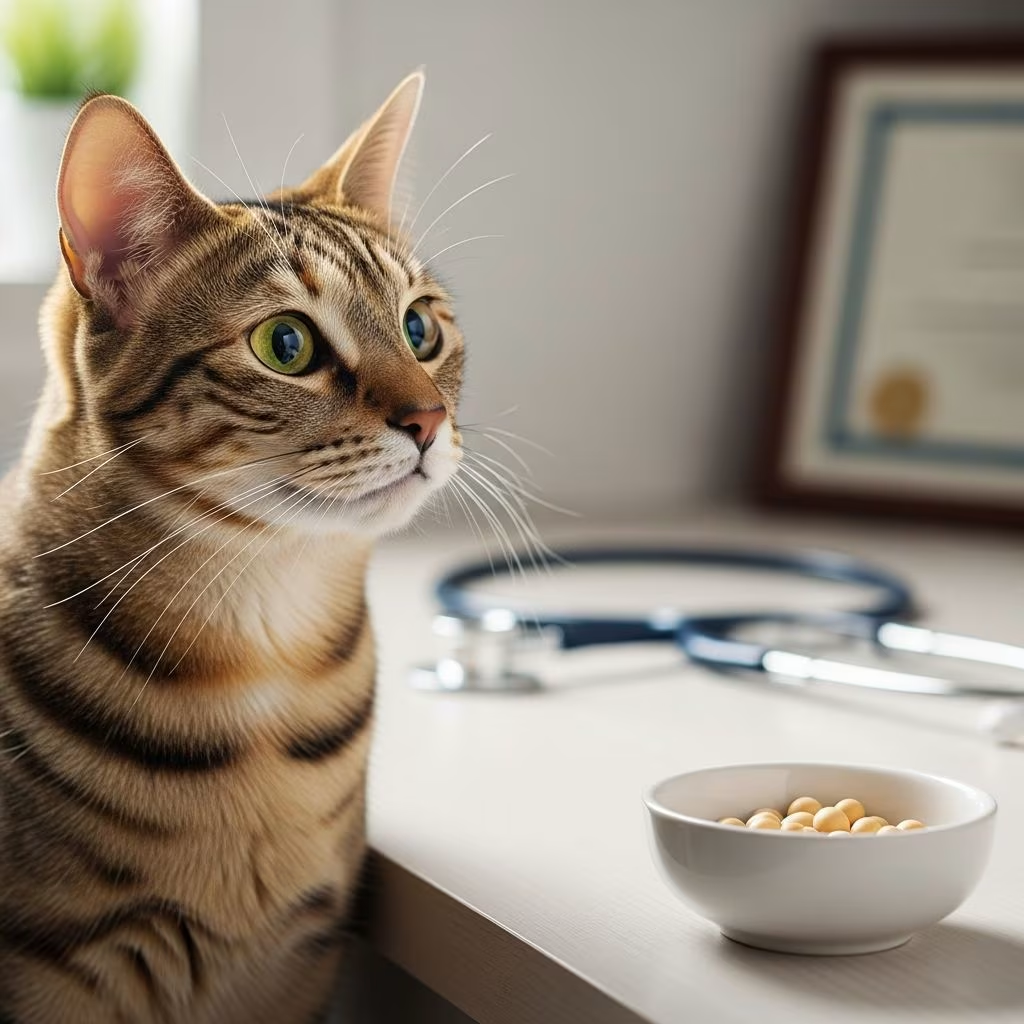
Can Cats Eat Soy? Vet-Approved Nutritional Facts & FAQ
While soy isn’t toxic to cats, it’s also not recommended to give it to them regularly. Soy products have very little nutritional value for felines, and there are several compelling reasons why veterinarians caution against including soy in your cat’s diet. Understanding these reasons is essential for any cat owner who wants to make informed decisions about their pet’s nutrition.
Can Cats Have Soy?
Soy is commonly used as a vegetable protein source in pet foods available in the United States. However, soy and many soy-derived products contain significant amounts of flavonoid compounds, particularly isoflavones, which are known to have biological activity that may affect animal health. While soy might seem like an economical protein source, it presents unique challenges for feline physiology.
The prevalence of soy in commercial cat food is largely due to its cost-effectiveness for manufacturers. However, cost benefits to pet food companies do not translate to health benefits for your cat. Cats are obligate carnivores, meaning their bodies evolved to obtain essential nutrients exclusively from animal tissue. This fundamental biological difference means cats metabolize plant-based proteins differently than humans or even dogs, creating potential health complications.
The Link Between Soy and Feline Hyperthyroidism
One of the most concerning associations with soy consumption in cats is its potential link to hyperthyroidism. Hyperthyroidism is currently the most common endocrine disease in cats in the United States, affecting up to 1 in 300 animals. Although the exact causes of feline hyperthyroidism are unknown, most evidence to date suggests an important role for the feline diet. Research has demonstrated that dietary soy may contribute to thyroid dysfunction in cats by interfering with normal thyroid hormone regulation.
A notable short-term feeding study examined how dietary soy impacts a cat’s thyroid function. Researchers took young and clinically healthy cats and randomly assigned them to receive either a soy-inclusive or soy-free diet for three months. The study demonstrated that cats fed the soy diet had slightly higher serum T4 and free T4 concentrations, suggesting that short-term administration of dietary soy can have a modest effect on thyroid homeostasis in cats. Over longer periods, these effects could be more pronounced.
The isoflavones in soy—particularly genistein and daidzein—are the primary compounds suspected of causing thyroid disruption. Cats have a biological disadvantage when processing these compounds. Unlike other species, cats cannot metabolize soy isoflavones as effectively due to slow glucuronidation, a metabolic process that helps eliminate these compounds from the body. This inefficiency can lead to accumulation of potentially harmful compounds over time.
Digestive Problems Associated with Soy
Beyond thyroid concerns, soy can create significant digestive challenges for cats. Cats have a shorter digestive tract than omnivores and herbivores, specifically adapted for processing animal proteins and fats. Plant-based proteins like soy are fundamentally different in structure and nutrient composition from meat proteins.
Cats that consume soy may experience various digestive issues, including:
- Bloating and gas
- Stomach discomfort and cramping
- Difficulty in nutrient absorption
- General gastrointestinal distress
These digestive problems occur because soy contains phytates, compounds that inhibit mineral absorption and block the enzymes needed to digest protein efficiently. This interference can lead to GI tract inflammation and potentially more serious illnesses if consumption is prolonged. Additionally, the carbohydrate content in soy can cause a rise in blood sugar in cats, which is problematic for species that have evolved to thrive on protein and fat-based diets.
Soy Allergies and Food Sensitivities in Cats
In addition to potential hyperthyroidism problems following the consumption of soy, a cat can also suffer from an allergic reaction or food intolerance. Soy is recognized as one of the main causes of both acute and sub-acute food hypersensitivities in cats, as well as long-term food intolerances. Some cats are particularly sensitive to soy proteins and may develop serious allergic responses.
If your cat has developed a soy allergy or sensitivity, symptoms may include:
- Itching and excessive scratching
- Irritated or inflamed skin
- Hair loss or alopecia
- Vomiting
- Gas and bloating
- Diarrhea
- General discomfort or lethargy
If your cat has eaten a piece of tofu or drank the rest of your soy milk and shows one or more of the above symptoms afterward, have them evaluated by a veterinarian. A trained veterinarian can perform allergy testing and recommend an appropriate elimination diet to identify if soy is the culprit.
Understanding Different Forms of Soy in Pet Food
Pet food manufacturers use various forms of soy in their formulations, sometimes making it difficult for cat owners to identify its presence on ingredient lists. Soy appears in pet foods in multiple forms, including:
- Soybean meal
- Soy flour
- Soy grits
- Soy hulls
- Soy protein concentrate
- Isolated soy protein
- Textured vegetable protein (TVP)
Understanding these various forms helps you read ingredient lists more effectively and make informed choices about your cat’s food. Many cat owners unknowingly feed their pets soy derivatives without realizing the potential health implications.
Why Cats Are Obligate Carnivores
To truly understand why soy is problematic for cats, it’s important to recognize that cats are obligate carnivores (hypercarnivores), meaning not only that meat is the basis of their nutrition, but also that their physiology has developed fundamentally differently from omnivores and other carnivores. This biological reality is crucial to feline nutrition discussions.
Cats require specific amino acids and nutrients that are only available in animal tissue, including taurine, which is essential for heart and eye health. While plant-based proteins like soy contain amino acids, they lack the bioavailable forms that cats require. The focus for feline nutrition should be on protein from meat, not just any kind of protein. Soybeans might be a great source of protein for humans, but the benefits don’t transfer to cats.
Cats cannot synthesize certain essential nutrients from plant sources and have never evolutionarily needed to develop the metabolic pathways to do so. This explains why cats often ignore plant-based foods offered to them and why plant materials feature so rarely in wild feline diets. Generally speaking, non-meat items shouldn’t be consciously added to a cat’s diet.
What About Soy Sauce and Other Soy Products?
Your kitty might show interest in soy sauce, especially if you’ve used it to prepare a meat dish. However, soy sauce deserves special attention. Though it is non-toxic to cats, it’s not recommended to give soy sauce to them because it offers no nutritional benefits. Even if your kitty has taken a liking to the sauce, the other ingredients and preservatives used in its preparation could be problematic.
More significantly, soy sauce is extremely high in sodium, which can lead to serious health issues in cats, including dehydration and electrolyte imbalances. A single lick of soy sauce is unlikely to cause harm, but regular exposure or significant amounts can be dangerous. Always keep soy-based condiments away from your feline companions.
Mineral Deficiencies and Long-Term Effects
Recent studies suggest that a diet high in soy might lead to mineral deficiencies in cats. The phytates present in soy bind to essential minerals like calcium, magnesium, iron, and zinc, preventing their absorption in the digestive tract. Over time, these mineral deficiencies can lead to serious health problems, including weakened bones, poor coat quality, and compromised immune function.
Additionally, soy contains high levels of purines, making it an inappropriate protein source for certain cats. The combination of mineral-blocking compounds, hormonal disruption through isoflavones, and poor digestibility makes soy a nutritionally mismatched ingredient for feline diets.
Reading Your Cat Food Labels
Many products contain soy in the list of their ingredients. If your cat is currently eating food containing soy and doing well, there is no need to panic. However, if you have noticed certain changes in your pet’s behavior or if your cat has developed symptoms related to a food allergy, soy may be the culprit.
When evaluating cat foods, look for:
- Meat-based proteins as primary ingredients (chicken, turkey, fish, beef)
- Absence of soy and soy derivatives
- Minimal grain and vegetable fillers
- Clear nutritional adequacy statements
- AAFCO certification for feline nutrition
If your veterinarian believes your cat’s diet may be responsible for their symptoms, they may suggest replacing the food with a more appropriate diet that focuses on meat-based proteins and eliminates problematic plant-based ingredients.
What Should You Feed Your Cat Instead?
Rather than soy-containing foods, choose cat foods formulated specifically for obligate carnivores. High-quality commercial cat foods list animal proteins as their primary ingredients and are formulated to meet the Association of American Feed Control Officials (AAFCO) standards for feline nutrition.
Options include:
- Wet or canned foods featuring meat as the primary ingredient
- Dry kibble formulated for carnivores
- Raw or fresh diets specifically designed for cats
- Homemade diets prepared under veterinary supervision
Your veterinarian can recommend specific brands and formulations that align with your cat’s individual health needs and any existing medical conditions.
Frequently Asked Questions (FAQs)
Q: Is soy toxic to cats?
A: Soy is not toxic to cats in the traditional sense, meaning it won’t cause immediate poisoning. However, it is not recommended for regular consumption due to potential health issues including thyroid dysfunction, digestive problems, and allergic reactions.
Q: Can a small amount of soy hurt my cat?
A: A small, accidental ingestion of soy (such as a taste of tofu or soy milk) is unlikely to cause immediate harm. However, regular consumption of soy or soy-containing foods can lead to cumulative health problems over time.
Q: What should I do if my cat ate something with soy?
A: If your cat has consumed a small amount of soy as an accident, monitor them for any unusual symptoms such as vomiting, diarrhea, or skin irritation. If symptoms develop or persist, contact your veterinarian for evaluation and guidance.
Q: How do I know if my cat has a soy allergy?
A: Signs of a soy allergy include itching, hair loss, vomiting, diarrhea, and skin irritation. If you suspect your cat has a food allergy, consult your veterinarian, who can perform tests and recommend an elimination diet to identify the problem ingredient.
Q: Can I feed my cat a vegetarian diet?
A: While you may choose to follow a vegetarian lifestyle, cats cannot thrive on a vegetarian diet. As obligate carnivores, cats require animal-based proteins and nutrients that plant sources cannot provide. You must be willing to feed your cat the meat protein they need to live a long and healthy life.
Q: Why is soy used in cat food if it’s not good for cats?
A: Soy is used in cat food primarily because it is an inexpensive source of protein for pet food manufacturers. The cost savings to manufacturers do not translate to health benefits for cats, making it a controversial ingredient in the pet food industry.
Final Thoughts
It’s important to understand that soy and its derivatives are not recommended for your kitty on a regular basis. There’s no need to worry if your cat nibbles on a piece of tofu or laps up your soy milk by accident. However, if you have decided to adopt dietary changes for yourself, don’t include your cat in your new diet. Cats have specific nutritional requirements that differ significantly from humans, and their health depends on a meat-based diet.
By selecting high-quality, meat-based cat foods and avoiding soy-containing products, you’ll be providing your feline companion with the nutritionally appropriate diet they need to thrive. When in doubt about your cat’s diet or if you notice any behavioral or health changes, always consult with your veterinarian for personalized nutritional guidance.
References
- Soy Isoflavone Metabolism in Cats Compared with Other Species — PubMed Central / National Center for Biotechnology Information. 2015. https://pmc.ncbi.nlm.nih.gov/articles/PMC4967369/
- Can Cats Eat Soy? Vet-Approved Health Facts — Hepper. 2024. https://articles.hepper.com/can-cats-eat-soy/
- Soy Protein — VCA Animal Hospitals. 2024. https://vcahospitals.com/know-your-pet/soy-protein
- Why Soy Is Not the Best Choice for Cats — Bedfod Pet Prague. 2024. https://bedforpetprague.org/tpost/fxoxsd4211-why-soy-is-not-the-best-choice-for-cats
- Soy Protein in Cat Food Is Harmful — Two Crazy Cat Ladies. 2024. https://twocrazycatladies.com/cat-food/soy-protein-in-cat-food-is-harmful/
- Can Cats Eat Soy? — Pretty Litter. 2024. https://www.prettylitter.com/blog/can-cat-eat-soy



