

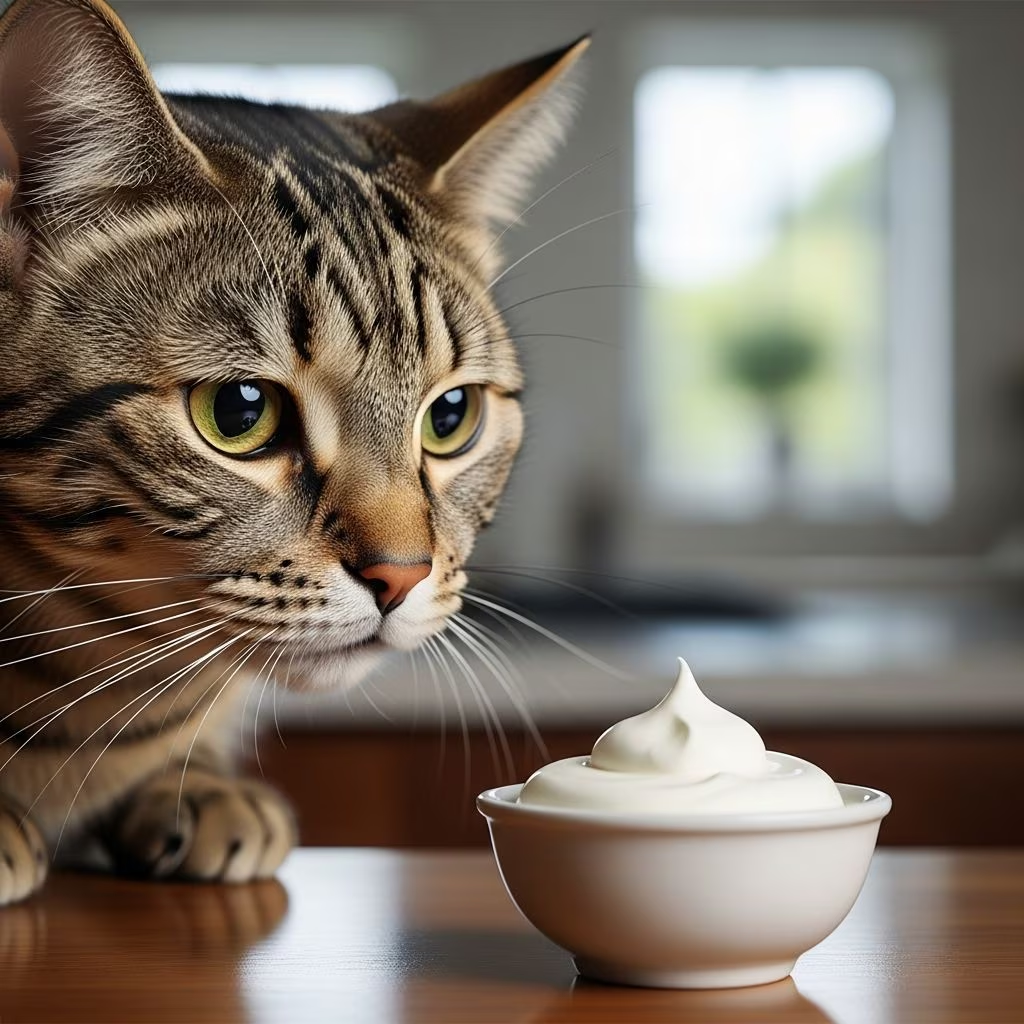
Sour cream is a creamy dairy delight for humans, often topping tacos, baked potatoes, or dips, but cat owners frequently wonder if it’s safe to share with their feline companions. The short answer: cats can eat sour cream in very small amounts, but it’s generally not recommended due to lactose intolerance, high fat content, and lack of nutritional necessity for obligate carnivores. While plain sour cream isn’t toxic, offering it occasionally as a tiny treat—think a fingertip dab—requires caution. Most adult cats lose the ability to digest lactose after weaning, leading to potential digestive woes. This comprehensive guide explores the safety, risks, benefits, how to offer it safely, symptoms to watch for, and healthier alternatives to keep your cat thriving.
The Nutritional Profile of Sour Cream for Cats
Sour cream is fermented cream, thick and tangy, boasting about 20% fat, some protein (around 2-3 grams per 100g), and trace vitamins like A, K, and B2. For cats, however, this profile falls short. As obligate carnivores, cats require high-quality animal-based proteins, taurine, and specific fatty acids—not dairy carbs or excess fats.
- Protein: Minimal; insufficient to meet daily needs (cats need 26-30% protein in diet).
- Fat: High (18-20g per 100g), risking pancreatitis or obesity if overfed.
- Lactose: Present at 3-4g per 100g; problematic for 65-75% of adult cats lacking lactase enzyme.
- Calories: Dense at ~200 kcal/100g, adding unnecessary empty calories.
Flavored varieties often include toxic additives like garlic, onions, or chives, which damage red blood cells causing hemolytic anemia. Always scrutinize labels for plain, full-fat sour cream without preservatives or xylitol.
Is Sour Cream Safe for Cats?
Plain sour cream is non-toxic and safe in trace amounts for most cats, per veterinary consensus. A small lick might even entice picky eaters or aid pill administration due to its palatability. However, safety hinges on moderation—excess triggers issues in lactose-sensitive cats, who comprise the majority post-kittenhood.
| Aspect | Safe Conditions | Risks if Ignored |
|---|---|---|
| Lactose | Tiny portions (<1 tsp) | Diarrhea, gas, vomiting |
| Fat Content | Occasional treat | Obesity, diabetes risk |
| Additives | Plain only | Toxicity (e.g., garlic) |
| Frequency | Rarely (1-2x/month) | Nutrient imbalance |
Vets advise against routine dairy; cat food formulas already optimize nutrition. Kittens tolerate it better but should stick to kitten kibble or milk replacers.
Potential Dangers and Health Risks
While not poisonous, sour cream poses several pitfalls for cats:
- Lactose Intolerance: Adult cats produce insufficient lactase, fermenting undigested lactose in the gut, causing osmotic diarrhea and bloating.
- Obesity and Related Issues: High fat/calories contribute to weight gain; obese cats face diabetes, arthritis, and hepatic lipidosis risks.
- Pancreatitis: Fat overload inflames the pancreas, leading to severe pain and vomiting.
- Toxic Additives: Onion/garlic family (Allium spp.) denature hemoglobin; even trace amounts in dips are hazardous.
- Nutritional Displacement: Treats shouldn’t exceed 10% of calories; sour cream displaces vital nutrients like taurine.
Diabetic or overweight cats should avoid it entirely. Consult a vet for personalized advice, especially with pre-existing conditions.
How to Safely Give Sour Cream to Cats (If You Must)
If your cat begs irresistibly, follow these guidelines:
- Select Plain Sour Cream: No flavors, herbs, or sweeteners. Organic/full-fat is best.
- Portion Control: Limit to 1/4-1/2 teaspoon per 10 lbs body weight, max once weekly.
- Introduce Gradually: Start with a pinky-tip smear; observe 24-48 hours.
- Monitor Closely: Watch for GI upset; stop immediately if symptoms appear.
- Vet Approval: Ideal for med carriers but confirm with your veterinarian.
Lactose-free sour cream reduces risks, though fat concerns persist. Never mix with human meals—pure sour cream only.
Symptoms of Adverse Reactions in Cats
Post-sour cream, vigilance is key. Lactose intolerance symptoms onset within 30 minutes to 12 hours:
- Diarrhea: Loose, watery stools, possibly foul-smelling.
- Vomiting: One-off or repeated, with cream flecks.
- Gas/Bloating: Audible rumbling, distended abdomen, discomfort.
- Lethargy: Hiding, reduced activity, appetite loss.
- Behavioral Changes: Restlessness, vocalizing pain, hunched posture.
Mild cases resolve in 24-48 hours with fasting and hydration. Severe symptoms (blood in stool, dehydration) warrant immediate vet care—IV fluids may be needed.
Healthier Alternatives to Sour Cream for Cats
Ditch dairy for cat-safe treats providing benefits without risks:
| Treat | Benefits | Portion Guide |
|---|---|---|
| Commercial Cat Treats | Taurine-enriched, low-cal | 3-5 pieces/day |
| Plain Cooked Meat (Chicken, Turkey) | High protein, natural | 1 tsp shredded |
| Fish (Salmon, Tuna in Water) | Omega-3s for coat/skin | 1/2 tsp, no oil |
| Catnip or Silvervine | Mental stimulation | Sprinkle as needed |
| Frozen Broth (Low-Sodium Chicken) | Hydration, flavor | 1-2 ice cubes |
These align with feline biology, supporting muscle health, hydration, and enrichment. DIY treats: Blend boiled chicken with cat food for patties.
Why Do Cats Love Sour Cream?
Cats’ 470 taste buds (vs. humans’ 9,000) prioritize umami and fat; sour cream’s richness mimics prey fats, triggering appeal. Their keen sense of smell detects fermented notes. Curiosity drives counter-surfing, but interest ≠ suitability. Redirect to appropriate outlets.
Frequently Asked Questions (FAQs)
Can kittens eat sour cream?
Kittens retain some lactase up to 8-12 weeks, tolerating tiny amounts better than adults. However, prioritize kitten formula or mother’s milk for growth; avoid dairy post-weaning.
Is lactose-free sour cream safe for cats?
Yes, safer sans lactose, but limit due to fat. Occasional micro-dose is fine; vet-preferred.
What if my cat ate flavored sour cream with onions?
Onions/garlic are toxic—induce anemia. Symptoms: pale gums, weakness. Rush to vet for decontamination, bloodwork.
How much sour cream can I give my cat?
No more than 1/4 tsp per 5-10 lbs, rarely. Treats ≤10% daily calories.
Does sour cream have any benefits for cats?
Negligible; trace vitamins overshadowed by risks. Stick to balanced cat food.
Final Thoughts
Sour cream tempts with creaminess, but for cats, it’s a risky indulgence. Prioritize species-appropriate nutrition via premium wet/dry food, supplementing sparingly with vet-approved treats. Your cat’s health thrives on meat-centric diets, not dairy detours. Observe reactions, consult professionals, and foster longevity—one paw at a time.
References
- Can Cats Eat Sour Cream? Safe or Risky? — Dial A Vet. 2023. https://www.dialavet.com/blog/can-cats-eat-sour-cream
- Can Cats Eat Sour Cream? Is Sour Cream Safe For Cats? — CatTime. 2023. https://cattime.com/cat-facts/health/42784-can-cats-eat-sour-cream-safe
- Can Cats Eat Sour Cream? Vet-Verified Facts & Safety Guide — Hepper. 2024. https://articles.hepper.com/can-cats-eat-sour-cream/



