

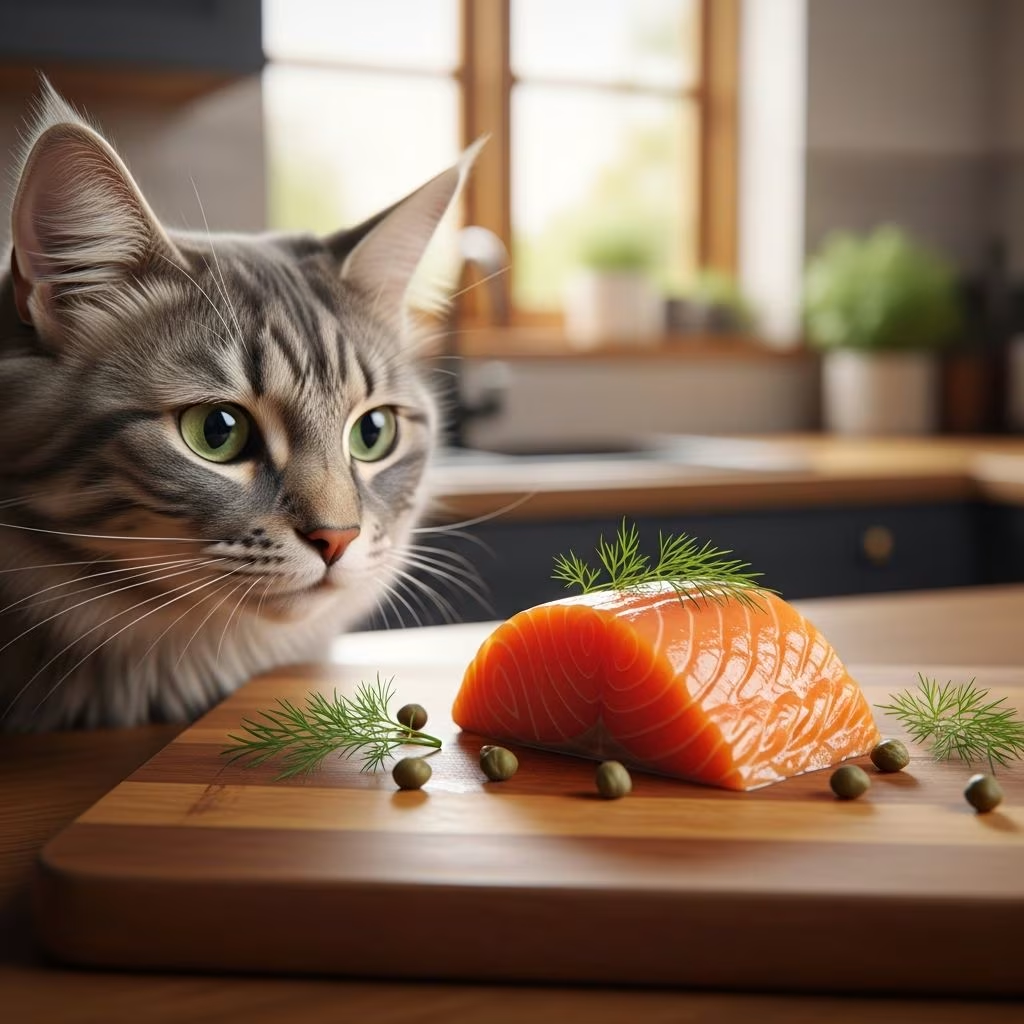
Cats can eat **smoked salmon** in very small amounts as an occasional treat, but it should not be a regular part of their diet due to high sodium, potential additives, and fat content.
While plain cooked salmon provides valuable protein and omega-3 fatty acids beneficial for skin, coat, and joint health, the smoking process introduces risks that make smoked varieties less ideal for felines. This article breaks down the safety, benefits, risks, and expert advice to help cat owners make informed decisions.
Is It Safe for Cats to Eat Smoked Salmon?
Smoked salmon is generally safe for cats when given sparingly, but caution is essential. Veterinary experts note that a small piece—about the size of a pea or less—poses minimal risk for healthy adult cats. However, factors like high salt levels, preservatives, spices, and smoking methods can lead to health issues if overfed.
Cats are obligate carnivores requiring high-quality animal proteins, taurine, and specific fatty acids they cannot produce themselves. Fish like salmon can supplement these needs, but processed forms alter the nutritional profile unfavorably. Always check labels for additives such as garlic, onions, or artificial colors, which are toxic to cats.
Are Smoked-Prepared Foods Bad for Cats?
Smoking fish involves exposure to wood smoke, which may produce polycyclic aromatic hydrocarbons (PAHs)—potential carcinogens. While human consumption levels are regulated, cats’ smaller bodies and different metabolisms amplify risks, especially for those prone to cancer or with compromised immune systems.
Consult a veterinarian before offering smoked foods to senior cats, kittens, or those with pre-existing conditions. Studies indicate cats tolerate moderate sodium increases without immediate harm, but long-term exposure warrants avoidance.
How Much Sodium Is in Smoked Salmon?
Smoked salmon is notoriously high in sodium due to the curing process. One cubic inch (about 17 grams) contains approximately 130 milligrams of sodium—roughly double the daily minimum requirement for an average cat.
For context, 100 grams of smoked salmon packs around 1,210 milligrams (1.2 grams) of sodium. Cats’ daily sodium needs vary by weight and health, but excess can cause dehydration, elevated thirst, high blood pressure, or salt poisoning. Research shows cats fed three times the recommended sodium showed no adverse effects short-term, and slight increases may encourage hydration to prevent urinary tract infections (UTIs).
The fatal salt dose is about 4 grams per kilogram of body weight, with toxicity symptoms at 2-3 grams per kg. A 4-kg cat would need substantial amounts to reach danger, but repeated small servings accumulate risks, particularly for kidney-compromised felines.
- Tip: Opt for low-sodium brands or homemade versions rinsed to reduce salt.
- Monitor intake: Limit to once a week or less, factoring in total diet sodium.
The Fat Debate: Is Smoked Salmon Too Fatty for Cats?
One cubic inch of smoked salmon delivers 0.7 grams of fat, primarily healthy unsaturated fats (0.5 grams) with minimal saturated fat (0.2 grams). These omega-3s support heart health, reduce inflammation, and promote glossy coats.
However, the overall caloric density—20 calories per cubic inch—matters for indoor or overweight cats, who require about 20 calories per pound daily for maintenance. Excessive fat risks pancreatitis, obesity, and digestive upset.
| Nutrient (per cubic inch) | Amount | Implications for Cats |
|---|---|---|
| Sodium | 130 mg | Double daily min; monitor kidneys/thirst |
| Total Fat | 0.7 g | Mostly healthy; limit for obese cats |
| Calories | 20 kcal | Matches 1 lb maintenance; portion control key |
| Protein | High-quality | Supports muscle; taurine source |
Balance treats against regular kibble or wet food to avoid caloric surplus. Vets recommend assessing your cat’s activity level and weight before including fatty fish.
Benefits of Smoked Salmon for Cats
Despite risks, smoked salmon offers nutritional perks in moderation:
- High-Quality Protein: Essential for muscle repair and energy; cats thrive on animal-based proteins.
- Omega-3 Fatty Acids: Aid joint mobility, reduce allergies, and enhance skin/coat health.
- Vitamins B12 & D: Boost immunity, vision, and bone strength.
- Taurine: Critical for heart and eye function; fish provides bioavailable forms.
These align with cats’ needs, making occasional nibbles rewarding. Plain cooked salmon maximizes benefits without processing downsides.
Potential Risks and Dangers of Feeding Cats Smoked Salmon
Beyond sodium and fat, other hazards include:
- Additives & Spices: Garlic/onions cause hemolytic anemia by damaging red blood cells.
- Preservatives: Artificial colors or nitrates upset digestion and gut flora.
- Heavy Metals: Salmon may accumulate mercury; wild varieties riskier than farmed.
- Pancreatitis & Obesity: High fat strains pancreas, especially in sedentary cats.
- Allergies: Rare but possible; watch for itching or GI issues.
Kittens, seniors, and cats with heart/kidney disease face heightened risks. Raw or undercooked salmon adds thiamine deficiency and parasite threats.
What Should You Feed Your Cat Instead of Smoked Salmon?
Prioritize commercial cat foods meeting AAFCO standards for complete nutrition. For fish treats:
- Plain Cooked Salmon: Baked or boiled, boneless, skinless—ideal occasional protein boost.
- Commercial Treats: Fish-flavored, low-sodium options formulated for cats.
- Fresh Proteins: Chicken, turkey, or tuna in water (limit tuna due to mercury).
Homemade treats: Poach salmon plainly, flake small amounts (1-2% of daily calories). Freeze-dried raw patties offer convenience without additives.
My Cat Ate Smoked Salmon: What Do I Do?
If your cat sneaks a small bite, stay calm—most tolerate tiny amounts well.
- Monitor Symptoms: Watch 24-48 hours for vomiting, diarrhea, lethargy, thirst, tremors, or seizures.
- Hydrate: Provide fresh water; consider wet food or broth to flush sodium.
- Contact Vet: Call if large quantity ingested, symptoms appear, or pre-existing conditions exist. Provide details on amount and ingredients.
- Prevent Future Access: Store securely; use puzzle feeders for controlled treats.
Salt toxicosis requires prompt intervention; early signs mimic dehydration.
Conclusion
**Smoked salmon** can be a rare treat for cats, offering protein and omega-3s, but high sodium, fat, and additives limit its suitability. Prioritize your cat’s health profile—consult a vet for personalized advice. Opt for plain cooked fish or vet-approved alternatives for safer indulgence.
Frequently Asked Questions (FAQs)
Q: Can cats eat smoked salmon every day?
A: No, daily feeding risks sodium overload, obesity, and toxicity. Limit to occasional small pieces.
Q: Is smoked salmon toxic to cats?
A: Not outright toxic in tiny amounts, but high salt and potential toxins like spices make it unsafe regularly.
Q: How much smoked salmon can I give my cat?
A: A pea-sized piece weekly max for a 10-lb cat; adjust by weight and health. Check with vet.
Q: Can kittens eat smoked salmon?
A: Avoid; their systems are sensitive. Stick to kitten formula.
Q: What’s better, smoked or fresh salmon for cats?
A: Plain cooked fresh salmon—retains nutrients without salt or smoke risks.
References
- Can cats eat smoked salmon? A Comprehensive Guide — Scrumbles. 2023. https://scrumbles.co.uk/blogs/news/can-cats-eat-smoked-salmon
- Can Cats Eat Smoked Salmon? Vet-Reviewed Facts & FAQ — Catster. 2024-05-15. https://www.catster.com/nutrition/can-cats-eat-smoked-salmon/
- Can Cats Eat Salmon? A Guide to Safe and Healthy Feeding — Wholesome Pet Food. 2024. https://wholesomespetfood.com/can-cats-eat-salmon-a-guide-to-safe-and-healthy-feeding/
- Smoked salmon for cats: Why are these treats dangerous? — Rumble Box. 2023. https://rumble-box.com/en/blogs/do-donot/raucherlachs-fur-katzen
- Can cats eat smoked salmon? — Modern Vet. 2024. https://modernvet.com/can-cats-eat-smoked-salmon/



