

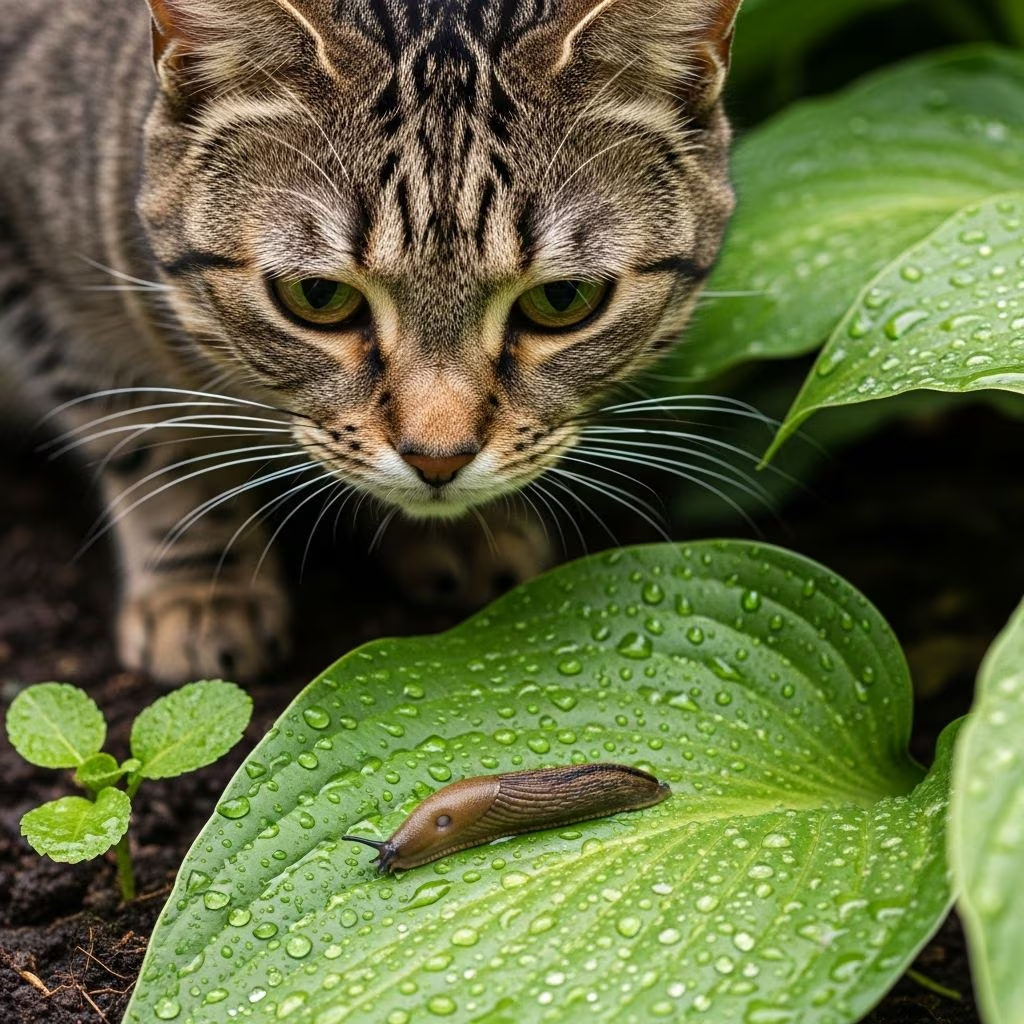
Can Cats Eat Slugs? Understanding the Basics
Slugs are a common garden creature that cats often encounter during outdoor adventures. Many pet owners worry when they see their feline friends playing with or eating these slimy creatures. The good news is that **slugs themselves are not inherently poisonous to cats**. Common garden slugs do not produce toxins that would poison your cat if ingested. However, while the slug itself may be harmless, the circumstances surrounding slug consumption can present various risks to your feline companion.
Cats are natural hunters with a strong predatory instinct, and slugs trigger this hunting behavior. Cool, damp weather brings slugs out of hiding, and when cats notice these slow-moving creatures on outdoor plants, they often decide to investigate—either by playing with the slug or consuming it as a quick snack. Understanding what happens when your cat eats a slug is essential for any pet owner with an outdoor or indoor-outdoor cat.
What Happens If My Cat Eats a Slug?
Before assessing the situation, it’s important to confirm whether your cat actually ate a slug or a snail. The key difference is simple: snails have shells, while slugs do not. Once you’ve confirmed your cat ate a slug, you can better understand the potential consequences.
As mentioned, garden slugs themselves are not toxic to cats. However, slugs can carry parasites that pose a genuine health concern. The primary parasite risk is **lungworm**, a parasitic infection that slugs commonly harbor. If your cat eats an infected slug, there’s a possibility they could contract this parasite, which affects the respiratory system.
If you suspect your cat has eaten a slug, remain calm and take appropriate action. Contact your veterinarian immediately and ask whether lungworm is a concern in your specific geographic area. Your vet will advise whether your cat needs an examination and potential treatment. If you cannot reach your regular veterinarian, online veterinary services can provide immediate guidance at affordable rates.
The good news is that the chance of your cat dying from a lungworm infection is small. The infection is typically self-limiting, meaning it doesn’t persist long-term. Some cats cough up the worms naturally, while others excrete them through their feces. Kittens are more susceptible to severe symptoms than adult cats because they have smaller respiratory tracts and less developed immune systems.
Understanding Lungworm Infection in Cats
Lungworm is transmitted through infected slugs and snails, making slug consumption the primary route of infection for outdoor cats. When a cat ingests an infected slug, the parasite can establish itself in the cat’s lungs and airways.
Symptoms of lungworm infection include:
- Difficulty breathing
- Persistent coughing
- Lethargy and reduced activity
- Loss of appetite
- Weight loss
Diagnosis requires professional veterinary evaluation. Your veterinarian may perform chest x-rays to visualize the lungs, conduct a fecal examination to detect parasite eggs, perform blood work, and listen carefully to your cat’s lungs with a stethoscope. Treatment is available through prescribed medications that eliminate the parasite. If your cat experiences difficulty breathing, seek veterinary help immediately, as this indicates a more serious infection.
Cats, Slug Pellets, and Pesticides: A Greater Concern
While slugs themselves pose minimal risk through simple parasitic transmission, the real danger often comes from what slugs have consumed before your cat eats them. Home gardeners frequently use slug pellets to kill or deter slugs in their gardens. These pellets are formulated with toxic chemicals including **iron(III) phosphate, methiocarb, and metaldehyde**. All of these ingredients are toxic to pets and even to humans.
The most concerning ingredient is **metaldehyde**, which poses high toxicity to cats. Poisoning from metaldehyde produces characteristic symptoms known as the “shake and bake” effect, referring to the severe tremors, seizures, and elevated body temperatures that occur when a pet consumes this dangerous chemical.
Unfortunately, there’s no way to visually determine whether a slug has ingested slug pellets. These poisons take several days to affect slugs after ingestion. During this window, an unsuspecting cat can eat the poisoned slug and absorb the toxins.
Beyond slug pellets, slugs present another pesticide danger. Slugs eat plants that may be treated with weed killers and insecticides. When cats consume slugs that have fed on treated plant matter, the cat absorbs these chemicals indirectly. This secondary poisoning is particularly insidious because the source of toxin exposure isn’t immediately apparent.
Symptoms of Metaldehyde Poisoning
If your cat has consumed slug pellets or poisoned slugs, watch for these warning signs:
- Muscle tremors and twitching
- Seizures
- Elevated body temperature
- Vomiting and diarrhea
- Agitation and restlessness
- Rapid heart rate
- Excessive drooling
If you suspect your cat has consumed slug pellets, contact your veterinarian or emergency animal hospital immediately. Do not wait for symptoms to develop, as prompt treatment is crucial.
Is Slug Slime Toxic to Cats?
Many curious cats don’t just eat slugs—they investigate by licking them. While slug slime itself isn’t inherently toxic, it poses the same health risks as consuming the entire slug. If a slug is infected with lungworm, the slime can transmit the parasite to your cat.
Additionally, slug slime can be difficult to remove from your cat’s paws and fur. The sticky substance tends to adhere to these areas, potentially causing discomfort. To clean slug slime from your cat:
- Allow the slime to dry completely
- Gently wash with a non-toxic baby wipe or soft washcloth
- Brush out any remaining dried slime
- Monitor your cat for any signs of illness
Preventing Your Cat from Eating Slugs
Preventing slug consumption in outdoor cats is challenging because eating slugs and other small creatures aligns with natural feline hunting instincts. However, several strategies can help reduce the risk:
Keep Your Cat Indoors
The most effective prevention method is keeping your cat indoors. This eliminates exposure to slugs, slug pellets, pesticides, and many other outdoor hazards. If your cat spends time outdoors, ensure thorough supervision at all times.
Modify Your Cat’s Diet
A well-fed cat is less motivated to hunt. Try these dietary approaches:
- Offer delicious, meaty treats that satisfy hunting cravings
- Include moisture-rich foods to provide variety and satisfaction
- Feed your cat meals that closely mimic prey composition
- Provide appropriate portion sizes to maintain healthy weight
Increase Mental Stimulation and Exercise
Cats with adequate mental stimulation and physical exercise are less likely to engage in slug hunting. Consider:
- Rigorous playtime sessions daily
- Interactive toys that mimic hunting behavior
- Climbing structures and environmental enrichment
- Training sessions that redirect predatory instincts
- Puzzle feeders that engage problem-solving abilities
Leash Training
If you want to allow your cat outdoor access, consider leash training. This enables you to supervise your cat’s outdoor activities and prevent slug consumption while still providing fresh air and stimulation. Leash training requires patience and positive reinforcement but can be very effective.
Garden Management
If you use slug control methods in your garden, opt for pet-safe alternatives. Avoid metaldehyde-containing products entirely. If you must use slug pellets, keep them in areas completely inaccessible to your cat and store them securely.
When Should You Seek Medical Help?
If your cat eats a slug, don’t panic immediately. Most slugs won’t contain dangerous poisons in high enough concentrations to cause severe poisoning. However, take these steps:
- Remove your cat from the situation to a safe, controlled environment
- Monitor your cat carefully for any signs of illness or poisoning
- Contact your veterinarian and ask about lungworm risk in your area
- Inquire about preventative measures if your cat regularly eats slugs
- Seek immediate veterinary care if your cat shows difficulty breathing, severe tremors, or seizures
If you cannot reach your regular veterinarian, emergency animal hospitals are available 24/7. Online veterinary services also provide affordable, immediate consultations when you need quick guidance.
Comparing Slug-Related Risks
| Risk Factor | Severity Level | Primary Concern |
|---|---|---|
| Plain slug (no pesticides) | Low to Moderate | Lungworm parasites |
| Slug exposed to pesticides | Moderate to High | Chemical toxins, cumulative poisoning |
| Slug pellets (metaldehyde) | High | Neurological symptoms, seizures |
| Slug slime exposure | Low to Moderate | Parasite transmission, irritation |
Frequently Asked Questions
Q: Are slugs poisonous to cats?
A: Common garden slugs are not poisonous to cats. However, slugs can carry the lungworm parasite, which poses a health risk if ingested. Additionally, slugs may have consumed pesticides or slug pellets, which are toxic to cats.
Q: What is lungworm and how serious is it?
A: Lungworm is a parasite transmitted through infected slugs and snails. It affects the respiratory system, causing coughing and breathing difficulty. While it can be serious, especially in kittens, infections are usually self-limiting and treatable with prescribed medications. Death from lungworm is rare.
Q: How can I tell if my cat has lungworm?
A: Symptoms include difficulty breathing, persistent coughing, lethargy, loss of appetite, and weight loss. Diagnosis requires veterinary evaluation including chest x-rays, fecal examination, and blood work. Contact your vet if your cat shows these signs.
Q: What should I do if my cat eats a slug?
A: Don’t panic. Remove your cat to a safe area, monitor for symptoms, and contact your veterinarian. Ask about lungworm risk in your area and whether treatment is necessary. Seek immediate care if your cat has difficulty breathing.
Q: Are slug pellets dangerous to cats?
A: Yes, slug pellets containing metaldehyde are extremely toxic to cats. They cause neurological symptoms including tremors, seizures, and elevated body temperature. If your cat ingests slug pellets, contact an emergency veterinarian immediately.
Q: Can pesticides on slugs poison my cat?
A: Yes. Slugs that have eaten pesticide-treated plants can pass those toxins to your cat. A single poisoned slug may cause minimal harm, but repeated consumption builds up toxins in your cat’s system, creating a serious health hazard.
Q: How can I prevent my cat from eating slugs?
A: The most reliable method is keeping your cat indoors. If outdoor access is important, use leash training for supervised walks. Additionally, provide engaging toys, adequate exercise, mental stimulation, and a varied diet with meaty treats to reduce hunting motivation.
Q: Is slug slime harmful to cats?
A: Slug slime itself isn’t toxic, but it can transmit parasites if the slug is infected. Clean dried slime from your cat’s fur with non-toxic baby wipes and a soft brush. Monitor your cat for signs of illness.
Q: What are the signs of slug pellet poisoning?
A: Watch for muscle tremors, seizures, elevated body temperature, vomiting, diarrhea, agitation, rapid heartbeat, and excessive drooling. These symptoms can develop quickly. Seek emergency veterinary care immediately if you suspect slug pellet ingestion.
Q: Are there pet-safe slug control methods?
A: Yes. Choose iron phosphate-based products over metaldehyde. Keep all slug control products in areas inaccessible to your cat. Consider physical barriers, copper tape, or removing slug habitats instead of using chemical controls.
References
- Can Cats Eat Slugs? Vet-Reviewed Risks & Precautions — Catster. 2024. https://www.catster.com/nutrition/can-cats-eat-slugs/
- Snail, Slug Bait Poisoning in Cats — PetMD. https://www.petmd.com/cat/conditions/neurological/c_ct_metaldehyde_poisoning
- Snail & Slug Bait – Poisonous For Pets — Preventive Vet. https://www.preventivevet.com/pets/snail-slug-bait-poisonous-for-pets
- Slug poison intoxication in cats — Joii Pet Care. https://www.joiipetcare.com/blogs/poisons/slug-poison-intoxication-in-cats
- Can Cats Eat Slugs? Nutrition Facts & Safety Guide — Hepper. https://articles.hepper.com/can-cats-eat-slugs/



