

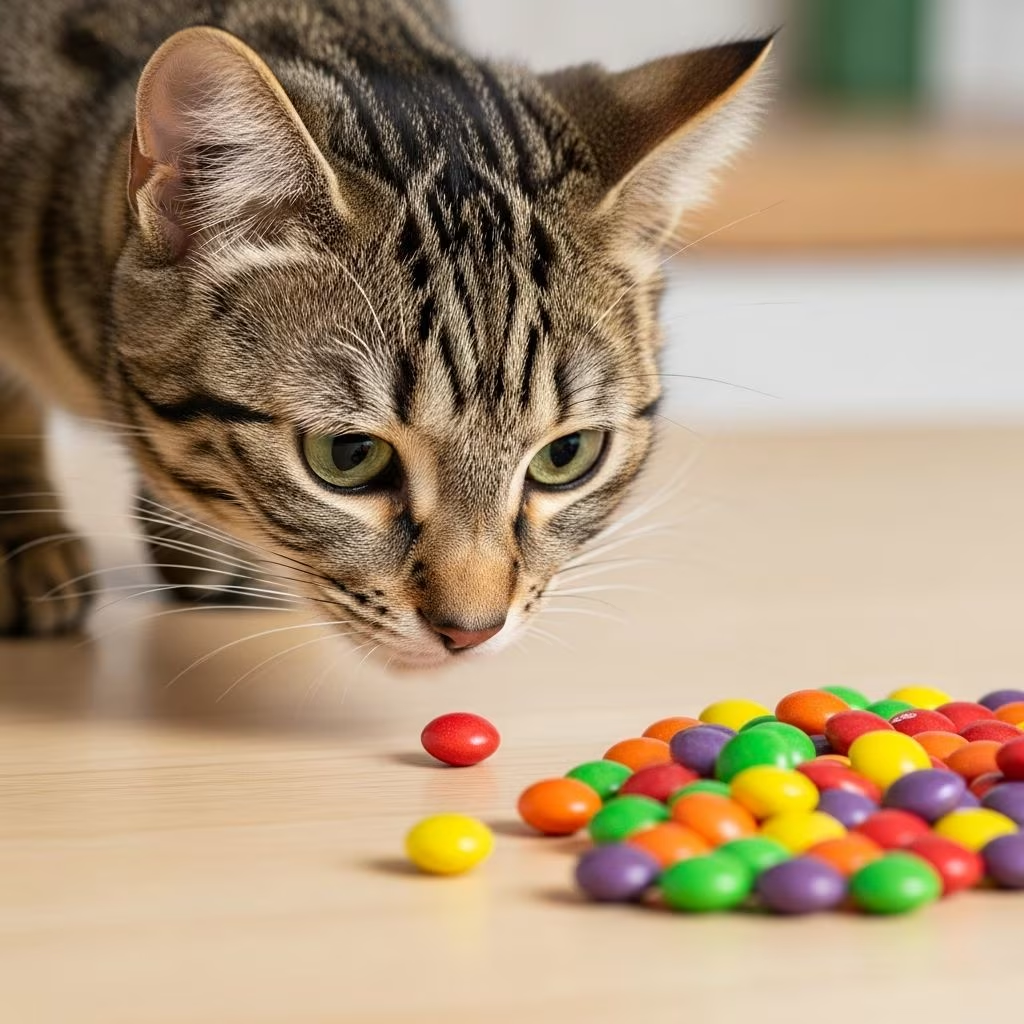
Cats cannot safely eat Skittles. These colorful candies, packed with sugar, artificial flavors, colors, and other additives, offer no nutritional benefits for felines and can lead to serious health issues. As obligate carnivores, cats are biologically designed to derive nutrients from meat, not sweets. Their taste buds lack sweet receptors, so they don’t even enjoy the flavor humans love.
Why Can’t Cats Eat Skittles?
Cats’ digestive systems are not equipped to process the high sugar content, trans fats, hydrogenated oils, and artificial ingredients in Skittles. Unlike humans, cats cannot efficiently metabolize carbohydrates or sugars, leading to rapid fermentation in the gut and subsequent gastrointestinal distress. Skittles contain nine different artificial colors and flavors that provide empty calories without any value to a cat’s health.
Obligate carnivores like cats get all essential nutrients—proteins, fats, taurine, and vitamins—from animal-based sources. Sugary treats disrupt this balance, potentially causing insulin resistance over time. Even though Skittles aren’t acutely toxic like chocolate or grapes, regular or accidental consumption is harmful.
Skittles Ingredients Breakdown
To understand the risks, let’s examine key ingredients in Skittles:
- Sugar: Primary component; cats can’t digest it well, leading to upset stomach, diarrhea, and vomiting.
- Corn Syrup: Another sugar source contributing to calorie overload and obesity risk.
- Hydrogenated Palm Kernel Oil: Contains trans fats, which are hard for cats to process and may inflame the pancreas.
- Artificial Colors & Flavors: Nine types (e.g., Red 40, Yellow 5); unnecessary for cats and potential allergens or irritants.
- Citric Acid: Adds tartness but can irritate the digestive tract in sensitive cats.
While not all flavors contain xylitol (toxic to cats causing hypoglycemia and liver failure), the overall composition makes Skittles unsuitable.
How Much Skittles Can Cats Eat?
No amount of Skittles is safe or recommended for cats. A single Skittle might not cause immediate catastrophe in a healthy adult cat, but it can still trigger mild symptoms like vomiting or diarrhea due to sugar overload. Larger quantities or repeated exposure amplify risks, potentially leading to pancreatitis, obesity, or diabetes.
For kittens, seniors, or cats with pre-existing conditions (e.g., diabetes), even one piece is dangerous. Body weight matters: a 5-pound kitten faces greater peril than a 15-pound adult, but the rule remains—zero tolerance. If ingestion occurs, assess quantity and monitor closely, but prevention is key.
Dangers of Feeding Skittles to Cats
Feeding Skittles exposes cats to multiple hazards:
- Digestive Upset: Vomiting, diarrhea, gas from undigested sugar fermenting in the intestines.
- Obesity: High-calorie, low-nutrient candies contribute to weight gain, straining joints and organs.
- Dental Problems: Sugar promotes plaque, tartar, cavities, and gum disease.
- Diabetes Risk: Chronic sugar intake causes insulin resistance, mirroring human type 2 diabetes.
- Pancreatitis: Inflammation from fat and sugar overload; painful and potentially fatal.
- Choking Hazard: Small, chewy size poses aspiration risk, especially for playful kittens.
Long-term, these issues compound, shortening lifespan and quality of life. Artificial additives may trigger allergies or behavioral changes in sensitive cats.
Symptoms to Watch For After Skittle Ingestion
If your cat sneaks a Skittle, observe for these signs of sugar overload or distress:
- Vomiting or diarrhea (often within hours).
- Lethargy, restlessness, or weakness.
- Increased thirst/urination (early diabetes sign).
- Loss of appetite or abdominal pain.
- Tremors, uncoordinated movements (severe cases).
Symptoms vary by amount eaten, cat’s size, age, and health. Mild cases resolve in 24-48 hours, but persistent issues warrant immediate vet care.
What to Do If Your Cat Eats Skittles
Accidents happen—here’s a step-by-step guide:
- Assess Amount: One Skittle? Low risk. Handful? High concern.
- Remove Access: Prevent more ingestion; check for choking.
- Monitor Closely: Watch for 24-48 hours; note symptoms.
- Hydrate: Offer fresh water; avoid forcing food.
- Contact Vet: Call immediately if symptoms appear or for large amounts. Provide details: quantity, time, cat’s weight/health.
Never induce vomiting at home—risky without professional guidance. Vets may recommend activated charcoal, fluids, or monitoring.
Are All Candies Bad for Cats?
Yes, virtually all candies are unsafe. Like Skittles, they contain sugar, fats, and additives cats can’t handle. Exceptions don’t exist in human candy aisles:
| Candy Type | Risks for Cats |
|---|---|
| Hard Candies (e.g., Jolly Ranchers) | Choking, dental fractures, sugar upset. |
| Gummy Candies (e.g., Gummy Bears) | Digestive issues, potential xylitol. |
| Sugar-Free | Xylitol toxicity: hypoglycemia, liver failure. |
| Chocolate-Coated | Theobromine poisoning: seizures, death. |
Cats don’t crave sweets; interest stems from curiosity or texture. Stick to vet-approved treats.
Xylitol in Candy: A Special Warning
Though regular Skittles lack xylitol, sugar-free variants or similar candies do. This sweetener causes rapid insulin release, dropping blood sugar fatally. Symptoms: vomiting, tremors, seizures, coma. Seek emergency care if suspected.
Safe Alternatives to Skittles for Cats
Opt for cat-specific treats mimicking natural prey:
- Commercial Cat Treats: Low-carb, high-protein (e.g., freeze-dried meat).
- Cooked Meat: Plain chicken, turkey, fish (no seasoning).
- Catnip Toys/Treats: Stimulates without calories.
- Veggie Bits: Tiny cooked carrot/pea pieces (in moderation).
- Hydration Treats: Tuna flakes in water.
Limit treats to 10% of daily calories. Consult vets for personalized advice.
Frequently Asked Questions (FAQs)
Can cats taste sweetness in Skittles?
No, cats lack sweet taste receptors, so they don’t enjoy sugar.
What if my cat ate one Skittle?
Monitor for GI upset; contact vet if symptoms arise. One is unlikely fatal but not safe.
Can sugar cause diabetes in cats?
Yes, chronic exposure increases risk via insulin resistance.
Are there any candies safe for cats?
No; all human candies pose risks. Use cat treats only.
How to prevent cats from eating candy?
Store out of reach, distract with toys, educate household.
Conclusion
Skittles and similar candies have no place in a cat’s diet. Prioritize meat-based nutrition to keep your feline healthy. When in doubt, consult your veterinarian—prevention beats cure.
References
- Can Cats Eat Skittles? Vet-Verified Facts — Huston Veterinary Clinic. 2024-05-15. https://hustonveterinary.com/can-cats-eat-skittles/
- Can Cats Eat Skittles Wild Berry? Sugar Risks for Cats — Dial A Vet. 2024-08-20. https://www.dialavet.com/blog/can-cats-eat-skittles-wild-berry
- Can Cats Eat Skittles? Vet-Verified Facts & FAQ — Hepper Pet Resources. 2024-03-10. https://articles.hepper.com/can-cats-eat-skittles/
- Can Cats Eat Skittles? A Veterinary Guide to Candy Safety — PetsCare Veterinary. 2024-07-01. https://www.petscare.com/news/post/can-cats-eat-skittles
- Can Cats Eat Sweets: What You Should Know — Bond Vet. 2023-11-12. https://bondvet.com/blog/can-cats-eat-sweets-what-you-should-know-about-cats-and-sugary-treats



