

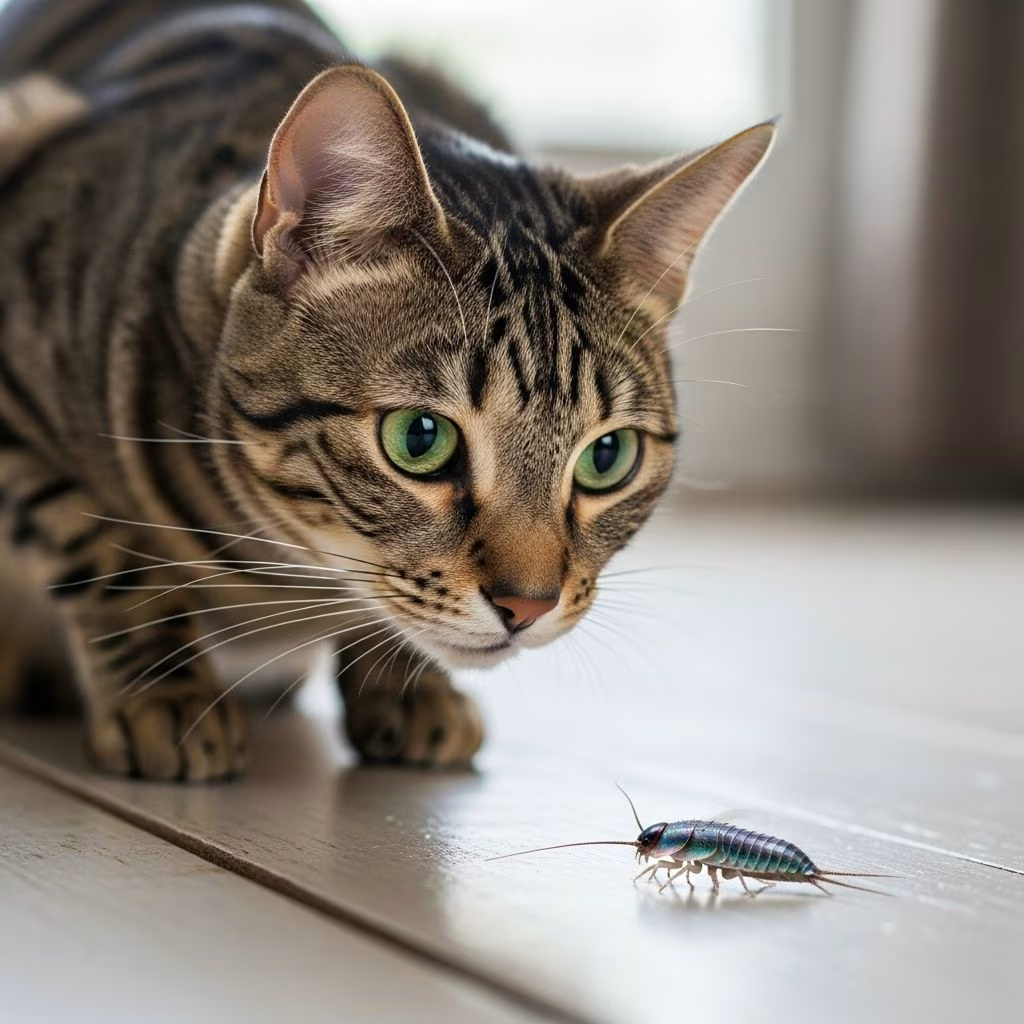
Cats can safely eat silverfish in small quantities as they are non-toxic, but they offer minimal nutritional value and potential risks like mild digestive upset or pesticide exposure make them unsuitable as a regular snack.
Silverfish are common household pests that trigger cats’ natural hunting instincts due to their quick movements. While occasional consumption poses little harm, pet owners should prioritize balanced cat food and address infestations to minimize interactions. This comprehensive guide covers silverfish safety, cat behavior, nutrition, risks, prevention, and FAQs based on veterinary and pest control insights.
What Are Silverfish?
Silverfish (Lepisma saccharina) are small, wingless insects measuring about 0.5 to 1 inch long, with a teardrop-shaped, silvery-gray body covered in scales. They thrive in dark, damp environments like bathrooms, basements, and kitchens, feeding on starchy materials such as book bindings, wallpaper paste, and clothing.
These nocturnal pests move in a wiggling, fish-like manner, which fascinates cats. Despite their unappealing appearance, silverfish do not bite, sting, or transmit diseases to humans or pets. However, large infestations can damage household items, prompting pest control measures that may indirectly affect cats.
- Appearance: Shiny, carrot-shaped body with three long tail-like appendages.
- Habitat: High-humidity areas (above 75% relative humidity).
- Diet: Carbohydrates, proteins from dead insects, and organic debris.
- Lifespan: Up to 8 years, with females laying up to 100 eggs.
Why Are Cats Attracted to Silverfish?
Cats’ predatory instincts are triggered by silverfish’s rapid, erratic movements, mimicking prey like mice or birds. Indoor cats, lacking outdoor hunting opportunities, view silverfish as ideal play targets, providing mental stimulation and exercise.
This behavior is normal and beneficial for enrichment, reducing boredom-related issues like destructive scratching. Cats often bat, stalk, and pounce on silverfish for minutes before deciding to eat them, turning pest control into interactive playtime.
However, frequent chases indicate an infestation, signaling the need for home maintenance rather than relying on cats as natural pest controllers. Encouraging this solely for entertainment overlooks health considerations.
Are Silverfish Safe for Cats to Eat?
Silverfish are not poisonous or toxic to cats; they lack venom, stingers, or disease vectors harmful to felines. Veterinary sources confirm that a single silverfish poses no direct threat, and cats’ digestive systems handle small insects well.
That said, safety isn’t absolute. Eating multiple silverfish can lead to minor issues due to their chitinous exoskeletons, which are hard to digest. Pesticides from home treatments represent the primary danger, as residues on silverfish can cause poisoning if ingested.
| Risk Factor | Impact on Cats | Prevalence |
|---|---|---|
| Direct Toxicity | None | Rare/Non-existent |
| Digestive Upset | Mild vomiting/diarrhea | Occasional with excess |
| Pesticide Exposure | Toxicity, lethargy | Common in treated homes |
| Allergies | Itching, irritation | Rare |
Nutritional Value of Silverfish for Cats
Silverfish provide trace protein (about 50-70% dry weight) but lack taurine, arachidonic acid, and balanced vitamins essential for feline health. They cannot replace commercial cat food formulated to AAFCO standards.
Occasional nibbles add novelty without harm, but regular consumption risks nutritional imbalances or parasite exposure (though unlikely with silverfish). Focus on high-quality kibble or wet food for complete nutrition.
- Pros: Minor protein boost, hunting satisfaction.
- Cons: Imbalanced nutrients, potential contaminants.
- Recommendation: Treat as entertainment, not food.
Potential Health Risks and Symptoms
Beyond pesticides, risks include gastrointestinal distress from exoskeleton fragments causing blockages or allergies manifesting as skin issues. Watch for these symptoms post-ingestion:
- Vomiting or diarrhea.
- Excessive drooling or lethargy.
- Loss of appetite or unusual behavior.
- Skin itching or hair loss (rare allergy).
If symptoms appear, withhold food for 12 hours, ensure hydration, and consult a vet. Most cases resolve naturally, but pesticide suspicion warrants immediate care.
How to Prevent Silverfish Infestations Safely
Eliminate silverfish to reduce cat exposure:
- Reduce Humidity: Use dehumidifiers (target 50% RH) in basements and bathrooms.
- Seal Cracks: Caulk entry points around doors, windows, and pipes.
- Clean Thoroughly: Vacuum regularly, store food in airtight containers, and remove clutter.
- Natural Remedies: Diatomaceous earth, cedar oil, or bay leaves (pet-safe).
Avoid chemical sprays; opt for professional services offering cat-safe options like gel baits inaccessible to pets.
Pet-Safe Pest Control Methods
Choose vet-approved strategies:
- Diatomaceous Earth (Food-Grade): Dehydrates insects without toxicity.
- Traps: Sticky traps placed high or hidden.
- Essential Oils: Lavender or citrus (diluted, away from cats).
- Professional Help: Request low-toxicity treatments.
Always isolate treated areas for 24-48 hours and ventilate well.
Frequently Asked Questions (FAQs)
Can cats safely eat silverfish if they catch them at home?
Yes, silverfish are safe in small amounts but monitor for upset stomach. Avoid encouragement as a food source.
Are silverfish toxic or harmful to cats in any way?
No direct toxicity, but pesticides or overconsumption can cause mild issues.
What nutritional value do silverfish provide if eaten by cats?
Minimal protein; no essential nutrients for balanced feline diet.
What health risks should I watch for if my cat eats multiple silverfish?
Digestive upset, vomiting, diarrhea; contact vet if persistent.
How can I prevent my cat from eating silverfish, especially with pest control?
Use pet-safe methods, reduce humidity, and block access to infested areas.
Do silverfish bite or sting cats?
No, they are harmless and avoid contact.
Should I be worried if my cat swallowed one silverfish?
Generally no; monitor for 24 hours.
References
- Can Cats Eat Silverfish? A Complete Safety and Nutrition Guide — PetsCare. 2024. https://www.petscare.com/news/post/can-cats-eat-silverfish
- How To Get Rid Of Silverfish Naturally — Gunter Pest Management. 2023-10-15. https://www.gunterpest.com/news/how-to-get-rid-of-silverfish-naturally/
- Are Silverfish Harmful to Cats? — Zoorithm. 2024. https://www.zoorithm.com/cats/are-silverfish-harmful-to-cats
- Can Cats Eat Silverfish? Vet-Approved Health & Safety Guide — Hepper. 2024-05-20. https://articles.hepper.com/can-cats-eat-silverfish/
- Cat Swallowed Silverfish – Worry? — Dial A Vet. 2023. https://www.dialavet.com/vet-answers/post/cat-swallowed-silverfish-worry-49551
- Do Silverfish Bite Humans or Pets? — Orkin. 2024. https://www.orkin.com/pests/silverfish/are-silverfish-harmful
- What to Know About Silverfish — WebMD. 2023-11-10. https://www.webmd.com/a-to-z-guides/what-to-know-about-silverfish



