
Can Cats Eat Shrimp? Nutrition Guide for Pet Owners
Learn whether shrimp is safe for cats, nutritional benefits, preparation tips, and portion guidelines.
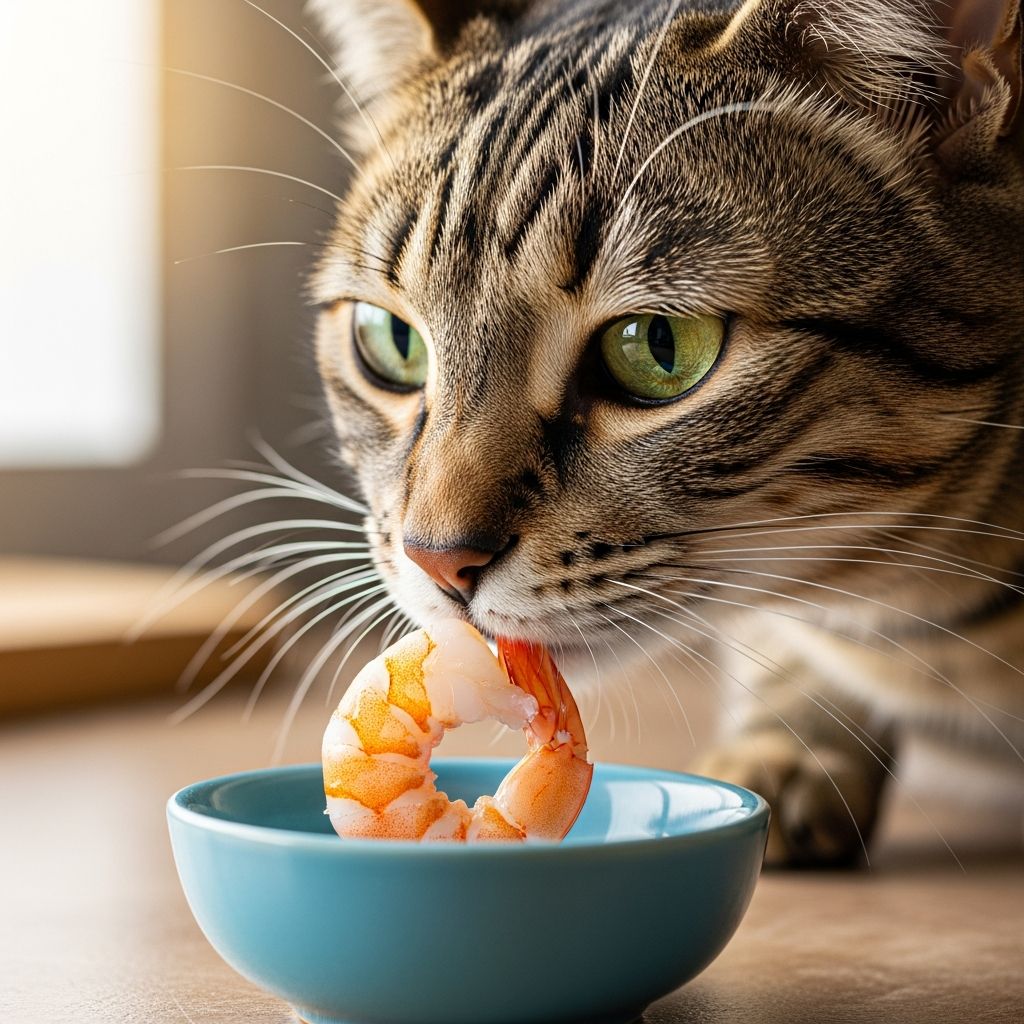
Can Cats Eat Shrimp?
If you’ve ever caught your feline friend eyeing your plate of shrimp with intense curiosity, you might be wondering whether it’s safe to share this seafood delicacy with your beloved pet. The good news is that yes, cats can eat shrimp, but with important caveats and preparation guidelines that every cat owner should understand. Shrimp can serve as an occasional treat that provides valuable nutrients, though it should never replace a complete and balanced commercial cat food.
Cats are obligate carnivores, meaning they require animal-based proteins to thrive and maintain optimal health. Shrimp offers a protein-rich option that appeals to many cats’ natural instincts. However, the way you prepare shrimp and how often you offer it to your cat makes all the difference between a healthy treat and a potentially problematic one.
Nutritional Benefits of Shrimp for Cats
Shrimp contains several nutrients that can benefit your cat’s health when served appropriately. Understanding these nutritional advantages helps explain why shrimp can be a worthwhile occasional treat.
High-Quality Protein Source
Shrimp is exceptionally high in protein while remaining low in calories, making it an ideal protein source for cats. Protein is essential for cats as it supports muscle development, maintains lean body mass, and provides energy. Cats can utilize the amino acids found in shrimp to support their overall well-being and physical function. This makes shrimp particularly valuable for senior cats or those needing to maintain muscle mass.
Essential Vitamins and Minerals
Beyond protein, shrimp provides several important micronutrients that contribute to feline health:
- Vitamin B12: Essential for nerve function, energy production, and digestive health. Since cats cannot produce vitamin B12 on their own, obtaining it from food sources like shrimp is beneficial.
- Phosphorus: Works in conjunction with calcium to support strong bones and teeth, while also facilitating energy production and cellular repair.
- Selenium: Acts as a potent antioxidant that supports immune system function and thyroid health.
- Iodine: Important for thyroid function, though cats with hyperthyroidism should limit iodine intake.
- Zinc: Supports immune function and skin health.
- Copper: Aids in the absorption of iron and supports various enzymatic functions.
- Omega-3 Fatty Acids: Known for anti-inflammatory properties that support joint health and promote a shiny, healthy coat.
Low-Fat Treat Option
For cats that need to maintain or achieve a healthy weight, shrimp is an excellent choice because it is low in fat and calories. This makes it particularly suitable for weight management while still providing substantial nutritional value.
Preparation Guidelines: How to Safely Serve Shrimp to Cats
The manner in which you prepare shrimp is crucial for ensuring your cat’s safety and maximizing nutritional benefits. Improper preparation can introduce health risks that outweigh the nutritional advantages.
Always Cook the Shrimp
Raw or undercooked shrimp should never be given to cats. Raw seafood can contain harmful bacteria such as Salmonella and E. coli, which can cause serious foodborne illnesses in felines. Shrimp should be cooked thoroughly to a high enough temperature to kill potential pathogens. Boiling or steaming are the safest cooking methods as they don’t require added fats or oils.
Remove Shells and Tails
One of the most important preparation steps is completely removing all shells and tails before offering shrimp to your cat. The shell is composed of chitin, a material that is difficult for cats to digest, especially in large pieces. Undigested shell fragments can cause several problems:
- Choking hazards if your cat attempts to swallow large pieces
- Digestive upset including vomiting and diarrhea
- Intestinal blockages if large pieces become lodged in the digestive tract
Always devein the shrimp and ensure complete removal of the tail before serving.
Avoid Seasonings and Additional Ingredients
Plain, unseasoned shrimp is essential. Never serve shrimp that has been prepared with:
- Garlic or onion powder: These can damage red blood cells and cause organ failure in cats.
- Salt: High sodium levels can cause dehydration, vomiting, lethargy, tremors, seizures, and in severe cases, death.
- Preservatives: Can lead to digestive issues, organ damage, and nutrient deficiencies.
- Butter or oils: Unnecessary fats should be avoided when preparing treats for cats.
- Spices and seasonings: Any additional flavorings designed for human palates are inappropriate for feline digestive systems.
Important Health Considerations and Risks
While shrimp can be a nutritious treat, several health considerations require attention before offering it to your cat.
Sodium Content Concerns
One of the primary drawbacks of shrimp is its naturally high sodium content. Excessive salt intake can lead to dehydration and elevated blood pressure in cats. This is particularly concerning for cats with pre-existing health conditions. Cats with heart disease, kidney disease, or urinary tract issues should avoid shrimp entirely unless specifically approved by their veterinarian. The sodium in shrimp can exacerbate these conditions and compromise your cat’s health.
Iodine Sensitivity
Shrimp and other shellfish absorb iodine from seawater, making them naturally high in this mineral. While moderate iodine is beneficial, cats with hyperthyroidism or other chronic thyroid conditions may need to limit their iodine intake. If your cat has any thyroid concerns, consult with your veterinarian before introducing shrimp into their diet.
Potential Allergic Reactions
Some cats may develop allergic reactions to shrimp, manifesting as skin problems, vomiting, diarrhea, or other digestive upset. When first offering shrimp to your cat, introduce it gradually and monitor closely for any adverse reactions. If your cat shows signs of allergic response, discontinue serving shrimp immediately and consult your veterinarian.
Choking and Digestive Hazards
Improperly prepared shrimp poses physical dangers. Shells, tails, and poorly cooked pieces can cause choking or become lodged in the digestive tract, potentially requiring emergency veterinary intervention. Always ensure complete and thorough preparation before serving.
Portion Control and Frequency
Understanding appropriate portion sizes is essential for maintaining your cat’s nutritional balance. Shrimp should be offered as an occasional treat, not a dietary staple.
The 10% Rule
Treats, including shrimp, should not exceed 10% of your cat’s total daily caloric intake. This guideline ensures that treats supplement rather than unbalance your cat’s diet. The remaining 90% should come from complete and balanced commercial cat food formulated to meet all of your cat’s nutritional requirements.
Frequency Guidelines
Shrimp should be offered no more than occasionally, not as a daily snack or regular meal component. Consider shrimp a special treat reserved for occasional feeding rather than a dietary staple. Cats require a consistent, balanced diet to maintain optimal health, and introducing too many different foods or treats can create nutritional imbalances.
Consultation with Your Veterinarian
Before introducing shrimp to your cat’s diet, especially if your cat has any existing health conditions, consult with your veterinarian. Your vet can provide personalized guidance regarding appropriate portion sizes and frequency based on your individual cat’s age, weight, health status, and dietary needs. This is particularly important for cats with heart disease, kidney disease, hyperthyroidism, or urinary issues.
Comparison: Shrimp vs. Other Cat Treats
| Treat Type | Protein Content | Fat Level | Sodium Level | Key Benefits | Health Considerations |
|---|---|---|---|---|---|
| Cooked Shrimp (Plain) | Very High | Low | High | B12, selenium, phosphorus | High sodium; remove shells |
| Cooked Chicken Breast | Very High | Low | Low | Complete protein profile | Limited micronutrients |
| Cooked Turkey | High | Low | Low | Lean protein, B vitamins | May be less palatable |
| Commercial Cat Treats | Variable | Variable | Variable | Formulated for cats | Varies by brand and formula |
| Cooked Salmon | High | Moderate | Low | Omega-3 fatty acids, B12 | Higher fat content |
Why Cats Are Attracted to Shrimp
Cats display obvious interest in shrimp for several biological and sensory reasons. First, shrimp is an animal-based protein source that aligns with cats’ natural carnivorous instincts and dietary preferences. Second, the strong seafood aroma appeals to cats’ highly developed sense of smell, which is more sensitive than human olfaction. The saline, ocean-like scent signals to cats that this is a potentially valuable food source. Third, the taste and texture of shrimp provide sensory stimulation that many cats find rewarding and satisfying.
Signs of Adverse Reactions
After offering shrimp to your cat, monitor carefully for any signs of negative reactions:
- Vomiting or diarrhea
- Loss of appetite or decreased interest in regular food
- Lethargy or unusual behavior
- Skin irritation, scratching, or hair loss
- Difficulty breathing or swallowing
- Excessive drooling
- Abdominal discomfort or bloating
If you observe any of these symptoms, discontinue shrimp immediately and contact your veterinarian.
Frequently Asked Questions
Q: How much shrimp can my cat eat at one time?
A: Shrimp should be offered in small amounts as an occasional treat. The exact quantity depends on your individual cat’s size and caloric needs, but shrimp should never exceed 10% of your cat’s daily caloric intake. Consult your veterinarian for specific portion recommendations for your cat.
Q: Can cats eat shrimp with shells on?
A: No, cats should never eat shrimp with shells. Shells are composed of chitin that cats cannot digest properly and pose choking hazards and risks of intestinal blockages. Always remove shells and tails completely before serving.
Q: Is raw shrimp safe for cats?
A: No, raw shrimp should never be given to cats. Raw or undercooked seafood can contain harmful bacteria like Salmonella and E. coli that cause serious foodborne illnesses in felines. Shrimp must always be thoroughly cooked to a high temperature before serving.
Q: Can I give my cat shrimp every day?
A: No, shrimp should be offered only occasionally as a treat, not daily. Daily consumption would exceed the recommended 10% treat threshold and could lead to nutritional imbalances. Cats require a consistent, complete, and balanced commercial cat food as their primary nutrition source.
Q: Are there any cats that shouldn’t eat shrimp?
A: Yes, cats with certain health conditions should avoid shrimp or consume it only under veterinary supervision. These include cats with heart disease, kidney disease, urinary tract issues, hyperthyroidism, or high blood pressure. The high sodium and iodine content in shrimp can exacerbate these conditions. Always consult your veterinarian before introducing shrimp if your cat has any existing health concerns.
Q: What are safe alternatives to shrimp for cat treats?
A: Safe alternatives include cooked chicken breast, cooked turkey, small amounts of cooked salmon, and commercially formulated cat treats designed specifically for feline nutritional needs. These options provide protein and nutrients without the sodium and preparation concerns associated with shrimp.
Q: Why does my cat seem obsessed with shrimp?
A: Cats are attracted to shrimp because it is a high-protein animal-based food that aligns with their carnivorous nature, and the strong seafood aroma appeals to their highly developed sense of smell. However, fascination with shrimp doesn’t mean it should become a regular dietary component. Moderation remains essential.
Q: Should I consult my vet before giving shrimp to my cat?
A: Yes, consulting your veterinarian before introducing shrimp is highly recommended, especially if your cat has any existing health conditions or is taking medications. Your vet can provide personalized guidance based on your specific cat’s health status and nutritional needs.
Final Recommendations
Shrimp can be a nutritious and enjoyable occasional treat for most healthy cats when prepared properly. The key to safely incorporating shrimp into your cat’s diet involves careful attention to preparation, portion control, and monitoring for adverse reactions. Always ensure shrimp is thoroughly cooked, completely free of shells and tails, and seasoned with nothing but plain preparation. Offer shrimp only occasionally as a supplement to your cat’s primary diet of complete and balanced commercial cat food. If your cat has any existing health conditions or if you have concerns about introducing shrimp, consult your veterinarian before proceeding. With these guidelines in mind, you can safely share this protein-rich treat with your feline friend while maintaining their optimal health and nutritional balance.
References
- Can Cats Eat Shrimp? — TrustedHousesitters.com. 2024. https://www.trustedhousesitters.com/blog/pets/can-cats-eat-shrimp/
- Can Cats Eat Shrimp? Human Food for Cats — Kinship. 2024. https://www.kinship.com/cat-nutrition/can-cats-eat-shrimp
- Is Shrimp Good for Cats? Key Benefits and Risks — Noble Vet Clinic. 2024. https://noblevetclinic.com/blog/is-shrimp-good-for-cats
- Can Cats Eat Shrimp? — Fetch Pet Insurance. 2024. https://www.fetchpet.com/the-dig/can-cats-eat-shrimp
- Can Cats Eat Shrimp? — BaxterBoo. 2024. https://www.baxterboo.com/blog/a.cfm/can-cats-eat-shrimp/
- Cats and Shrimp: Safe Eating Tips and Guidelines — Talis Us. 2024. https://talis-us.com/blogs/news/can-cats-safely-eat-shrimp-facts-explained
Similar Articles








Read full bio of Sneha Tete




