

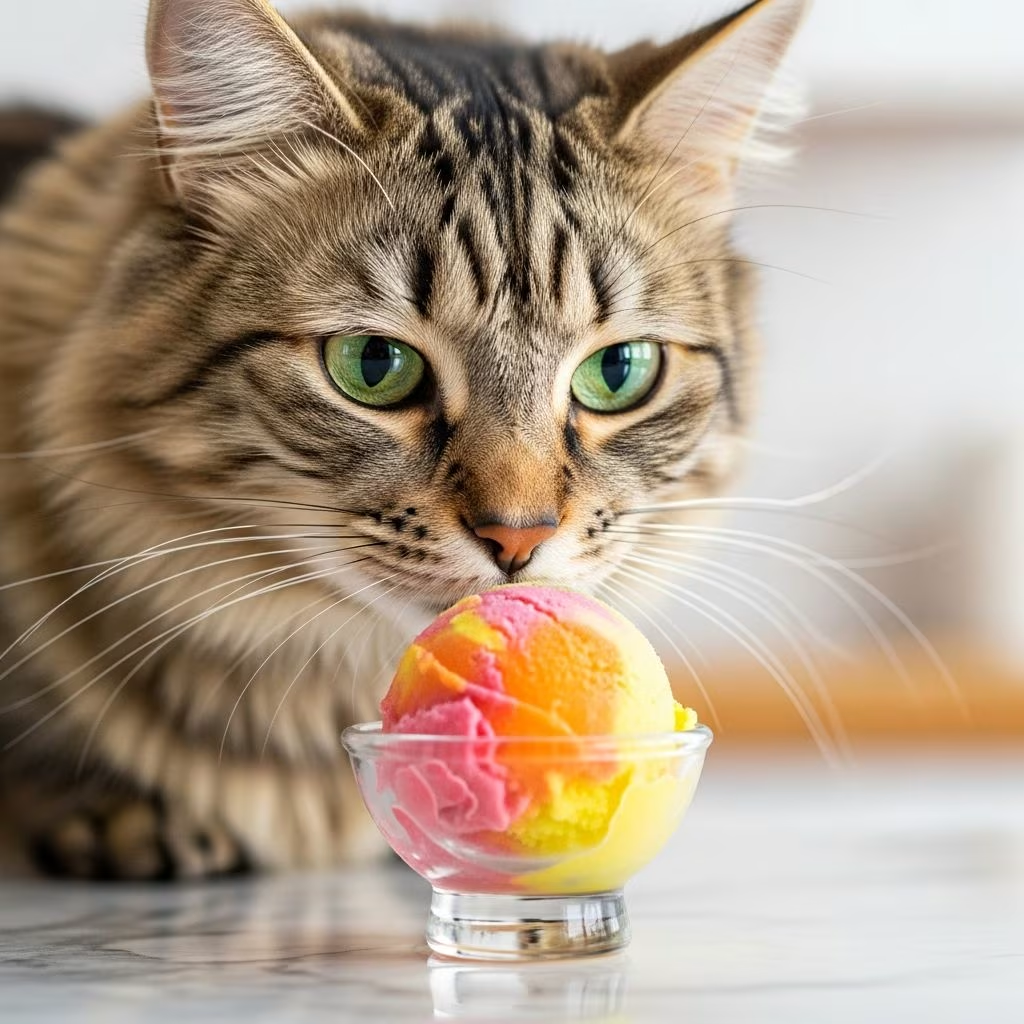
Can Cats Eat Sherbet?
Sherbet is a frozen dessert that many people enjoy, and it’s natural to wonder if your feline companion can safely share this treat with you. The straightforward answer is that while a small lick or two of sherbet occasionally won’t cause immediate harm to your cat, sherbet is not recommended as a regular treat due to its composition and potential health risks. Understanding why sherbet poses concerns for cats requires examining its key ingredients and how they affect feline health.
What Is Sherbet?
Sherbet is a frozen dessert made from fruit juice, sugar, water, and typically contains dairy products like milk or cream. Some varieties include egg white as a binder. The texture falls somewhere between sorbet (which contains no dairy) and ice cream, making it a lighter alternative to traditional ice cream. While this might make sherbet seem like a safer option for cats than full-fat ice cream, the presence of milk and sugar still creates significant concerns for feline digestive systems.
Why Sherbet Is Problematic for Cats
Lactose Intolerance in Adult Cats
One of the primary reasons sherbet is unsuitable for cats is its dairy content. Most adult cats are lactose intolerant, meaning they lack sufficient quantities of the enzyme lactase needed to digest lactose properly. Kittens can tolerate their mother’s milk because they produce adequate lactase, but as cats mature and transition to solid food, their lactase production decreases significantly. When a lactose-intolerant cat consumes sherbet, the undigested lactose remains in the gastrointestinal system where it can ferment in the intestines, leading to digestive distress.
High Sugar Content
Sherbet contains substantial amounts of sugar, which poses another significant problem for cats. As obligate carnivores, cats have no nutritional requirement for carbohydrates or sugar in their diet. Their bodies are not designed to process sugar efficiently, and excessive sugar intake can lead to multiple health complications. Sugar provides empty calories with no nutritional benefit, contributing to weight gain and obesity while increasing the risk of developing diabetes in susceptible cats.
Digestive System Sensitivity
The combination of dairy and sugar in sherbet makes it particularly challenging for feline digestive systems. Even small amounts of sugar can trigger gastrointestinal upset in some cats, causing symptoms like vomiting, diarrhea, and general abdominal discomfort. The severity of symptoms varies depending on individual cat sensitivity and the specific ingredients in the sherbet product.
Potential Health Risks Associated with Sherbet
| Health Risk | Description | Severity |
|---|---|---|
| Lactose Fermentation | Undigested lactose ferments in intestines, causing gas and bloating | Moderate |
| Weight Gain | High sugar and calorie content contributes to obesity | High |
| Diabetes Risk | Excessive sugar consumption increases diabetes development | High |
| Dental Problems | Sugar promotes tooth decay and gum disease | Moderate |
| Nutritional Imbalance | Empty calories displace essential nutrients from regular diet | Moderate |
Cats with Existing Health Conditions
Certain cats face even greater risks from consuming sherbet. Cats with sensitive stomachs, pre-existing digestive issues, diabetes, obesity, or a history of pancreatitis should never consume sherbet, even in tiny amounts. For these cats, the combination of dairy and sugar could trigger serious health complications or exacerbate existing conditions. If your cat falls into any of these categories, it’s essential to keep sherbet and similar treats completely out of reach.
Dairy Allergies Versus Lactose Intolerance
While lactose intolerance is common in cats, some cats may also have true dairy allergies, which differ from intolerance. A dairy allergy represents an immune system response to specific milk proteins, particularly casein. Cats with dairy allergies can experience more severe reactions than lactose-intolerant cats, including gastrointestinal issues, inflammation, respiratory difficulties, and hair loss. If you suspect your cat has a dairy allergy, consult your veterinarian before offering any dairy-containing treats.
Sherbet Flavors and Additional Concerns
Beyond the standard dairy and sugar concerns, certain sherbet flavors may contain additional hazardous ingredients. Some sherbet products include:
- Chocolate sherbet: Contains theobromine and caffeine, which can cause neurological, cardiac, and digestive issues in cats
- Fruit-flavored sherbet with xylitol: Artificial sweetener xylitol causes rapid blood sugar drops, liver damage, and potentially fatal seizures
- Coffee or mocha sherbet: Contains caffeine that overstimulates a cat’s heart and nervous system
- Sherbet with nuts: Macadamia and high-fat nuts can upset stomachs and contribute to pancreatitis
Safe Portion Sizes If Your Cat Accidentally Consumes Sherbet
If your cat manages to lick a small amount of plain sherbet without any of the problematic ingredients listed above, it’s unlikely to cause serious immediate harm. However, sherbet should never be intentionally offered to cats. The safest approach is prevention—keeping sherbet and other frozen desserts away from curious feline companions. If your cat accidentally consumes more than a small lick, monitor them for signs of gastrointestinal distress including vomiting, diarrhea, lethargy, or lack of appetite, and contact your veterinarian if symptoms develop.
Healthy Alternatives to Sherbet for Cats
Rather than offering sherbet, consider these safer frozen treat alternatives that cats can enjoy:
- Plain ice cubes: Many cats enjoy batting and licking plain ice cubes, especially on warm days. They provide hydration without any problematic ingredients
- Low-sodium chicken broth ice cubes: Freeze homemade or store-bought low-sodium chicken broth into ice cubes. Cats enjoy the flavor and the protein, plus these cubes encourage hydration
- Tuna juice popsicles: Freeze small amounts of water mixed with a tiny bit of unsalted tuna juice for a protein-enriched frozen treat
- Plain frozen fish: Small frozen pieces of cooked, unseasoned fish can be offered as an occasional treat
- Wet food ice cubes: Freeze a small amount of your cat’s regular wet food mixed with water for a nutritious frozen option
Optimal Feline Diet and Nutrition
Instead of focusing on frozen treats and desserts, prioritize proper nutrition for your cat. Cats thrive on grain-free, high-protein diets featuring whole meat sources. The best food options include:
- High-quality wet food with at least 60% whole meat content
- Named meat proteins like chicken, turkey, tuna, salmon, and shrimp
- Foods containing natural taurine, an essential amino acid for feline health
- Meals without artificial additives, preservatives, or excessive grains
- Minimized reliance on processed dry kibble, which often contains meat meals, grains, and sugar binders
Signs Your Cat Has Consumed Sherbet or Other Problematic Foods
If you suspect your cat has eaten sherbet or similar treats, watch for these warning signs:
- Vomiting or retching
- Diarrhea or loose stools
- Lethargy or unusual tiredness
- Loss of appetite
- Abdominal distension or bloating
- Behavioral changes
- Excessive thirst or urination
Contact your veterinarian immediately if these symptoms persist for more than a few hours or if your cat appears in significant distress.
Frequently Asked Questions
Q: Can cats eat sorbet instead of sherbet?
A: While sorbet contains no dairy, it still has high sugar content and offers no nutritional benefit to cats. Plain sorbet without artificial sweeteners is marginally safer than sherbet but should still be avoided as a regular treat.
Q: What if my cat loves the taste of sherbet?
A: Cats are attracted to the fat content and sweetness in sherbet, not because it’s good for them. Redirect their interest toward healthier frozen alternatives like plain ice cubes or low-sodium broth ice cubes, which provide the cold, refreshing experience without health risks.
Q: Is sugar-free sherbet safer for cats?
A: Sugar-free sherbet often contains artificial sweeteners like xylitol, which is extremely toxic to cats and can cause liver damage and seizures. Sugar-free options may be worse than regular sherbet and should be avoided entirely.
Q: How often can cats safely eat sherbet?
A: Sherbet should not be offered to cats intentionally. Even occasional sherbet consumption contributes unnecessary sugar and lactose to their diet, increasing health risks. Prevention is the best approach.
Q: What should I do if my kitten accidentally eats sherbet?
A: A small taste of plain sherbet is unlikely to cause serious harm to a kitten. Monitor them for digestive symptoms and contact your veterinarian if they show signs of distress. Prevent future access by keeping frozen desserts out of reach.
Q: Are there any sherbet flavors that are safe for cats?
A: No sherbet flavor is truly safe for cats due to the dairy and sugar content. Flavored varieties often contain additional problematic ingredients like chocolate, xylitol, or nuts, making them even more dangerous.
References
- Cats Eating Ice Cream—They Like It, But Is It Safe? — Untamed Cat Food. 2024. https://untamed.com/blogs/nutrition/cats-eating-ice-cream
- Can Cats Eat Ice Cream? Main Risks and Healthy Alternatives — Noble Vet Clinic. 2024. https://noblevetclinic.com/blog/can-cats-eat-ice-cream
- Can Cats Eat Sweets: What You Should Know About Cats and Sugary Treats — Bond Vet. 2024. https://bondvet.com/blog/can-cats-eat-sweets-what-you-should-know-about-cats-and-sugary-treats
- Can Cats Eat Ice Cream? — Applaws UK. 2024. https://applaws.com/uk/can-cats-eat-ice-cream/



