

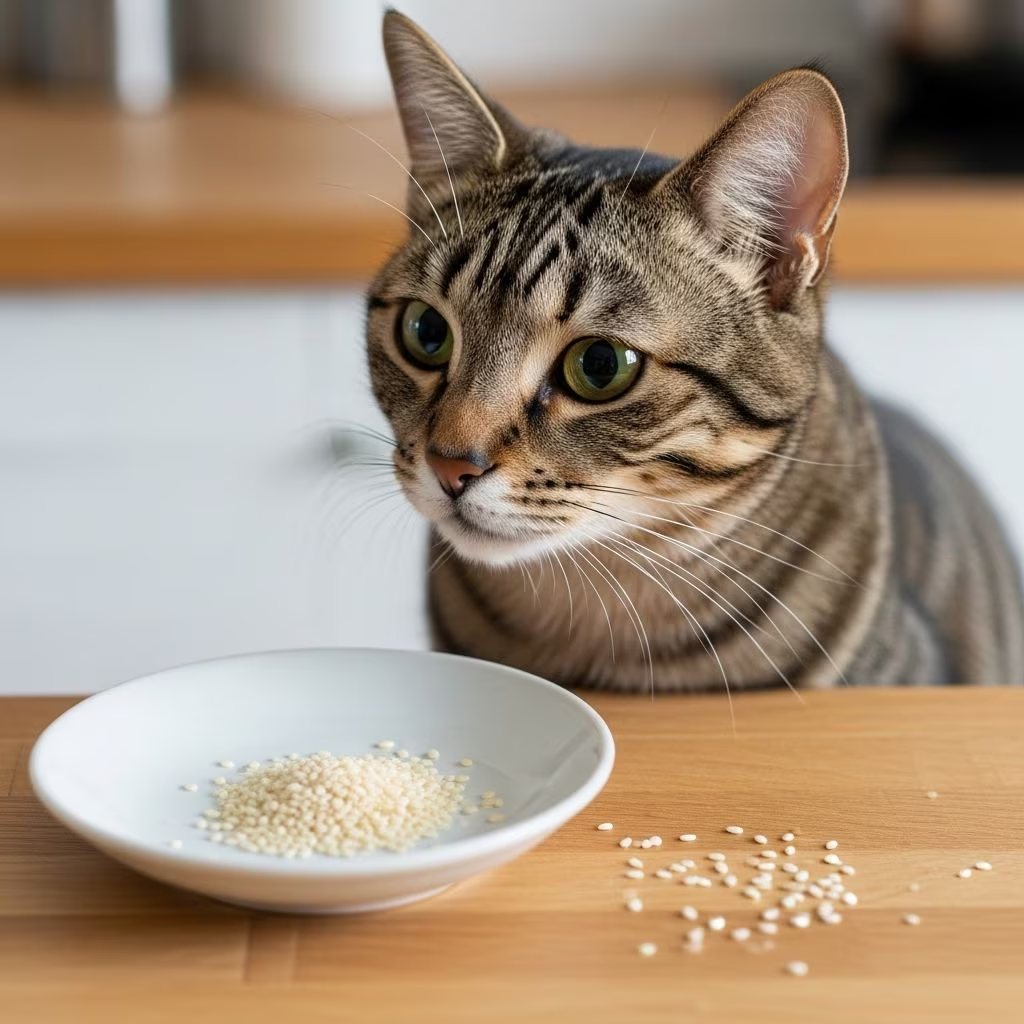
Sesame seeds are a popular human food packed with nutrients like healthy fats, fiber, and antioxidants, but cats should not eat sesame seeds regularly. While not toxic, they offer minimal benefits to obligate carnivores like cats and can lead to digestive upset, choking hazards, or other issues.
Cats thrive on meat-based diets rich in animal proteins and fats. Plant-based seeds like sesame don’t align with their nutritional needs, making them an unnecessary and potentially risky treat. This comprehensive guide covers everything cat owners need to know, from potential benefits to dangers and safer alternatives.
The Nutritional Profile of Sesame Seeds
Sesame seeds (Sesamum indicum) are tiny powerhouses for humans, containing healthy unsaturated fats, protein, fiber, vitamins (like B1 and E), minerals (calcium, magnesium, iron), and antioxidants such as sesamin and sesamol. These compounds support heart health, reduce inflammation, and aid digestion in people.
However, cats’ digestive systems are adapted for animal tissues, not seeds. They lack the enzymes to efficiently break down plant fibers and carbs in sesame seeds. Any nutrients absorbed are negligible compared to what commercial cat foods or meat provide. Studies on sesame benefits are human-focused, with limited feline research showing no significant advantages.
- Key Nutrients in 1 tbsp (9g) sesame seeds: 52 calories, 4.5g fat, 1.6g protein, 1.1g carbs, 1.2g fiber, 88mg calcium.
- Cats need taurine, arachidonic acid, and pre-formed vitamin A—none abundant in seeds.
Are Sesame Seeds Safe for Cats?
Sesame seeds are not toxic to cats and a small accidental nibble won’t cause immediate harm. Unlike chocolate, onions, or grapes, they lack harmful compounds like theobromine or toxins.
That said, safety is conditional. Cats can eat tiny amounts occasionally without issue, but regular feeding is discouraged. Their short digestive tracts struggle with seeds, leading to poor nutrient absorption and potential irritation.
| Aspect | Safe in Moderation? | Why? |
|---|---|---|
| Toxicity | Yes | No poisons present. |
| Digestion | No | Cats can’t process plant matter well. |
| Frequency | Rarely | Not nutritionally needed. |
Potential Risks and Dangers of Sesame Seeds for Cats
While not poisonous, sesame seeds pose several risks, especially in larger quantities or for cats with sensitivities.
Digestive Upset
The high fiber and fat content can overwhelm a cat’s stomach, causing vomiting, diarrhea, or constipation. Undigested seeds may ferment in the gut, leading to gas and bloating. Sensitive cats or those with IBD are at higher risk.
Choking Hazard
Small, hard sesame seeds can lodge in the throat or windpipe, particularly if gulped quickly. This is riskier for kittens, seniors, or fast eaters. Stuck seeds may irritate gums or teeth.
High Fat Content and Obesity
Sesame seeds are 50% fat by weight. Frequent feeding contributes to calorie overload, weight gain, pancreatitis, or hepatic lipidosis in overweight cats.
Allergic Reactions
Rare but possible: sesame allergy causes itching, hives, swelling, or GI symptoms. Monitor for scratching, red skin, or ear issues post-exposure.
Other Concerns
- Oils or buttered seeds add extra fat and seasonings (salt, garlic) that are harmful.
- Kittens/puppies: More vulnerable due to immature digestion.
- Stuck seeds in teeth can lead to dental discomfort.
Can Cats Benefit from Sesame Seeds?
No proven benefits outweigh the risks. Antioxidants and minerals sound appealing, but cats get superior sources from prey or kibble. For example, commercial cat food is formulated with feline-specific taurine and omegas.
Human studies tout sesame for cholesterol and bone health, but feline trials are absent. Obligate carnivores derive little from plant lignans. If nutrition is the goal, vet-recommended supplements are safer.
How Much Sesame Seed Can Cats Have?
Best amount: None intentionally. If offering as a rare treat, limit to 1-2 seeds for an adult cat, no more than once a month. Scatter on approved food to reduce choking risk. Avoid for kittens, pregnant cats, or those with health issues.
Always plain, untoasted, unsalted. Larger breeds like Maine Coons tolerate slightly more, but stick to minimal.
Safe Alternatives to Sesame Seeds for Cats
Opt for cat-specific treats that match their carnivorous needs. These provide fun without risks.
- Cooked meats: Plain chicken, turkey, or fish (no bones/skin/seasoning). High-protein delight.
- Commercial treats: Freeze-dried liver, dental chews, or low-cal options like Greenies.
- Catnip/cat grass: For stimulation and mild digestion aid.
- Veggies: Tiny bits of cooked pumpkin or peas for fiber (vet-approved).
- Hydrating treats: Tuna flakes in water or lickable purees.
Portion control: Treats should be <10% of daily calories to prevent obesity.
What to Do If Your Cat Eats Sesame Seeds
- Assess amount: 1-2 seeds? Likely fine—monitor 24-48 hours.
- Watch symptoms: Vomiting, diarrhea, coughing, lethargy, refusal to eat.
- Mild issues: Withhold food 12 hours, offer water, bland diet (boiled chicken/rice).
- Severe/large amount: Call vet immediately. May need fluids, anti-nausea meds, or X-rays for obstruction.
- Prevent recurrence: Store seeds securely.
How to Prevent Accidental Sesame Seed Ingestion
- Store in airtight containers high up or in cabinets with child locks.
- Clean spills promptly with vacuum.
- Educate household: No table scraps.
- Use cat-proof trash bins.
- Opt for seed-free recipes during mealtimes.
Sesame Oil, Tahini, and Other Sesame Products
Sesame oil: Not toxic but high-fat; small licks ok occasionally, large amounts cause diarrhea/laxative effect.
Tahini: Sesame paste often has additives (salt, oil)—avoid entirely.
Hulled/toasted: Harder to digest; plain unhulled preferred if any.
Frequently Asked Questions (FAQs)
Are sesame seeds toxic to cats?
No, sesame seeds are not toxic but can cause digestive upset or choking.
Can kittens eat sesame seeds?
No, avoid due to sensitive digestion and higher choking risk.
What if my cat ate a lot of sesame seeds?
Monitor for symptoms; contact vet if vomiting, diarrhea, or distress occurs.
Are there benefits to feeding cats sesame seeds?
Minimal; cats get needed nutrients from meat-based diets.
What are better treats than sesame seeds?
Cooked plain meats, commercial cat treats, or catnip.
Can sesame seeds cause allergies in cats?
Rarely, symptoms include itching or GI issues.
Is sesame oil safe for cats?
In tiny amounts yes, but high fat content risks upset.
References
- Are Sesame Seeds Bad for Cats? — Zoorithm. 2023. https://www.zoorithm.com/cats/are-sesame-seeds-bad-for-cats
- Can Cats Eat Sesame Seeds? Vet-Verified Facts — Huston Veterinary Clinic. 2024-05-15. https://hustonveterinary.com/can-cats-eat-sesame-seeds/
- Can Cats Eat Sesame Seeds? Vet-Reviewed Nutritional Info — Hepper. 2024. https://articles.hepper.com/can-cats-eat-sesame-seeds/
- Can Cats Eat Sesame Seeds? Vet Approved Nutrition Advice — Catster. 2025-03-10. https://www.catster.com/cat-health-care/can-cats-eat-sesame-seeds/



