

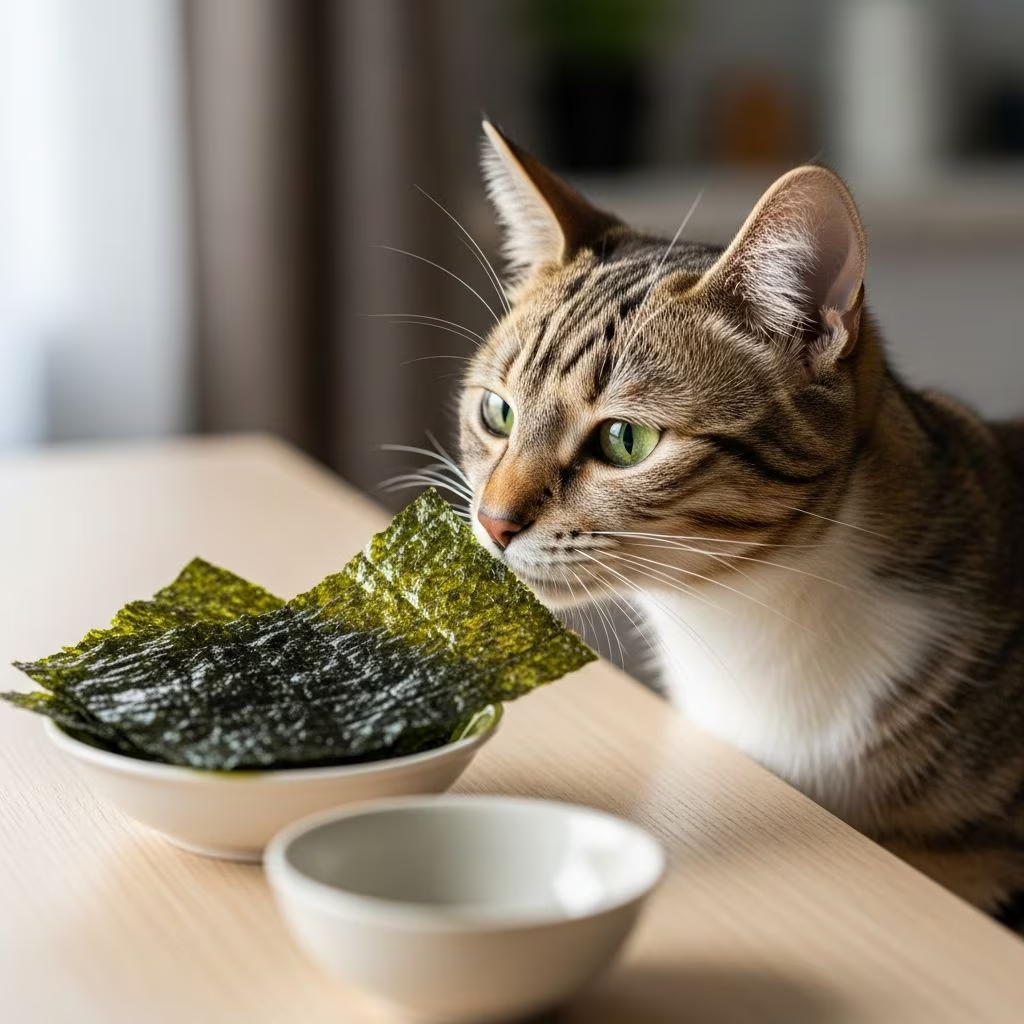
Can Cats Eat Seaweed?
Many cat owners wonder about incorporating new foods into their feline companions’ diets, and seaweed has become an increasingly popular topic of discussion. The straightforward answer is yes, cats can eat seaweed, but with important caveats and careful considerations. While seaweed offers various nutritional benefits, it should never become a staple in your cat’s diet. Instead, it works best as an occasional treat when served properly and in appropriate portions.
Cats are obligate carnivores, meaning their bodies are designed to derive nutrition primarily from animal-based proteins. This fundamental aspect of feline biology must always guide decisions about supplementary foods. While seaweed contains beneficial nutrients, it cannot replace the essential amino acids and nutrients found in quality meat-based cat food.
Nutritional Components of Seaweed
Seaweed is renowned for its impressive nutritional density, making it one of nature’s most mineral and vitamin-rich foods. Understanding what seaweed contains helps explain both its potential benefits and risks for cats.
Vitamins and Minerals
Seaweed contains an impressive array of vitamins crucial for cellular function and overall health. It is particularly rich in vitamins A, C, E, and K, along with several B-complex vitamins including folate. One remarkable aspect of certain seaweed varieties is their rare content of vitamin B12, a nutrient that is uncommon in plant-based foods. This makes seaweed particularly interesting from a nutritional standpoint.
The mineral profile of seaweed is equally impressive. It provides essential minerals including iodine, calcium, magnesium, iron, and potassium. Iodine deserves special attention since it plays a critical role in thyroid function. However, this same property creates a significant consideration for cat owners, as excessive iodine intake can lead to thyroid complications in felines.
Fiber Content
Seaweed contains both soluble and insoluble fiber, which traditionally supports digestive health in humans. However, it is important to recognize that cats, being obligate carnivores, do not rely on fiber in the same manner humans do. Their digestive systems are optimized for processing animal proteins rather than plant-based fiber.
Antioxidants and Omega-3 Fatty Acids
Seaweed naturally contains powerful antioxidant compounds that help protect cells from damage caused by free radicals. Additionally, certain seaweed varieties provide omega-3 fatty acids, which offer significant benefits for skin health, coat quality, and joint function in cats.
Potential Benefits of Seaweed for Cats
When seaweed is offered correctly and in appropriate moderation, it can provide several valuable benefits to complement your cat’s primary diet.
- Improved Coat and Skin Health: The omega-3 fatty acids present in seaweed promote a shiny, lustrous coat and may reduce inflammation in the skin. This can be particularly beneficial for cats experiencing dryness, itching, or other dermatological issues.
- Enhanced Digestive Health: Seaweed contains helpful prebiotics that support gut health in cats. The fiber content can help regulate intestinal motility and reduce constipation, though these benefits should be considered secondary to primary digestive support from their main diet.
- Immune System Support: The vitamins and antioxidants found in seaweed can help strengthen your cat’s immune system, contributing to improved overall health and disease resistance.
- Joint and Bone Health: The calcium and magnesium content in marine algae supports healthy bone density and joint function, which becomes increasingly important as cats age and may develop arthritis or other degenerative conditions.
Safe Seaweed Varieties for Cats
Not all seaweed is appropriate for feline consumption. Understanding which varieties are safe is essential before offering any seaweed to your cat.
Nori
Nori is the seaweed commonly used in sushi rolls, and it is among the safest options for cats when offered in small amounts. Nori is typically sold in dried, crisp sheets that are easy to portion. It is low in fat and calories while being packed with essential nutrients, making it an accessible way to introduce seaweed to your cat. Many cats find the texture and taste of nori appealing, though individual preferences vary.
Kelp
Kelp is a brown seaweed rich in iodine, calcium, and various trace minerals. It can be sprinkled onto your cat’s regular food to provide a nutrient boost. However, due to its higher iodine content, kelp requires particularly careful portion control. Even small amounts should be measured precisely to avoid excessive iodine intake that could disrupt thyroid function.
Commercial Seaweed Treats
Many pet food brands now offer seaweed snacks or treats specifically formulated for cats. These commercial products are typically made with safe, non-toxic seaweed varieties and come in pre-portioned sizes appropriate for feline consumption. Choosing reputable brands ensures the seaweed has been properly sourced and prepared for pet safety.
Seaweed-Infused Broths
For cats that enjoy wet food or broth-based meals, small amounts of wakame or kelp can be added to their broth. This method allows you to incorporate seaweed benefits while maintaining your cat’s enthusiasm for their regular meals.
Precautions and Risks
While seaweed can be beneficial, several important precautions must be observed to ensure your cat’s safety.
Iodine Toxicity Concerns
The primary risk associated with seaweed consumption in cats is excessive iodine intake. Seaweed, particularly kelp varieties, is notably high in iodine. While iodine is essential in small amounts for proper thyroid function, excessive consumption can lead to serious thyroid complications, including hyperthyroidism. This condition can significantly impact your cat’s metabolism and overall health. Always ensure that seaweed portions are minimal and consult your veterinarian to determine the appropriate amount for your specific cat.
Portion Control
The golden rule for feeding seaweed to cats is moderation. Seaweed should never constitute a significant portion of your cat’s diet. It should be treated as an occasional treat, offered perhaps once or twice per week in very small quantities. A good guideline is to offer no more than a small pinch or a single nori sheet at a time.
Allergic Reactions
As with any new food introduction, start with a small amount of seaweed and monitor your cat carefully for signs of allergies or adverse reactions. Watch for symptoms including digestive upset, vomiting, diarrhea, or any behavioral changes. If any concerning symptoms develop, discontinue seaweed immediately and consult your veterinarian.
Source Quality
Always source seaweed from reputable suppliers to ensure it is safe for feline consumption. Some seaweed varieties can be toxic if consumed in large quantities, and contamination from heavy metals or other harmful substances is a potential concern with poorly sourced products. Premium pet-grade seaweed products are generally safer than wild-harvested varieties of unknown origin.
How to Introduce Seaweed to Your Cat
If you decide to offer seaweed to your cat, proper introduction is essential. Begin by offering a very small amount—a single piece of nori or a tiny pinch of powdered seaweed. Observe your cat for 24 hours for any signs of digestive distress or allergic reactions. If your cat tolerates the initial offering well, you can slowly increase the frequency of seaweed treats, though quantities should remain minimal.
Some cats may show immediate interest in seaweed, while others may be indifferent or refuse it entirely. Never force your cat to consume seaweed or any food they show reluctance toward. Each cat has unique preferences and dietary needs, and what works for one cat may not be suitable for another.
Seaweed Versus Other Cat Food Additives
It is worth noting that seaweed components appear in commercial cat foods in various forms. Carrageenan, a food additive extracted from red seaweed, is commonly used as a thickener and binder in wet cat food. While derived from natural seaweed, carrageenan is processed differently than whole seaweed and serves primarily as a texture modifier rather than a nutritional component.
Dehydrated seaweed meal sometimes appears in premium dry cat foods as a source of minerals and vitamins. These commercial inclusions are formulated by pet nutrition experts to ensure appropriate levels for feline health, providing a safety advantage over home-administered seaweed treats.
Frequently Asked Questions
Q: Can my cat eat seaweed snacks meant for humans?
A: Plain, unseasoned seaweed snacks may be safe in very small quantities, but many human seaweed products contain added salt, seasonings, or other ingredients inappropriate for cats. It is safer to use seaweed products specifically formulated for pets or plain nori without added ingredients.
Q: How much seaweed can I safely give my cat?
A: Start with a very small amount—a single nori sheet or a tiny pinch of seaweed powder—no more than once or twice weekly. Consult your veterinarian to determine the appropriate amount based on your cat’s individual health status and diet.
Q: Are there seaweed varieties I should absolutely avoid?
A: While nori and kelp are generally considered safe, some seaweed varieties can be problematic in large quantities. Source seaweed only from reputable suppliers specifically providing products for pet consumption to minimize risk.
Q: Can seaweed help with my cat’s thyroid problems?
A: No. In fact, seaweed’s high iodine content makes it potentially problematic for cats with thyroid issues. If your cat has thyroid complications, consult your veterinarian before introducing seaweed, as it could worsen the condition.
Q: What signs indicate my cat is having an adverse reaction to seaweed?
A: Monitor for vomiting, diarrhea, loss of appetite, lethargy, or any unusual behavior. If these symptoms appear after seaweed consumption, discontinue the food and contact your veterinarian promptly.
Q: Is seaweed better than commercial cat treats?
A: Seaweed can be a nutritious occasional treat but should not replace high-quality commercial cat treats or regular balanced nutrition. Use seaweed as a supplement to, not a substitute for, appropriate feline nutrition.
Conclusion
Seaweed can be a nutritious and safe treat for cats when offered thoughtfully and in appropriate quantities. Its rich mineral content, vitamins, and beneficial compounds like omega-3 fatty acids make it an interesting addition to your cat’s treat rotation. However, responsible pet ownership requires understanding both benefits and risks, particularly regarding iodine content and its potential impact on thyroid function.
The key to safely incorporating seaweed into your cat’s diet lies in choosing safe varieties like nori or kelp, maintaining strict portion control, sourcing from reputable suppliers, and monitoring your cat for any adverse reactions. Always prioritize your cat’s meat-based diet as the foundation of their nutrition, treating seaweed as an occasional supplement rather than a dietary staple.
When in doubt, consult your veterinarian before introducing any new food to your cat’s diet. Your vet can provide personalized guidance based on your cat’s age, health status, and specific nutritional needs, ensuring that any treat or supplement supports rather than compromises your feline friend’s wellbeing.
References
- Can Cats Have Seaweed? — GREEN AGRI. 2025. https://www.greenagribio.com/news/can-cats-have-seaweed.html
- Carrageenan In Cat Food: Vet-Reviewed Uses, Safety & Verdict — Catster. https://www.catster.com/nutrition/carrageenan-in-cat-food/
- Can Cats Eat Sushi? Vet-Reviewed Nutrition Facts & Safety Guide — Catster. https://www.catster.com/nutrition/can-cats-eat-sushi/
- Why Does My Cat Only Eat Wet Food? Vet Reviewed Facts — Catster. https://www.catster.com/nutrition/why-does-my-cat-only-eat-wet-food/
- Cat Food: Why It Pays to Get It Right — Catster. https://www.catster.com/felines-weekly/cat-food-why-it-pays-to-get-it-right/



